Which Blue Eyed Cat Breed Sheds the Least
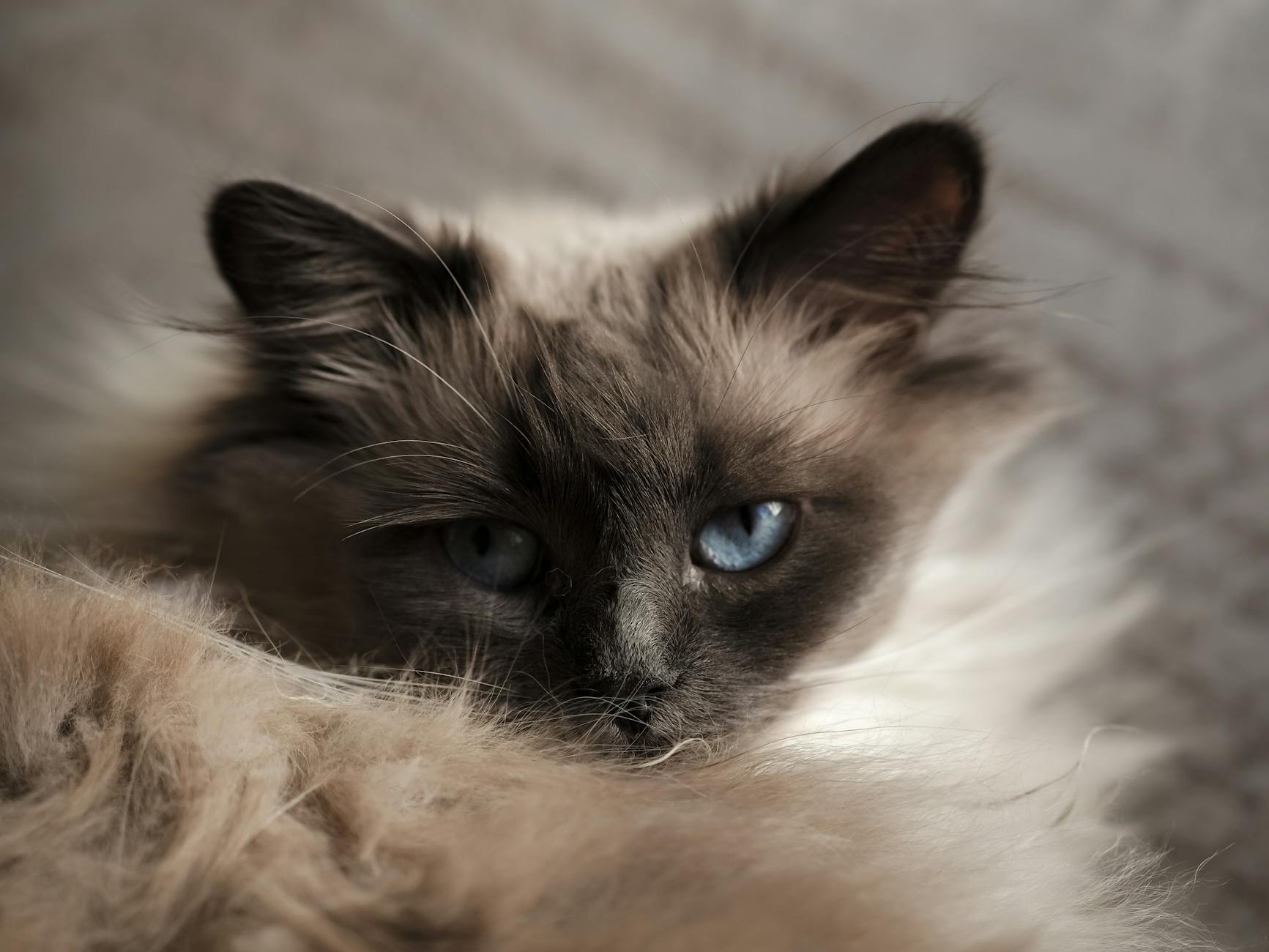
Among blue-eyed cat breeds, the Devon Rex and Cornish Rex shed the least, making them ideal choices for people seeking a striking feline companion without…
Cat Health, Behavior and Care Guides
Cat shedding, fur loss, and coat management
Among blue-eyed cat breeds, the Devon Rex and Cornish Rex shed the least, making them ideal choices for people seeking a striking feline companion without…
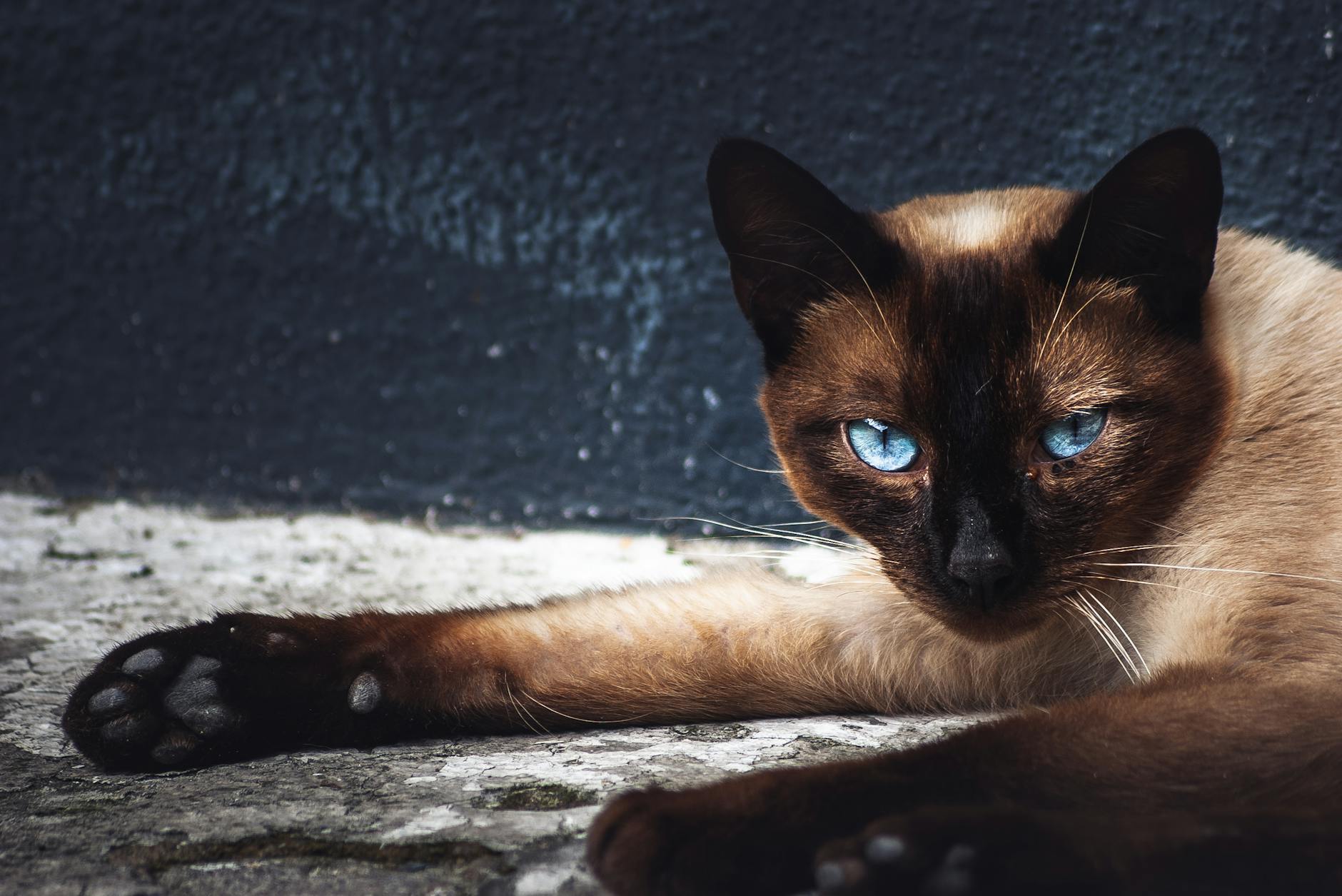
The Ragdoll is the definitive large blue-eyed cat breed, consistently ranking among the biggest domestic cats while displaying the striking sapphire-blue…

Sharing dishware with your cat that has been washed with baking soda is generally safe if the dishes are thoroughly rinsed, but the risk depends on how…

Yes, it is safe to share dishware with cats if the dishes are washed with diluted vinegar and properly rinsed and dried before use.
Sharing dishware with your cat is not safe if the dishes have been washed with bleach unless they are thoroughly rinsed and dried completely.

Yes, it is generally safe to share dishware with cats washed with natural soap, provided the dishes are thoroughly rinsed and the soap doesn’t contain…

A low-shedding cat breed is a cat with genetics that produce less fur in their coat, resulting in reduced hair loss throughout the home.

A Domestic Longhair is not a specific breed, but rather a classification for any cat with long fur that results from non-selective breeding and mixed…

A domestic short hair cat is not a breed at all, but rather a mixed-ancestry cat with a varied genetic background—similar to a “mutt” in the dog world.
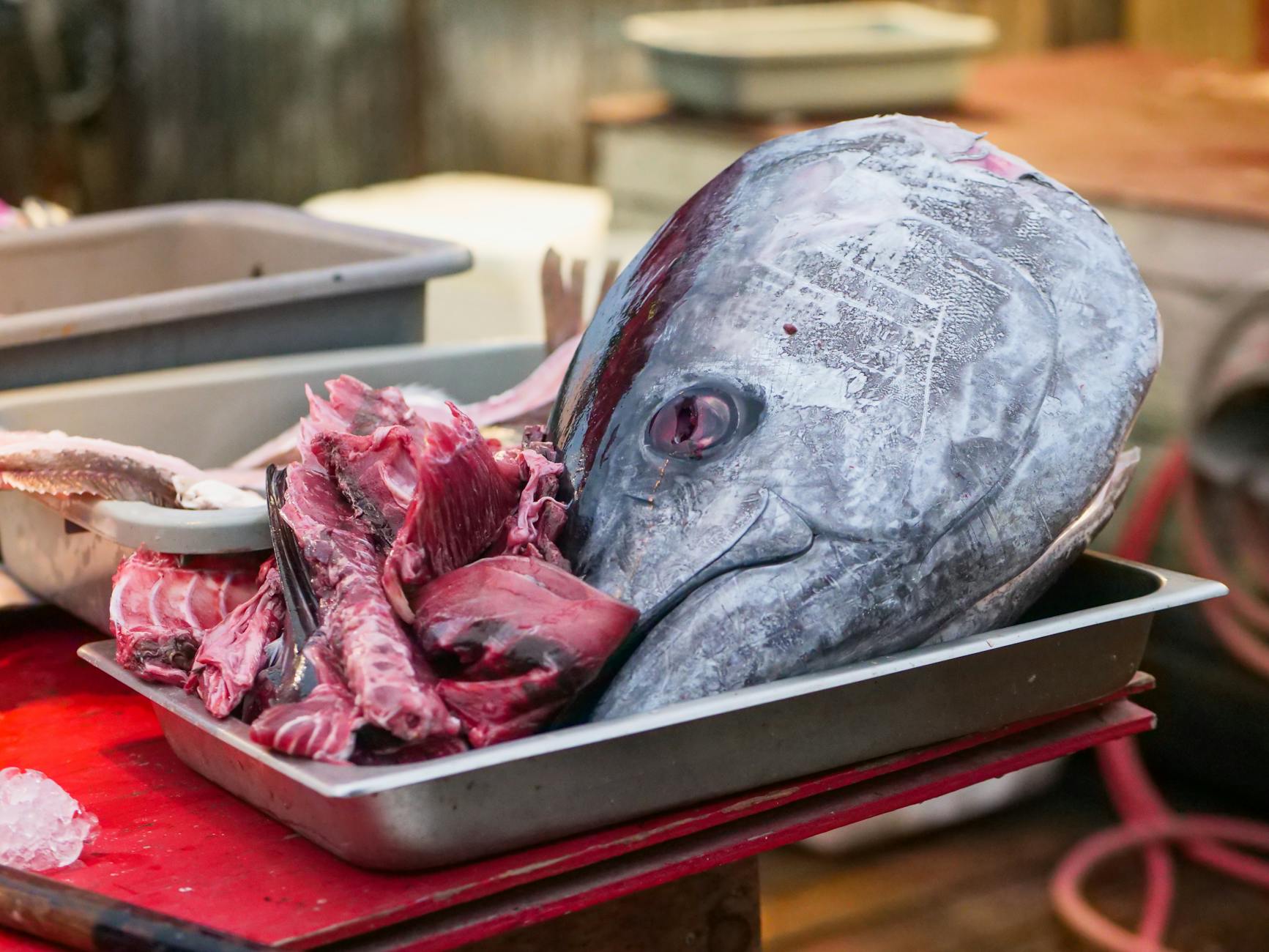
No, cats should not eat tuna every day. While most cats find tuna irresistible, veterinary experts strongly advise against making it a daily part of your…