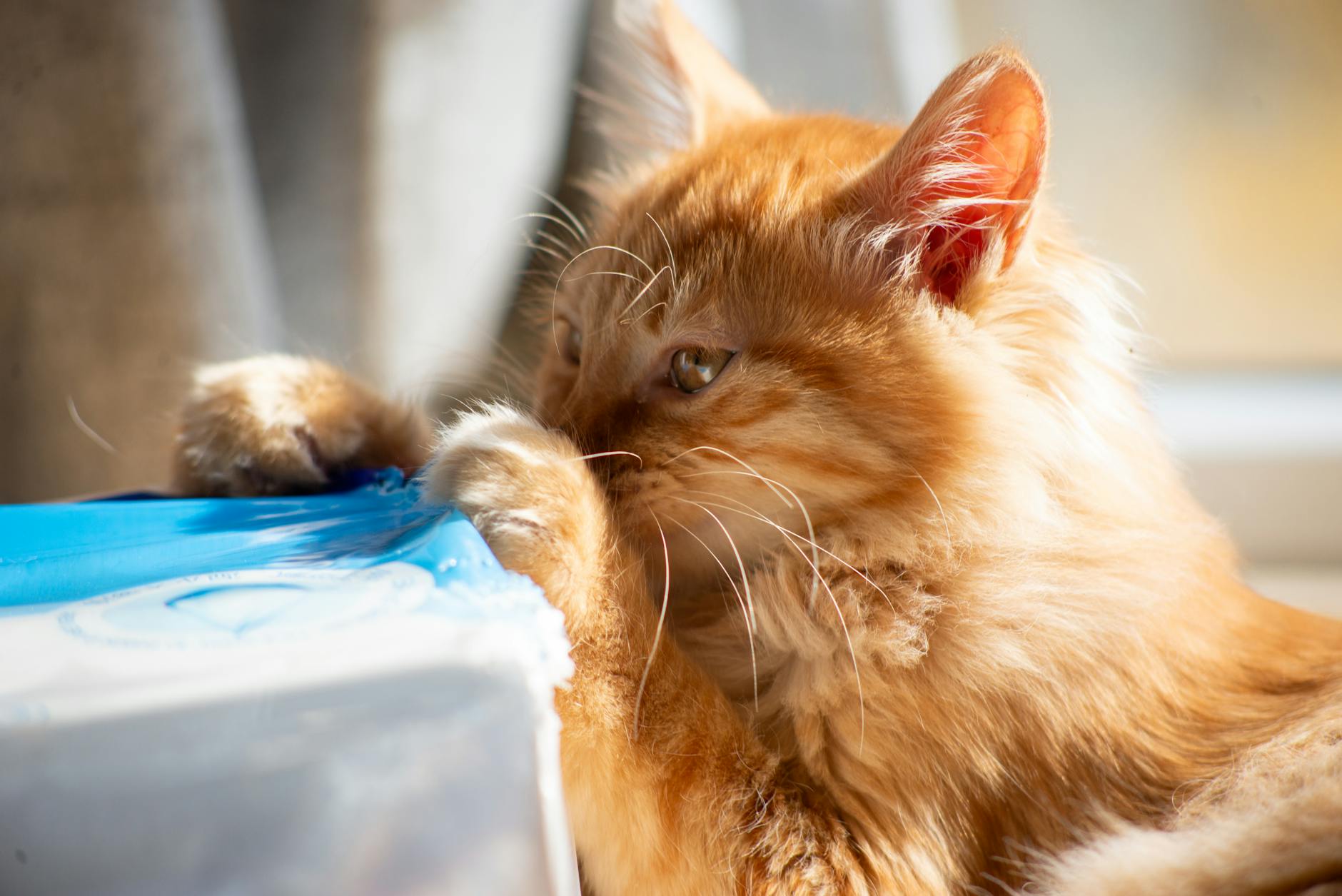
Cats chewing on paper cups is generally not safe and should be discouraged whenever possible. While occasional contact with a paper cup is unlikely to cause immediate harm, the practice poses multiple risks ranging from gastrointestinal blockages to toxic chemical exposure. A cat that regularly chews on paper cups—whether from coffee shops, fast food restaurants, or household recycling—faces cumulative dangers that worsen over time. The primary concern is that paper cups are not digestible.
When a cat ingests paper fibers, they can accumulate in the digestive tract and form blockages that prevent food from passing through normally. A five-year-old tabby named Whiskers, for example, required emergency surgery after her owner discovered she had developed a partial obstruction from chewing paper cups during a two-week period. The blockage caused vomiting, lethargy, and loss of appetite before surgery became necessary—a costly and traumatic situation that could have been prevented through supervision and environmental management. Beyond blockage concerns, paper cups often contain chemical coatings and plastic linings designed to make them waterproof. These materials can leach into your cat’s system and may contain substances like BPA or other endocrine disruptors that accumulate in the body over time.
Table of Contents
- Why Are Cats Attracted to Chewing on Paper and Cardboard?
- Physical Dangers of Paper Cup Ingestion and Blockages
- Chemical Coatings and Toxin Exposure from Paper Cup Materials
- How to Prevent Your Cat from Chewing on Paper Cups
- Signs Your Cat Has Ingested Paper Cup Material
- Paper Cup Exposure in Multi-Cat Households
- When to Seek Veterinary Care and Long-Term Management
- Conclusion
Why Are Cats Attracted to Chewing on Paper and Cardboard?
cats are drawn to paper and cardboard for several behaviorally-driven reasons that have nothing to do with hunger or nutritional need. The texture provides sensory stimulation, and the act of tearing or chewing paper releases tension and satisfies their natural instinct to manipulate objects with their claws and teeth. Some cats also develop a compulsive behavior called pica—an abnormal desire to chew non-food items—which can be triggered by stress, boredom, dietary deficiencies, or underlying medical conditions. The sound and feel of crinkling paper also mimics the texture of natural prey, triggering hunting behaviors in some cats.
A paper cup that crinkles when squeezed can feel like a live mouse or bird to your cat’s predatory instincts. Additionally, if your cat has ever gotten attention (positive or negative) from chewing on paper, she may repeat the behavior because it works as a way to engage you, even if the outcome is you scolding her. It’s important to distinguish between occasional curiosity and compulsive behavior. A kitten that chews on a paper cup once a week is showing normal exploratory behavior, while a cat that seeks out and destroys multiple paper products daily may have an underlying issue—whether that’s pica, thyroid disease, or severe anxiety—that requires veterinary evaluation.
Physical Dangers of Paper Cup Ingestion and Blockages
The most serious physical danger of cats chewing paper cups is the risk of gastrointestinal obstruction. When paper fibers are swallowed, they don’t break down like plant material designed for consumption. Instead, they clump together in the stomach or small intestine, creating a blockage that prevents normal digestive flow. Early symptoms of obstruction include vomiting (especially repeated vomiting), lethargy, loss of appetite, abdominal pain, and constipation or lack of bowel movements. The severity of a blockage depends on the amount of paper ingested and the cat’s overall health.
A kitten or senior cat is at higher risk for complications because their digestive systems are more vulnerable. A two-year-old kitten named Luna required hospitalization and intravenous fluids when she ingested paper cup fragments over a three-day period; the blockage was caught before it became life-threatening, but she needed imaging, medication, and close monitoring to pass the material safely. Without intervention, complete blockages can cause sepsis and death within 24-48 hours. One limitation to keep in mind is that very small amounts of paper—like licking the rim of a cup—are unlikely to cause obstruction. The danger increases significantly with repeated ingestion or larger quantities. This means occasional exposure is lower risk, but regular access to paper cups should definitely be prevented.
Chemical Coatings and Toxin Exposure from Paper Cup Materials
Most commercially produced paper cups have plastic or wax linings on the interior surface to prevent leaking and keep beverages from degrading the paper. These linings contain polymers and chemicals that are not meant to be ingested by animals. When a cat chews on the plastic-lined interior of a paper cup, she’s exposing herself to potential toxins and synthetic materials that can accumulate in her liver and kidneys over time. Some paper cups also contain a substance called polyfluoroalkyl (PFAS)—a “forever chemical” used to make the coating grease-resistant.
PFAS has been linked to thyroid problems, immune suppression, and liver damage in humans and animals. While a single exposure is unlikely to cause acute illness, repeated ingestion over weeks or months could contribute to chronic health problems that develop slowly and are difficult to trace back to the original cause. A limiting factor here is that the actual concentration of harmful chemicals in any single paper cup is relatively low, especially when the cup is just being chewed on the exterior. However, this is a cumulative risk, not a one-time exposure issue. The danger multiplies if your cat has access to multiple cups over time or if she’s chewing on the interior plastic lining where chemical concentrations are highest.

How to Prevent Your Cat from Chewing on Paper Cups
The most effective prevention strategy is environmental management—simply not leaving paper cups accessible to your cat. This means putting used cups in a closed trash can (not an open wastebasket), disposing of cups immediately after use, and keeping recycling bins in a cabinet or closet where your cat cannot access them. If you work from home or have a cat during the day, this becomes simpler than trying to supervise constantly. Providing appropriate alternatives is equally important. Cats who chew on paper cups often benefit from having legal outlets for that behavior: cardboard scratching posts (which they can also chew on slightly without harm), cardboard boxes, sisal rope toys, or interactive puzzle toys that encourage chewing and manipulation.
A comparison: a cat with regular access to a cardboard box and proper enrichment toys is significantly less likely to seek out paper cups than a bored cat in an under-stimulated environment. The investment in environmental enrichment—boxes, tunnels, climbing structures—often prevents the cup-chewing behavior entirely. If your cat shows signs of pica (seeking out non-food items obsessively), talk to your veterinarian. She may recommend a dietary adjustment, thyroid screening, or behavioral medication if the behavior is stress-related. Some cats respond well to increased playtime and interactive feeding methods like puzzle feeders, which redirect their chewing drive into appropriate channels.
Signs Your Cat Has Ingested Paper Cup Material
Pay close attention to changes in your cat’s eating habits, energy level, and bathroom behavior. The earliest warning sign is usually loss of appetite or vomiting, which can appear 12-24 hours after ingestion. Cats may gag, retch, or vomit multiple times in a short period, and the vomit may contain visible paper fibers or have an unusual appearance. Some cats become lethargic and hide more than usual when they’re in pain or distress from an obstruction. Changes in bowel habits are another key indicator.
Your cat may strain to defecate or produce very small, hard stools as the blockage prevents normal passage of waste. Alternatively, some cats develop diarrhea when a blockage is partial and some material squeezes through. Abdominal pain may cause your cat to assume a “prayer position”—stretching her front legs forward while keeping her hindquarters elevated. A warning: if you notice any combination of these symptoms, seek veterinary care immediately rather than waiting to see if the problem resolves on its own. Blockages are time-sensitive emergencies.
Paper Cup Exposure in Multi-Cat Households
If you have multiple cats, managing paper cup access becomes more complex because you need to prevent all of them from getting to cups, not just the one cat who shows interest. One cat’s behavior can also influence another’s curiosity. For example, if your curious cat Mango starts chewing on paper cups, your typically disinterested cat Pepper may begin mimicking the behavior simply because she sees Mango doing it.
This peer influence effect means prevention strategies need to be consistent across your entire household. Multi-cat homes may also have one cat who is particularly vulnerable due to age, prior health issues, or predisposition to pica. Senior cats or those with existing digestive problems should be protected especially carefully. Keeping paper cups in sealed, cat-proof containers in a specific room (like a pantry or office) ensures that even if one cat escapes supervision, she won’t have access to the hazard.
When to Seek Veterinary Care and Long-Term Management
Not every instance of paper cup chewing requires an emergency veterinary visit, but certain situations warrant immediate care. If your cat vomits more than once, shows signs of abdominal pain, hasn’t eaten for more than 12 hours after chewing on a cup, or seems unusually lethargic, contact your veterinarian or emergency clinic. Early intervention—before a complete blockage forms—often means the difference between medical management and surgical intervention.
For cats with a history of pica or repeated paper chewing, work with your veterinarian on a long-term management plan. This might include dietary changes to rule out nutritional deficiencies, behavioral enrichment strategies, or medication to address anxiety. Some cats benefit from a supervised trial period where their environment is modified and their behavior is tracked to identify triggers and successful prevention methods.
Conclusion
Paper cups pose real risks to cats through blockage, chemical exposure, and the potential for developing or reinforcing pica behaviors. While a single instance of chewing on a paper cup is unlikely to cause severe harm, the cumulative risk of repeated exposure—combined with the ease of prevention—makes it worthwhile to keep cups away from your cat.
The best approach combines environmental management (no accessible cups), enrichment (appropriate chewing outlets), and close observation of your cat’s behavior and health. If your cat shows signs of having ingested paper material or develops compulsive chewing behavior, involve your veterinarian early. With attention to prevention and awareness of warning signs, you can keep your cat safe from this common household hazard.