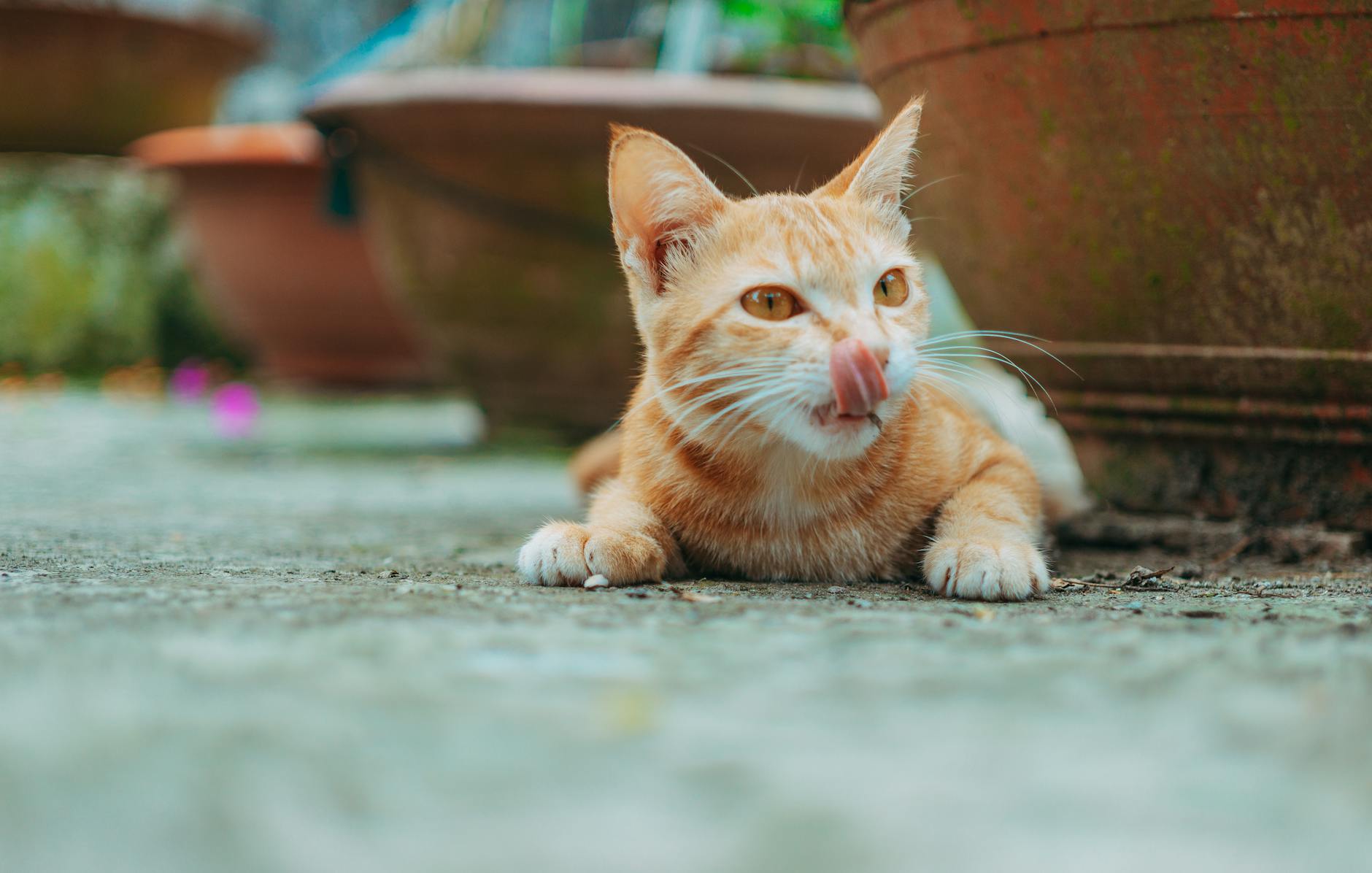
No, it is not safe for cats to lick bowls with hummus. While a small taste is unlikely to cause immediate harm, hummus poses several genuine health risks to cats and should be kept completely out of their reach. The primary concern is that hummus contains garlic and/or onions—ingredients that are toxic to cats and can damage their red blood cells. For example, a cat that licks a hummus bowl thoroughly enough to ingest a meaningful amount could experience symptoms ranging from mild gastrointestinal upset to more serious conditions in cases of repeated exposure or larger quantities.
Most cat owners don’t realize that the spices and ingredients in hummus go beyond just chickpeas and tahini. A typical bowl of hummus contains garlic, sometimes raw onions, lemon juice, and various seasonings that individually or collectively can upset a cat’s digestive system. Even “garlic-free” hummus varieties often contain other problematic ingredients like excess salt or certain oils that aren’t ideal for feline consumption. The safest approach is to prevent access entirely rather than taking chances with your cat’s health.
Table of Contents
- What Makes Hummus Dangerous for Cats?
- Specific Toxic Ingredients in Hummus That Harm Cats
- Health Risks and Symptoms to Watch For
- Preventing Hummus Access and Safe Alternatives
- Common Mistakes and Misconceptions About Cats and Hummus
- What to Do If Your Cat Eats Hummus
- Building a Toxic-Food-Aware Household
- Conclusion
What Makes Hummus Dangerous for Cats?
Hummus’s primary danger comes from allium vegetables—garlic and onions—which belong to the same plant family as leeks and chives. These vegetables contain compounds called thiosulfates that damage feline red blood cells, a condition known as Heinz body anemia. Even powdered or cooked garlic, which some hummus recipes include, can be toxic to cats. The severity depends on the amount consumed and the cat’s size; a 10-pound cat is far more vulnerable to a hummus bowl than a 15-pound cat. Beyond the allium concern, hummus often contains high levels of salt, which cats don’t need in their diet and which can contribute to dehydration and kidney stress over time.
Sesame paste (tahini), while not immediately toxic, is calorie-dense and can contribute to obesity in cats who eat it regularly. The lemon juice in hummus, while present in small quantities, is acidic and can cause digestive upset in sensitive cats. Most concerning is that many owners underestimate their cat’s ability to consume significant quantities when unsupervised. A cat that jumps onto a kitchen counter and spends several minutes licking a hummus bowl may ingest far more than someone realizes. This is different from the cat taking a single curious lick—sustained lapping represents a real risk of toxin accumulation.
Specific Toxic Ingredients in Hummus That Harm Cats
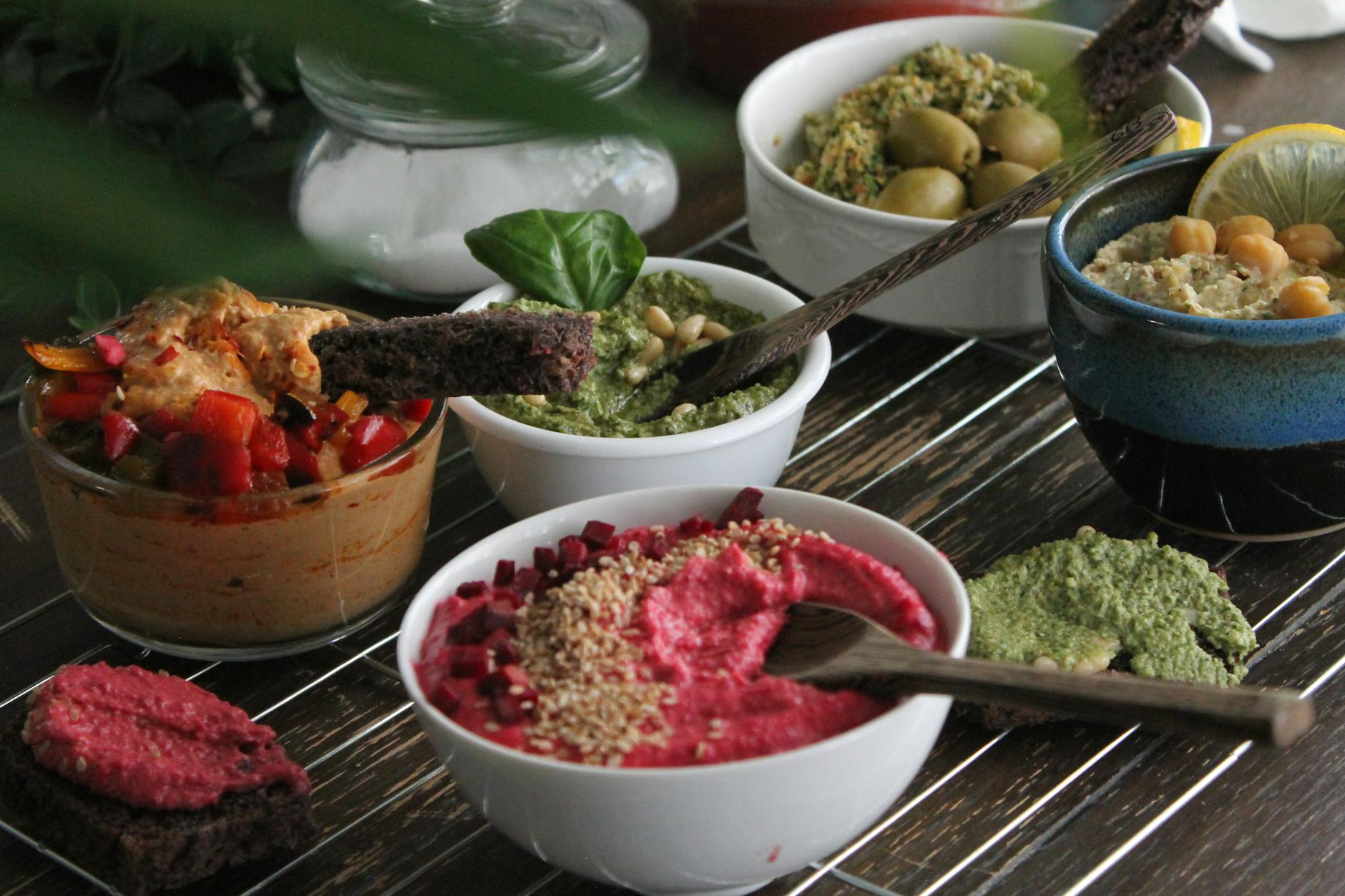
Garlic is the most dangerous component in most hummus recipes. Whether fresh, powdered, or roasted, garlic contains thiosulfates that interfere with feline hemoglobin. The toxic dose for cats is approximately 15-30 grams per kilogram of body weight, which means a typical cat weighing 10 pounds could theoretically be harmed by consuming around 70-140 grams of garlic. While most hummus bowls don’t contain that much garlic, repeated exposure or a cat eating from multiple bowls increases risk. Onions present a similar risk, sometimes with even greater potency than garlic.
Some hummus recipes include finely diced raw onions as a flavor component, and cats are particularly susceptible to onion toxicity. Additionally, hummus made with commercial spice blends may contain hidden onion powder, which is even more concentrated than fresh onions. The limitation here is that symptoms of toxicity may not appear immediately. Hemolytic anemia from allium consumption can develop over days or weeks, meaning a cat could consume toxic amounts without owners realizing the danger until symptoms like lethargy, pale gums, or dark-colored urine appear. This delayed reaction makes prevention even more critical, since waiting to see if symptoms develop is not a viable strategy.
Health Risks and Symptoms to Watch For
If a cat ingests hummus containing garlic or onions, the most likely short-term symptom is gastrointestinal upset—vomiting or diarrhea within a few hours. Cats are also prone to dehydration after stomach upset, which can compound other health issues. For example, a senior cat with mild kidney disease might experience more severe complications from the dehydration caused by hummus-induced diarrhea than a young, healthy cat would. The more serious concern is Heinz body anemia, which develops when thiosulfates damage red blood cells. Early symptoms include lethargy, loss of appetite, pale gums, rapid breathing, or unusually colored urine (yellowish or dark).
If a cat shows these signs after eating something that might contain garlic or onions, veterinary care is essential. Blood work can confirm the presence of Heinz bodies and guide treatment. Cats with pre-existing health conditions face heightened risk. A cat with feline anemia, heart disease, or respiratory conditions is more vulnerable to the effects of hummus toxicity because their bodies have less physiological reserve. Additionally, very young kittens and elderly cats metabolize substances less efficiently, putting them at greater risk from the same quantity of hummus that an adult cat might tolerate without obvious symptoms.

Preventing Hummus Access and Safe Alternatives
The most practical prevention is simple: never leave hummus or bowls containing hummus on counters, tables, or anywhere a cat can reach. Many owners assume their cats won’t be interested in human food, but hummus’s texture and aroma can be genuinely appealing to cats. Store hummus in sealed containers in the refrigerator, and clean bowls immediately after use. This is especially important in households with multiple cats, since one cat’s curiosity can quickly become a serious situation. If you frequently eat hummus at home, establish a rule that the bowl goes into the sink immediately after serving. Compare this to how families with young children manage choking hazards—the prevention is just as critical for cats, even though the specific risk differs.
Make sure all household members understand the danger, since a well-meaning visitor or family member might not realize that “sharing food” with a cat is dangerous in this case. For cats that crave the creamy, savory flavors of hummus, several safe alternatives exist. Cooked pumpkin puree, plain and unseasoned, provides a similar texture and some nutritional benefit. Wet cat food formulated for older cats often has a consistency cats find satisfying. Plain, unsalted cooked chicken or turkey offers protein and flavor without the toxins. These options avoid the risks entirely while still providing sensory and gustatory satisfaction.
Common Mistakes and Misconceptions About Cats and Hummus
A widespread misconception is that a “tiny lick” of hummus is harmless. While a single small lick of garlic-containing hummus is unlikely to cause acute poisoning, it’s not risk-free, and the cumulative effect of multiple exposures increases danger. More importantly, owners can’t reliably estimate how much a cat actually consumed when licking a bowl unsupervised. A cat might have licked more than expected, or the hummus bowl might have contained more garlic than the owner realizes. Another common mistake is assuming that hummus without visible garlic pieces is safe. Garlic powder and finely minced garlic are common in store-bought hummus, and they’re just as toxic as whole cloves.
Some owners make the error of giving their cat “just a tiny bit” of their food as a treat, not realizing that the serving size for cats is drastically smaller than for humans. What feels like a negligible amount to a person can represent a significant dose for a 10-pound cat. The warning here is against self-diagnosis. If a cat eats hummus and the owner isn’t sure whether it contains garlic, it’s tempting to “wait and see” rather than contact a veterinarian. This approach carries real risk. If symptoms don’t develop, the owner gains false reassurance, but if hemolytic anemia is developing silently, delays in treatment worsen the outcome. Contacting a vet or poison control immediately after a cat eats hummus is the only responsible course.
What to Do If Your Cat Eats Hummus
If your cat consumes hummus, the first step is to determine the ingredients, particularly whether garlic or onions are present. Check the hummus container if possible. If you can’t determine the ingredients or if garlic is definitely present, contact your veterinarian or an animal poison control center like the ASPCA Animal Poison Control Center (888-426-4435). Provide information about your cat’s weight, how much hummus was consumed, and how long ago the exposure occurred.
Do not induce vomiting at home unless specifically instructed by a veterinarian. Bring the hummus container or a list of ingredients to the vet appointment, as this information helps determine the level of risk. Treatment may include monitoring, supportive care like IV fluids if dehydration develops, or in severe cases, blood transfusions for anemia. Early professional assessment greatly improves outcomes.
Building a Toxic-Food-Aware Household
Creating a cat-safe kitchen requires ongoing awareness. Many foods that humans eat regularly—grapes, chocolate, xylitol-containing products, raw dough, raw eggs, and certain nuts—are also toxic to cats. Hummus joins this list of foods that should be stored securely and kept out of reach. The good news is that most of these risks follow straightforward prevention principles: store dangerous foods safely, eat them away from areas where cats can access them, and clean up immediately.
For cat owners who frequently have guests or family members visiting, clear communication about food safety is important. A visitor who doesn’t know that hummus is toxic might leave a bowl on a coffee table or offer the cat a taste thinking they’re being kind. Establishing household rules and brief conversations with regular visitors prevent these situations. Over time, maintaining this vigilance becomes automatic, and the risk of accidental hummus exposure drops to nearly zero.
Conclusion
Hummus is not safe for cats due to its common ingredients—particularly garlic and onions—which are toxic to felines and can damage red blood cells. While a single small taste is unlikely to cause acute poisoning, the risk compounds with repeated exposure, and owners cannot reliably monitor how much hummus a cat consumes during unsupervised access. Symptoms of toxicity may develop over days or weeks, making prevention far more effective than monitoring for problems after they occur.
The safest approach is straightforward: store hummus securely, clean bowls immediately, and keep all household members informed about the danger. If your cat does consume hummus, contact your veterinarian or poison control immediately to assess risk. By maintaining awareness and establishing clear food safety practices, you can protect your cat from this and many other household hazards while still enjoying human foods safely.