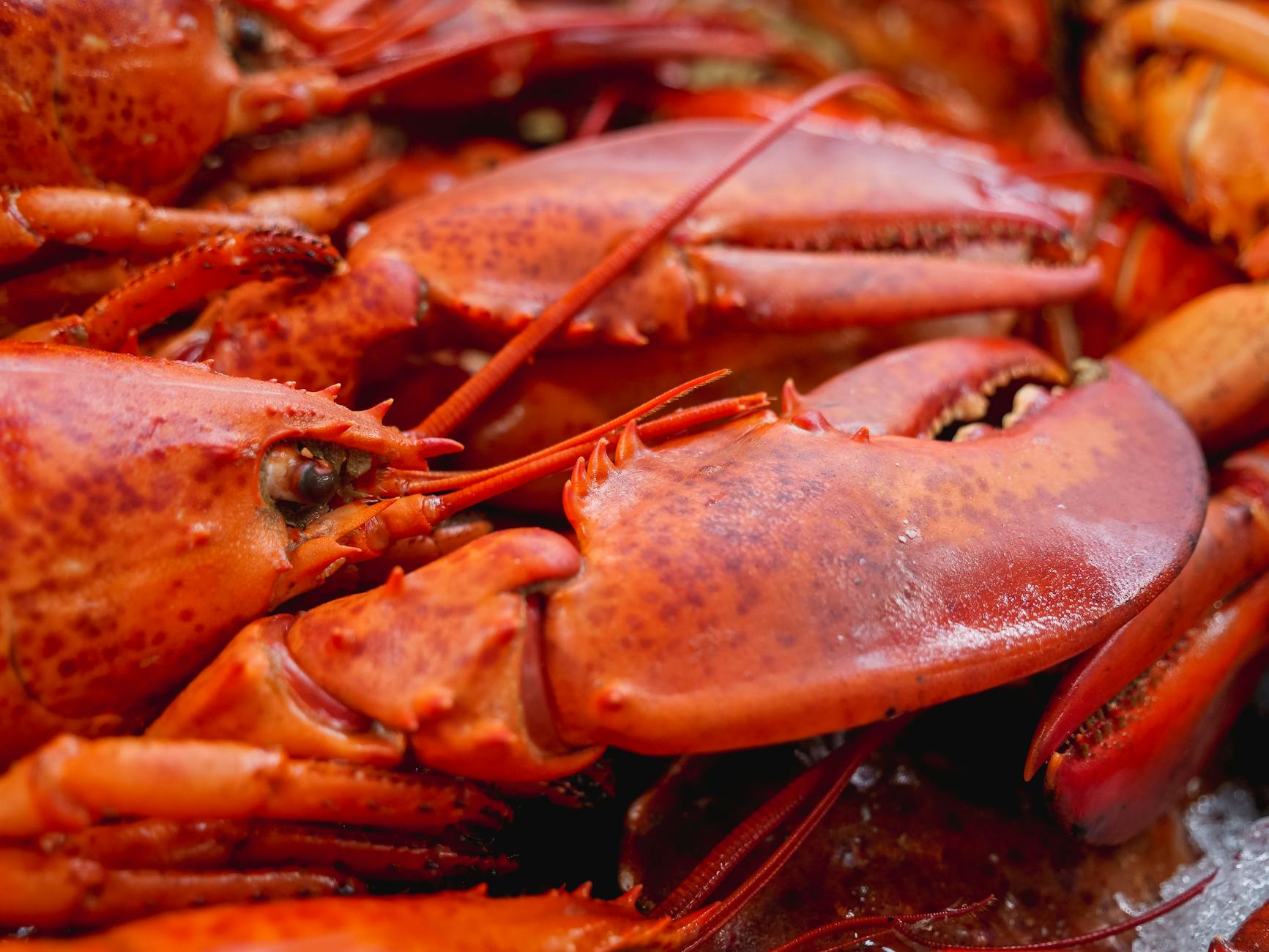
Yes, plain cooked lobster is generally safe for cats to eat in small amounts as an occasional treat. Lobster meat provides protein and contains nutrients like zinc, phosphorus, and omega-3 fatty acids that can benefit feline health. However, the key qualifiers here matter significantly: the lobster must be fully cooked, served plain without butter or seasoning, and offered only in moderation. A cat that sneaks a small piece of unseasoned lobster from your plate during a celebration dinner faces no immediate health threat, but that same cat eating butter-drenched lobster tail or consuming shellfish regularly could develop serious digestive issues or nutritional imbalances.
This article goes beyond the simple yes-or-no answer to explore the nuances every cat owner should understand before sharing seafood with their feline companion. Lobster presents several considerations that other proteins do not, including a higher sodium content, potential allergen risks, and the hazards posed by shells and preparation methods common in human cuisine. For a cat owner watching their pet eye that lobster with intense interest, knowing the difference between a safe nibble and a dangerous indulgence makes all the difference. The sections that follow examine exactly how much lobster is appropriate, which parts of the lobster to avoid, signs of allergic reactions, and how lobster compares to other seafood options for cats. Understanding these details allows cat owners to make informed decisions rather than relying on guesswork when their cat inevitably shows interest in this luxury protein.
Table of Contents
- Can Cats Eat Lobster Meat Without Getting Sick?
- Nutritional Benefits and Drawbacks of Lobster for Feline Diets
- Parts of Lobster Cats Should Never Consume
- Signs of Allergic Reactions and Shellfish Sensitivity in Cats
- Comparing Lobster to Other Seafood Options for Cats
- Lobster in Commercial Cat Foods and Treats
- Long-Term Considerations for Feeding Seafood to Cats
- Conclusion
Can Cats Eat Lobster Meat Without Getting Sick?
Healthy adult cats can consume small portions of properly prepared lobster meat without adverse effects in most cases. The digestive system of an obligate carnivore like a cat handles animal protein efficiently, and lobster meat falls within the acceptable range of protein sources. A piece of lobster about the size of a dice cube, offered once or twice a month, sits well within safe parameters for an average-sized cat weighing around ten pounds. The critical factor determining safety lies in preparation method rather than the lobster itself. Lobster served to humans typically comes laden with melted butter, garlic, lemon, salt, and various seasonings that range from mildly irritating to outright toxic for cats.
Garlic and onion in any form cause oxidative damage to feline red blood cells, while excessive butter and fat can trigger pancreatitis. A cat that eats plain steamed lobster meat experiences a very different outcome than one consuming lobster tail swimming in garlic butter sauce. raw lobster presents bacterial risks including Vibrio and Listeria, organisms that can cause severe gastrointestinal illness in cats. Unlike some wild felines that consume raw prey, domestic cats lack regular exposure to these pathogens and have not developed the same level of resistance. The comparison between raw and cooked lobster strongly favors the cooked version for household pets, eliminating bacterial concerns while maintaining the protein content cats can utilize.
Nutritional Benefits and Drawbacks of Lobster for Feline Diets
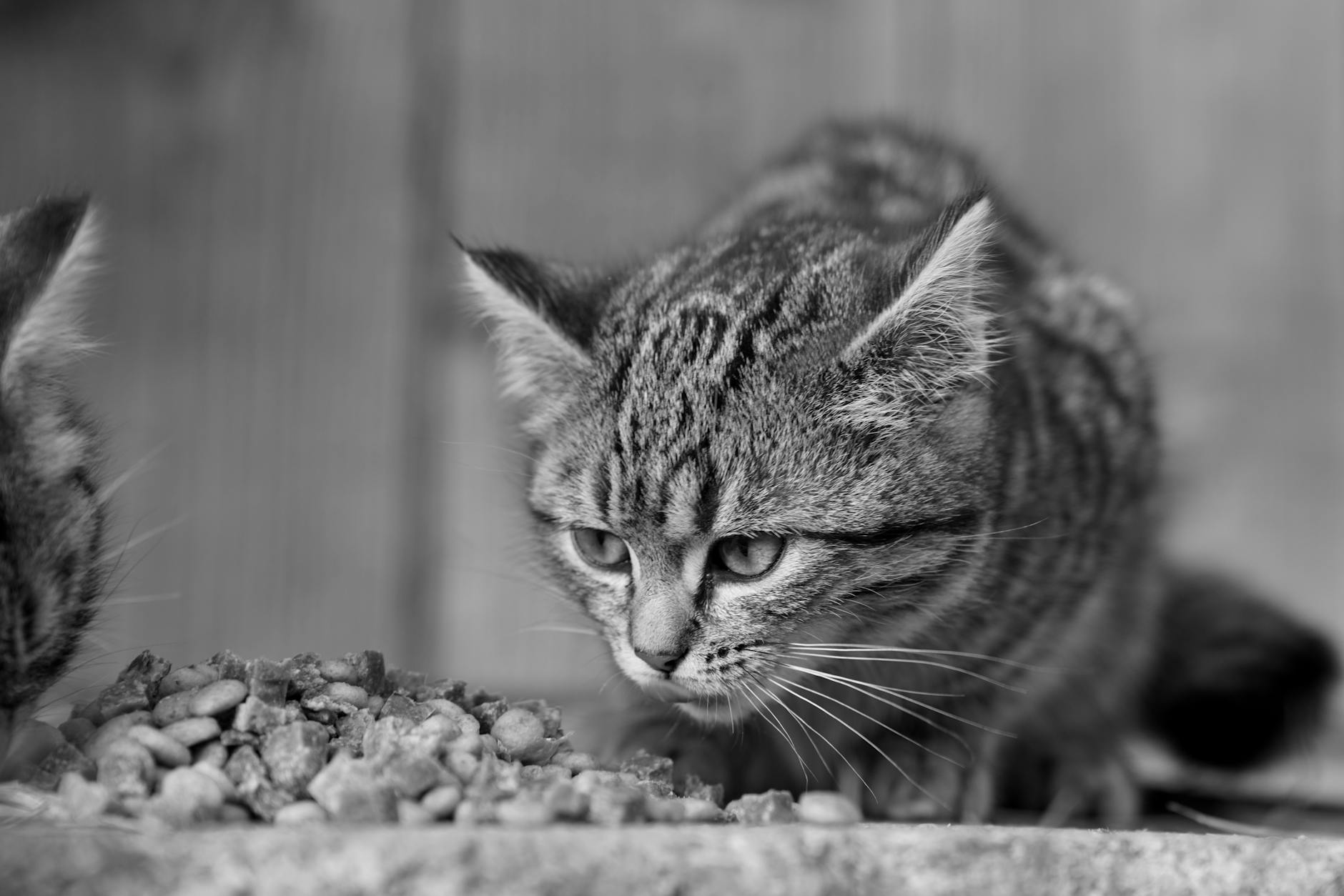
Lobster offers certain nutritional advantages when evaluated as an occasional protein source for cats. A three-ounce serving of cooked lobster contains approximately 17 grams of protein with less than one gram of fat, making it a lean protein option. The meat provides zinc for immune function, selenium for thyroid health, and vitamin B12 for neurological function—all nutrients cats require in their diet. Omega-3 fatty acids present in lobster support coat health and may reduce inflammatory responses in cats with certain conditions. However, lobster should never constitute a significant portion of a cat’s regular diet due to several nutritional limitations. The sodium content in lobster measures notably higher than in many other protein sources, with a three-ounce serving containing over 400 milligrams of sodium.
Cats require only about 21 milligrams of sodium per day, meaning even a small amount of lobster contributes substantially to their daily intake. Cats with kidney disease, heart conditions, or hypertension face particular risks from this sodium load and should avoid lobster entirely. The amino acid profile of lobster, while adequate for humans, does not match the specific requirements of feline nutrition. Cats need taurine in specific quantities to maintain heart function and vision, and while lobster contains some taurine, the levels do not compare to those found in heart, liver, or commercial cat foods formulated to meet feline requirements. Relying on lobster as a primary protein source would create deficiencies over time, even if the cat appeared to thrive initially. This limitation places lobster firmly in the treat category rather than the staple food category.
Parts of Lobster Cats Should Never Consume
The shell, claws, legs, and cartilage of a lobster pose choking hazards and can cause internal injuries if swallowed by a cat. Unlike the meat, these hard components do not break down easily during digestion and can create obstructions in the esophagus or intestinal tract. A cat that manages to crunch through a piece of shell may develop sharp fragments that lacerate the stomach lining or intestinal walls as they pass through the digestive system. Emergency veterinary intervention becomes necessary when shell fragments cause blockages or perforations. The tomalley, which functions as the lobster’s liver and pancreas, concentrates toxins and pollutants absorbed from the lobster’s environment throughout its life. Marine pollutants, heavy metals, and in some regions, paralytic shellfish poisoning toxins accumulate in this greenish substance. While some humans consider tomalley a delicacy, feeding it to a cat introduces concentrated toxins into a much smaller body with less capacity to process them. The FDA has issued warnings about tomalley consumption even for humans during certain algae bloom periods, making it an unwise choice for feline consumption regardless of season. Lobster roe presents a milder concern but still warrants avoidance. The eggs contain higher fat content than the meat and may carry bacteria if the lobster was not handled properly before cooking.
For a cat owner determining which parts of a leftover lobster to share, the answer remains simple: plain tail meat or claw meat only, with everything else disposed of securely to prevent the cat from scavenging. ## How to Safely Prepare Lobster for Your Cat The safest preparation method for cat-friendly lobster involves steaming or boiling the crustacean in plain water with no added salt, then removing all shell material and serving a small portion of meat at room temperature. Steaming preserves more nutrients than boiling and avoids the sodium increase that occurs when lobster absorbs salted cooking water. A cat owner planning to share lobster should set aside a small portion before adding any seasonings or butter to the human servings. Grilled or baked lobster preparations typically involve oils, butter, or seasoning rubs that make the meat unsuitable for feline consumption. The comparison between a piece of lobster simply steamed versus one prepared with a typical restaurant-style butter bath shows a dramatic difference in fat and sodium content. What tastes delicious to humans becomes potentially harmful to cats, a tradeoff that requires cat owners to prioritize their pet’s health over the convenience of sharing their own prepared food. Portion control matters as much as preparation method. A teaspoon-sized amount of lobster meat offers a cat the experience of a special treat without overwhelming their system with an unfamiliar protein. First-time offerings should be especially small to allow observation for any allergic reactions or digestive upset. Waiting 24 hours before offering lobster again allows any delayed reactions to manifest, giving cat owners information about their individual pet’s tolerance before increasing serving sizes.
Signs of Allergic Reactions and Shellfish Sensitivity in Cats
Shellfish allergies occur in cats just as they do in humans, though they often go unrecognized because cat owners may not connect symptoms with the seafood consumed hours earlier. Symptoms of an allergic reaction to lobster include excessive scratching, red or inflamed skin, hair loss at scratch sites, vomiting, diarrhea, and facial swelling. These reactions can appear within minutes of consumption or develop over several hours, making the connection to lobster less obvious when symptoms emerge the following day. Cats that have never consumed shellfish carry unknown allergy status, creating a small risk with every first exposure. A cat with no prior issues eating fish might still react severely to lobster because the allergen proteins differ between fish and crustaceans.
This limitation means that fish tolerance provides no guarantee of shellfish tolerance, and cat owners should treat lobster as a new food introduction regardless of their cat’s seafood history. Severe allergic reactions require immediate veterinary attention. Symptoms including difficulty breathing, extreme lethargy, collapse, or rapid swelling of the face or throat indicate anaphylaxis, a life-threatening response requiring emergency treatment. While severe reactions remain rare, cat owners should know the location of their nearest emergency veterinary clinic before offering any new protein source. The warning applies particularly to cats with existing food sensitivities or those that have shown reactions to other novel proteins in the past.
Comparing Lobster to Other Seafood Options for Cats
When evaluating protein treats for cats, lobster occupies a middle ground between safer options and riskier choices. Plain cooked shrimp offers similar protein benefits with lower sodium content and easier portion control due to smaller individual pieces. Salmon provides superior omega-3 fatty acid content but carries concerns about mercury accumulation and thiaminase in raw preparations. Canned tuna, while popular among cats, presents the highest risk in the seafood category due to mercury levels, sodium content in commercial preparations, and the potential for causing addiction-like preference behaviors. Lobster costs significantly more than other seafood options without offering proportionally greater nutritional benefits for cats.
A cat cannot distinguish between a five-dollar-per-pound fish and a thirty-dollar-per-pound lobster based on taste or nutritional impact. Cat owners seeking to provide seafood treats might find better value in quality canned sardines packed in water, which deliver omega-3 fatty acids, lower mercury exposure due to the small fish size, and a price point that allows for more frequent treating without budget strain. The tradeoff between variety and safety favors offering cats a rotation of different approved proteins rather than focusing on any single seafood source. Rotating between chicken, fish, and occasional shellfish prevents both nutrient imbalances and the development of protein intolerances that can occur with repeated exposure to a single source. This approach allows lobster a place in the rotation without requiring the frequency that would make its higher sodium content problematic.

Lobster in Commercial Cat Foods and Treats
Several pet food manufacturers include lobster as an ingredient in premium cat food lines and treats, though the actual lobster content varies widely between products. Reading ingredient lists reveals that lobster often appears far down the list, indicating minimal presence despite prominent label placement. A product marketed as “lobster feast” might contain more chicken meal than actual lobster, using the crustacean primarily as a flavor agent rather than a primary protein source.
Commercial lobster-flavored treats undergo processing that typically reduces the sodium concerns present in fresh lobster while maintaining flavor appeal for cats. These products offer a safer alternative to sharing human-prepared lobster because manufacturers formulate them with feline nutritional requirements in mind. For cat owners who want to satisfy their pet’s interest in lobster without the preparation concerns, commercial options provide a middle ground—though reading labels for quality ingredients remains essential regardless of marketing claims.
Long-Term Considerations for Feeding Seafood to Cats
The question of lobster safety extends beyond single servings to consider cumulative effects over a cat’s lifetime. Regular seafood consumption, including lobster, contributes to overall sodium and mercury intake that accumulates in body tissues over years. A young cat with healthy kidneys processes excess sodium efficiently, but that same cat at age fifteen with declining kidney function may suffer consequences from years of slightly elevated sodium intake.
Planning treats with a cat’s entire lifespan in mind favors moderation from the beginning rather than restriction only after health problems emerge. Environmental considerations also enter the equation for owners concerned about sustainability. Lobster fisheries face varying levels of sustainability depending on region and harvesting methods, and cats obviously consume products their owners purchase. While this concern falls outside the direct scope of feline health, it reflects the broader context in which feeding decisions occur for environmentally conscious pet owners.
Conclusion
Lobster can serve as a safe occasional treat for most healthy adult cats when prepared properly and served in appropriate portions. The requirements for safety remain consistent: fully cooked meat only, no shell or internal organs, no butter or seasonings, and quantities limited to small bites rather than substantial portions. Understanding these parameters allows cat owners to share special occasions with their pets without creating health risks.
Cat owners should approach lobster as they would any novel protein—with caution, observation, and moderation. Starting with tiny portions, watching for reactions, and keeping frequency low protects cats while still allowing them to experience variety in their diet. For cats with existing health conditions, particularly kidney or heart problems, consulting a veterinarian before offering any shellfish provides an additional layer of protection. With these precautions in place, the question of lobster safety resolves into a manageable set of guidelines rather than a simple prohibition.