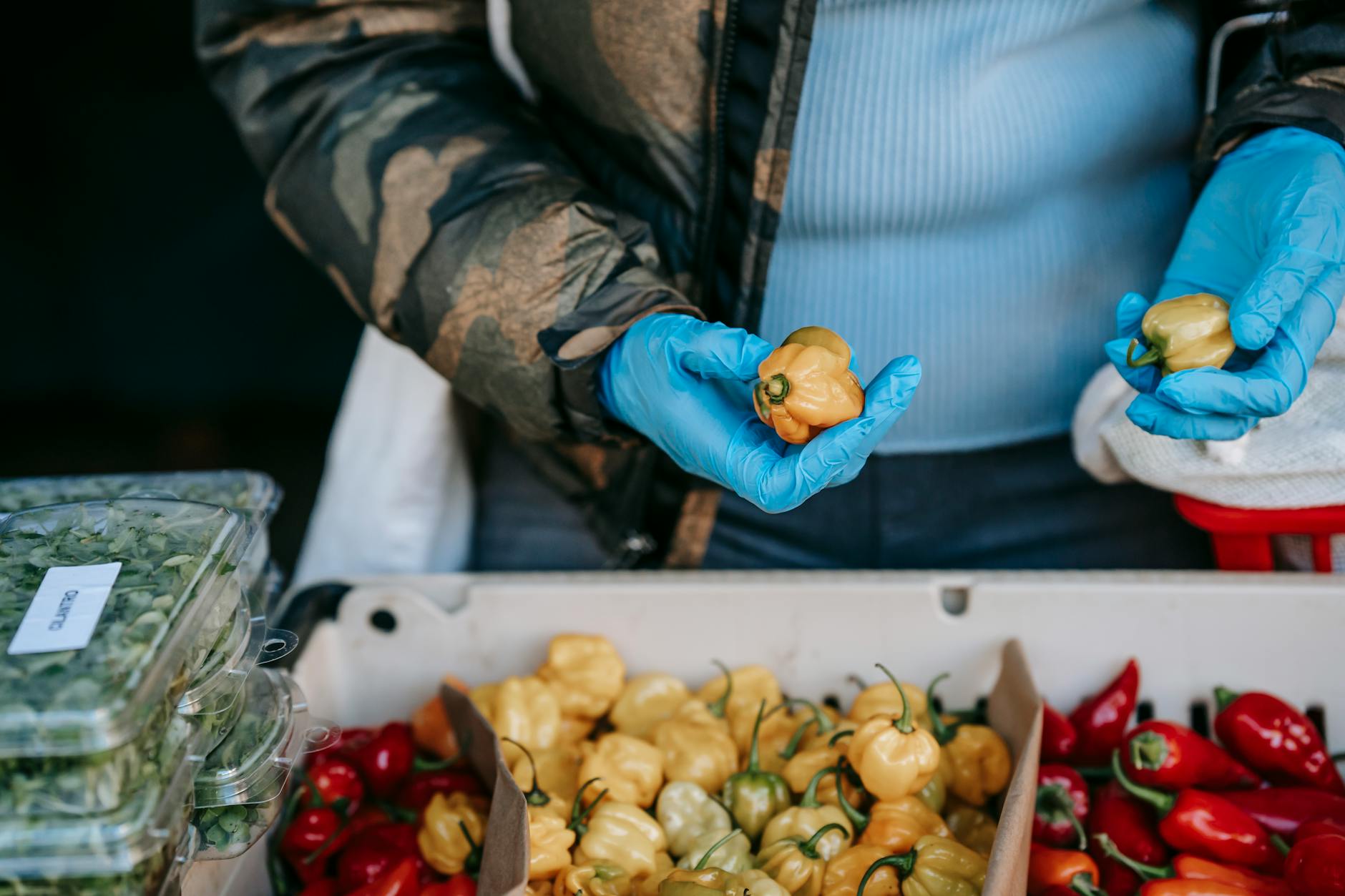
Pepper is not safe for cats and should be kept away from your feline companion. While small accidental exposures to black pepper are unlikely to cause serious harm, the spice can irritate a cat’s mouth, throat, and digestive system, and it offers no nutritional benefit to cats. The concern is more acute with spicy pepper varieties like cayenne or chili peppers, which contain capsaicin—a compound that causes burning sensations and can trigger respiratory distress in cats.
If your cat has eaten pepper or you’re worried about their exposure to spiced foods, understanding what happens and when to seek help is important. This article covers the types of pepper that pose risks to cats, what happens when cats ingest pepper, how to prevent accidental exposure, and what safe alternatives exist if you want to add flavor to your cat’s diet. We’ll also address what to do if your cat has eaten pepper and when symptoms warrant a veterinary visit.
Table of Contents
- What Types of Pepper Are Toxic to Cats?
- Why Pepper Irritates Cats’ Digestive and Respiratory Systems
- What Happens If Your Cat Accidentally Eats Pepper?
- Safe Flavor Alternatives for Cats
- Recognizing Pepper-Related Symptoms and When to Seek Help
- Pepper in Common Human Foods Your Cat Might Access
- Creating a Cat-Safe Kitchen and Home Environment
- Conclusion
What Types of Pepper Are Toxic to Cats?
Not all peppers carry the same level of risk. Black pepper, the most common household variety, is relatively mild in its effect on cats and usually causes only minor irritation if ingested in small amounts. However, hot peppers like cayenne, jalapeño, habanero, and Thai peppers are significantly more dangerous because they contain capsaicin in high concentrations. Capsaicin is an alkaloid compound that produces a burning sensation and can cause serious irritation to mucous membranes.
Even bell peppers, which are technically fruits and not true peppers, contain compounds that some cats find irritating, though they’re far less problematic than their spicy cousins. The risk level depends on the amount consumed and the specific type of pepper. A cat that licks a tiny amount of black pepper off your kitchen counter will likely experience nothing more than a sneeze or mild mouth irritation. But a cat that eats a significant portion of hot pepper could develop respiratory issues, drooling, vomiting, and gastrointestinal upset. This is why hot peppers used in cooking—particularly those in dishes with oils or sauces that can concentrate the capsaicin—pose a much greater hazard than whole peppercorns sitting in a spice jar.
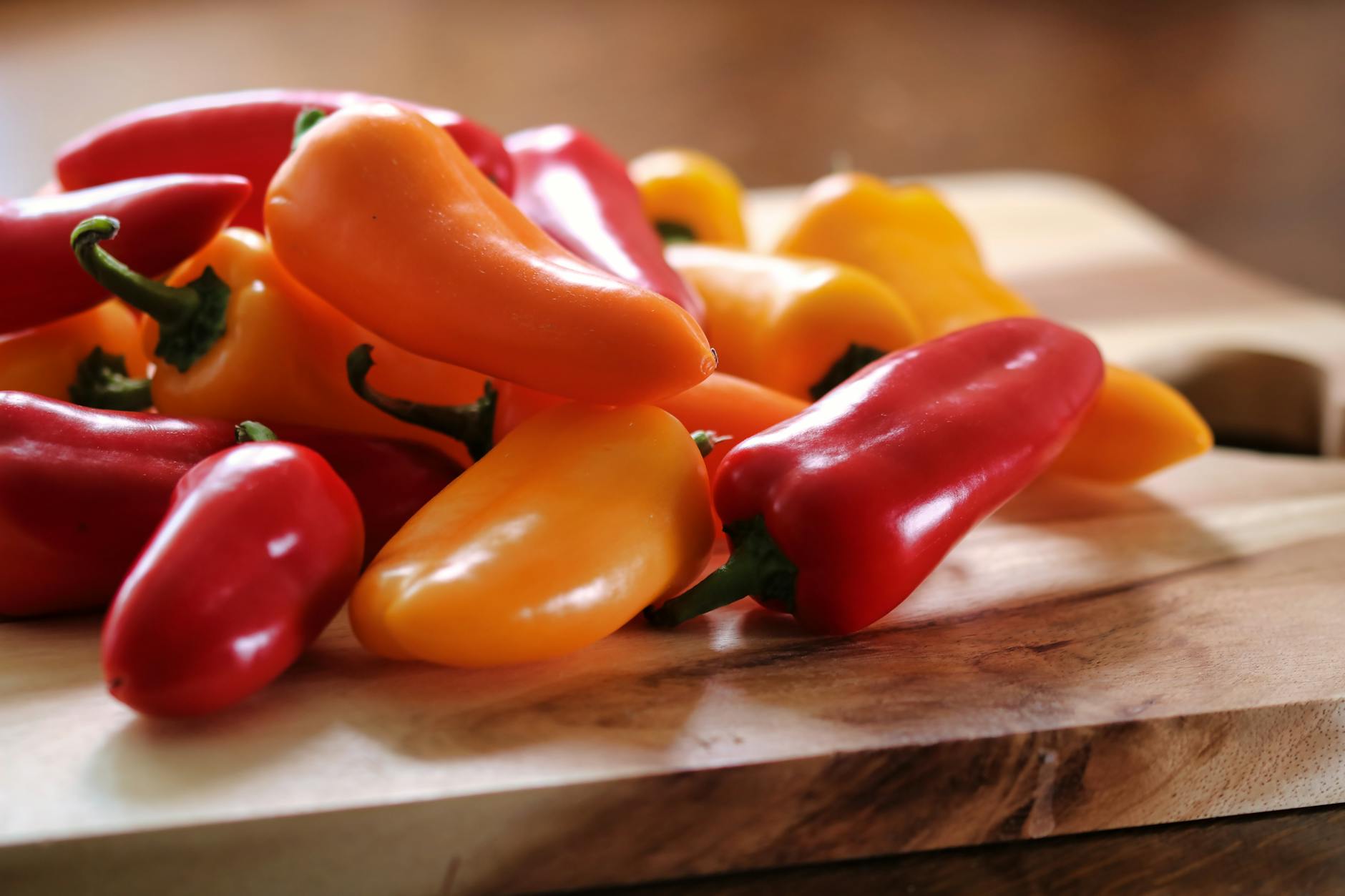
Why Pepper Irritates Cats’ Digestive and Respiratory Systems
cats lack certain taste receptors that humans have, which means they can’t even detect the “heat” of pepper the way we do. However, their digestive tract and respiratory system are far more sensitive to irritants than ours. When a cat ingests pepper, capsaicin and other volatile compounds irritate the delicate mucous membranes lining the mouth, esophagus, stomach, and intestines. This irritation triggers inflammation and can cause burning sensations that lead to drooling, difficulty swallowing, or nausea.
The respiratory irritation happens when cats breathe in pepper particles or volatile oils from spicy foods. Their nasal passages and lungs, which are smaller and more sensitive than human anatomy, react strongly to these irritants. A cat exposed to airborne pepper particles might sneeze repeatedly, wheeze, or show signs of respiratory distress. For cats with pre-existing respiratory conditions like asthma, even minor pepper exposure could trigger a serious episode. Additionally, the gastrointestinal irritation can lead to vomiting or diarrhea within hours, which is uncomfortable and can lead to dehydration if severe.
What Happens If Your Cat Accidentally Eats Pepper?
If your cat has eaten a small amount of black pepper or mild spice, the most likely outcome is minor irritation with minimal symptoms. Your cat might sneeze, shake their head, or drool slightly, then move on. However, you should monitor them for the next few hours to watch for any escalating signs. Keep an eye out for excessive drooling, vomiting, diarrhea, or signs of respiratory distress like coughing or labored breathing.
If your cat has consumed hot pepper or a spicy food in significant quantity, contact your veterinarian. Bring information about what they ate, how much, and when it happened. Your vet can assess your cat’s condition and provide treatment if needed. In most cases of accidental mild pepper exposure, vets recommend monitoring at home with plenty of fresh water available and a bland diet for the next day or two. However, if your cat shows signs of severe distress—inability to breathe properly, repeated vomiting, or extreme lethargy—seek emergency veterinary care immediately.
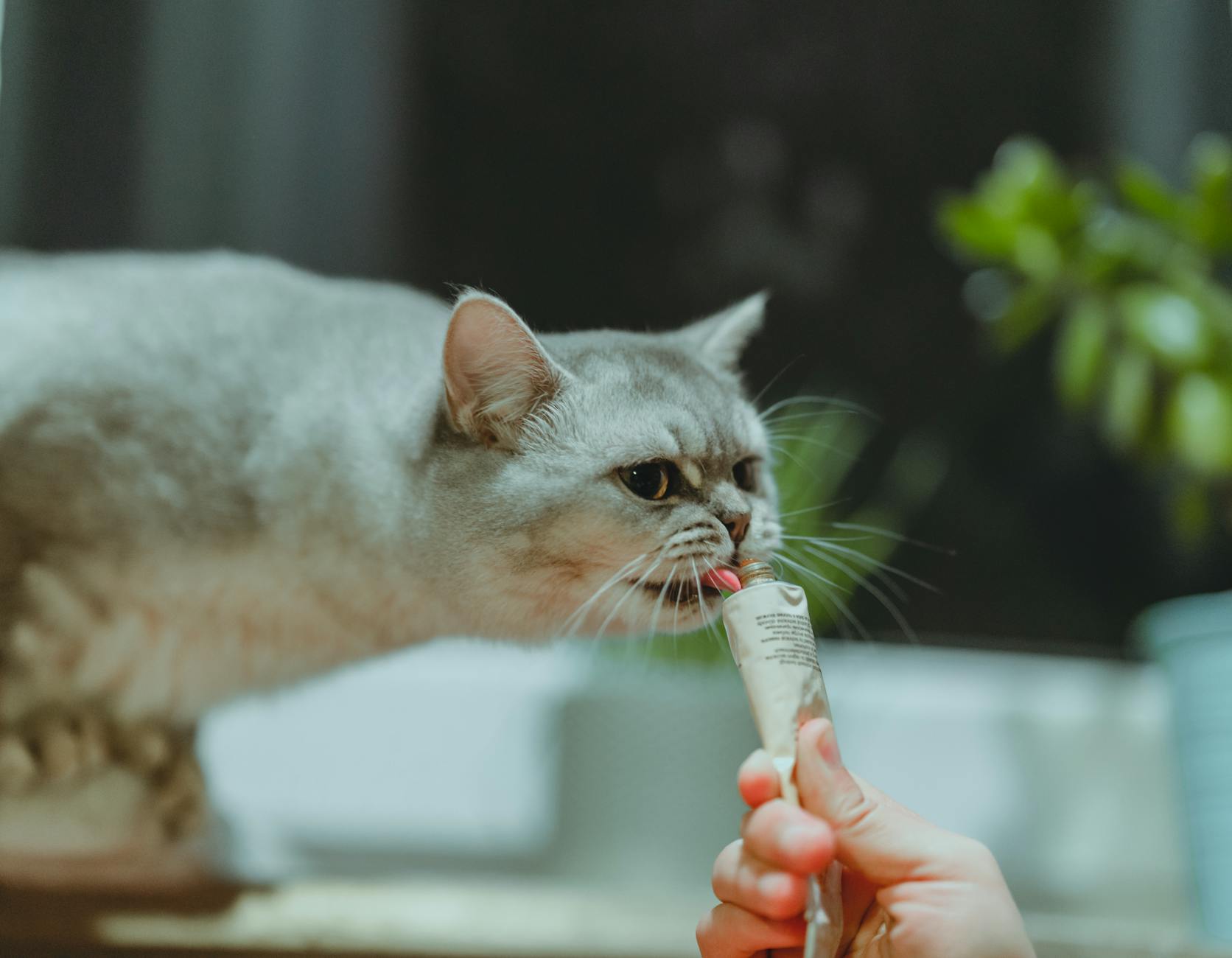
Safe Flavor Alternatives for Cats
If you want to add appealing flavors to your cat’s meals, there are safe options that don’t involve spices. Cats naturally enjoy the taste of fish, poultry, and meat broth, and you can enhance their regular food with small amounts of low-sodium chicken or fish broth. These additions provide flavor without any irritants and can be especially helpful for older cats or picky eaters. Wet food itself often contains adequate flavoring agents that are cat-safe, so adding extra seasoning isn’t usually necessary.
Some pet owners use cat-safe herbs like a tiny amount of catnip or silvervine to make meals more interesting, and these can provide enrichment without digestive risk. However, the comparison between these options and spices is clear: safe alternatives work by appealing to your cat’s natural preferences, while spices like pepper work through irritation. Your cat doesn’t need flavor enhancement from seasonings—they thrive on appropriate protein and nutrients. Focus on providing high-quality cat food formulated for their nutritional needs rather than trying to make feline meals taste like human food.
Recognizing Pepper-Related Symptoms and When to Seek Help
Symptoms of pepper ingestion in cats can appear within minutes to a few hours. Early signs include excessive drooling, mouth pawing, head shaking, or repeated sneezing. Your cat might refuse to eat or drink because the irritation makes swallowing uncomfortable. As the irritation progresses, you might observe vomiting, diarrhea, or abdominal discomfort shown through crouching or vocalization.
Respiratory symptoms like coughing, wheezing, or rapid breathing indicate more serious irritation and require veterinary attention. The challenge with pepper exposure is that symptoms can be mild enough to seem manageable at home, but severe enough to warrant professional evaluation. If your cat has consumed a known quantity of hot pepper, don’t wait for symptoms to develop—contact your vet proactively. If your cat is experiencing multiple symptoms (vomiting plus diarrhea plus respiratory changes), or if symptoms persist beyond a few hours, seek veterinary care. Kittens, senior cats, and cats with existing health conditions are at higher risk for complications and should receive veterinary evaluation even after minor pepper exposure.
Pepper in Common Human Foods Your Cat Might Access
One often-overlooked source of pepper exposure is human foods and seasonings that contain pepper as an ingredient. Pizza, spicy pasta sauces, Thai food, Indian dishes, seasoned meats, and even some commercial pet treats contain pepper or related spices. If your cat jumps on the counter while you’re preparing dinner or investigates your takeout containers, they could ingest pepper without you realizing it. Garlic powder, onion powder, and chili powder—common seasoning companions to pepper—are actually more toxic to cats than pepper itself and can cause additional damage.
Be especially cautious with hot sauces, sriracha, and curry pastes, which combine pepper with other irritants and toxic ingredients. Even a small lick of hot sauce can cause significant discomfort in a cat. Store these foods and seasonings securely, and clean surfaces thoroughly after cooking with spices. If you use black pepper in your cooking, wash your hands before petting your cat, as residual pepper oils can transfer to their fur and cause irritation when they groom themselves.
Creating a Cat-Safe Kitchen and Home Environment
The best approach to pepper safety is prevention. Keep all pepper varieties, hot sauces, and spiced foods stored securely where your cat cannot access them. This means putting spice jars in high cabinets rather than on open shelves or countertops. Use childproof locks on low cabinets if your cat is particularly curious or persistent about exploring. When cooking with pepper, ensure adequate ventilation so volatile compounds don’t accumulate in the air your cat breathes.
If you’re cooking something especially spicy, consider keeping your cat in another room during food preparation and while eating. As you create your cat-safe environment, remember that prevention is significantly easier and safer than managing accidental exposure. Your cat doesn’t seek out pepper or spicy foods intentionally—they typically encounter them only through human error or curiosity. By being mindful about food storage and preparation, you eliminate a category of potential household hazard entirely. This approach extends to educating any visitors, houseguests, or family members who might inadvertently give your cat spiced foods thinking they’re providing a treat.
Conclusion
Pepper is not safe for cats, and both black pepper and hot peppers should be kept away from your feline companion. While small accidental exposures to mild pepper might cause nothing more than temporary irritation, hot peppers and spiced foods pose real risks to your cat’s respiratory and digestive health. By understanding which foods and spices are problematic, recognizing the symptoms of pepper exposure, and maintaining a cat-safe kitchen, you can easily prevent this hazard.
Your cat thrives on appropriate, unseasoned nutrition formulated specifically for feline health. If your cat has accidentally ingested pepper and shows any concerning symptoms, contact your veterinarian for guidance. For questions about your cat’s diet or safe food options, your vet is your best resource for personalized advice based on your cat’s age, health status, and individual needs.