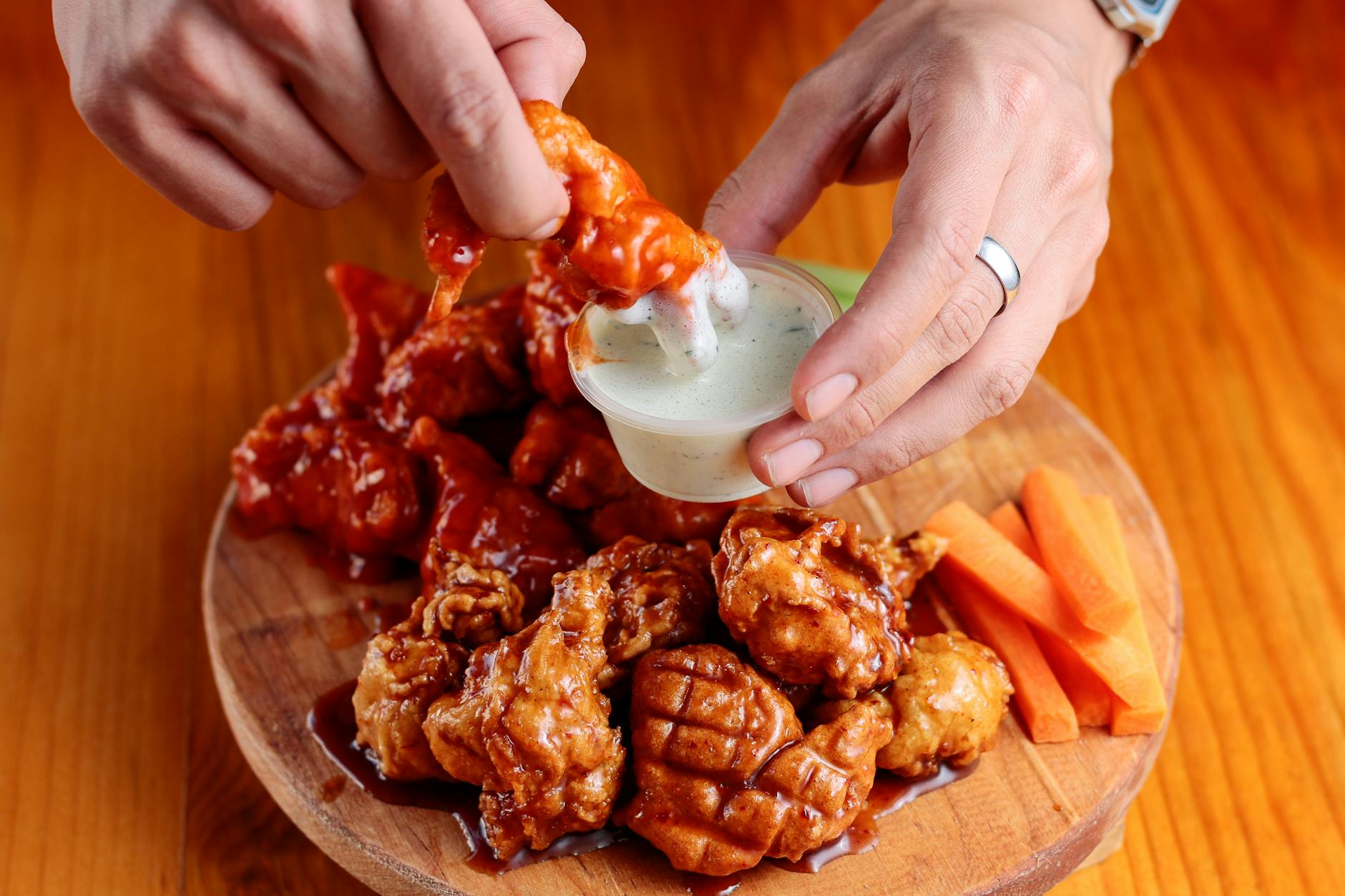
No, cats should not eat spicy food. Unlike humans, cats lack the taste receptors to appreciate spice and experience only pain and discomfort from capsaicin, the compound in chili peppers and hot foods.
Even small amounts can cause digestive upset, mouth irritation, and distress in your cat. For example, if your cat steals a bite of spicy curry or hot sauce, it may experience drooling, vomiting, and diarrhea within hours. This article explains why spicy foods are problematic for cats, what happens if they’re accidentally exposed, which common foods contain hidden spices, and how to keep your cat safe while exploring their food preferences.
Table of Contents
- Why Cats Lack the Ability to Taste Spice Like Humans Do
- How Spicy Foods Damage a Cat’s Digestive System
- Specific Spices and Foods to Avoid in Your Cat’s Diet
- What to Do If Your Cat Accidentally Eats Spicy Food
- Common Misconceptions and Hidden Spicy Foods in Your Home
- Safe Flavor Alternatives for Enriching Your Cat’s Meals
- Building Healthy Eating Habits and Preventing Food Accidents
- Conclusion
- Frequently Asked Questions
Why Cats Lack the Ability to Taste Spice Like Humans Do
cats evolved as obligate carnivores with taste preferences completely different from humans. While human taste buds include receptors for five basic tastes—sweet, salty, sour, bitter, and umami—cats experience only salty, sour, bitter, and umami. They cannot taste sweetness at all, and more importantly, they don’t have pain receptors in their mouth that respond to capsaicin in the way humans do. This means spice isn’t a flavor experience for cats; it’s a burning sensation they find alarming and unpleasant.
When a cat encounters spicy food, their mouth and throat perceive intense heat without any accompanying flavor reward. Where a human might enjoy the complex heat and flavor profile of a jalapeño-based dish, a cat only feels pain. This neurological difference explains why cats will typically avoid spicy foods instinctively—they’ve learned from the first uncomfortable experience that certain foods cause suffering rather than pleasure. Offering spicy food to a cat isn’t sharing a culinary experience; it’s subjecting them to unnecessary pain.
How Spicy Foods Damage a Cat’s Digestive System
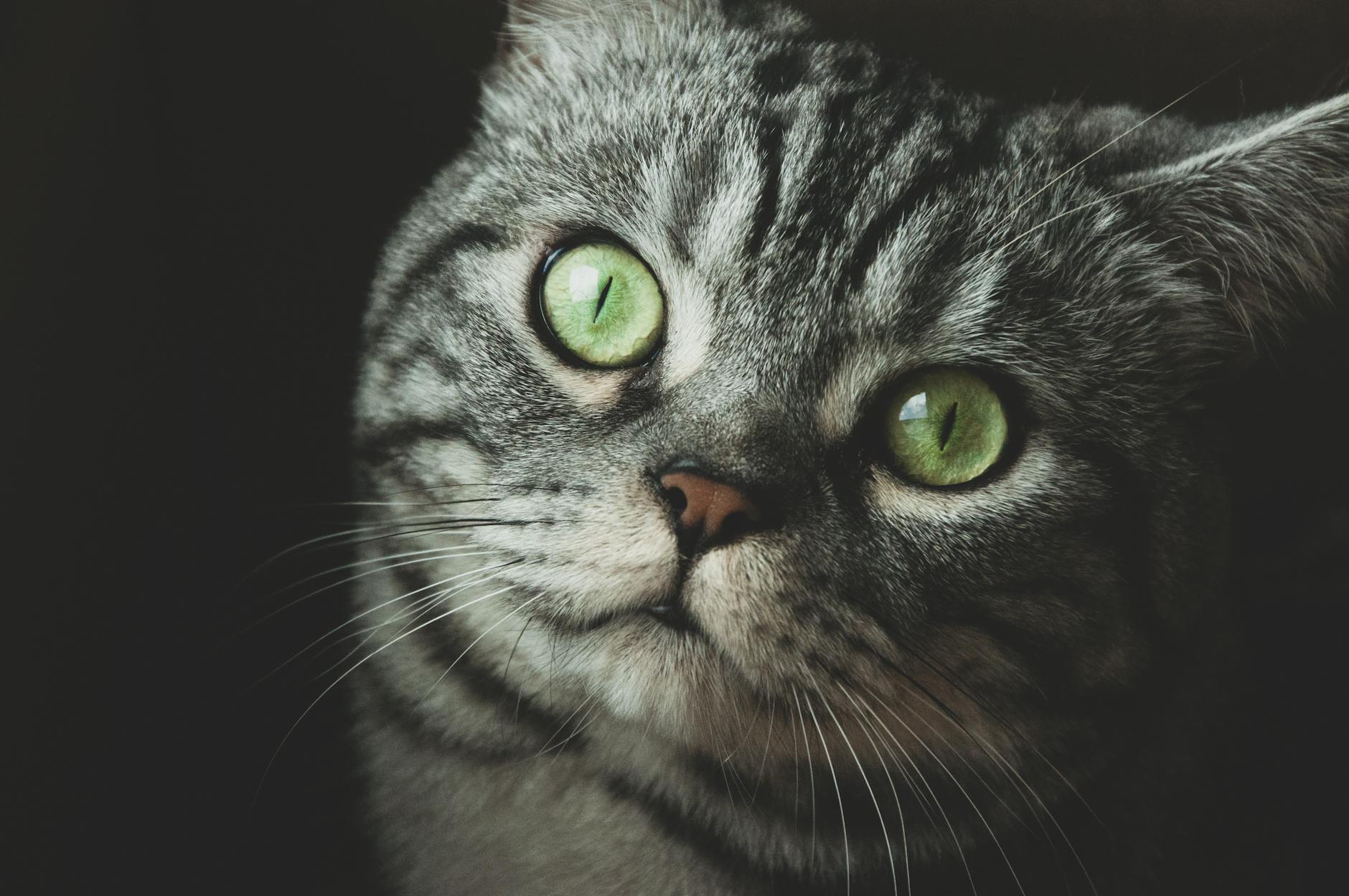
Beyond the immediate burning sensation in the mouth, spicy foods can cause significant digestive damage in cats. A cat’s stomach lining is more sensitive than a human’s, and capsaicin irritates the entire gastrointestinal tract. This irritation leads to vomiting, abdominal pain, and diarrhea, which can last for several hours or even days depending on the amount consumed and the cat’s sensitivity. Repeated exposure to spicy foods can cause chronic inflammation in the stomach and intestines.
However, if your cat accidentally licks a small amount of salsa off a plate or eats a tiny piece of spicy food, the consequences are typically limited to mild stomach upset rather than a veterinary emergency. The severity depends on the amount consumed, the concentration of capsaicin, and your individual cat’s digestive sensitivity. Kittens and senior cats are more vulnerable to gastrointestinal distress than healthy adult cats, so they require even more protection from spicy foods. If your cat shows signs of vomiting, diarrhea, or loss of appetite after eating spicy food, contact your veterinarian, especially if symptoms persist longer than 24 hours.
Specific Spices and Foods to Avoid in Your Cat’s Diet
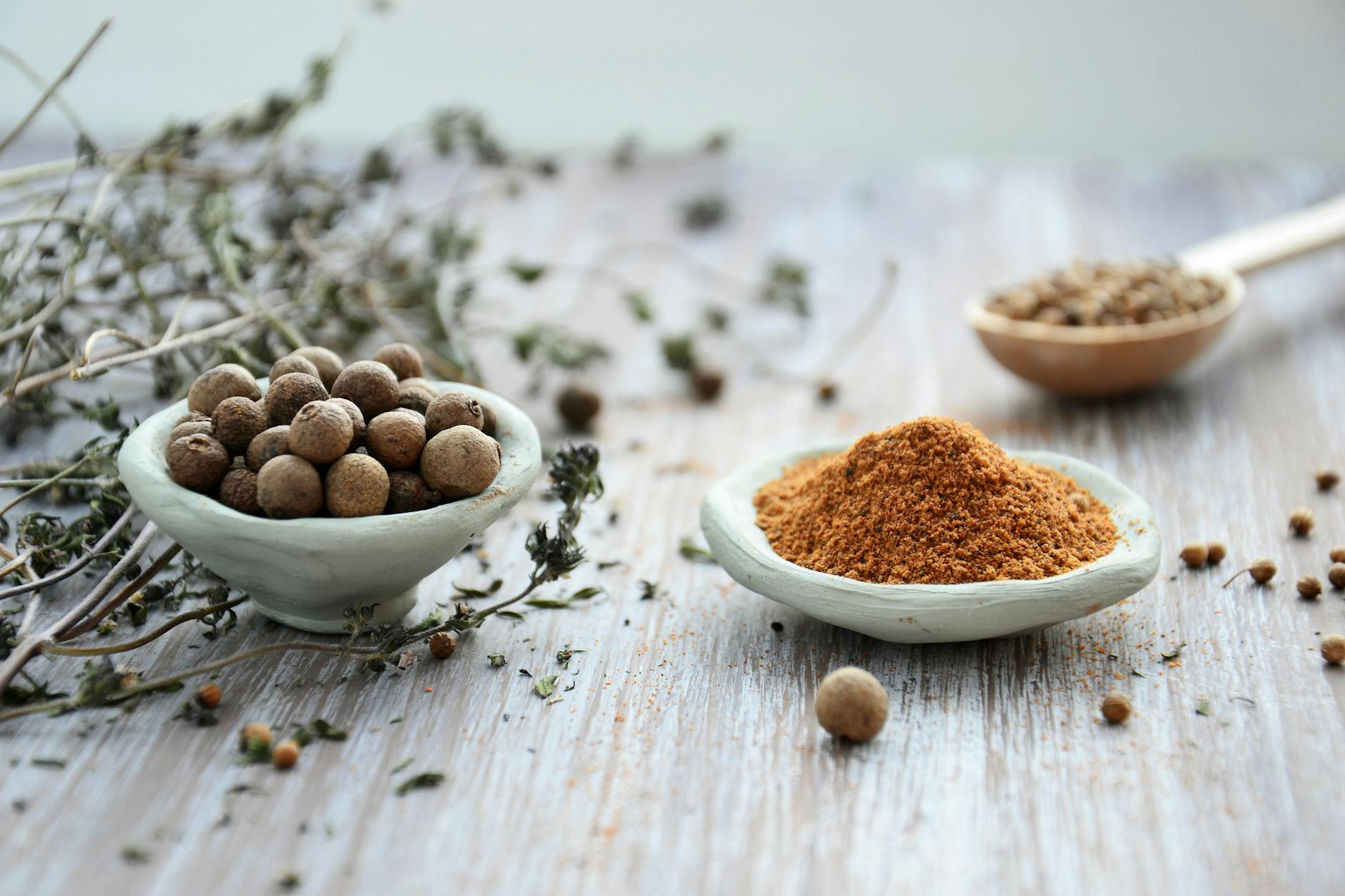
Many everyday human foods contain spices that are unsafe for cats. Chili peppers, cayenne, black pepper (in large quantities), garlic, onion, and some curry powders are particularly problematic. Indian takeout, Mexican dishes with jalapeños or habaneros, Thai curries, and spicy Asian stir-fries all pose risks if your cat gains access. Even seemingly mild foods like certain brands of hot sauce, buffalo wings, or spicy chicken seasoning can cause problems because the concentration of capsaicin is high in these preparations.
Some spices like garlic and onion are dangerous for cats for reasons beyond irritation—they contain compounds that damage feline red blood cells and can cause hemolytic anemia if consumed in significant quantities. A single exposure to a tiny amount of garlic powder won’t cause acute anemia, but it’s still best avoided entirely. Interestingly, plain black pepper in small amounts (like a few grains) is unlikely to cause serious harm, but it can irritate the mouth and stomach, so there’s no reason to allow any exposure. The safest approach is to assume all spices beyond salt are off-limits for cats and keep all seasoned human food away from your pet.
What to Do If Your Cat Accidentally Eats Spicy Food
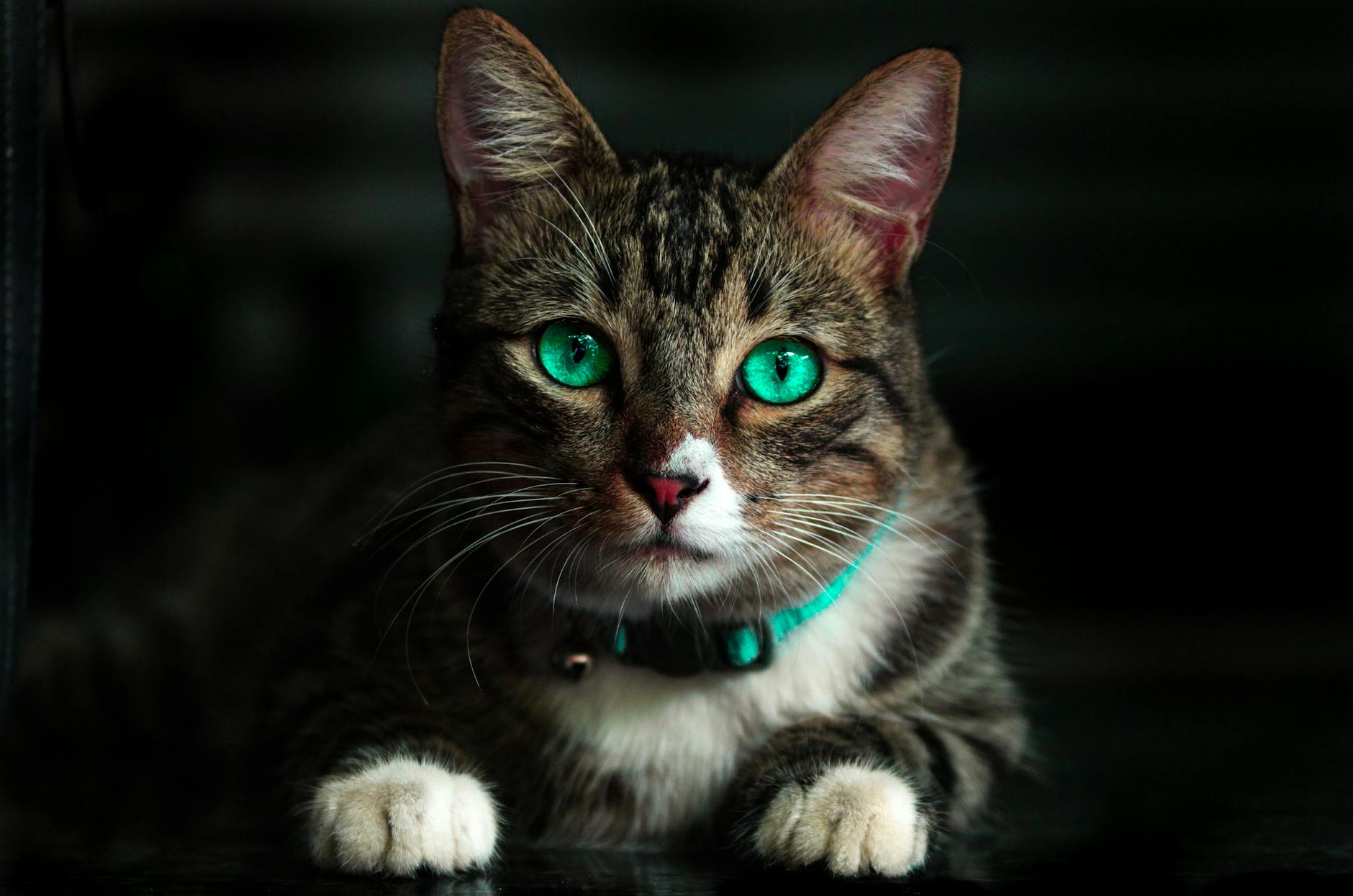
If your cat eats a small amount of spicy food, the first step is to remain calm and observe them closely for the next 24 hours. Offer fresh water and their normal food to help dilute any irritation and provide comfort. Most cases of mild spicy food exposure resolve on their own as the digestive system processes and eliminates the irritant. However, you should contact your veterinarian immediately if your cat shows signs of severe distress, including repeated vomiting, signs of abdominal pain (hunched posture, excessive vocalization), or refusal to eat beyond the initial 2-3 hours after exposure.
Prevention is far more effective than treatment, so the best response is simply to ensure spicy foods never reach your cat in the first place. This means being mindful during meals, storing leftovers securely, and reminding guests not to share their food with your cat. If you cook with strong spices like garlic or onion, ensure your cat is in another room and cannot access preparation surfaces or trash where scraps might accumulate. Setting clear boundaries around your cat’s diet actually strengthens your bond—your cat learns that you’re the source of safe, appropriate food rather than a source of pain.
Common Misconceptions and Hidden Spicy Foods in Your Home
Many cat owners unknowingly expose their cats to spices through seemingly innocent foods. Plain crackers often contain garlic powder, deli meats and sausages are frequently seasoned with paprika and other spices, certain brands of cat treats contain ingredients that approximate human spices, and pizza with any toppings beyond cheese carries spice risks. Some cat owners believe that because their cat is carnivorous, seasoned meats are appropriate; this is a dangerous misconception. The seasoning is the problem, not the base ingredient.
Another common mistake is assuming that because a cat walked away from a spicy food once, they’ve learned their lesson and don’t need to be protected from it. In reality, cats may eat something unpleasant due to hunger, curiosity, or distraction, then suffer the consequences. Your job is to prevent the situation entirely rather than rely on your cat’s judgment. Additionally, some owners think that a tiny lick of hot sauce or a minuscule piece of spicy food is “fine” because the cat is larger than a mouse or small animal. While a single tiny exposure is unlikely to cause severe harm, it normalizes sharing your food and creates opportunities for accidental larger exposures.
Safe Flavor Alternatives for Enriching Your Cat’s Meals
If you want to add interest to your cat’s meals, there are safe approaches that don’t involve spices. Plain boneless, skinless chicken or turkey can be mixed with regular cat food to provide variety and improve palatability. Cooked, unseasoned fish like salmon or cod offers omega-3 fatty acids and enrichment through texture and aroma.
Small amounts of plain cooked pumpkin (not pumpkin pie filling, which contains sugar and spices) can aid digestion and add novelty to meals without any safety concerns. Some cats enjoy the crunch and flavor of raw or cooked green beans, plain carrots, or a small amount of cantaloupe, though these should never replace their primary diet. The key is introducing any new food slowly and in small quantities to watch for digestive upset, and always keeping treats to no more than 10% of daily caloric intake. If you want to bond with your cat through food experiences, focus on providing variety in appropriate foods rather than trying to share your own spiced dishes.
Building Healthy Eating Habits and Preventing Food Accidents
Creating boundaries around your cat’s diet establishes good habits that protect their health long-term. Train your cat from kitten-hood that human food is not an available option by consistently refusing to share and redirecting their attention to cat-appropriate treats or toys when they beg. This prevents the food-seeking behavior that leads to accidental exposure to dangerous items like spicy foods. Feeding your cat in a separate space from your own meals further reinforces this boundary and allows you to eat with peace of mind.
As your cat ages and your household circumstances change, remain vigilant about food access. A kitten might not jump on a high counter, but an adult cat will. Guests and visiting children may not understand why they shouldn’t share their snacks with your cat. Regular reminders to family members and a consistent policy of storing food safely help prevent lapses. The goal isn’t to prevent your cat from enjoying food—it’s to ensure they enjoy foods that are genuinely good for them rather than foods that cause pain or illness.
Conclusion
Spicy food poses no benefits and many risks for cats, from immediate mouth and stomach irritation to longer-term digestive inflammation. Cats lack the biological capacity to enjoy spice as a flavor and experience it only as pain, making any exposure harmful to their wellbeing. The best approach is prevention: keep all spicy and heavily seasoned foods away from your cat, educate family members and guests about safe boundaries, and focus instead on providing nutritional variety through safe, species-appropriate foods.
Your cat depends on you to make informed decisions about what enters their body. By understanding why spicy foods are unsafe and maintaining consistent boundaries around your cat’s diet, you’re protecting their health and strengthening your relationship based on trust and appropriate care. If your cat accidentally eats spicy food, monitor them closely and contact your veterinarian if symptoms persist or worsen.
Frequently Asked Questions
What should I do if my cat ate a small amount of spicy food?
Offer fresh water and monitor closely for the next 24 hours. Most mild exposures cause temporary discomfort that resolves on its own. Contact your vet if vomiting persists, your cat shows signs of abdominal pain, or they refuse to eat beyond the initial few hours.
Can cats taste spice at all?
No. Cats lack taste receptors for spice and experience only pain from capsaicin. They cannot taste heat the way humans do, so there’s no flavor enjoyment—only discomfort.
Is black pepper safe for cats?
Plain black pepper in tiny amounts is unlikely to cause serious harm, but it can irritate the mouth and stomach. There’s no benefit to feeding it to cats, so it’s best avoided entirely.
Are there any spices that are actually safe for cats?
Most common culinary spices should be avoided. If you want to add flavor to cat food, stick to plain cooked proteins or small amounts of plain vegetables. When in doubt, consult your veterinarian.
What if my cat regularly eats seasoned food without seeming sick?
Some cats may not show immediate signs of distress, but seasoned foods still irritate their digestive system and can cause chronic inflammation over time. Just because a cat doesn’t vomit immediately doesn’t mean the food is safe—it’s still causing harm.
Can I train my cat to tolerate spicy food?
No. Cats’ inability to taste spice and their negative response to capsaicin are biological facts that cannot be overcome through training. Training your cat to avoid spicy foods is the appropriate goal.