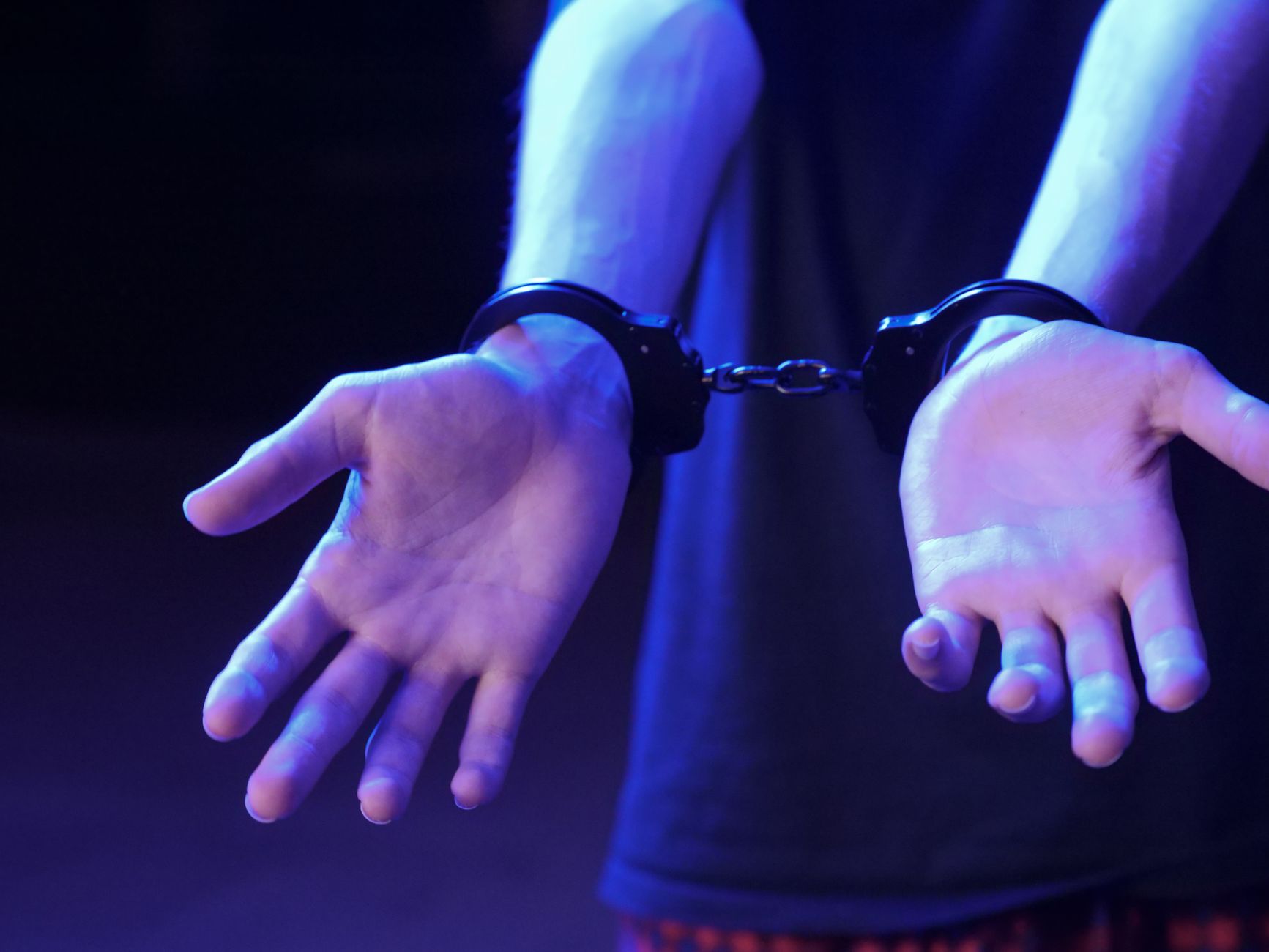
On July 13, 2026, a suspect was arrested in Beltsville, Maryland after stealing a three-month-old kitten named Magnolia from a Pet Supplies Plus store and then attempting to rob a nearby PNC Bank branch in the same shopping center. The kitten, a black-and-white tuxedo adopted from Beltsville Community Cats rescue, was recovered safely and unharmed, but the incident exposed vulnerabilities in how adoption areas are secured at retail pet stores and raised questions about the targeting of animals for criminal purposes. The crime unfolded across two locations in the Chestnut Hills Shopping Center on Baltimore Avenue.
After taking the kitten from the adoption area at Pet Supplies Plus using a key, the suspect crossed the parking lot to the bank branch where he asked a teller to hold Magnolia while he passed a note demanding cash. Police arrived within minutes and arrested him at the scene. No money was obtained in the robbery attempt, and the true victim—a small kitten with her entire life ahead of her—became an unwitting accessory to a serious federal crime.
Table of Contents
- How a Kitten Became Central to a Bank Robbery Attempt
- The Role of Rescue Organizations in Crisis Response
- Security Vulnerabilities in Retail Pet Adoption Programs
- Protecting Newly Adopted Kittens from Harm
- Understanding the Motivation Behind Animal Theft in Crime
- The Recovery and Ongoing Care for Magnolia
- What This Incident Reveals About Rescue Security Standards
How a Kitten Became Central to a Bank Robbery Attempt
The suspect’s behavior in the days leading up to the theft revealed a calculated targeting of Magnolia specifically. He had visited the Pet Supplies Plus location nearly every day for more than two weeks before the actual theft, consistently showing interest in the young kitten. This pattern of pre-planning suggests the kitten was not chosen randomly but was selected deliberately for this crime, making Magnolia a target for reasons unrelated to her welfare or adoptability.
Surveillance footage captured the suspect wearing a light-colored T-shirt and black beanie as he ran from the store with Magnolia in hand, moments after using a key to access the adoption area. The key access raises serious security concerns about how retail pet stores protect kittens and puppies on display. Unlike locked terrariums or cages in many pet stores, adoption areas in some locations rely on staff presence alone, making them vulnerable to someone with knowledge of store access points or keys. For a three-month-old kitten, being grabbed and taken from her safe environment by a stranger would have been traumatic, regardless of the suspect’s ultimate intentions.
The Role of Rescue Organizations in Crisis Response
Beltsville Community cats, the rescue organization responsible for placing Magnolia into the adoption program, became central to the recovery effort. Store employees called the rescue organization around 10:30 a.m. on July 13, alerting them to the theft immediately. This rapid communication between the retail partner and the rescue allowed authorities to track the kitten more effectively and ensure her safety became a priority alongside the criminal investigation.
Magnolia was found safe and unharmed in the bank manager’s office after police apprehended the suspect, a testament to both her resilience and the quick response of law enforcement. However, rescue organizations like Beltsville Community Cats typically lack formal law enforcement training or authority, meaning they rely entirely on police to respond to theft situations. This creates a gap in protection for vulnerable animals in adoption programs. The rescue later described Magnolia as a “true purr machine,” suggesting her friendly temperament likely protected her during the ordeal, but not all kittens would handle such trauma as well.
Security Vulnerabilities in Retail Pet Adoption Programs
The incident at Pet Supplies Plus exposes a critical weakness in how retail stores protect animals placed by rescue organizations. Most adoption programs operate on the assumption that kittens will be viewed, held, and interacted with by potential adopters during business hours, requiring open and accessible adoption areas. This necessary openness creates an obvious security problem: anyone can access these areas, and small animals can be taken quickly without triggering alarms or barriers that might stop human shoplifters.
Unlike a locked adoption facility run directly by a rescue organization, retail adoption spaces operate within stores designed for customer foot traffic. The suspect’s ability to use a key to access the area suggests either that store security protocols were insufficient or that keys were not closely controlled. Most retail employees are trained in customer service, not animal security, and rescue organizations must balance their desire to place animals with realistic concerns about protecting them from theft. This tension has few perfect solutions—making adoption areas too secure discourages potential adopters from viewing animals, but making them too open invites theft.
Protecting Newly Adopted Kittens from Harm
For people who successfully adopt kittens from retail locations or rescue organizations, Magnolia’s case offers practical lessons about protecting vulnerable young cats. Newly adopted kittens should be microchipped and registered before leaving the adoption location, ensuring that if they are lost or stolen, they can be traced back to their rightful owner. This step is often overlooked by adopters who assume their new pet will simply stay with them, but it provides legal documentation of ownership in cases of theft.
Documentation of adoption, including photos, receipts, and medical records, should be kept in a secure place. These records prove ownership and can be provided to law enforcement if a kitten is stolen, just as they would be for a lost cat. Additionally, newly adopted kittens should not be left unattended in vehicles or outdoor spaces, even briefly—they are small enough to be grabbed in seconds and young enough to be vulnerable to stress-related illness if stolen. The difference between a pet that remains safe at home and one that becomes a crime victim can be as simple as not leaving them visible through a car window or letting them roam unsupervised in an adopter’s yard during the critical first weeks of adjustment.
Understanding the Motivation Behind Animal Theft in Crime
Why would a suspect use a stolen kitten to attempt a bank robbery? Law enforcement has not publicly disclosed the suspect’s formal charges or stated motivation, leaving this question partially unanswered. However, criminal psychologists note that involving animals in crimes can serve multiple purposes: animals can be used as shields to create sympathy from witnesses or employees, they can distract attention from the suspect’s actions, or they may simply provide an emotional anchor for someone committing an impulsive crime. The use of Magnolia in the robbery attempt is particularly striking because it suggests either desperation or a lack of awareness about how such actions would be perceived.
Most bank tellers are trained to take robbery notes seriously and to comply with demands to reduce risk, but asking the teller to hold a kitten first created an unusual dynamic that likely increased the likelihood of the robbery being noticed or interrupted. For cat owners and potential adopters, this underscores an important reality: young animals can be exploited in ways their adoptive families cannot always anticipate or prevent. This is not a reason to avoid adoption, but it is a reason to understand that animals adopted through retail programs may, in rare cases, be at risk of being stolen by individuals with criminal intent.
The Recovery and Ongoing Care for Magnolia
After police recovered Magnolia from the bank manager’s office, the kitten was returned to the care of Beltsville Community Cats rescue. Despite being stolen, handled roughly by a stranger, placed in a stressful environment, and being passed between police and rescue staff, she appeared physically unharmed. A kitten’s ability to recover physically from such experiences is remarkable, though the psychological impact of trauma can persist even when injuries are not apparent.
As of the news reports from mid-July 2026, Magnolia was still seeking a permanent adoptive home. This extended time in the rescue system following her theft and ordeal raises questions about whether potential adopters were hesitant to adopt a kitten with a public history, or whether the rescue was being more cautious about placement following the security breach. Either way, Magnolia’s story demonstrates that recovery from theft is possible, but it often extends far beyond the moment police find a missing animal.
What This Incident Reveals About Rescue Security Standards
The Beltsville incident should prompt all rescue organizations and retail partners to review their security protocols for adoption programs. Whether an animal is stolen by someone with criminal intent or simply wandered away due to an open gate, the outcome for a vulnerable kitten can be equally dire. Rescue organizations should consider requiring retail partners to implement keycard access or staff-controlled entry to adoption areas, regular security audits to identify weak points, and clear communication protocols with both law enforcement and insurance providers if theft occurs.
For adopters considering kittens from retail locations, asking about the store’s security measures and the rescue organization’s oversight is reasonable due diligence. The fact that Magnolia was recovered safely and that police responded quickly was fortunate, but security improvements could prevent future incidents entirely. The suspect in the Beltsville case remains in custody with charges pending, but Magnolia’s story will likely influence how retail adoption programs operate in the future.
- —