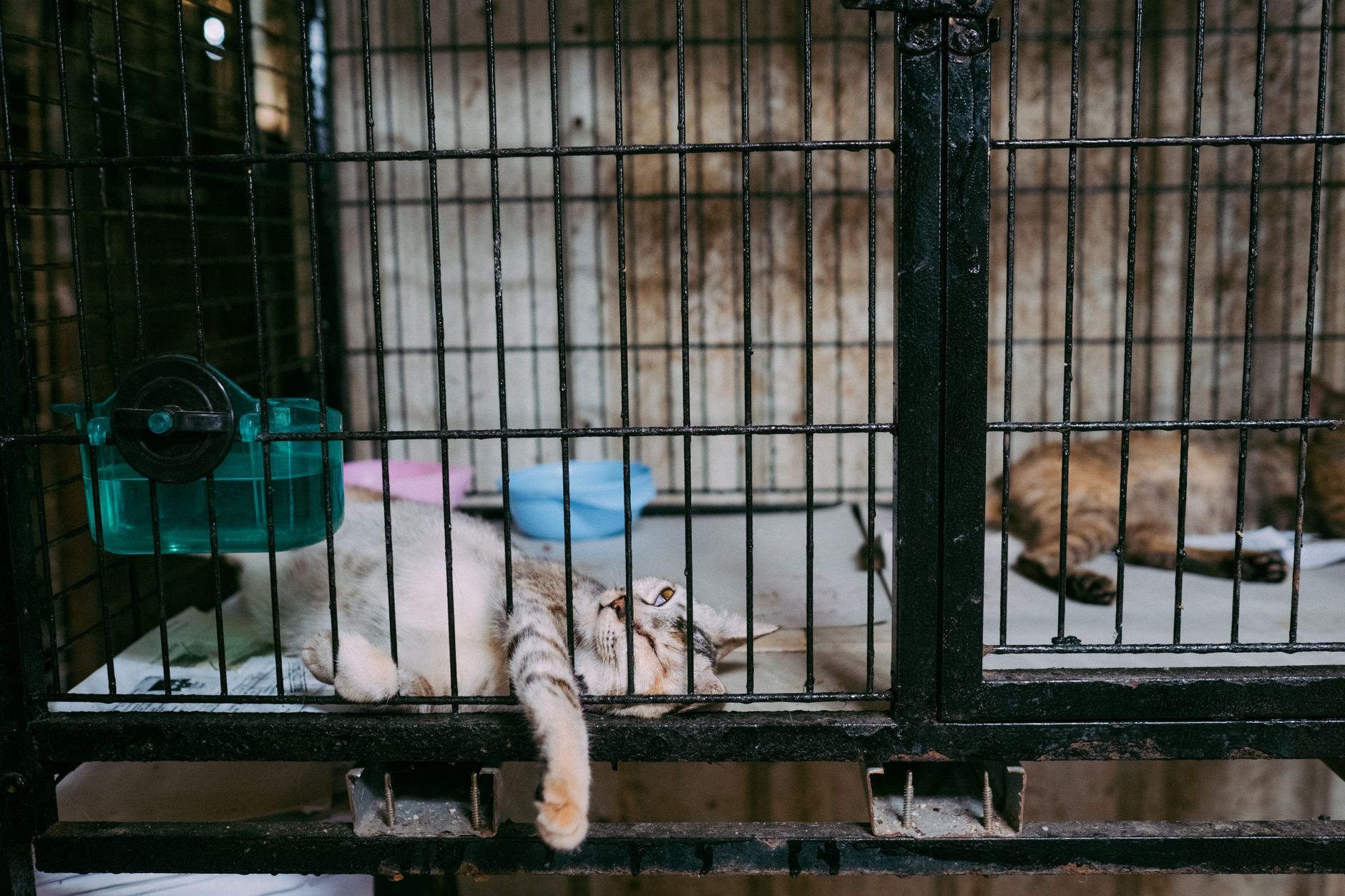
Yes, rescue kittens are often available for free or at nominal adoption fees from shelters and rescue organizations, though the “free” aspect typically applies only to the adoption fee itself. Most rescue organizations waive or minimize adoption costs as part of their mission to place kittens in homes quickly, particularly when shelters reach capacity. A typical scenario might involve a local rescue with dozens of kittens available for adoption, as seen regularly across the United States where seasonal kitten season (spring through fall) overwhelms shelter resources. However, adopting a free or low-cost rescue kitten involves expenses beyond the adoption fee—veterinary care, food, litter, and supplies quickly accumulate.
The difference between “free to adopt” and “free to own” is crucial. While a rescue organization may charge nothing or ask for a donation, you’ll immediately face veterinary bills for spaying or neutering (if not already completed), vaccinations, flea treatment, and a health examination. These costs typically range from $100 to $300 in the first month alone, depending on the kitten’s health status and your location. Understanding this distinction prevents the common disappointment of people who expected rescue adoption to mean zero financial commitment.
Table of Contents
- Why Rescue Kittens Become Available for Adoption at Low or No Cost
- The Hidden Costs of “Free” Adoption and What to Expect
- Health Screening and Medical Readiness for Rescue Kittens
- Preparing Your Home and Supplies for a Rescue Kitten
- Behavioral Challenges and Adjustment Periods for Rescue Kittens
- Documentation and Adoption Agreements for Free Kittens
- Long-Term Commitment and the Reality of Rescue Kitten Ownership
- Frequently Asked Questions
Why Rescue Kittens Become Available for Adoption at Low or No Cost
Rescue organizations and shelters waive adoption fees primarily to address overpopulation—shelters in many regions house hundreds of kittens during peak seasons with limited space and resources. By removing financial barriers, rescues increase adoption rates and reduce the number of kittens requiring long-term shelter care. A rescue with 80 available kittens, for example, faces a critical situation where cage space, food budgets, and staff time become severely stretched. In such circumstances, offering free adoption serves both the animals and the organization’s operational survival.
Seasonal factors heavily influence kitten availability and adoption fees. Spring and summer produce an explosion of litters, with many shelters seeing adoption fees drop or disappear by midsummer when they’re overwhelmed. By contrast, winter months typically have fewer kittens available, and adoption fees may increase or organizations may focus resources on quality adoption matching rather than rapid placement. A kitten born to a feral or stray cat and brought to a rescue may be offered for free adoption at eight weeks old, while a kitten from a partner veterinary clinic might have its adoption fee subsidized by the clinic’s charitable donations.
The Hidden Costs of “Free” Adoption and What to Expect
Adopting a kitten for free doesn’t mean the kitten arrives ready for home life without veterinary intervention. Most rescue kittens require immediate spaying or neutering if not already completed, a procedure costing $75–$200 depending on your veterinarian and location. Additionally, even recently vaccinated rescue kittens may need follow-up vaccinations (typically two boosters three weeks apart), fecal testing for parasites, and deworming treatments. A kitten found as a stray or born outdoors has higher odds of carrying intestinal parasites or feline upper respiratory infections, both requiring medication and veterinary visits.
The trap many adopters fall into is underestimating behavioral and health costs. A “free” kitten with an upper respiratory infection won’t show severe symptoms at adoption but may develop sneezing, nasal discharge, or eye issues within days of arriving home. Treating feline calicivirus or rhinotracheitis can cost several hundred dollars and cause ongoing issues throughout the kitten’s life. Similarly, a rescue kitten displaying stress-related aggression or litter box avoidance may require behavioral consultation ($50–$150 per session) or anti-anxiety medication if the problem persists. Adopters who approach rescue adoption as a “no-cost” option often become frustrated when veterinary bills accumulate faster than expected.
Health Screening and Medical Readiness for Rescue Kittens
Reputable rescue organizations screen kittens before adoption to catch treatable conditions and prevent the spread of contagious diseases. Standard health screening includes fecal testing (to identify parasites), feline leukemia (FeLV) and feline immunodeficiency virus (FIV) testing for kittens over 8–12 weeks old, and a basic physical examination by a veterinarian or trained staff member. However, not all rescues have access to comprehensive veterinary screening—smaller, volunteer-run organizations may perform only visual health checks and rely on adopters to follow up with their own veterinarian. The timing of adoption affects what health work has been completed.
A kitten adopted at eight weeks may have received only a first vaccination, requiring two additional boosters at three-week intervals before full immunity. A kitten adopted at twelve weeks may be fully vaccinated and already spayed or neutered. Ask the rescue specifically what vaccinations, flea prevention, deworming, and testing the kitten has received before adoption, and obtain copies of medical records. This prevents duplicate veterinary expenses and ensures you understand the kitten’s medical history from day one. One limitation of rescue adoption is incomplete medical records—a kitten found as a stray may have no known medical background, making it impossible to confirm prior vaccinations or treatments.
Preparing Your Home and Supplies for a Rescue Kitten
Before bringing a free or low-cost adopted kitten home, plan for immediate supply costs separate from veterinary expenses. A basic starter setup includes litter box ($15–$50), litter ($10–$20 for a large bag), food and water bowls ($10–$20), kitten food ($15–$40 depending on quality and quantity), toys and enrichment items ($20–$50), and a cat carrier for transport and safety ($25–$80). Some rescues provide free starter kits or donated supplies, which reduces your upfront expenses significantly. A rescue offering 80 kittens for adoption often solicits donations of supplies from community members—inquire whether the organization can provide a kitten home-starter package or recommend affordable local suppliers.
The comparison between adopting a free rescue kitten and purchasing from a breeder highlights the hidden costs of either path. A breeder kitten costs $400–$2,000 upfront but typically arrives fully vaccinated, dewormed, and with genetic health guarantees; you still face baseline supply and food costs. A free rescue kitten costs $0–$50 to adopt but requires $300–$500 in first-month medical care and $50–$150 in initial supplies. Over the kitten’s first year, total costs for a rescue adoption and breeder purchase become comparable once you factor in all veterinary care, food, and supplies. The practical tradeoff is that rescue adoption spreads costs over time (you absorb vet bills as they arise), while breeder purchase frontloads cost but reduces health uncertainty.
Behavioral Challenges and Adjustment Periods for Rescue Kittens
Rescue kittens, particularly those raised in shelters or as strays, often display behavioral issues that adopters attribute to poor breeding or health problems. Stress-related behaviors like excessive hissing, biting, hiding, or refusal to use the litter box are common in newly adopted kittens and typically resolve within two to four weeks as the kitten adjusts to a home environment. However, some kittens from traumatic backgrounds or with undiagnosed medical pain take longer to settle, and some behaviors persist without intervention. A kitten showing aggression out of fear may require weeks of patient handling and desensitization, or referral to a veterinary behaviorist—an additional cost and time investment many adopters underestimate.
One critical warning: rescue kittens with an unknown history may carry behavioral traits or medical issues that only surface weeks or months into adoption. A kitten appearing healthy and friendly at the rescue may develop inappropriate elimination (spraying or urinating outside the box) linked to a urinary tract infection or stress response. Another may display predatory aggression toward smaller household pets only after adoption, when territorial instincts emerge. Ask the rescue about any observed behavioral red flags during shelter stay and request a trial period or return policy if the kitten proves incompatible with your household—reputable rescues offer adoption guarantees precisely because they recognize that not every match succeeds immediately.
Documentation and Adoption Agreements for Free Kittens
Most legitimate rescue organizations require adopters to sign an adoption agreement even when adoption is free. This contract typically specifies that the kitten must receive appropriate veterinary care, may not be declawed, and must be returned to the rescue if circumstances prevent ownership. Some rescues reserve the right to conduct a follow-up home visit or contact adopters to verify the kitten’s welfare.
These agreements protect the kitten’s long-term interests, though they also indicate the rescue’s professionalism and commitment to outcomes beyond just placement. When adopting a free kitten, request documentation including proof of any vaccinations, deworming records, flea prevention applications, spay or neuter certificates, and FeLV/FIV test results if applicable. This documentation protects you by clarifying what medical work has been completed and prevents duplicate veterinary procedures. A disorganized rescue offering free kittens without records is a red flag—such rescues may have inadequate health screening practices, increasing the risk that you’ll adopt a kitten with undetected medical or behavioral issues.
Long-Term Commitment and the Reality of Rescue Kitten Ownership
Adopting a rescue kitten for free or low cost commits you to 15–20 years of care and responsibility—the average kitten adopted today will be with you into adulthood. Many people attracted to free adoption underestimate this commitment and return kittens to rescues within weeks or months when the reality of ownership becomes demanding. Rescues see this repeatedly: a family adopts a free kitten, discovers the financial and time demands of pet ownership, and surrenders the kitten back to the shelter, creating a cycle that strains rescue resources. The actual cost of raising a rescue kitten to adulthood far exceeds the adoption fee. Annual veterinary care (annual exams, vaccines, flea prevention, dental work) costs $200–$400 per year.
Food costs $15–$40 monthly. Litter costs $10–$20 monthly. Unexpected illness or injury can result in bills exceeding $1,000. A kitten adopted “for free” might cost $3,000–$5,000 over its lifetime. This reality makes rescue adoption most successful for adopters who view it as a commitment to provide quality lifelong care, not as a budget-friendly alternative to responsible pet ownership.
Frequently Asked Questions
Do all rescue organizations offer free kitten adoption?
No. Some rescues charge adoption fees ranging from $50–$150 to cover medical expenses and encourage commitment from adopters. Fee-based rescues often have more resources for comprehensive health screening. During peak kitten season (spring and summer), shelters frequently waive or reduce fees to manage overpopulation. Contact your local rescue to ask about current adoption costs and any fee-waiver programs.
What if my adopted kitten is sick after I bring it home?
Most reputable rescues offer a return policy or will help cover initial medical expenses if the kitten develops health problems within the first few weeks. Review the adoption agreement before signing to confirm what recourse you have. This is why obtaining detailed medical records at adoption is essential—it ensures you’re not paying twice for the same medical work.
Can I return a rescue kitten if it doesn’t fit my household?
Legitimate rescues will accept kittens back without penalty or judgment, though policies vary. Some have a trial period; others accept returns indefinitely. This safety net makes rescue adoption lower-risk than private sales, where you have no recourse if the kitten proves incompatible. However, surrendering a kitten creates emotional impact on both you and the animal, so adoption should follow careful consideration of your household’s stability and readiness.
What medical care should be completed before I adopt a kitten?
At minimum, request vaccination records (FVRCP series), deworming, flea treatment, and spay or neuter certification. Kittens under 8 weeks may not yet be sterilized or fully vaccinated; clarify what work you’ll need to complete and plan for those appointments. Asking these questions upfront prevents confusion and helps you budget for veterinary care.
Are free kittens from rescues healthier or less healthy than purchased kittens?
Health depends on the individual kitten and the rescue’s screening practices, not adoption source. A rescue kitten from a well-run organization with veterinary oversight may be healthier than a kitten purchased from a breeder with poor genetic practices. Conversely, a kitten from a disorganized rescue without medical records may carry undiscovered parasites or infections. Evaluate the specific rescue’s practices and medical screening rather than generalizing based on adoption fee.