
Cat Carriers August 2026 Update: What Changed, Why It Matters, and What to Watch Next
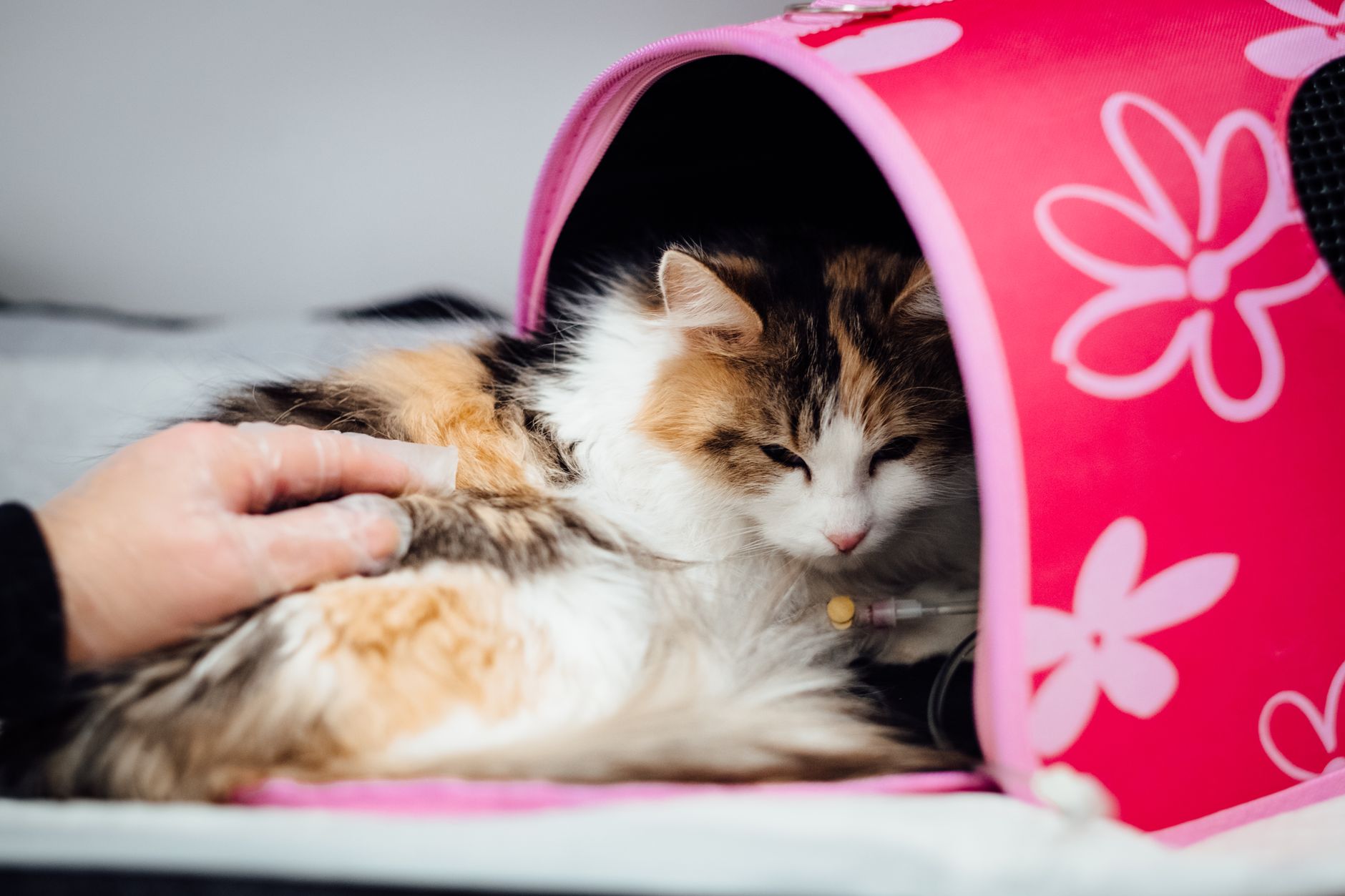
Learn which carrier claims matter for car trips, vet visits, flights, and airport screening before you buy.
Cat food, diet, nutrition, and feeding guides
Browse →578 guidesCat safety, hazards, and poison prevention
Browse →228 guidesCat breeds, characteristics, and breed comparisons
Browse →134 guidesCat litter types, litter boxes, and bathroom habits
Browse →126 guidesCat health issues, diseases, symptoms, and veterinary care
Browse →92 guidesCat pregnancy, birth, and breeding information
Browse →Cat Health, Behavior and Care Guides
Learn which carrier claims matter for car trips, vet visits, flights, and airport screening before you buy.

Separate verified cat-arthritis developments from hype, assess Solensia limits, and know what changes to track.

Check recalled kitten formula, recognize urgent warning signs, and avoid blaming every vomiting episode on the recall.

See what August’s rescue and sterilization figures reveal—and which follow-up numbers will show whether conditions improve.

Learn which safeguards apply, why identifying feral cats remains difficult, and which Otago results deserve scrutiny.
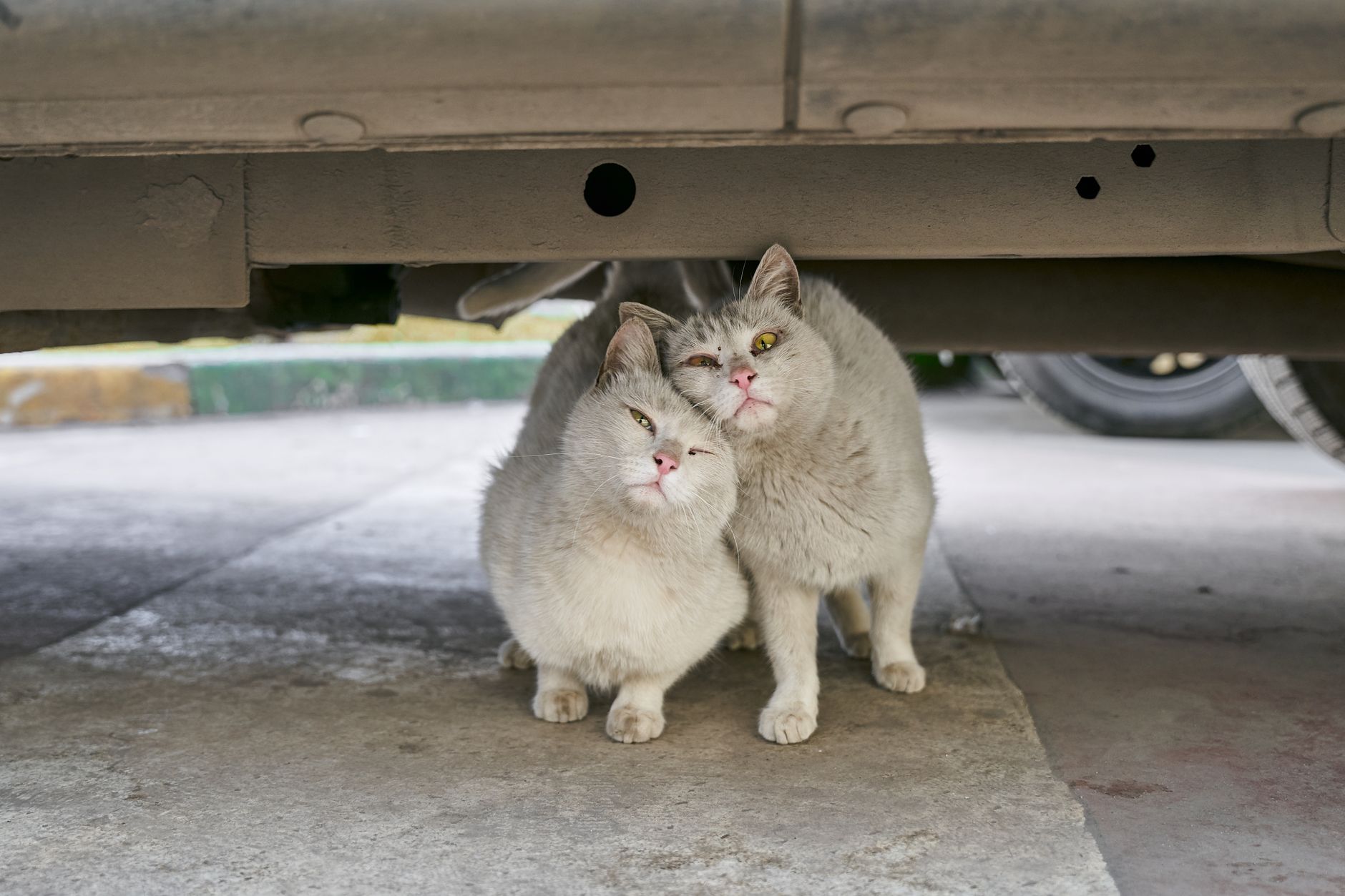
Learn what the 2026 deaf-cat evidence means for diagnosis, treatment prospects, home safety, and veterinary care.
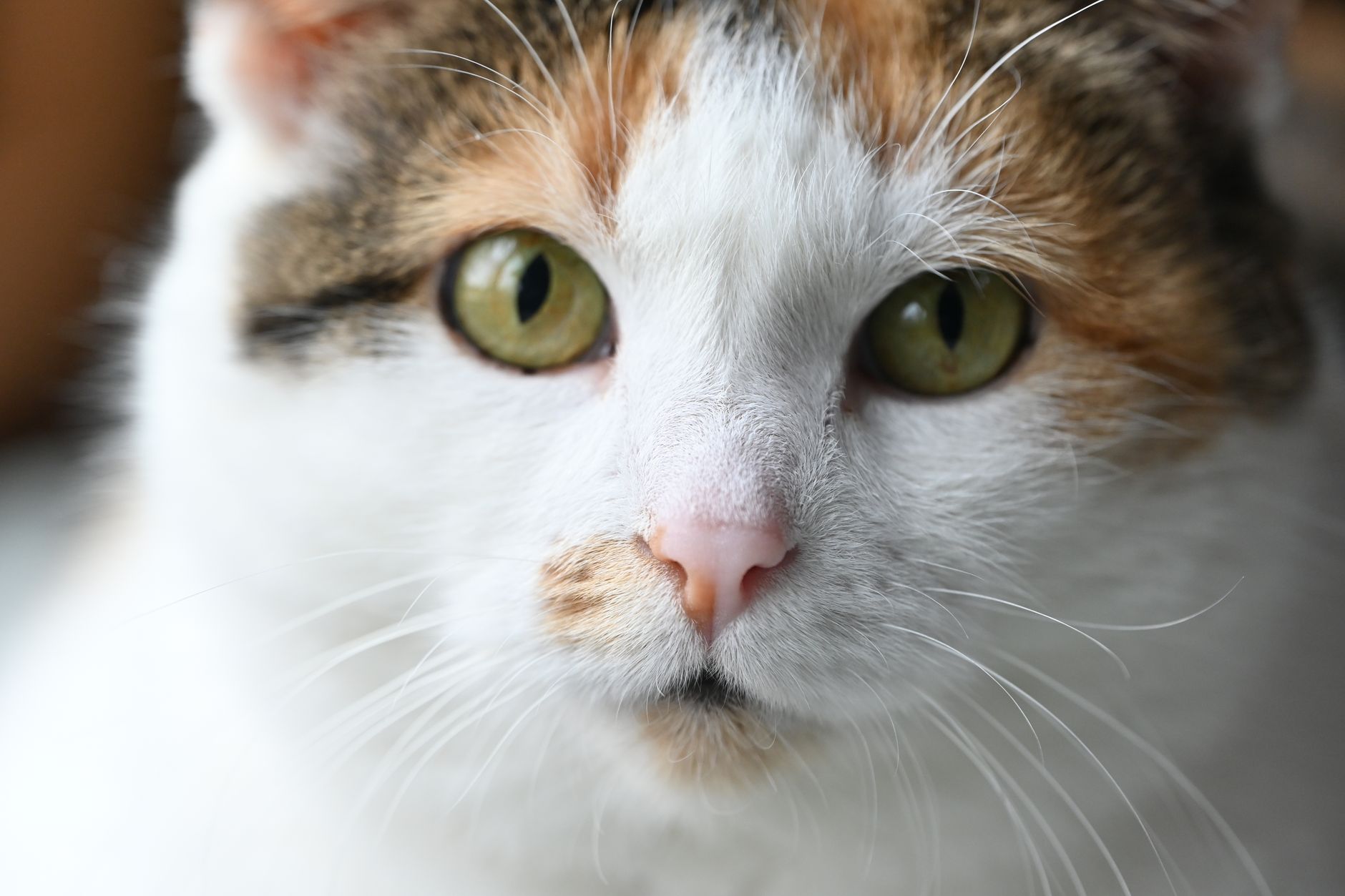
Microchips require no maintenance, but keeping registration current and getting scanned at vet checkups ensures your lost cat comes home.

Heart murmur grades measure loudness, not disease—echocardiography and blood tests reveal what the murmur actually means for your cat.

Start with 7–14 days of open-carrier habituation using treats, then combine Feliway spray, top-loading carriers, or gabapentin for resistant cats.

Solensia offers the best pain relief but requires monthly vet visits and costs $75–$175 monthly; Adequan is cheaper, home-injectable, but less effective.