Is It Safe for Cats to Eat Soft Cheese
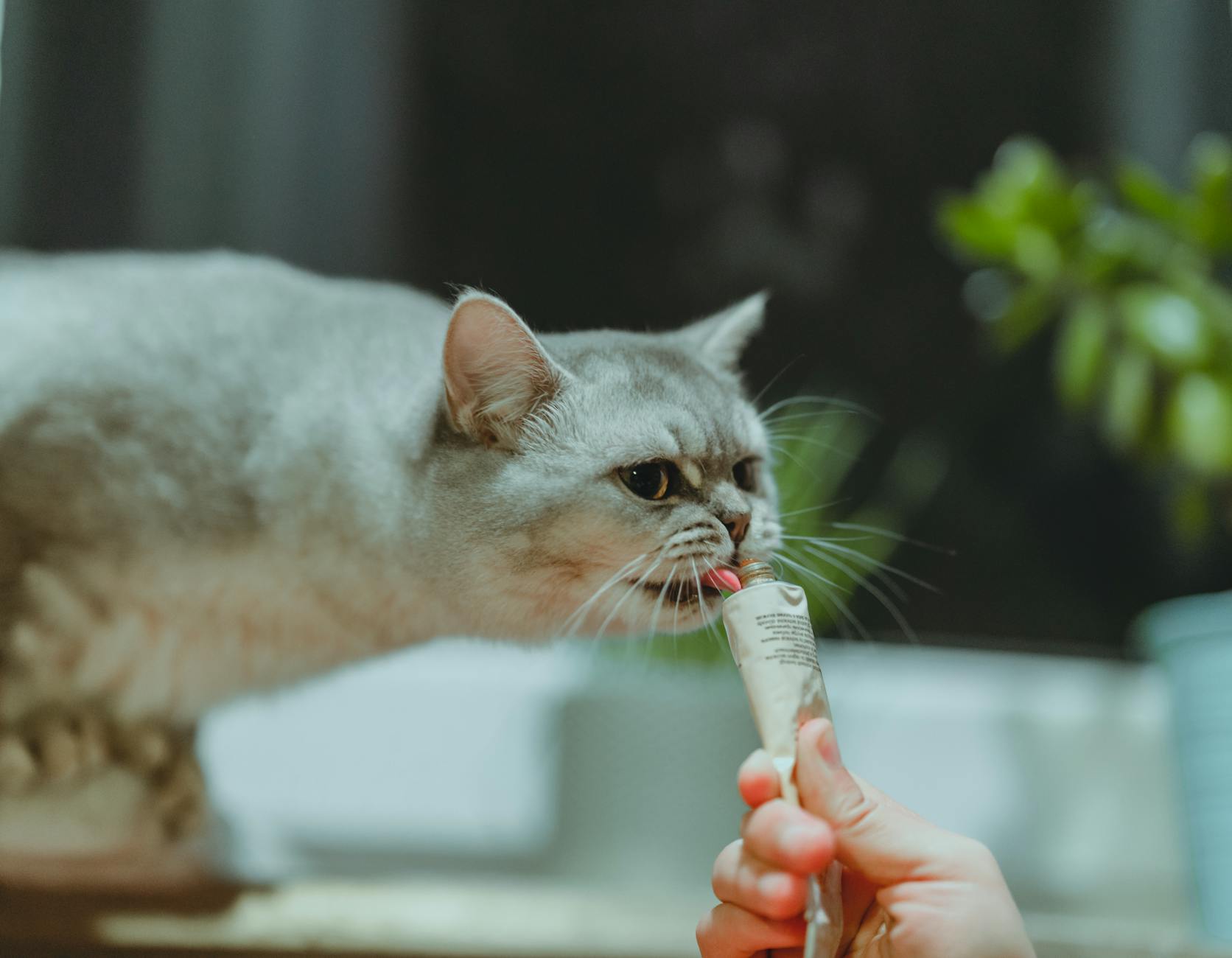
Soft cheese is generally not recommended for cats, though small amounts are unlikely to cause serious harm in most felines.
Cat food, diet, nutrition, and feeding guides
Browse →578 guidesCat safety, hazards, and poison prevention
Browse →228 guidesCat breeds, characteristics, and breed comparisons
Browse →134 guidesCat litter types, litter boxes, and bathroom habits
Browse →126 guidesCat health issues, diseases, symptoms, and veterinary care
Browse →92 guidesCat pregnancy, birth, and breeding information
Browse →Cat Health, Behavior and Care Guides
Soft cheese is generally not recommended for cats, though small amounts are unlikely to cause serious harm in most felines.

Hard cheese is generally safe for cats to eat in small amounts, but it comes with significant caveats that every cat owner should understand.
No, it is not safe for cats to eat human food regularly as a significant portion of their diet.
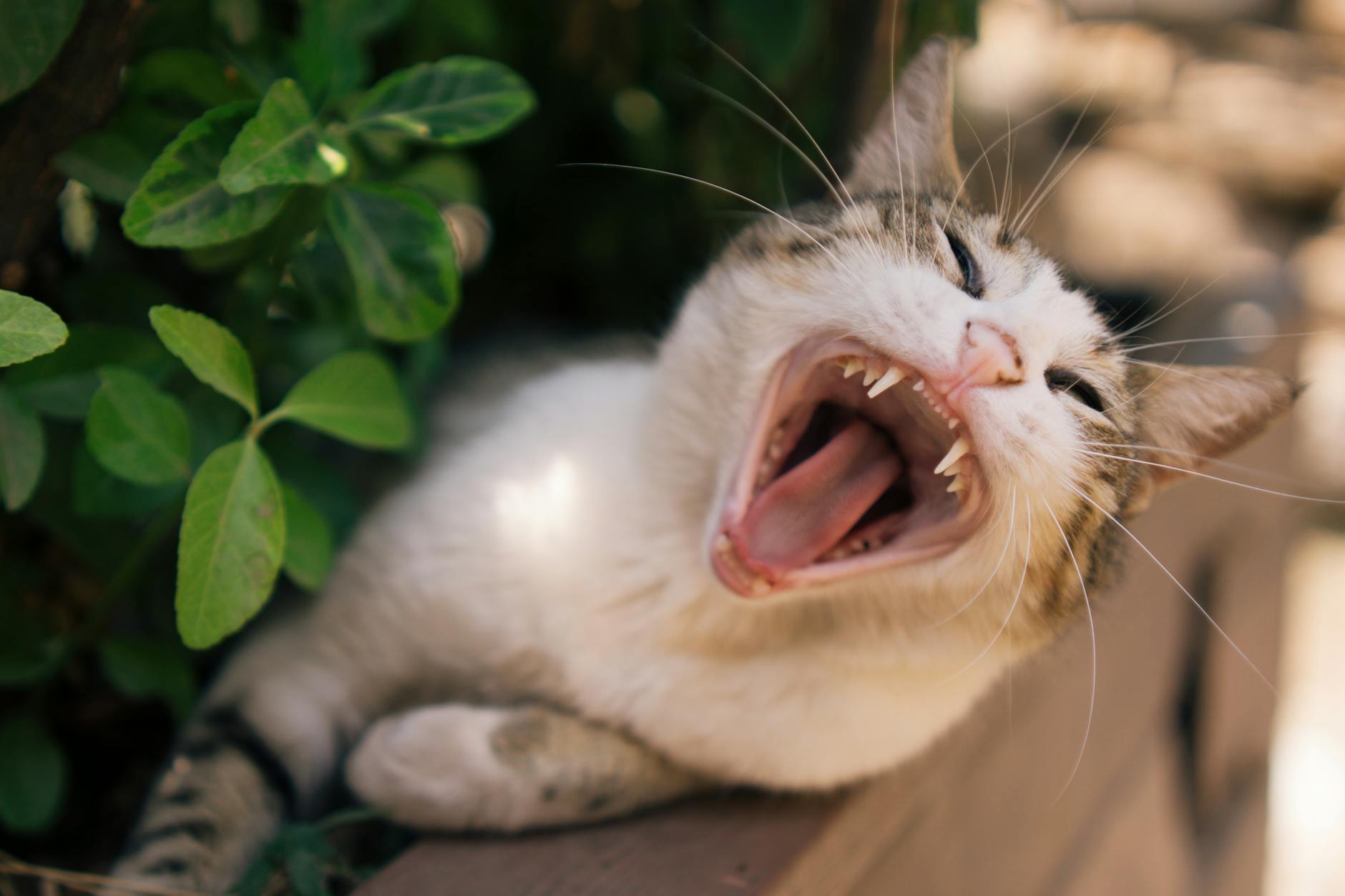
Cats can technically eat catnip every day without serious health consequences, but veterinary experts recommend against it.
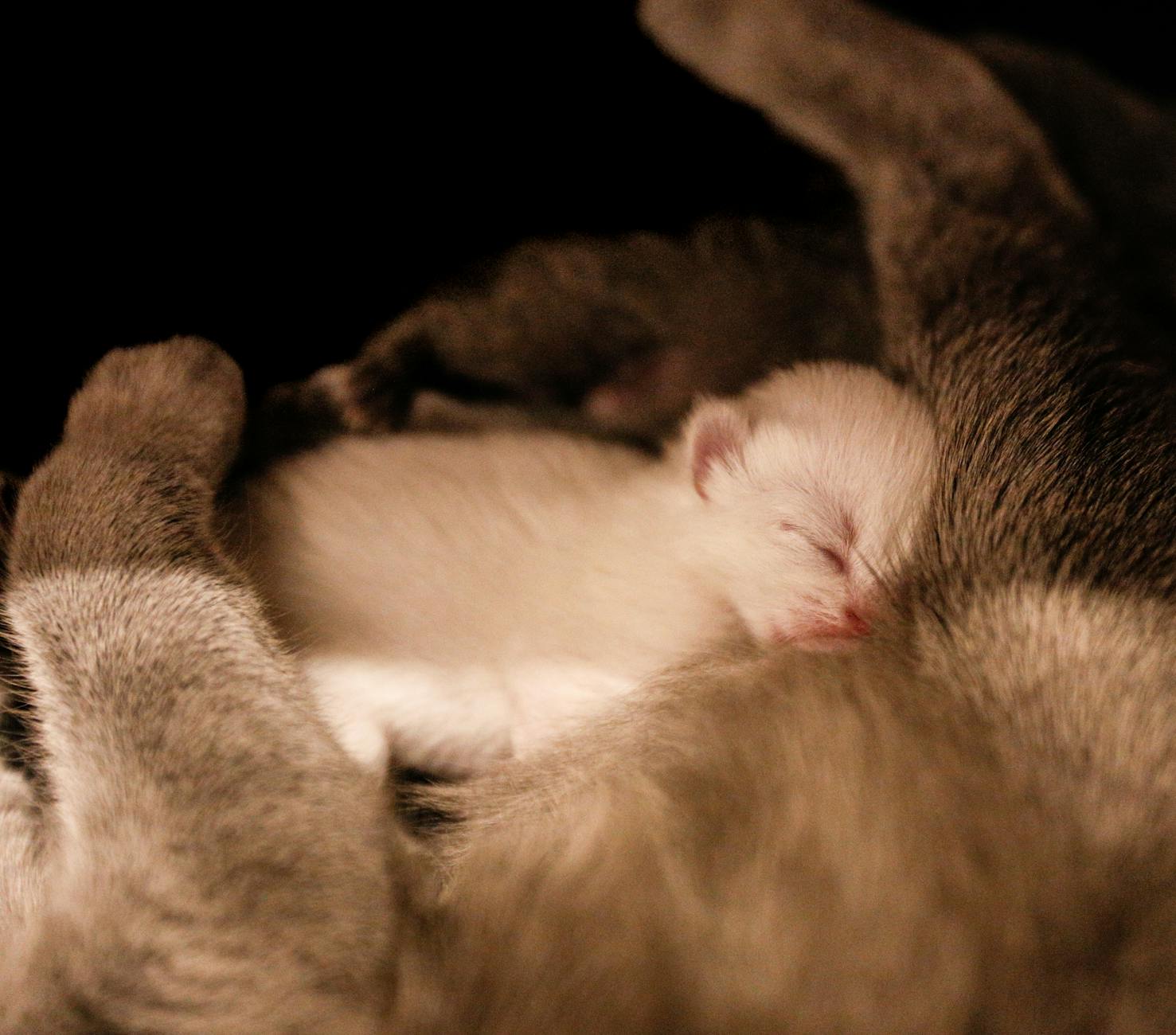
Yes, cats can safely eat certain baby foods, but only under specific conditions. Plain, single-ingredient meat purees made from chicken, turkey, beef, or…

Cats should not eat dog food as a regular part of their diet, though an occasional nibble from a dog’s bowl will not cause immediate harm.

Yes, chocolate is toxic to cats. It contains two compounds””theobromine and caffeine””that cats cannot metabolize effectively, leading to potentially…
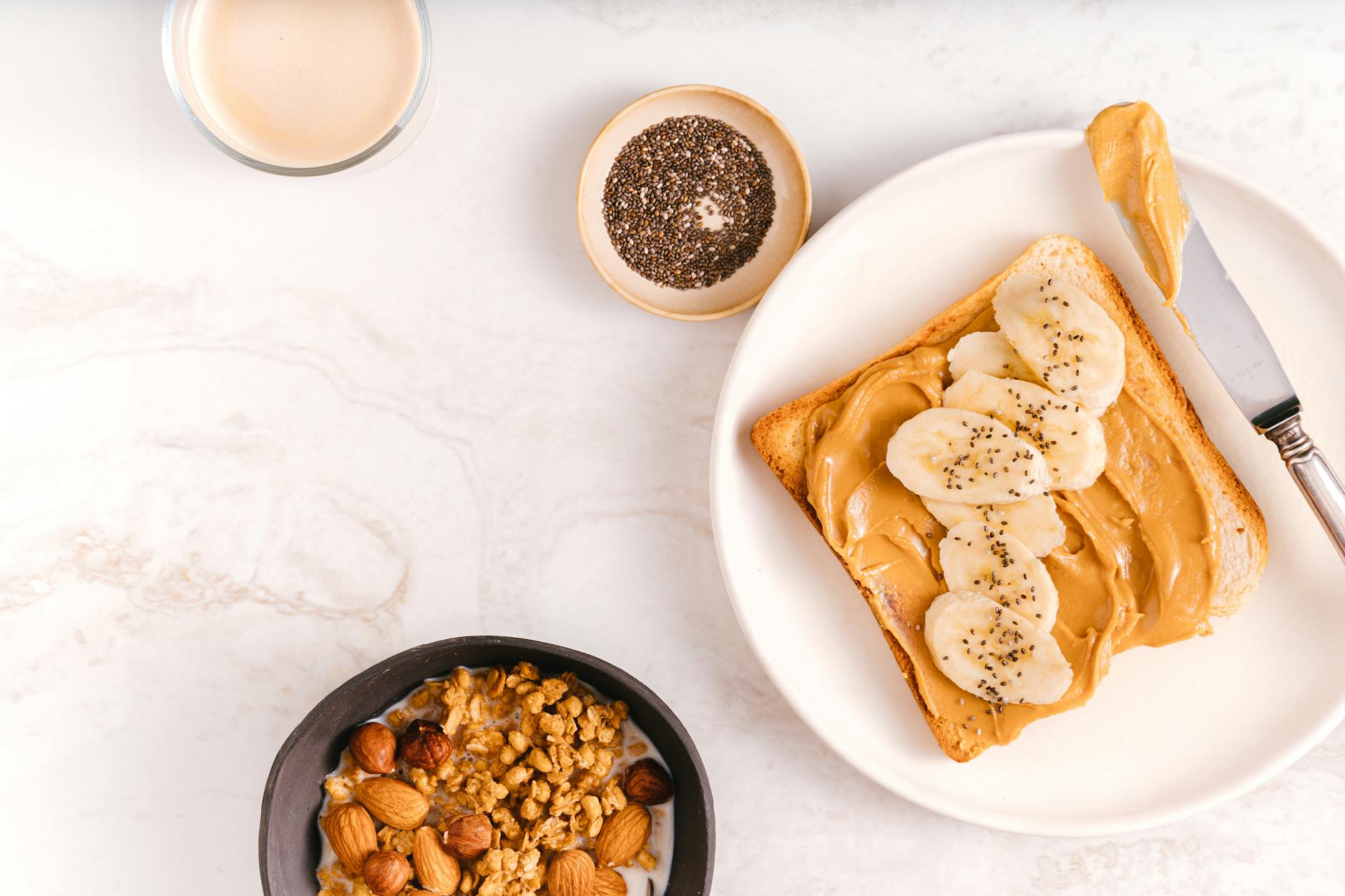
Peanut butter is not toxic to cats, but it is not recommended as a treat or regular part of their diet.

Yes, watermelon is generally safe for cats to eat in small amounts, but with important caveats: the flesh must be seedless, the rind must be removed, and…
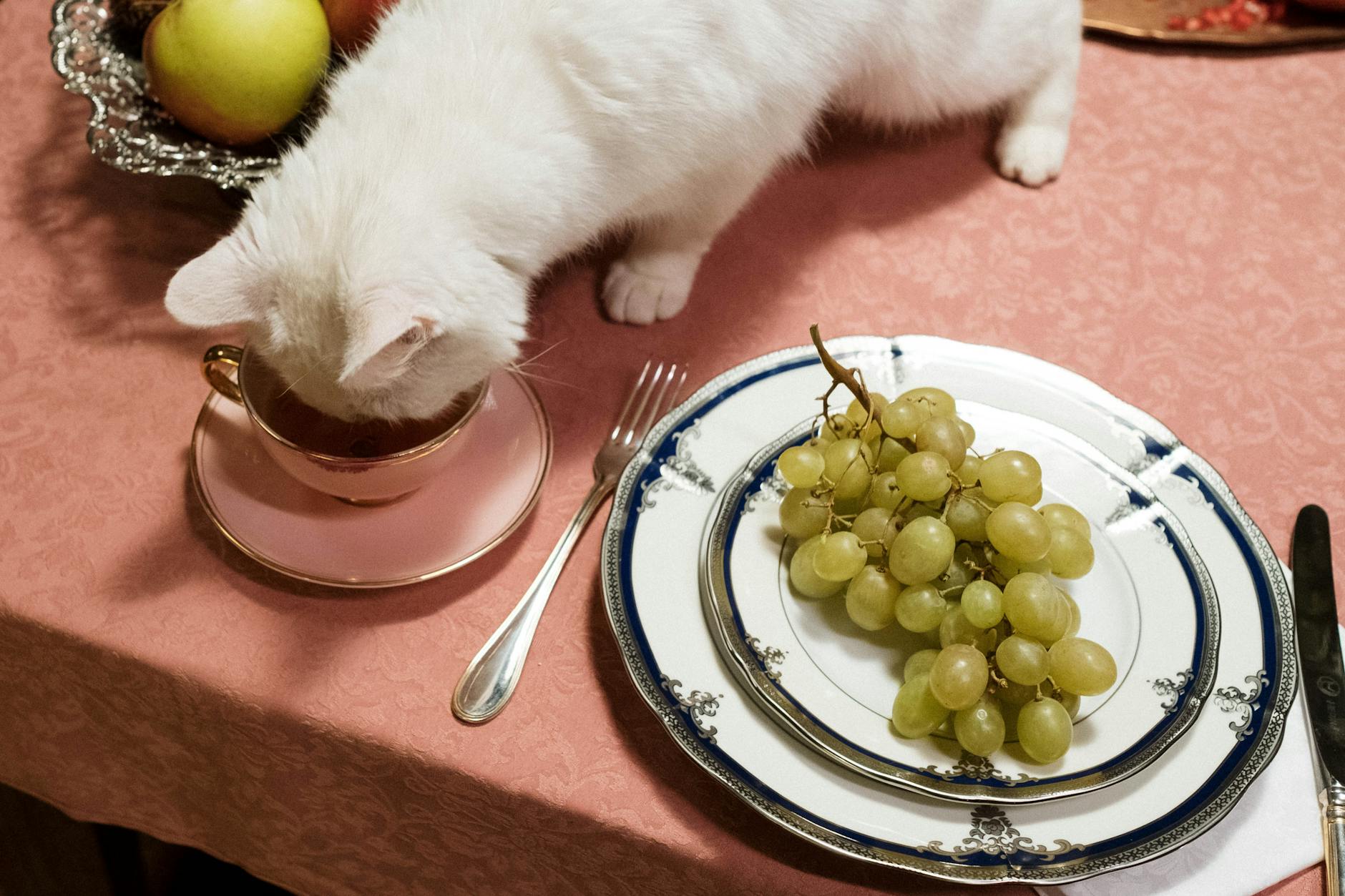
Yes, grapes are toxic to cats. While grapes and raisins have been well-documented as dangerous for dogs, recent veterinary research confirms that cats…