Is Maine Coon a High-Risk Breed for Cat Diabetes?
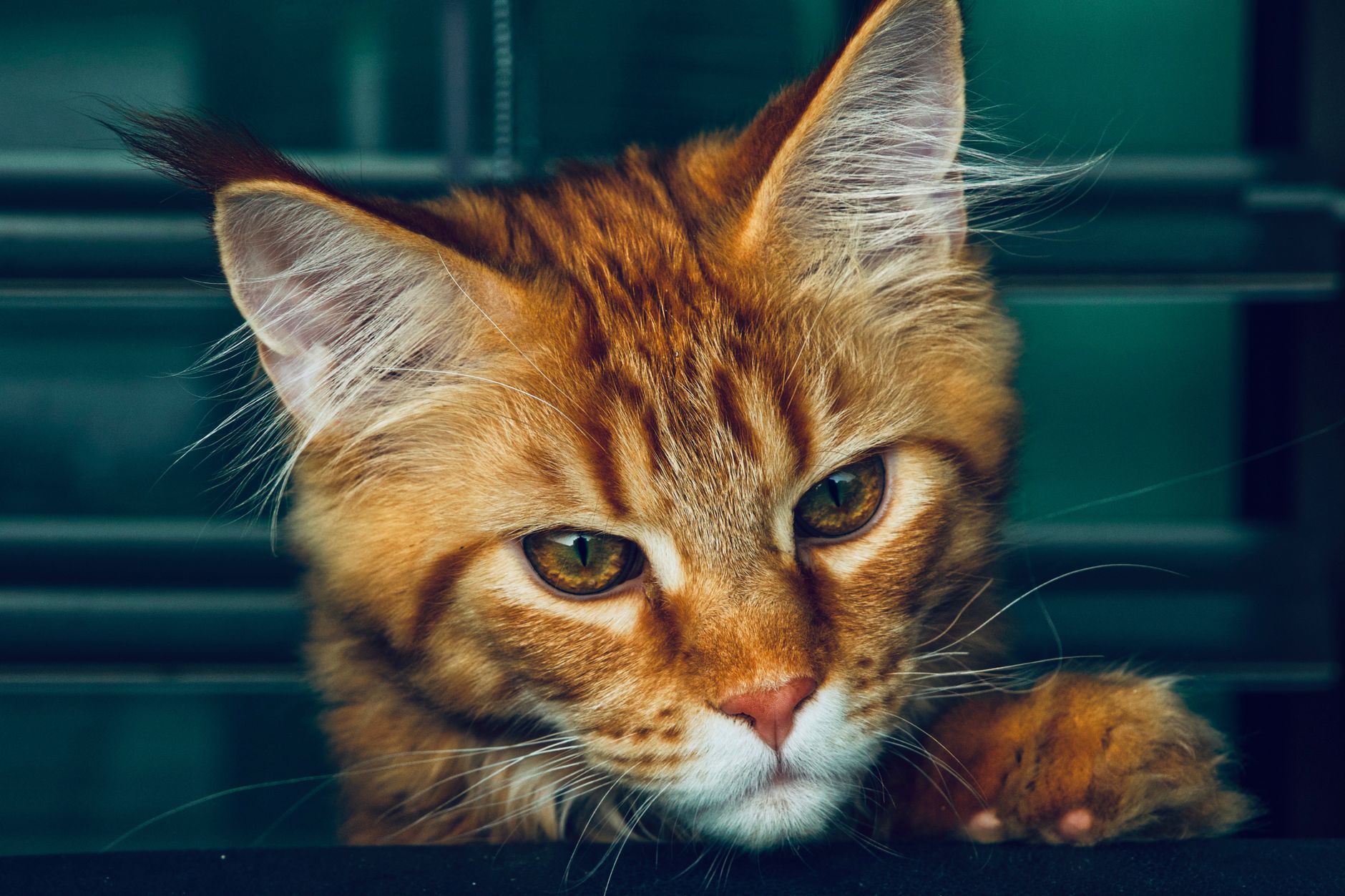
Find out why keeping your Maine Coon lean, active, and at a healthy weight lowers diabetes risk.
Cat food, diet, nutrition, and feeding guides
Browse →578 guidesCat safety, hazards, and poison prevention
Browse →228 guidesCat breeds, characteristics, and breed comparisons
Browse →134 guidesCat litter types, litter boxes, and bathroom habits
Browse →126 guidesCat health issues, diseases, symptoms, and veterinary care
Browse →92 guidesCat pregnancy, birth, and breeding information
Browse →Cat Health, Behavior and Care Guides
Find out why keeping your Maine Coon lean, active, and at a healthy weight lowers diabetes risk.
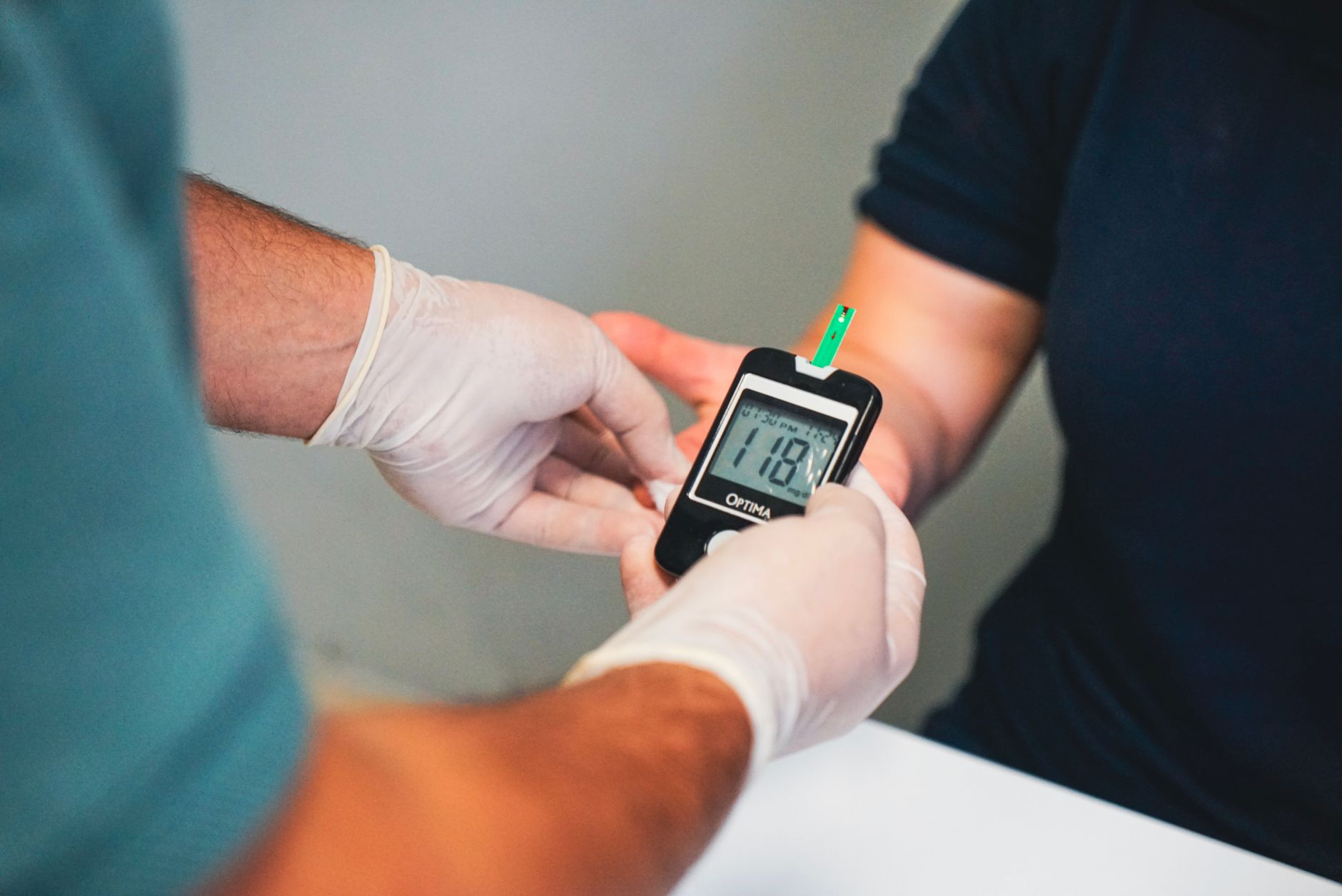
Spot diabetes-linked litter changes early and know which signs call for a vet glucose check.
Track daily water in mL per kg to spot rising thirst and flag poor diabetes control early.
Learn which dry foods fit a diabetic cat and how to switch without risking low blood sugar.
Learn why diabetic cats lose weight fast and which warning signs mean a prompt urgent vet visit.
A step-by-step look at safely combing out Maine Coon mats, why scissors are risky, and the exact signs that mean it’s time to call a groomer.

A damp cloth, a clean box, and the right litter choice do more for a cat’s paws than any scented wipe.
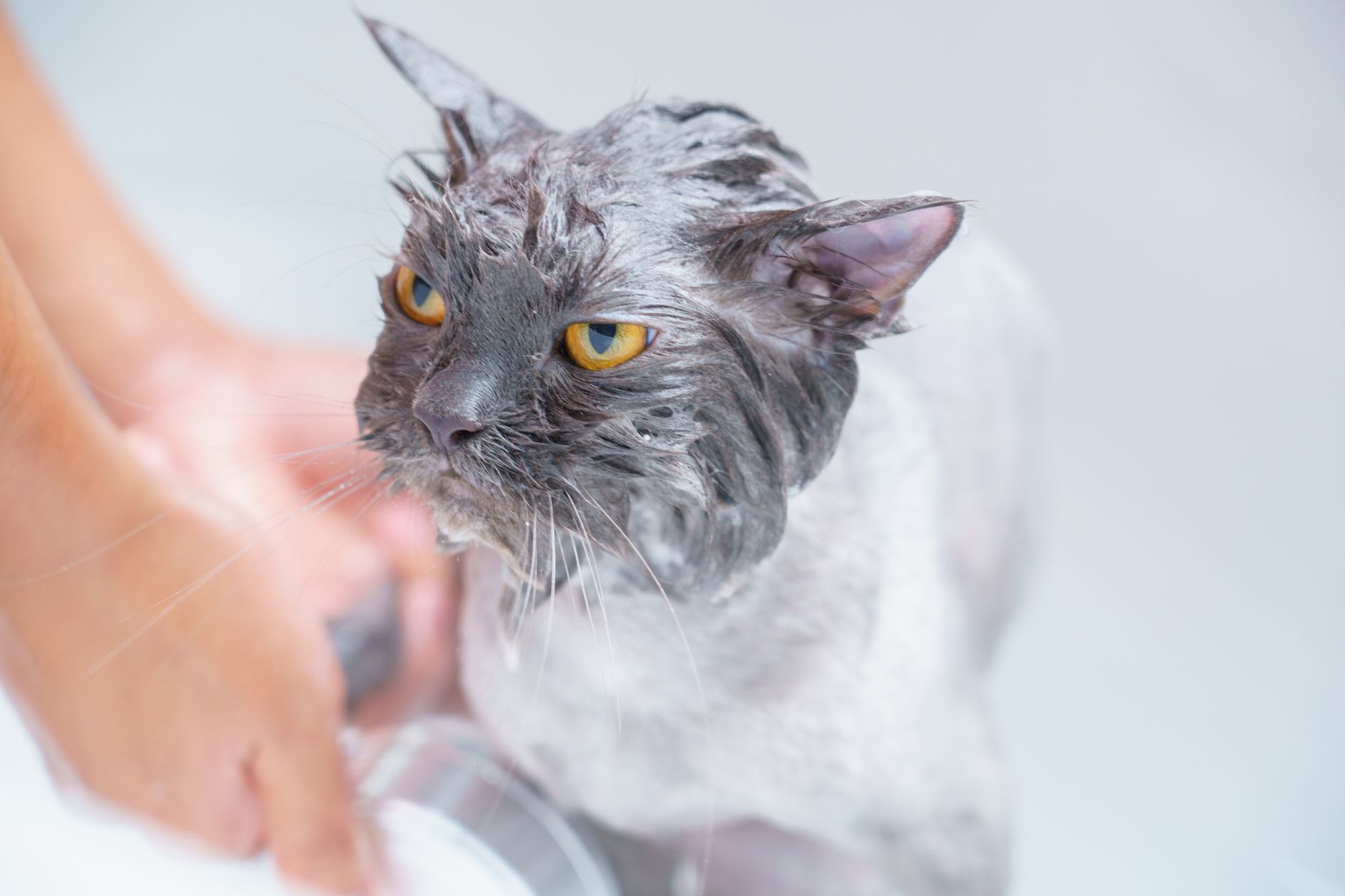
Why pet bowls rank as the fourth-germiest household item, and the daily habits that actually fix it.

Post-litter-box licking is usually scent cleanup from wild instinct, but genital-focused grooming with straining can signal a urinary emergency.
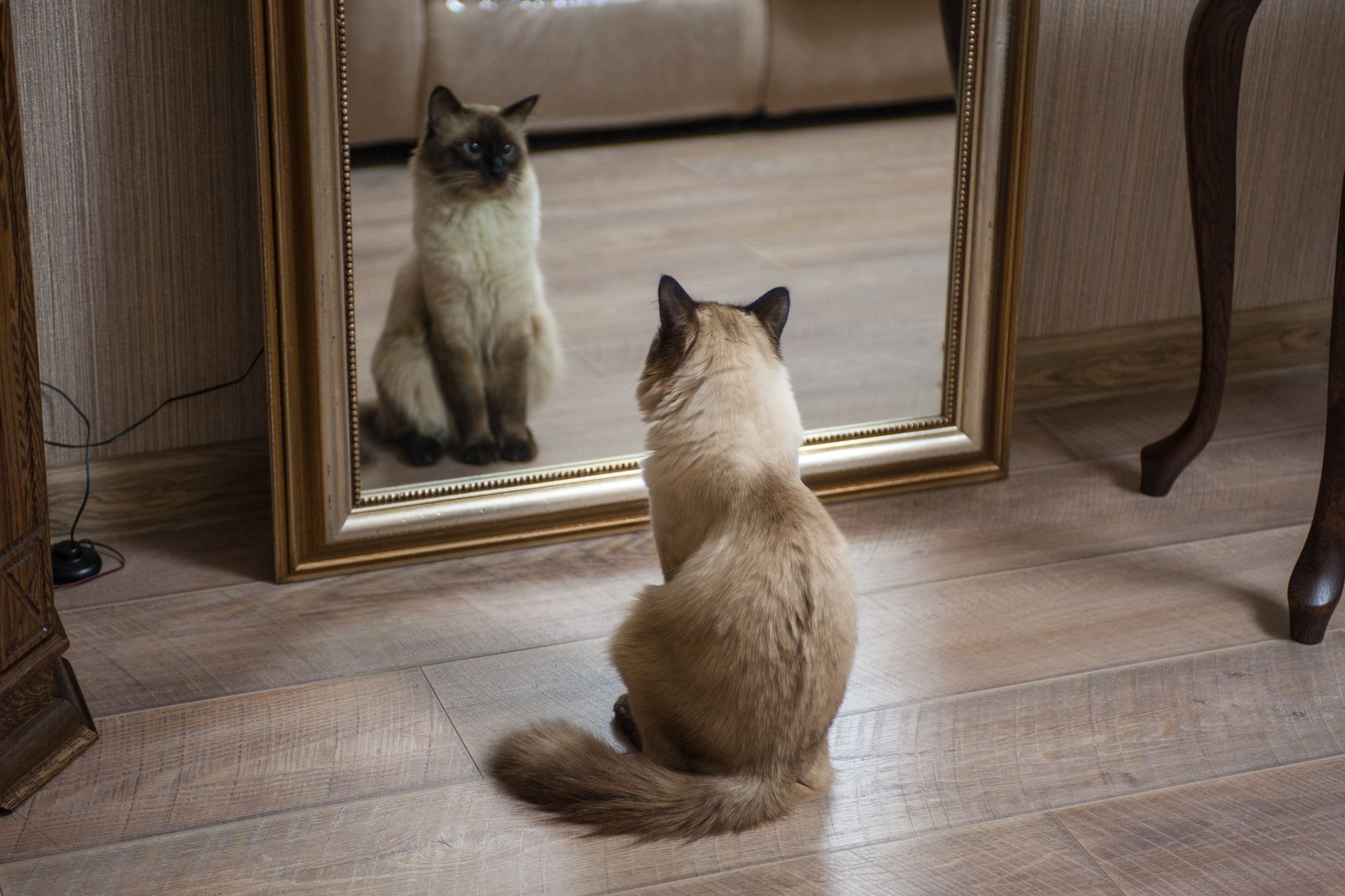
Manufacturer weight and age minimums decide when a kitten can safely use automatic cycling — and the cutoff differs by model.