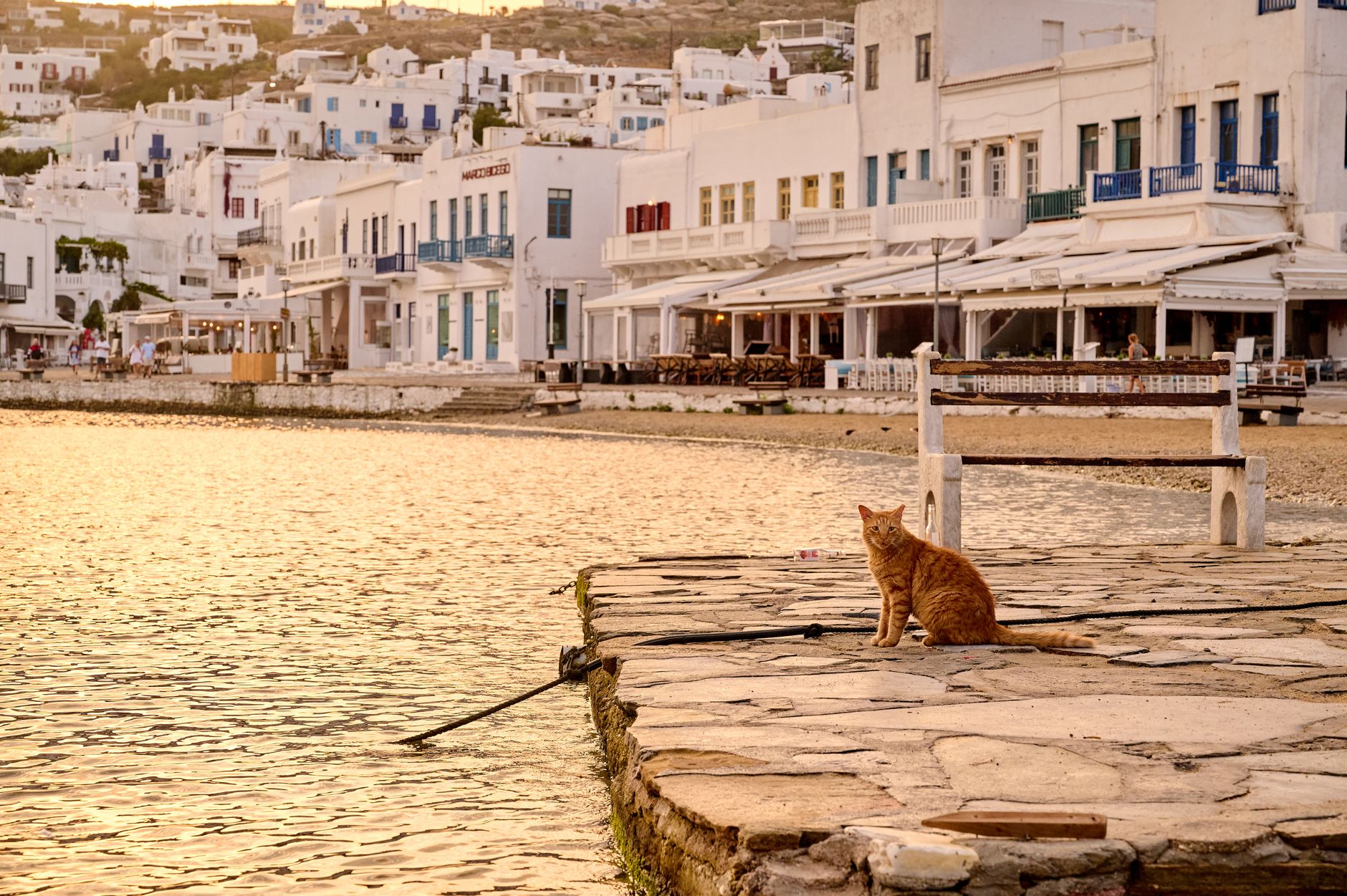
A remote Greek island has opened its doors to cat enthusiasts seeking a fresh start, offering furnished housing and assistance with relocation at no cost to qualified applicants. This initiative reflects a growing trend among Mediterranean communities facing population decline, where attracting residents—particularly those with resources and specific interests—helps revitalize struggling villages. The program targets people with flexibility to work remotely or retire, recognizing that cat lovers often represent a demographic disposed toward stable residency and community engagement.
The mechanics are straightforward: qualifying applicants receive housing assistance, relocation support, and sometimes subsidized utilities or other integration services. Unlike typical real estate programs, these initiatives function as population-retention strategies, benefiting both newcomers seeking an escape from urban pressures and local economies dependent on sustained resident populations. For cat lovers specifically, island life often appeals because it provides natural space, outdoor enrichment opportunities for indoor-outdoor cats, and communities where animal welfare is increasingly prioritized.
Table of Contents
- Why Greek Islands Are Attracting Remote Workers and Cat Lovers
- The Reality of Island Housing Programs and What They Actually Provide
- How Island Life Affects Cat Health and Welfare
- Practical Steps for Evaluating a Greek Island Housing Program
- Common Challenges in Island Relocation and Hidden Costs
- Building a Cat-Friendly Life in Island Communities
- Long-Term Residence Planning and Immigration Requirements
- Frequently Asked Questions
Why Greek Islands Are Attracting Remote Workers and Cat Lovers
Mediterranean islands have become magnets for digital nomads and remote professionals, particularly after the widespread adoption of work-from-home arrangements. A stable internet connection and low cost of living make islands like Crete, Naxos, and several lesser-known alternatives practical bases for professionals earning Western salaries. Greece’s digital nomad visa has further accelerated this trend, allowing professionals to remain legally for extended periods. For cat lovers, the appeal extends beyond infrastructure—the pace of life, outdoor access, and strong social fabric around pet ownership make these communities particularly welcoming.
Island communities often view newcomers with specific skills or economic stability as solutions to generational decline. Young adults tend to migrate toward Athens or emigrate entirely, leaving older populations behind. By actively recruiting remote workers and retirees who can sustain themselves financially, islands create a demographic balance that supports local schools, shops, and services. Cat lovers, in particular, often demonstrate characteristics that appeal to these communities: conscientiousness about pet welfare, tendency toward stability and long-term residence, and engagement in online community networks that can benefit local tourism and cultural initiatives.
The Reality of Island Housing Programs and What They Actually Provide
Housing assistance through these programs typically includes either a fully furnished apartment or subsidized rental terms with local property owners. The homes are usually modest—think one or two-bedroom apartments in traditional stone buildings—not luxury villas. A significant limitation is that housing quality, maintenance standards, and actual availability can fluctuate based on local circumstances. Some participants report ideal scenarios where they receive beautifully renovated traditional homes; others describe properties requiring immediate repairs or lacking modern amenities.
The furnished nature of offerings is crucial: ownership remains with the program or local owner, meaning you cannot renovate or modify the space significantly. Relocation support typically covers initial logistics: assistance with residence permits, tax registration, utility setup, and sometimes furniture transport from mainland Greece. However, many programs do not cover international shipping of belongings, which can become expensive for those bringing significant possessions. Insurance considerations also matter—property damage, liability, and pet-specific coverage may not be included in the package, creating ongoing costs. Additionally, the “complimentary” nature often has duration limits (commonly one to three years) after which residents must negotiate market-rate rentals or face relocation again.
How Island Life Affects Cat Health and Welfare
Island environments present distinct considerations for cat care that differ from mainland living. The Mediterranean climate offers advantages—mild winters mean lower heating needs and reduced stress on cats sensitive to temperature extremes. Outdoor enrichment opportunities abound, and many communities embrace indoor-outdoor lifestyles that suit cats’ natural behaviors. However, island isolation means limited veterinary resources compared to major cities. If a cat requires emergency surgery or specialized treatment, the only option may be ferry transport to a larger town, creating delays that can be life-threatening in acute situations.
Island cats also face exposure to parasites, insects, and diseases that differ from their origin regions. Cats relocating from Northern Europe or North America to Greece experience shifts in feline infectious peritonitis prevalence, leishmaniasis, and tick-borne illnesses. The local flea and worm burden is significantly higher in Mediterranean climates, requiring year-round preventive medication rather than seasonal coverage. Additionally, outdoor cats on islands may encounter unfamiliar predators or hazards—loose dogs, aggressive wildlife, and inadequate fencing standards compared to Northern European norms. Communities without strong animal-control infrastructure may tolerate larger populations of semi-feral cats, creating territorial stress for pet cats new to the environment.
Practical Steps for Evaluating a Greek Island Housing Program
Before committing to relocation, prospective applicants should conduct thorough due diligence on the specific initiative. Request documentation of past placements, contact details for previous participants willing to provide references, and detailed written terms covering housing duration, property maintenance responsibilities, internet speed guarantees, and procedures for terminating the arrangement. Many programs operate informally without comprehensive contracts; this creates legal ambiguity if disputes arise. Visiting the island in person—ideally for at least a week during non-peak season—provides essential perspective on infrastructure, veterinary services, and whether your cat’s temperament suits island community living.
Assess your cat’s specific needs against island realities. An elderly cat with chronic kidney disease requiring frequent veterinary monitoring may face serious challenges on a remote island with limited medical infrastructure. Young, adaptable cats generally adjust better to relocation stress and environmental changes. Document your cat’s medical history, vaccination records, and any behavioral issues before arrival; some islands have stricter import requirements than others, and officials increasingly request health certifications and microchip documentation. Additionally, compare the program’s terms to independent rental options in the same location—sometimes housing subsidies make programs attractive, but occasionally market rates are comparable or lower, offering you more flexibility and control.
Common Challenges in Island Relocation and Hidden Costs
Social integration presents underestimated difficulties that affect both human and feline residents. Island communities, despite their welcoming messaging, often maintain tight social hierarchies where newcomers remain peripheral for years. This can create isolation, particularly if language barriers exist—many Greeks on remote islands speak limited English, and expecting a cat-focused community may not deliver the social infrastructure you anticipate. Cats are surprisingly sensitive to their owners’ stress levels; prolonged isolation or dissatisfaction in new humans can manifest as behavioral problems in previously stable cats, including inappropriate elimination, aggression, or anxiety-related over-grooming.
Financial transparency frequently suffers in informal programs. While housing may be “free,” actual costs emerge gradually: property damage deposits, utility setup fees, local tax registration expenses, higher food and veterinary costs due to island shipping premiums, and travel expenses for medical emergencies on the mainland. Internet reliability, critical for remote work, can be inconsistent despite assurances—Mediterranean weather disrupts satellite connections, and undersea cables occasionally fail. Veterinary care costs more on islands than in Athens; a routine spay or neuter procedure might cost double the mainland price due to limited competition and shipping costs for medical supplies. Before arrival, budget conservatively and assume hidden costs will total 20 to 30 percent of the stated program value.
Building a Cat-Friendly Life in Island Communities
Successful island residents establish routines that incorporate their cats into community activities deliberately. Cats serve as natural social bridges—walking an outdoor cat or discussing pet care needs creates legitimate conversation opportunities with neighbors who might otherwise remain distant toward foreign newcomers. Some thriving programs feature cat-adoption initiatives where residents help local shelters find homes for semi-feral populations, creating purpose-driven engagement that stabilizes both human and feline residents. However, this requires genuine commitment rather than superficial participation; islanders recognize performative involvement quickly.
Creating a supportive network before arrival significantly improves outcomes. Online forums, Facebook groups dedicated to specific islands, and direct email contact with program participants provide realistic assessment of daily life. Some programs maintain alumni networks providing ongoing support; others offer minimal post-arrival guidance. Inquire whether the program provides mental-health resources or community-liaison support, as isolation-related depression among relocated residents is documented in island-resettlement research. For cats, investigating existing veterinary services, locating cat-friendly accommodations for emergency situations, and identifying other expat residents with similar pets creates a foundation for appropriate care during unforeseen situations.
Long-Term Residence Planning and Immigration Requirements
Greece’s long-term residency pathways differ significantly from initial tourist or digital-nomad entry, affecting your ability to remain permanently if the program terminates. Retirement visa requirements mandate proof of monthly income (approximately 2,000 euros for self-sufficient individuals as of recent regulations, though this fluctuates). Employment-based residency requires local sponsorship, which may be difficult to arrange on remote islands with limited job markets. Understanding your pathway to permanent residency before committing to relocation prevents discovering mid-residence that you cannot legally remain beyond your program’s term.
Cats experiencing long-term island residence develop adaptations to their environment—shifted seasonal behaviors, altered hunting and foraging patterns, and climate-influenced coat changes. Documentation from veterinarians in Greece becomes essential for future international moves, as health records from island practitioners may not transfer seamlessly to other countries’ systems. Pet passport protocols, microchip registration standards, and vaccination records specific to Greek veterinary authorities ensure your cat can relocate again if circumstances change. Establishing these protocols from arrival, rather than retrofitting them years later, prevents complications if you decide to return to your origin country or relocate to another location.
Frequently Asked Questions
Will my cat need different vaccinations or healthcare protocols on a Greek island?
Yes. Mediterranean regions have different disease prevalence than Northern climates. Your cat should receive tick, flea, and intestinal parasite prevention year-round rather than seasonally. Consult a Greek veterinarian within the first week of arrival to establish baseline health records and adjust preventive care protocols appropriate to the island’s specific parasite and disease exposure.
How do I verify that a housing program is legitimate before moving?
Request formal written terms, speak directly with at least three previous participants (not program-selected references), verify the program’s legal registration with Greek municipal authorities, and avoid programs that demand upfront fees or refuse to provide documentation. Visit in person if possible, and engage a local lawyer to review any housing agreements before signing.
What happens if my cat gets seriously ill and needs specialized surgery?
Remote islands typically cannot provide advanced surgical care. Emergency situations require ferry transport to a larger town or Athens, which can delay treatment by hours. Pet insurance becomes essential, and you should identify mainland veterinary clinics in advance. Establish a medical fund specifically for emergency transport and treatment before relocating.
Are island communities actually welcoming to expat cat lovers, or is this marketing?
Communities actively recruiting residents are generally pragmatic rather than emotionally invested in newcomers. Genuine welcome depends on your effort to integrate, learn basic Greek language skills, and respect local customs. Cat ownership can facilitate social connections, but it does not replace the work required to become part of an established community.
What are typical hidden costs beyond free housing?
Budget for veterinary care (25 to 50 percent higher than mainland), shipping premiums on imported food and supplies, internet installation and monthly reliability surcharges, tax registration and bureaucratic processing, and travel costs for medical appointments requiring mainland ferry transport. Most relocators report actual costs totaling 20 to 30 percent of anticipated expenses within the first year.