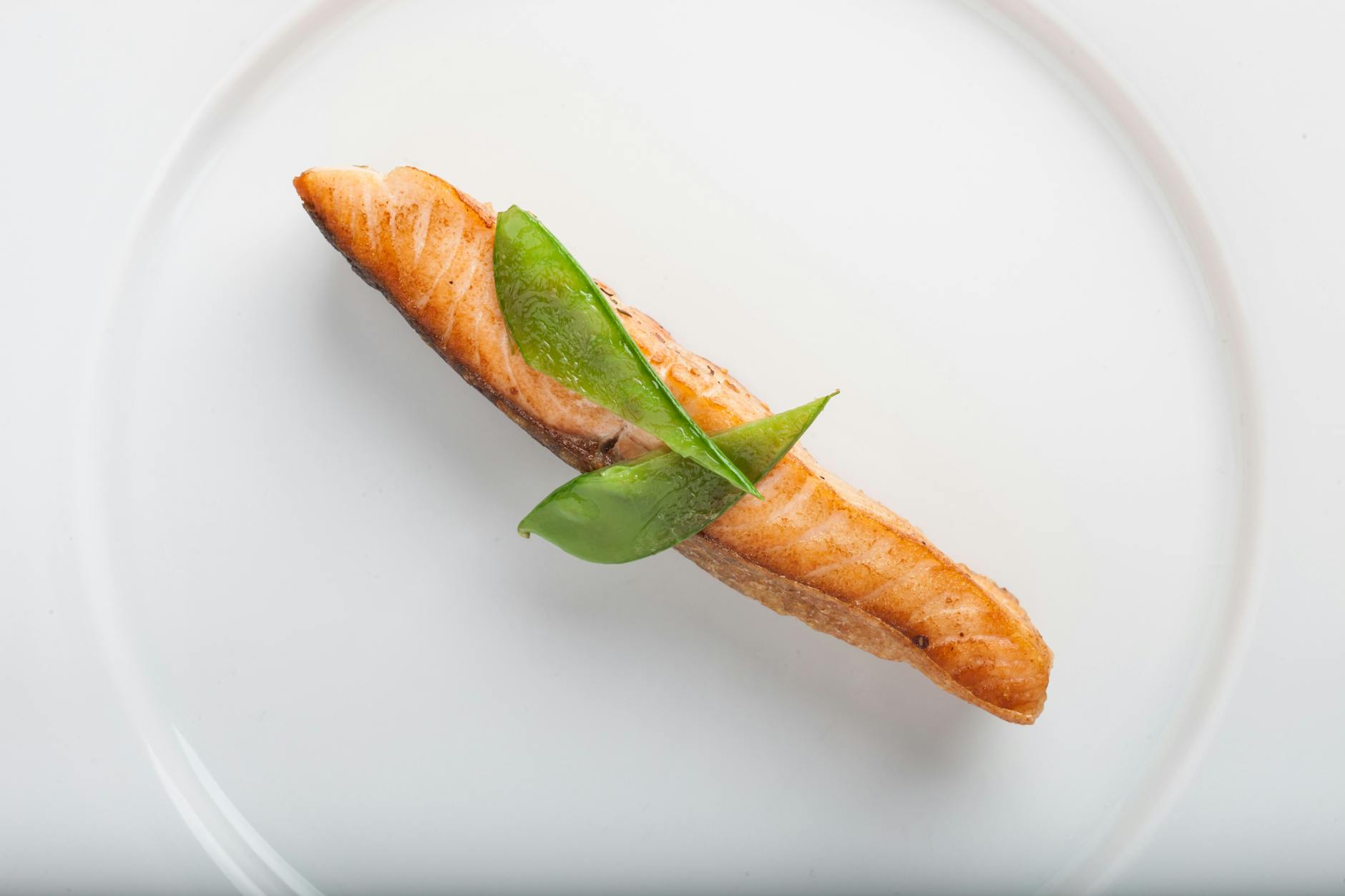
Yes, salmon is generally safe for cats to eat when prepared properly, but it comes with important caveats that every cat owner should understand. Cooked, boneless salmon offered in moderation can be a healthy treat that provides omega-3 fatty acids, protein, and other nutrients beneficial to feline health. However, raw salmon poses serious health risks, and even properly prepared salmon should never become a dietary staple. A cat named Oliver in Seattle developed a severe thiamine deficiency after his well-meaning owner fed him canned salmon daily for three months, illustrating how even safe foods can become dangerous when fed incorrectly.
The relationship between cats and fish is often misunderstood. While popular culture depicts cats as fish-obsessed creatures, most wild cats rarely encounter fish, and domestic cats have no biological need for it. Salmon can certainly be part of a healthy diet, but understanding the differences between raw and cooked preparations, recognizing appropriate portion sizes, and knowing which cats should avoid salmon entirely are essential for responsible pet ownership. This article covers the specific risks of raw salmon, how to safely prepare this fish for your cat, portion guidelines, and situations where salmon should be avoided altogether.
Table of Contents
- What Makes Salmon Safe or Unsafe for Cats?
- The Nutritional Benefits of Salmon for Feline Health
- How Much Salmon Can Cats Eat: Portion Guidelines
- When Cats Should Not Eat Salmon
- Can Cats Eat Salmon Skin and Bones?
- Comparing Salmon to Other Fish Options for Cats
- Conclusion
What Makes Salmon Safe or Unsafe for Cats?
The safety of salmon for cats depends almost entirely on preparation method. Cooked salmon that has been baked, poached, grilled, or steamed without added oils, seasonings, or salt is safe for most healthy adult cats. The cooking process eliminates harmful bacteria and parasites while denaturing an enzyme called thiaminase that destroys vitamin B1. When salmon reaches an internal temperature of 145°F, these dangers are neutralized, leaving behind a protein-rich food that cats typically find palatable. raw salmon presents a different picture entirely. Pacific salmon frequently carries a parasite called Neorickettsia helminthoeca, which causes salmon poisoning disease. While this condition is more commonly discussed in relation to dogs, cats can also become infected.
Raw salmon may also harbor bacteria including Salmonella and Listeria, along with parasites such as tapeworms and roundworms. The thiaminase enzyme present in raw fish actively breaks down thiamine, and cats fed raw fish regularly can develop a deficiency within weeks. Symptoms include loss of appetite, seizures, and in severe cases, death. Smoked salmon occupies a gray area that leans toward unsafe. While the smoking process does kill some pathogens, it does not eliminate all parasites, and the extremely high sodium content makes it inappropriate for cats. A single ounce of smoked salmon contains approximately 567 milligrams of sodium, far exceeding what a cat should consume in an entire day. Canned salmon raises similar concerns due to added salt, though varieties packed in water with no salt added can be acceptable in small amounts.
The Nutritional Benefits of Salmon for Feline Health
Salmon offers genuine nutritional value when incorporated appropriately into a cat‘s diet. The omega-3 fatty acids EPA and DHA found abundantly in salmon support cognitive function, reduce inflammation, and promote healthy skin and coat condition. Cats with dry, flaky skin or dull coats sometimes show improvement when omega-3 sources are added to their diet. The protein in salmon is highly digestible and contains all the essential amino acids cats require, including taurine, though not in sufficient quantities to serve as a sole protein source. However, these benefits have significant limitations. Commercial cat foods formulated to meet AAFCO standards already contain appropriate levels of omega-3 fatty acids, protein, and other nutrients. A cat eating a balanced commercial diet does not need salmon for nutritional purposes.
The benefits of salmon become most relevant for cats eating homemade diets under veterinary supervision, or as an occasional high-value treat that happens to be healthier than many commercial alternatives. Expecting salmon to dramatically improve a healthy cat’s condition sets unrealistic expectations. The thiamine concern deserves repeated emphasis. Even cooked salmon should not constitute more than 10 percent of a cat’s caloric intake. Cats who eat excessive amounts of any fish, even properly prepared, risk developing nutritional imbalances. One study found that cats fed fish-based diets exclusively showed lower levels of vitamin E and certain B vitamins compared to cats eating varied protein sources. Salmon works best as an occasional addition rather than a dietary foundation.
How Much Salmon Can Cats Eat: Portion Guidelines
Appropriate portion sizes depend on your cat’s weight, overall diet, and health status. For an average ten-pound adult cat, one to two tablespoons of cooked salmon once or twice per week represents a reasonable amount. This quantity provides the flavor cats enjoy and some nutritional benefit without displacing essential nutrients from their regular food. Treats of all kinds, including salmon, should constitute no more than 10 percent of a cat’s daily caloric intake, with the remaining 90 percent coming from nutritionally complete cat food. The tradeoff between treat frequency and portion size matters. Offering a small amount of salmon more frequently, such as a teaspoon three times per week, may work better for training purposes or medication administration than a larger portion given rarely.
However, some cats develop strong preferences for fish and may begin refusing their regular food if salmon appears too often. This behavior, sometimes called “hunger strikes,” can lead owners to offer more salmon, creating a cycle that results in nutritional deficiency. Cats are remarkably stubborn and have been known to refuse food for days when holding out for preferred items. Kittens and senior cats require adjusted portions. Kittens under one year should receive even smaller amounts, as their developing digestive systems may not tolerate rich foods well, and their nutritional needs are more precisely calibrated. Senior cats, particularly those with kidney disease, may need to avoid salmon entirely due to its phosphorus content. When in doubt about appropriate portions for your specific cat, consulting with a veterinarian provides personalized guidance that accounts for individual health factors.
When Cats Should Not Eat Salmon
Certain medical conditions make salmon inappropriate regardless of preparation method. Cats with chronic kidney disease must limit phosphorus intake, and salmon contains significant amounts of this mineral. The protein content, while generally beneficial, can stress compromised kidneys. Cats with diagnosed fish allergies obviously cannot eat salmon, and fish ranks among the more common feline food allergens. Symptoms of fish allergy include itching, skin lesions, vomiting, and diarrhea, typically appearing within hours of consumption. Cats taking certain medications may need to avoid salmon due to potential interactions. The vitamin K in salmon can interfere with blood-thinning medications, though the amounts in occasional small servings are unlikely to cause problems.
More concerning is the histamine content in fish, which can reach high levels if the salmon was not properly handled before purchase. Cats taking antihistamines or those with mast cell tumors should avoid fish due to histamine considerations. Any cat with a history of pancreatitis should avoid fatty foods including salmon, as dietary fat can trigger painful flare-ups. A warning about frequency applies even to healthy cats. Some cats develop an almost addictive preference for fish, refusing other foods and demanding salmon or similar fish at every meal. This behavioral pattern, combined with the nutritional limitations of fish-heavy diets, can create serious problems. If your cat begins showing signs of fish obsession, reducing frequency or eliminating salmon temporarily usually resolves the issue, though persistence may be required.
Can Cats Eat Salmon Skin and Bones?
Salmon skin is not toxic to cats but presents digestive challenges that make it a poor choice. The skin contains high concentrations of fat that can cause vomiting, diarrhea, or pancreatitis in sensitive cats. It also tends to be rubbery and difficult to chew thoroughly, creating a choking risk. If your cat accidentally consumes a small piece of salmon skin, serious harm is unlikely, but deliberately offering skin provides no benefit and introduces unnecessary risk. Remove skin before cooking when preparing salmon for your cat. Salmon bones pose more serious dangers.
Unlike the small, soft bones in canned salmon that have been pressure-cooked until they crumble, bones in fresh salmon are hard and prone to splintering. These sharp fragments can lodge in the throat, puncture the esophagus or stomach lining, or cause intestinal blockages. A veterinary emergency clinic in Portland reported treating a cat who required surgery after salmon bone fragments perforated his intestinal wall. The surgery was successful, but the cat spent four days hospitalized and the owner faced a substantial veterinary bill for what started as a well-intentioned treat. The exception involves commercially prepared salmon cat foods, where bones have been ground or processed until safe. These products undergo manufacturing processes that eliminate bone hazards while potentially retaining some calcium benefit. However, offering whole bones from fresh salmon under any circumstances should be avoided.

Comparing Salmon to Other Fish Options for Cats
Salmon is neither the safest nor the most dangerous fish option for cats. Sardines, when offered in water without added salt, provide similar omega-3 benefits with smaller bones that soften during canning. Whitefish such as cod or tilapia contains less fat than salmon, making it potentially easier to digest, though it also offers fewer omega-3 fatty acids. Tuna, perhaps the most popular fish treat for cats, actually carries higher risks than salmon due to elevated mercury levels and stronger potential for creating addictive eating behaviors.
Certain fish should be avoided entirely. Raw fish of any variety poses the parasitic and bacterial risks discussed earlier. Fish high in mercury, including tuna, swordfish, king mackerel, and tilefish, can cause mercury toxicity with regular consumption. Shellfish may trigger allergic reactions and often contains harmful bacteria. When choosing fish treats for cats, salmon prepared correctly represents a middle-ground option that provides genuine benefits without the elevated risks of high-mercury fish or the minimal nutritional value of heavily processed fish-flavored treats.
Conclusion
Salmon can be a safe and nutritious occasional treat for most healthy adult cats when prepared correctly. The key requirements are thorough cooking to eliminate parasites and harmful enzymes, removal of all bones and skin, avoidance of seasonings and added salt, and strict portion control. Meeting these conditions transforms salmon from a potential hazard into a protein-rich treat that provides omega-3 fatty acids and variety in your cat’s diet.
The most important takeaway involves moderation and proper preparation rather than avoidance. Cats who enjoy salmon can continue receiving it as an occasional treat, ideally limited to once or twice weekly in tablespoon-sized portions. Cats with kidney disease, fish allergies, or certain other medical conditions should avoid salmon entirely, and any cat showing signs of digestive upset after eating salmon should not receive it again without veterinary guidance. When in doubt about whether salmon is appropriate for your specific cat, a conversation with your veterinarian provides clarity based on individual health status and dietary needs.