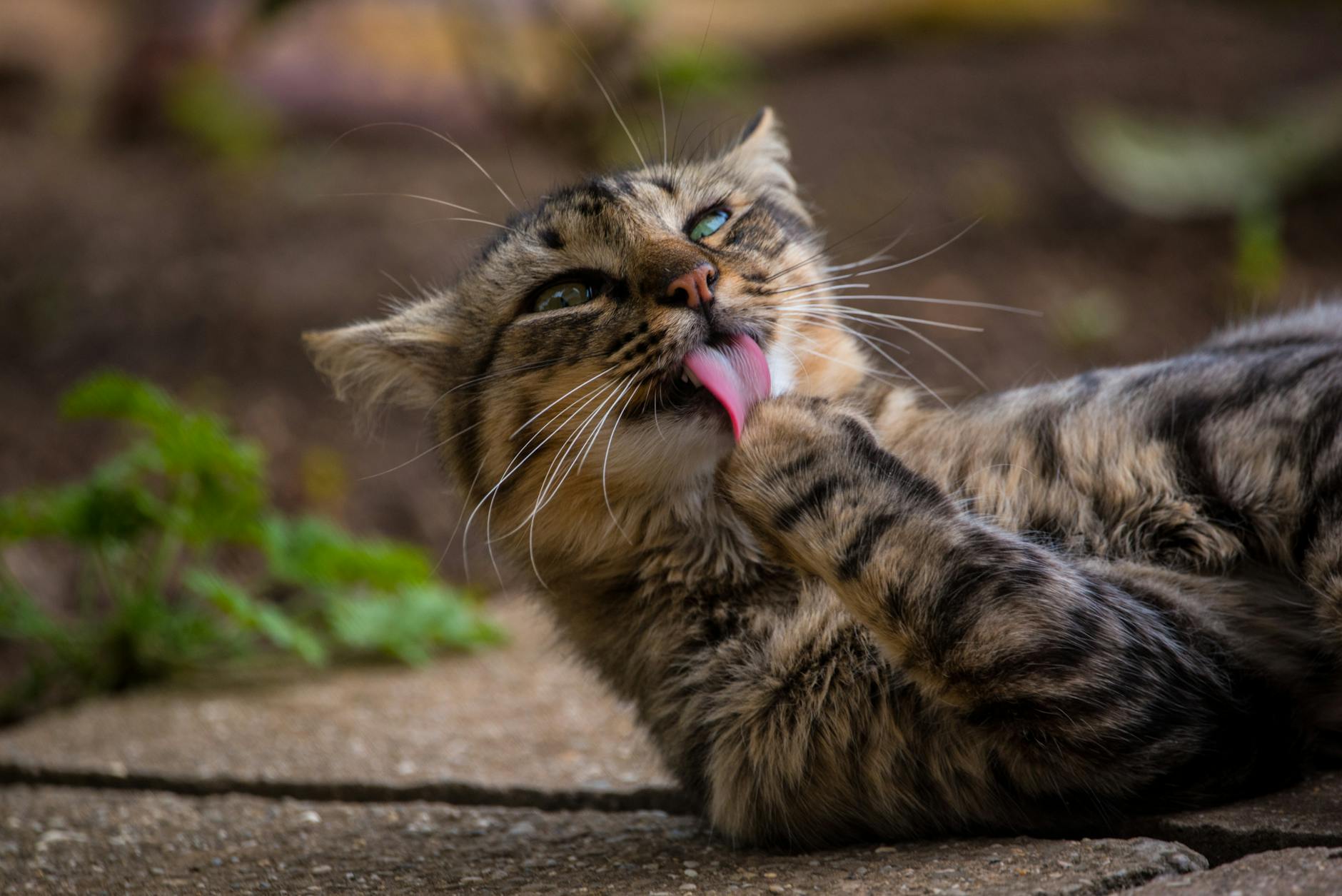
No, it is not safe for cats to lick plates with butter sauce. Butter sauce poses multiple health risks to cats, primarily because they lack the digestive enzymes to process dairy properly and because many butter sauces contain ingredients toxic to felines. If your cat licks a plate with butter sauce once, the risk depends on the amount and specific ingredients, but repeated exposure or large quantities can cause serious health problems ranging from digestive upset to organ damage.
Cats are obligate carnivores with digestive systems designed for meat, not dairy or processed fats. Most adult cats are lactose intolerant, meaning they cannot digest the lactose in butter effectively. Beyond lactose, butter sauce often contains garlic, onions, excessive salt, or artificial ingredients like xylitol—all of which are toxic to cats at various concentrations. A cat that sneaks a lick of hollandaise sauce from a plate of eggs Benedict might experience mild vomiting or diarrhea, but a cat that regularly has access to creamy, garlicky pan sauces faces cumulative toxicity risks.
Table of Contents
- Why Butter and Cats Don’t Mix
- The Digestive System Damage From High-Fat Foods
- Hidden Toxins in Common Butter Sauces
- Preventing Access and Managing Curiosity
- Recognizing Poisoning and When to Call the Vet
- Safe Alternatives to Share With Your Cat
- Understanding Your Cat’s Dietary Needs Long-Term
- Conclusion
Why Butter and Cats Don’t Mix
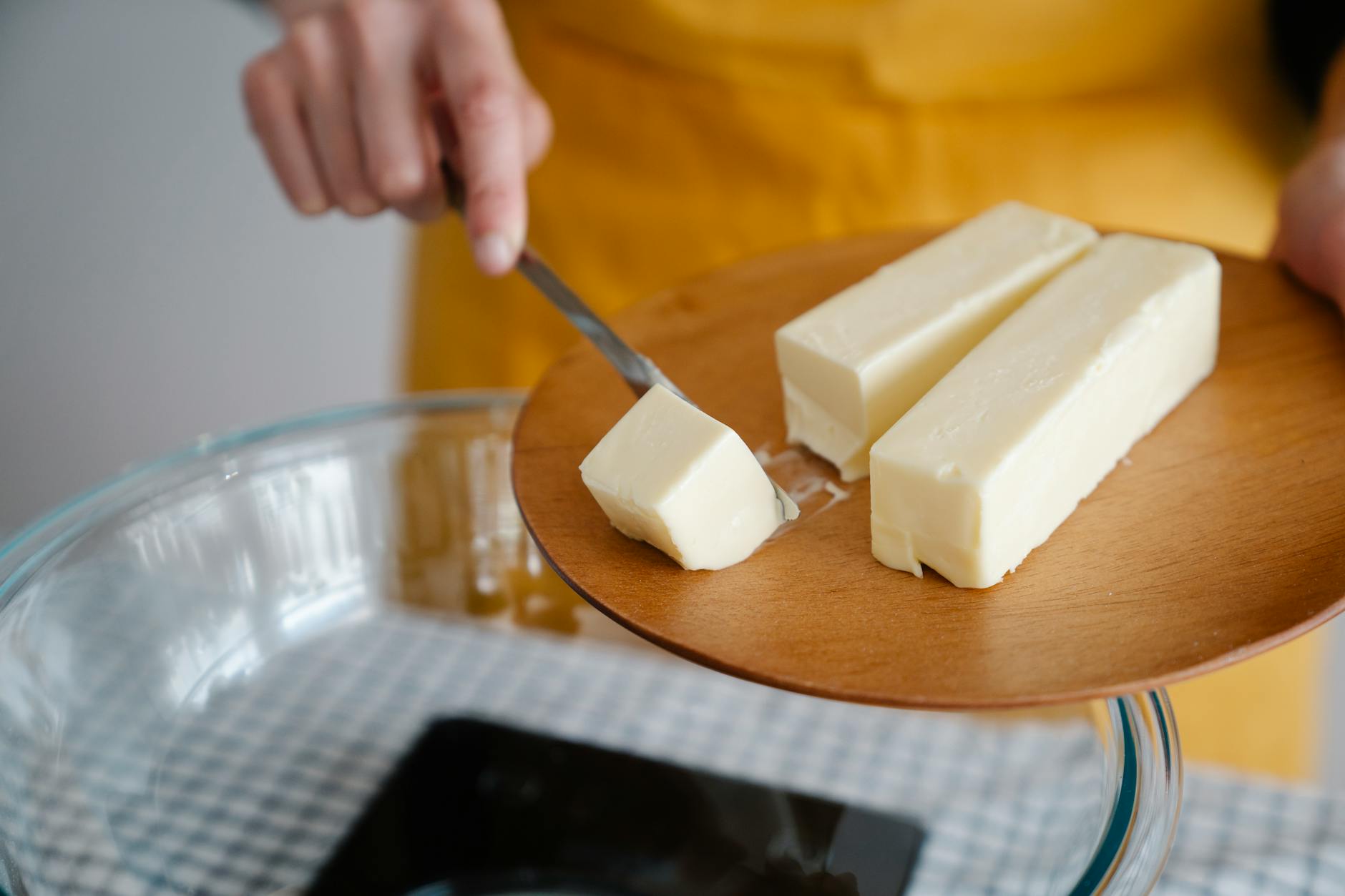
Butter itself is primarily fat, and while small amounts of plain butter won’t immediately poison a cat, the high fat content can trigger digestive distress and pancreatitis in susceptible animals. Cats’ livers are not equipped to process large quantities of fat the way human or even dog livers can. A single lick of plain melted butter might go unnoticed, but even modest amounts can cause stomach upset, loose stools, or vomiting within hours.
The real danger escalates when butter is part of a sauce. Butter sauces are rarely just butter—they typically include cream, milk, wine, or stock as a base, and seasonings that transform them from merely indigestible to actively harmful. A Béarnaise sauce, for example, combines butter with egg yolks, vinegar, and often shallots or tarragon. A cat lapping at this combination faces lactose overload from the yolk fat and potential irritation from the vinegar, plus the risk of shallot exposure if the sauce wasn’t properly strained.
The Digestive System Damage From High-Fat Foods
Pancreatitis—inflammation of the pancreas—is one of the most serious consequences of cats consuming high-fat foods repeatedly. The pancreas produces digestive enzymes, and when overstimulated by fatty meals, it can become inflamed and stop functioning properly. Symptoms include loss of appetite, lethargy, abdominal pain, and vomiting. Some cats develop acute pancreatitis after a single fatty meal; others develop chronic pancreatitis from repeated exposure.
Once a cat has experienced pancreatitis, they become more prone to future episodes. This means that a cat with a history of butter sauce exposure faces a higher risk threshold than a cat with no prior exposure. Veterinarians often cannot reverse the damage—they can only manage the condition through diet and supportive care. The limitation here is significant: even after full recovery from an acute episode, the cat’s pancreas remains weakened, making future dietary indiscretions more dangerous.
Hidden Toxins in Common Butter Sauces
Many butter sauces contain garlic or onions, both of which are toxic to cats and damage their red blood cells. Garlic is more toxic than onions on a per-weight basis, but both can cause hemolytic anemia if consumed in sufficient quantity. A teaspoon of garlic butter might not cause immediate collapse, but it will damage red blood cells progressively. A cat that licks garlic-butter plates weekly could develop anemia symptoms over weeks—lethargy, pale gums, and weakness—without the owner realizing the cause.
Some prepared butter sauces also contain xylitol, an artificial sweetener used in many commercial products. Xylitol is extremely toxic to cats even in small amounts and can cause liver failure and low blood sugar. A cat that licks a single spoonful of xylitol-containing sauce might develop hypoglycemia within hours, showing signs like trembling, disorientation, or seizures. Always check ingredient labels if your cat has access to any commercial sauce—this is a hard rule with no safe threshold.
Preventing Access and Managing Curiosity
The most effective approach is preventing the problem entirely. Don’t leave plates with butter sauce unattended where cats can access them, and wash dishes promptly after meals. Cats are drawn to the smell of rich fats, so a plate with sauce residue is an attractive target even hours after eating. Keep butter, cream, and prepared sauces stored in closed cabinets, and never assume your cat won’t be interested—even a cat that ignores chicken will investigate something with the aroma of butter and garlic.
If you’re serving food that includes butter sauce and your cat is present, consider temporarily confining the cat to a different room during the meal and cleanup. This sounds extreme, but it eliminates the temptation and removes any uncertainty about what your cat consumed. The tradeoff is minor inconvenience compared to a trip to the emergency vet clinic for acute vomiting or pancreatitis. Some cat owners use baby gates or closed doors; others simply feed their cats in a separate space during human meal times.
Recognizing Poisoning and When to Call the Vet
If your cat licks a butter sauce plate, watch for vomiting, diarrhea, or lethargy within the next 12 hours. Mild symptoms like loose stools or a single episode of vomiting might resolve on their own, especially if it was just a small amount of plain butter. However, if the sauce contained garlic, onions, or xylitol, or if your cat shows any severe symptoms like loss of appetite lasting more than a few hours, trembling, or pale gums, contact your veterinarian immediately. A critical limitation is that some damage happens silently.
A cat might not show symptoms after consuming a butter sauce with onions, but the damage to red blood cells is accumulating. This is why repeated exposure is more concerning than a single incident. If your cat has a habit of stealing licks from plates or human food, mention this to your vet at routine checkups. Your vet can run blood work to check liver and pancreas function, and rule out anemia if your cat seems tired or has pale gums.
Safe Alternatives to Share With Your Cat
If you want to give your cat a taste of something rich and savory, offer a small amount of plain cooked meat or a cat-specific treat formulated with digestible fats and proteins. Plain boiled chicken breast or turkey has the savory appeal cats are drawn to without the dangerous ingredients. Commercial cat treats designed for adult cats use fats that their bodies can process safely—these are a better option than human food remnants.
Some cat owners offer a tiny amount of plain, unsalted bone broth as an occasional treat. Bone broth made from bones and water, with no added salt or seasonings, provides some of the richness cats crave while being digestible. Keep portions to a tablespoon or less, and ensure it contains no garlic, onion, or salt. This gives your cat the experience of a special treat while protecting their health.
Understanding Your Cat’s Dietary Needs Long-Term
As cats age, their digestive systems become less forgiving. A young adult cat might tolerate an accidental butter sauce lick with minimal symptoms, while a senior cat with compromised organ function could develop serious complications from the same exposure. This makes prevention increasingly important for older cats.
Additionally, cats with preexisting conditions like diabetes, kidney disease, or previous pancreatitis are at much higher risk and should have zero access to butter, cream, or fat-heavy human foods. The long-term outlook for cat health and nutrition is moving toward better owner education about feline nutritional needs. More veterinary resources are available now than ever before about why cats differ so dramatically from dogs in their dietary tolerances. Understanding that your cat’s digestive system is fundamentally different from yours—not just smaller, but differently structured—is the foundation for keeping them safe and healthy throughout their lives.
Conclusion
Butter sauce is not safe for cats, and the risks include lactose intolerance, pancreatitis from high fat content, and potential toxicity from common sauce ingredients like garlic and xylitol. While a single small lick might not cause immediate harm, repeated exposure or larger quantities can lead to serious health problems. The safest approach is to prevent access entirely by not leaving plates with sauce unattended and by storing butter and cream-based products securely.
If your cat does consume butter sauce, monitor for vomiting, diarrhea, lethargy, or other symptoms over the following 12 hours and contact your vet if anything seems abnormal. Offer your cat safe alternatives like plain cooked meat or cat-specific treats if you want to give them something special. By understanding why butter sauce is dangerous and taking simple preventive steps, you can keep your cat healthy and avoid emergency vet visits.