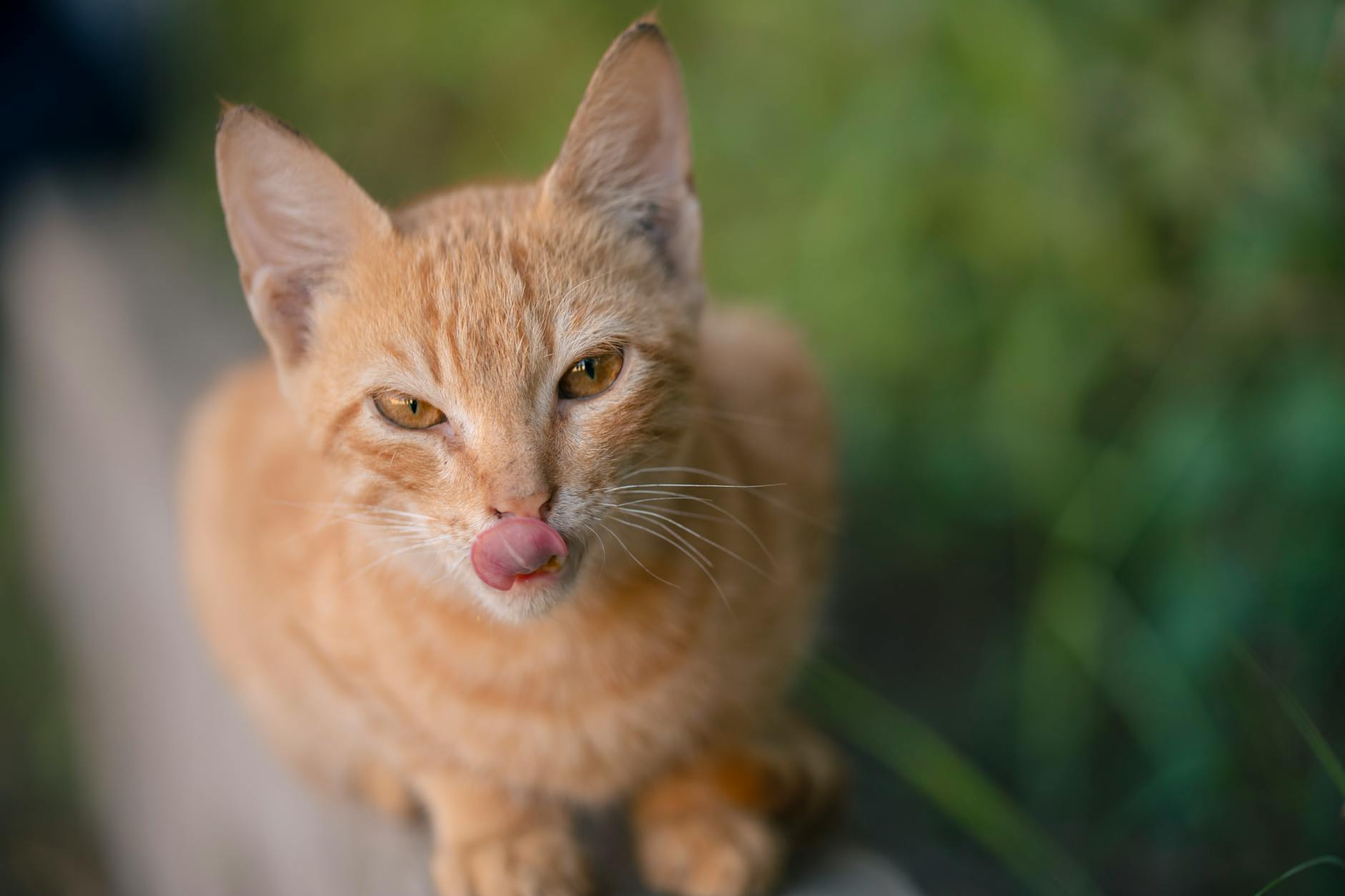
Cats licking your lips is generally safe for most healthy people, but it’s not without minor risks and should be managed with some caution. While a cat’s saliva is not inherently dangerous and a quick lick here and there poses minimal concern, repeated lip contact with your cat introduces bacteria that can occasionally cause problems, particularly for people with compromised immune systems or open mouth sores. The key is understanding what’s happening when your cat does this and knowing when to set boundaries.
Your cat licks your lips for several reasons—it’s a sign of affection and bonding, similar to how cats groom each other in colonies. However, this behavior can also indicate your cat is hungry, seeking attention, or even trying to taste something residual on your mouth. For example, if you’ve just eaten something with strong flavors, your cat might be intensely interested in licking your lips simply because it’s curious about what you’ve consumed.
Table of Contents
- Why Do Cats Lick Your Face and Lips?
- Health Concerns When Cats Lick Your Mouth
- Cat Bacteria and Saliva: What You Should Know
- How to Safely Manage Your Cat’s Lip-Licking Behavior
- When Lip Licking Becomes a Problem
- Understanding Your Cat’s Affection
- Building Healthy Boundaries With Your Cat
- Conclusion
- Frequently Asked Questions
Why Do Cats Lick Your Face and Lips?
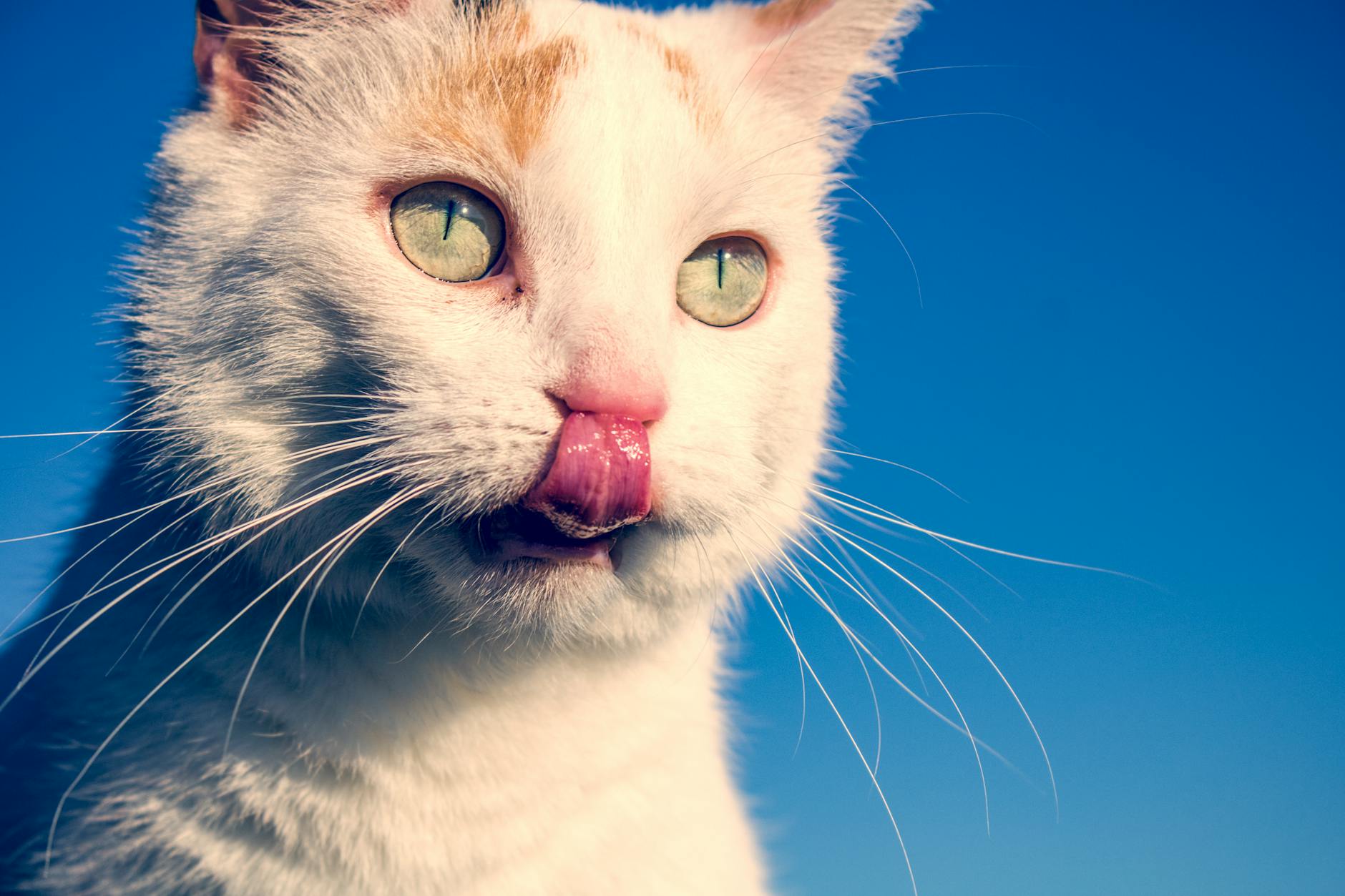
Lip licking is one of the most direct forms of affection a cat can show. When cats lick each other’s faces in multi-cat households, it reinforces social bonds and establishes hierarchy within the group. When your cat licks your lips, they’re often extending that same bonding behavior to you as a family member. This is particularly common in cats that were socialized well as kittens and see you as part of their social structure.
The motivation behind lip licking varies depending on context. A cat that licks your lips when you’re lying in bed is likely showing comfort and trust. In contrast, a cat that obsessively licks your mouth after meals is probably responding to food scents or tastes. Some cats develop a preference for the salt in human skin and the moisture on lips, making this area particularly attractive. If your cat suddenly starts intensely licking your lips when they didn’t before, it’s worth considering whether a recent change in your diet or skincare products might be triggering this behavior.
Health Concerns When Cats Lick Your Mouth
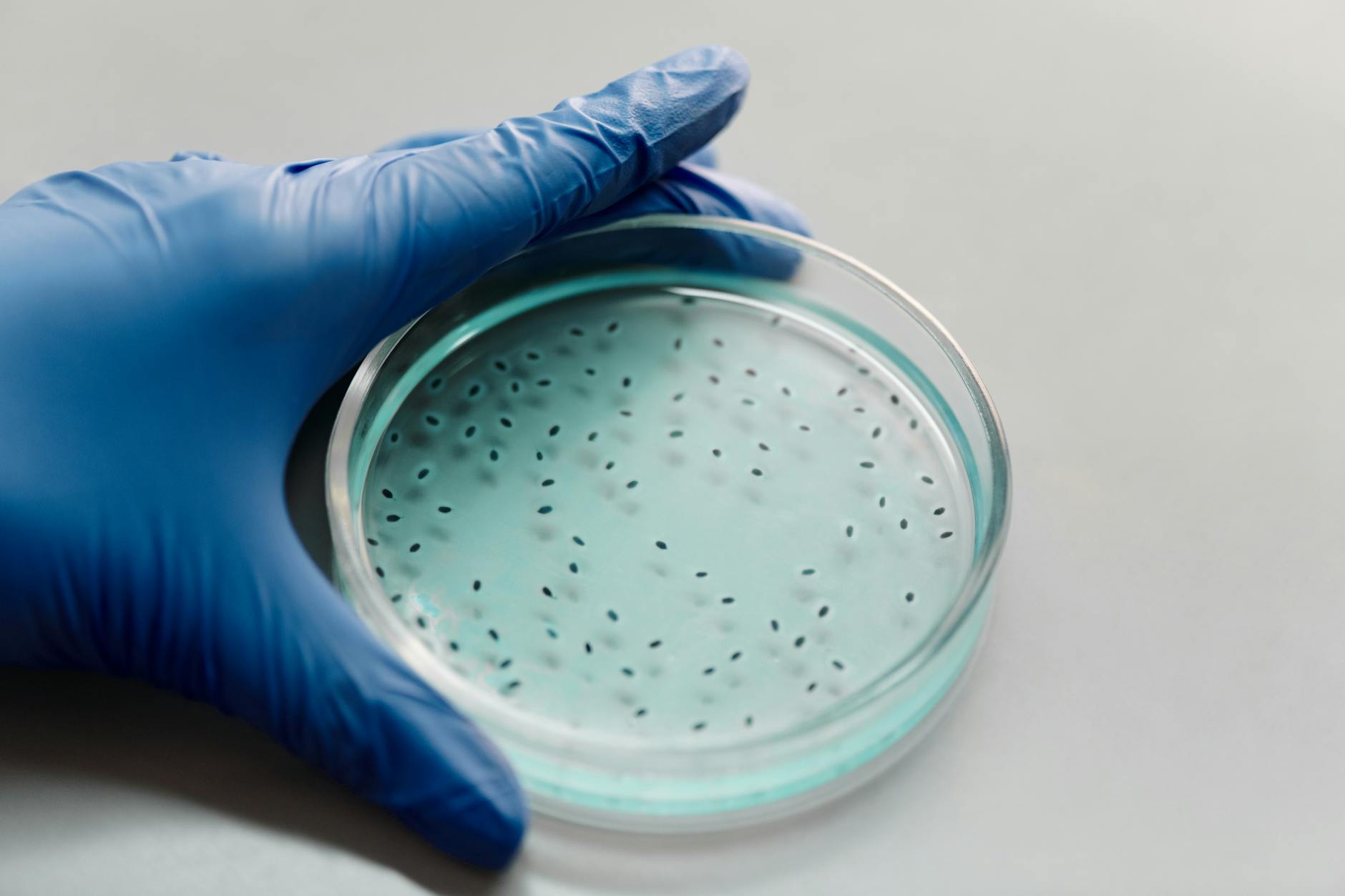
The main health consideration with cat lip-licking relates to oral bacteria transfer. Your cat’s mouth contains numerous bacteria, including Pasteurella multocida, which is generally harmless to cats but can occasionally cause infection in humans through open wounds or cuts. The risk increases significantly if you have any sores, cuts, or inflammation in or around your mouth. For someone with an intact immune system, this risk is minimal, but immunocompromised individuals—those with HIV, diabetes, or those taking immunosuppressive medications—should be more cautious.
A limitation of most discussions about cat saliva safety is that they tend to overstate the danger. Your mouth and lips are designed with natural defenses against bacterial infection, including saliva’s antimicrobial properties and the protective mucous membranes. However, if you regularly allow your cat to lick inside your mouth or on your lips and then touch your eyes, you could theoretically increase your risk of eye infections. This is where practical boundaries become important—allowing occasional lip licks is different from making it a frequent habit, particularly if you have any cuts or mouth sores present.
Cat Bacteria and Saliva: What You Should Know
Beyond Pasteurella, cats can carry other bacteria in their mouths, including Bartonella, which is associated with cat scratch disease. However, this bacterium is typically transmitted through bites and scratches that break the skin, not through saliva contact with intact lips. The risk of oral transmission from saliva alone is extraordinarily low for healthy individuals. Many cat owners spend years with their cats licking their faces without incident, suggesting that the actual risk under normal circumstances is quite minimal.
One important caveat: if your cat has been eating raw meat or frequent outdoor prey, their bacterial load may be higher than an indoor cat that eats commercial pet food. A cat that brings dead birds or mice inside has exposure to environmental bacteria that it could theoretically transmit through saliva. This is one of several reasons veterinarians recommend keeping cats indoors—it reduces not only their exposure to diseases but also their potential to carry and spread zoonotic pathogens. If you have an outdoor or indoor-outdoor cat, being slightly more cautious about lip contact is reasonable.
How to Safely Manage Your Cat’s Lip-Licking Behavior
The safest approach is to redirect the behavior gently rather than allow it to become excessive. When your cat starts licking your lips, you can move your face away and instead offer your hand or cheek for them to lick, which poses less risk since those areas have thicker skin and you’re less likely to touch your mouth afterward. Rewarding your cat with treats or affection when they lick less sensitive areas reinforces the alternative behavior. Over time, many cats learn that there are better ways to show affection and get attention.
Compared to trying to completely prevent your cat from ever licking your face—which is impractical and could damage your relationship—managing the behavior is a more realistic goal. You might allow an occasional lip lick when your mouth is clean and you have no sores, while firmly redirecting more frequent attempts. The tradeoff is that you maintain the affectionate bond with your cat while reducing any potential health risk to near-zero levels. Teaching your cat to lick your hands or forehead instead is a perfectly acceptable compromise that respects both their need for affection and your health preferences.
When Lip Licking Becomes a Problem
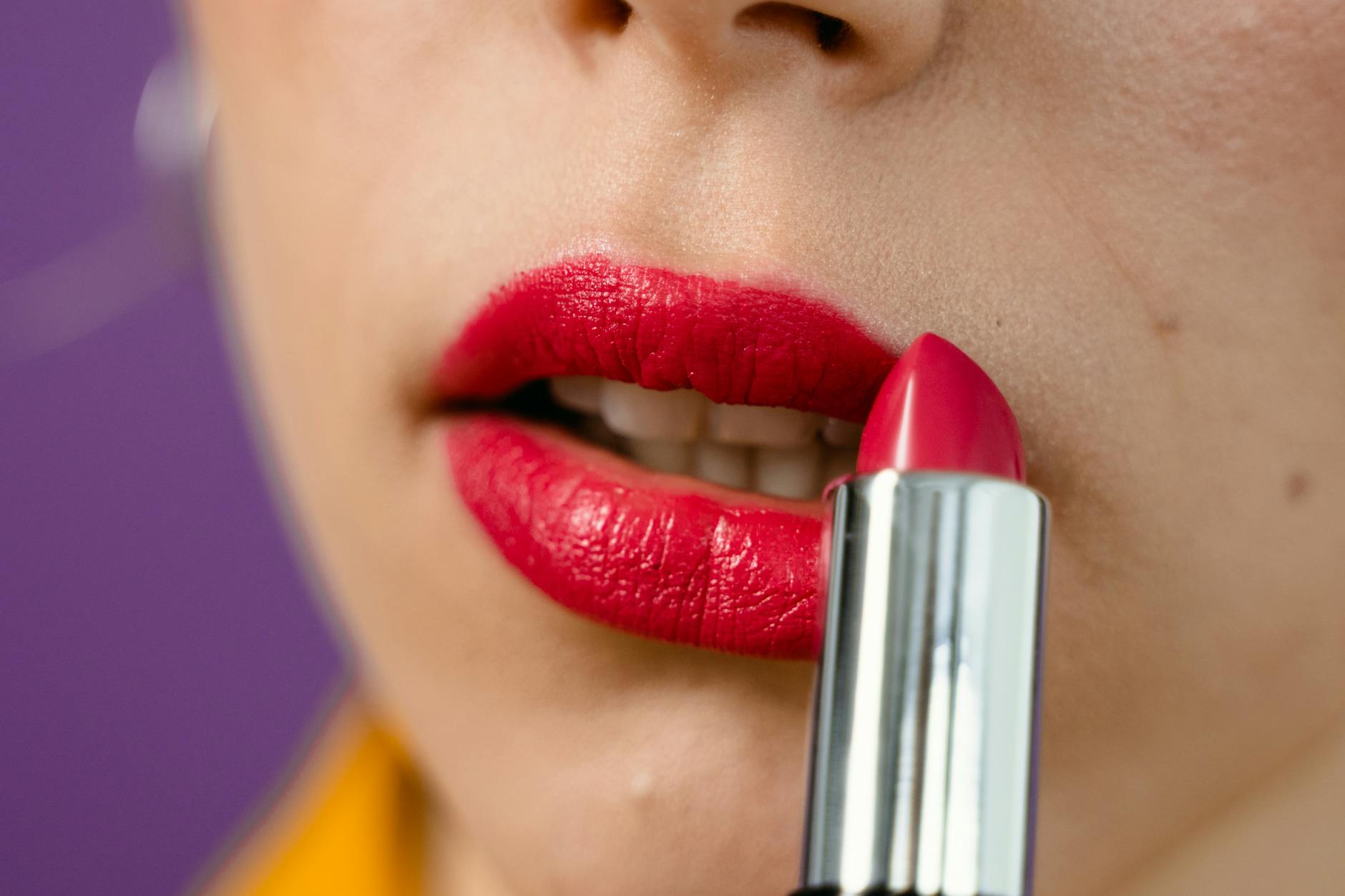
If your cat is obsessively licking your lips to the point of causing irritation, redness, or rawness, this signals that a boundary adjustment is necessary. Persistent licking can remove protective oils from your lips and lead to chapped, cracked lips—and those small fissures become entry points for bacteria. Additionally, if your cat’s lip-licking behavior is accompanied by other signs of stress or compulsive behavior (excessive grooming, hair loss, destructive behavior), it may indicate an underlying behavioral or medical issue that warrants veterinary attention.
A warning worth noting: if you have any mouth ulcers, cold sores, or active oral inflammation, you should absolutely prevent your cat from licking your lips during that time. The combination of open tissue and your cat’s bacteria creates unnecessary risk. Similarly, if you’ve recently had dental work or extractions, maintaining strict boundaries around your mouth is wise until the tissue has fully healed. These are temporary situations where the risk-benefit calculation clearly shifts toward prevention.
Understanding Your Cat’s Affection
Cats express affection in subtle ways that many people misinterpret. A cat that licks your lips is demonstrating trust and comfort, which are signs of a healthy bond. This behavior is most common in cats that were handled frequently as kittens or in cats with particularly social personalities.
Some breeds, like Siamese and other vocal breeds, seem more inclined toward face-licking as part of their communicative and affectionate repertoire. It’s important not to interpret lip-licking as a negative behavior—it comes from a place of bonding and trust. Rather than completely stopping the behavior, most experts recommend redirecting it to safer areas of your body, which preserves the positive interaction while reducing any potential risk.
Building Healthy Boundaries With Your Cat
Creating boundaries around physical affection doesn’t diminish your relationship with your cat; it actually strengthens it by preventing problems before they start. Cats are remarkably adaptable and quickly learn where they can and cannot lick if you’re consistent.
The key is to redirect consistently every time, not just sometimes, so your cat understands the new boundary clearly. Looking forward, as more research emerges on human-pet interactions, the consensus continues to support what most cat owners intuitively know: cats and humans can coexist safely with appropriate boundaries. The future of pet health includes better understanding of zoonotic transmission risk, which will likely reinforce the current guidance that healthy individuals have minimal risk from casual contact with their cats’ saliva.
Conclusion
Is it safe for your cat to lick your lips? Yes, for the vast majority of healthy people, occasional lip-licking from your cat poses no realistic health threat. The risks are minimal, manageable, and far outweighed by the positive bonding experience between you and your pet. However, safety doesn’t mean unlimited—using common sense by maintaining boundaries during times of illness, preventing obsessive behavior, and being extra cautious if you’re immunocompromised or have mouth sores strikes the right balance.
Your cat’s desire to lick your face is a sign of affection and trust. Rather than seeing this as something to prevent entirely, focus on managing it thoughtfully by redirecting to safer areas, maintaining good oral hygiene, and watching for any signs of problems. With these simple precautions in place, you can enjoy the affectionate interactions your cat offers while keeping health risks negligible.
Frequently Asked Questions
What should I do if my cat licks a cut or sore in my mouth?
Gently clean the area with water and monitor it for signs of infection (increased redness, swelling, or discharge). For most people, this will heal without incident. If you notice signs of infection developing over a few days, contact your healthcare provider.
Can I get a disease from my cat licking my lips?
The risk is extremely low for healthy individuals. The most commonly discussed risk is Pasteurella from cat saliva, but transmission through lip contact alone is rare. Immunocompromised individuals should be more cautious and may want to prevent lip contact entirely.
My cat obsessively licks my lips and it’s annoying. How do I stop it?
Redirect the behavior consistently by moving your face away and offering your hand instead. Reward your cat when they lick your hands or other approved areas. Consistency is key—it typically takes a few weeks for cats to learn the new boundary.
Is it different if my cat licks inside my mouth versus the outside of my lips?
Yes—inside your mouth gives bacteria more direct access to your oral tissues. It’s best to prevent mouth-inside licking entirely and only allow contact with the outside of your lips if at all.
Should I stop letting my cat lick my face if I’m pregnant?
Pregnant individuals should take standard precautions around pet contact, including preventing lip-licking. Consult with your healthcare provider about appropriate boundaries during pregnancy.
Why does my cat lick my lips more when I’ve eaten?
Your cat is likely tasting food residue or enjoying the salt on your lips. Clean your lips before extended face time with your cat if you prefer to reduce this behavior.