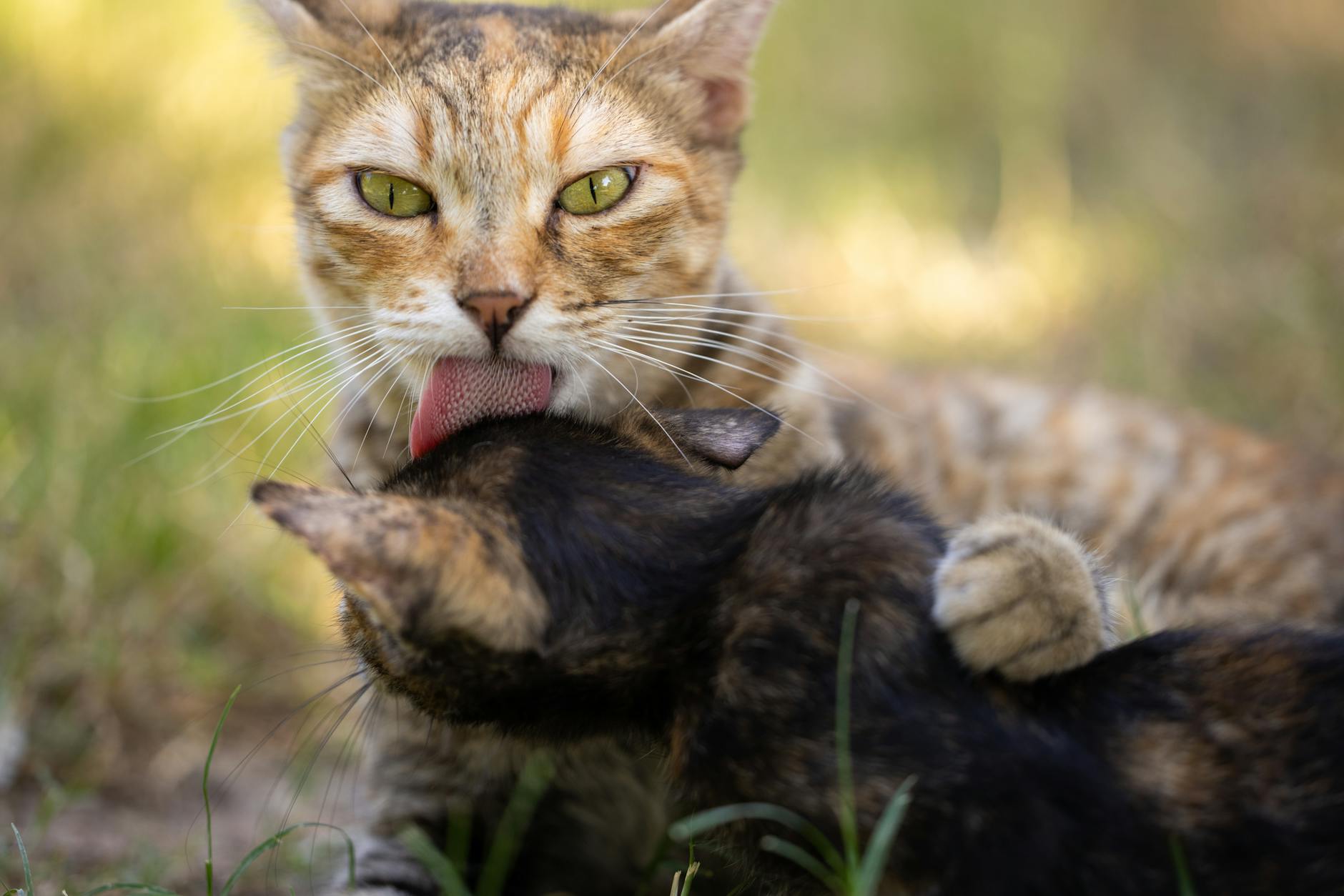
It’s generally not recommended to allow your cat to lick your fingers after handling raw fish, particularly if the fish has been sitting at room temperature or if you’re unsure of its source and freshness. While cats have naturally acidic stomachs that can kill many bacteria, raw fish carries real risks including Salmonella, Listeria, and parasitic infections that even a cat’s stomach acid may not fully eliminate. For example, if you’ve just handled raw salmon from a grocery store for your own meal and your cat licks your hand afterward, you could inadvertently transfer pathogens that cause serious gastrointestinal illness in cats.
The safest approach is to wash your hands thoroughly with soap and warm water after handling any raw fish before allowing your cat to interact with you. Beyond the immediate bacterial risk, there’s also the concern of thiaminase, an enzyme found in raw fish that can destroy thiamine (vitamin B1) in your cat’s body if consumed regularly, potentially leading to neurological problems. A single lick from fingers with raw fish residue likely won’t cause serious harm, but it’s a habit best prevented.
Table of Contents
- What Bacteria and Pathogens Are Found in Raw Fish?
- The Risk of Thiaminase and Nutritional Deficiency
- How Cats’ Digestive Systems Handle Raw Fish
- Practical Steps to Prevent Raw Fish Exposure
- Signs of Food Poisoning or Parasitic Infection in Cats
- When Raw Fish Might Be Safer—And When It’s Not
- The Broader Picture of Raw Feeding for Cats
- Conclusion
What Bacteria and Pathogens Are Found in Raw Fish?
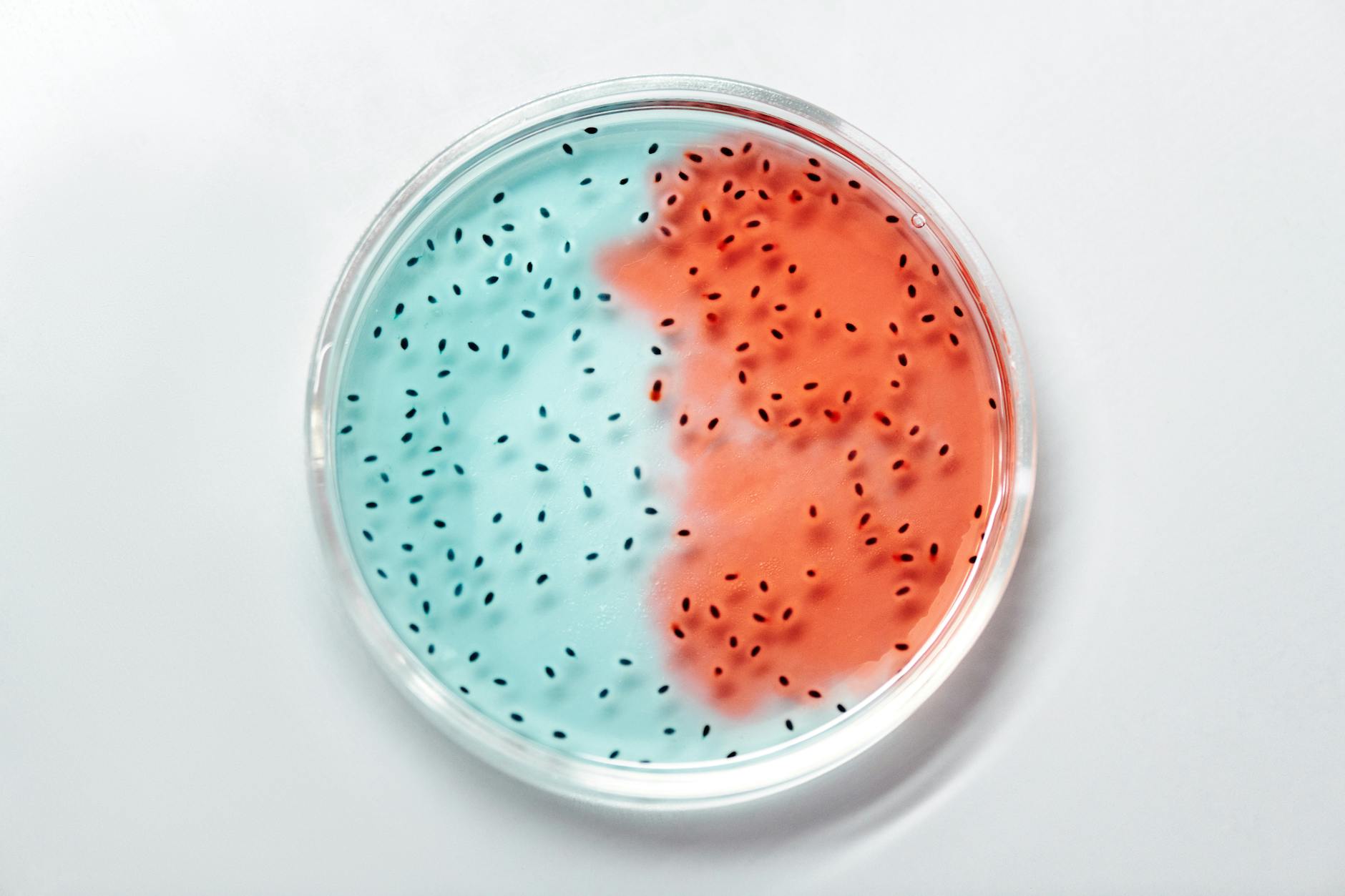
Raw fish, whether from the grocery store, a fishmonger, or a lake, can harbor several dangerous bacteria that affect both humans and cats. Salmonella is one of the most common culprits—it colonizes the intestines and can cause severe diarrhea, vomiting, fever, and lethargy in cats. Listeria monocytogenes is another concern; while relatively rare, it can cause serious systemic infections. Additionally, parasites like roundworms and tapeworms thrive in raw fish and can establish infections in cats that cause weight loss, digestive upset, and malnutrition over time. The source of the fish matters considerably.
Raw fish from a reputable grocery store is generally safer than fish from unknown sources or caught from local waters, which may carry higher loads of parasites and environmental pathogens. Wild-caught fish, in particular, can contain parasites that are far more common than in farmed fish. A cat that licks your fingers after you’ve handled wild salmon or trout carries a much higher infection risk than one exposed to grocery-store tilapia. Most concerning is that many cats show no obvious symptoms immediately after exposure. An infection might incubate for days or weeks, making it difficult to connect your cat’s later illness to the initial lick. By the time digestive symptoms appear, the parasite may be well-established and harder to treat.
The Risk of Thiaminase and Nutritional Deficiency
Beyond bacteria and parasites, raw fish contains thiaminase, an enzyme that breaks down thiamine (vitamin B1). If a cat consumes significant amounts of raw fish regularly, thiaminase can deplete the body’s B1 stores, leading to a condition called thiamine deficiency. Early signs include loss of appetite, lethargy, and lack of coordination; in severe cases, cats can develop seizures, tremors, and even permanent neurological damage. The critical limitation here is that one or two licks from your fingers are unlikely to cause thiamine deficiency—the damage occurs with chronic, substantial consumption.
However, if your household has a pattern where your cat frequently licks your hands during fish preparation, or if raw fish becomes part of the cat’s regular diet (whether intentionally or by accident), the risk accumulates. Some cat owners make the mistake of offering raw fish as a “healthy treat” without realizing the thiaminase issue. Cooked fish, by contrast, has the thiaminase enzyme deactivated by heat, making it nutritionally safer for cats in moderation. This is why cooked, plain fish with no bones, skin, or seasoning is a much better choice if you want to share fish with your cat.
How Cats’ Digestive Systems Handle Raw Fish
Cats are obligate carnivores, and their digestive systems are indeed adapted to handle raw meat—which is why some people assume raw fish is equally safe. A cat’s stomach produces hydrochloric acid at a pH of around 1-2, which is lower than humans’ pH of 3-4, allowing them to kill many bacteria that would sicken humans. However, this advantage has limits. Listeria, for instance, can survive in acidic environments, and some parasites have protective cysts that bypass stomach acid entirely, establishing infection further down in the intestines.
Consider the difference between a wild cat hunting a fresh fish from a river (which happens quickly in nature) and your cat licking fingers that have been contaminated with store-bought raw fish that may have spent hours in packaging, during which bacterial loads can multiply significantly. The risk profile is entirely different. Additionally, domesticated cats may have weaker immune systems than their wild counterparts, making them more susceptible to infections that a wild cat might shrug off. The gastrointestinal microbiome of a domesticated cat fed primarily on commercial cat food is also quite different from that of a wild cat. This means your pet cat may actually be less equipped to handle raw fish safely than a feral cat would be.

Practical Steps to Prevent Raw Fish Exposure
The most straightforward prevention strategy is simple: wash your hands immediately after handling raw fish. Use warm water and soap for at least 20 seconds, making sure to clean under your nails and between your fingers where bacteria can hide. This one habit eliminates most of the risk. If you’re preparing multiple dishes or ingredients, consider washing your hands between each task, especially after handling raw protein.
An alternative approach is to designate a specific workspace or cutting board for raw fish that your cat never has access to, and to wash that board separately with hot water and dish soap before touching any other surfaces. Some cat owners find that keeping their cat in a separate room during meal prep is the easiest solution, particularly if they have a curious cat that’s prone to jumping on counters or pressing against legs. The tradeoff is convenience versus safety—washing your hands takes minimal time, but some people find themselves tempted to skip this step if they’re busy cooking. Setting a firm household rule (“hands washed before petting the cat after any raw food handling”) helps make the habit automatic rather than optional.
Signs of Food Poisoning or Parasitic Infection in Cats
If your cat does ingest bacteria or parasites from raw fish, symptoms typically develop within one to three days, though some infections incubate longer. Watch for persistent vomiting or diarrhea, especially if it’s bloody or contains mucus. Loss of appetite, lethargy, abdominal pain (which cats may show by crouching or refusing to move), and fever are other red flags. Weight loss despite normal eating, or conversely, a distended belly, can indicate parasitic infection.
A critical limitation is that many of these symptoms overlap with other feline illnesses, so your veterinarian will need to perform specific tests like fecal analysis for parasites or bacterial culture to confirm the cause. Don’t assume your cat is fine just because symptoms are mild or resolve on their own—some infections can become serious without treatment. For example, Salmonella infection can lead to sepsis, which is life-threatening. If you suspect your cat has eaten something contaminated, contact your veterinarian even if no symptoms are present yet. They may recommend observation, preventive treatment, or diagnostic testing depending on the circumstances.

When Raw Fish Might Be Safer—And When It’s Not
There are some contexts where raw fish is genuinely safer for cats. Sushi-grade fish, which is frozen at extremely cold temperatures for extended periods to kill parasites, carries a significantly lower parasitic load than everyday grocery-store fish. Some cat owners and veterinarians who recommend raw diets specifically source sushi-grade fish for this reason.
Additionally, fish that is extremely fresh—caught and frozen within hours—is safer than fish that has been thawed and refrozen multiple times. However, even sushi-grade fish still carries bacterial risks, and the thiaminase enzyme is still present. A single lick of your finger after handling sushi-grade fish is lower-risk than exposure to regular grocery-store fish, but it’s not risk-free. If you’re considering giving your cat any raw fish as a regular part of its diet, you should consult with your veterinarian and have them recommend specific sourcing, preparation, and serving guidelines tailored to your cat’s age and health status.
The Broader Picture of Raw Feeding for Cats
The popularity of raw diets for cats has grown in recent years, with some cat owners believing that raw meat and fish mirror a cat’s natural diet more closely than kibble. However, the veterinary consensus is more cautious. While some healthy adult cats can tolerate raw diets under proper supervision, there are real nutritional balancing challenges and food safety risks that can harm cats, especially kittens, senior cats, and those with compromised immune systems.
Raw feeding can also pose risks to humans in the household, since handling raw cat food means handling more raw protein overall, which increases the chance of cross-contamination in the kitchen. As raw feeding gains more attention, more research is emerging about the actual safety profile of these diets. Many veterinarians recommend cooked home-prepared diets or high-quality commercial raw formulas (which are processed under specific safety protocols) over truly raw feeding as a safer middle ground.
Conclusion
The safest answer is to prevent your cat from licking your fingers after handling raw fish by washing your hands thoroughly and promptly. While a single incidental lick is unlikely to cause serious illness, the risk is real and easily avoidable with basic hygiene. The combination of bacterial pathogens, parasites, and thiaminase in raw fish makes it an unnecessary exposure for a pet that depends on you to keep it safe.
If you want to include fish in your cat’s diet, cooked plain fish without bones, skin, or seasoning is a far safer option for occasional treats. If you’re interested in raw feeding for your cat, work with your veterinarian to establish a safe protocol that includes proper sourcing and nutritional balance. In the meantime, keep raw fish preparation separate from petting your cat, and make handwashing a non-negotiable step in your kitchen routine.