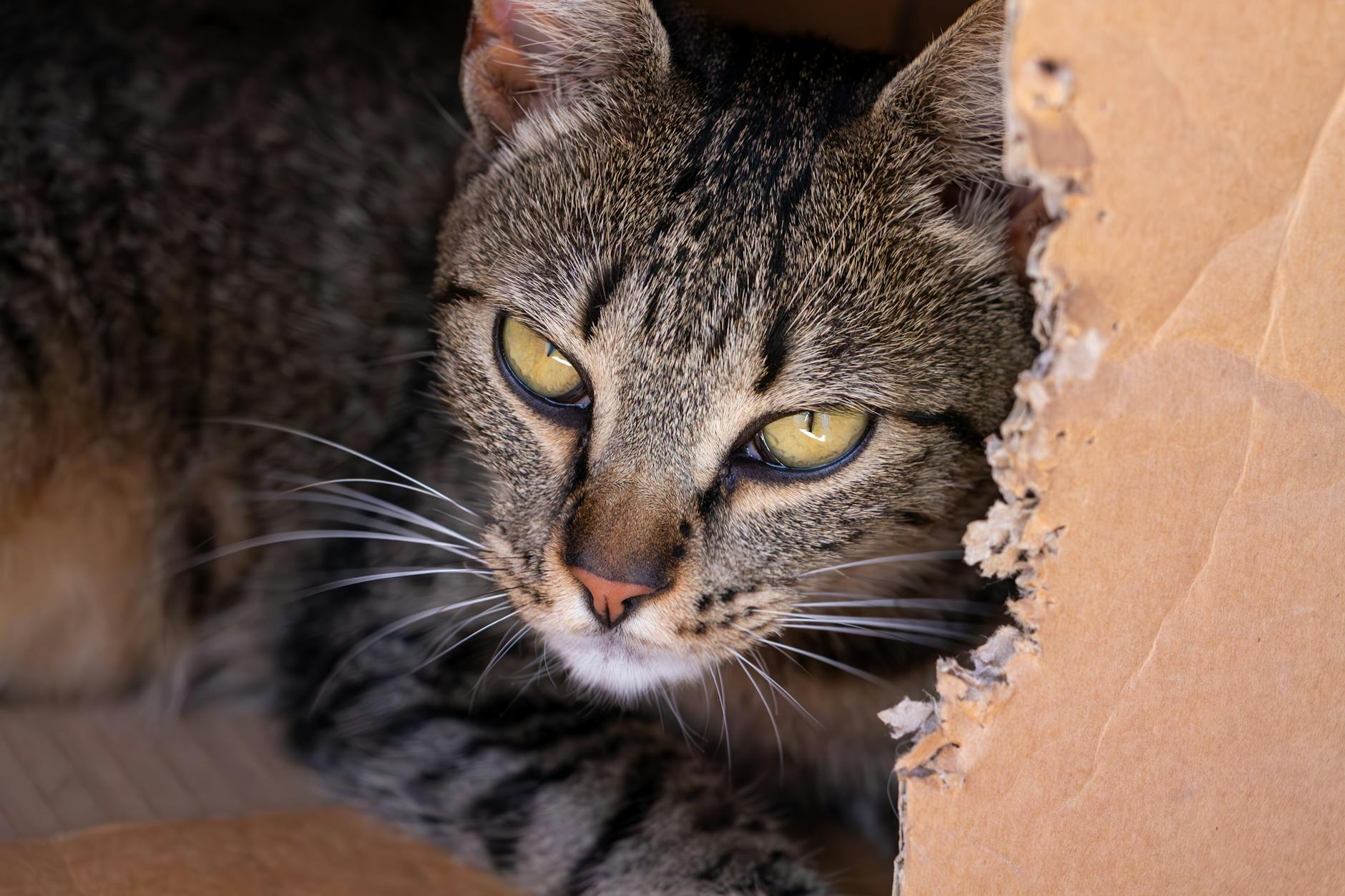
No, it is not safe for cats to chew on plastic wrap, and this behavior should be discouraged as soon as you notice it. Plastic wrap poses multiple serious health risks to cats, ranging from choking hazards to intestinal blockages that can require emergency veterinary surgery.
If your cat swallows plastic wrap—even small pieces—it can become lodged in their throat, stomach, or intestines, creating a potentially life-threatening situation that demands immediate veterinary attention. Cats are naturally drawn to the texture and crinkly sound of plastic wrap, which triggers their hunting and play instincts. A cat chewing on a roll of plastic wrap while you’re preparing dinner, or eating discarded scraps from the trash, may seem like harmless curiosity, but the consequences can be severe and expensive to treat.
Table of Contents
- Why Cats Are Attracted to Plastic Wrap and the Immediate Dangers
- Intestinal Blockage and Long-Term Digestive Complications
- Why Cats Develop This Behavior and Environmental Factors
- Prevention Strategies and Safe Alternatives
- Recognizing Signs of Plastic Ingestion and When to Seek Emergency Care
- Other Household Plastics and Materials to Monitor
- Long-Term Monitoring and Management in At-Risk Cats
- Conclusion
- Frequently Asked Questions
Why Cats Are Attracted to Plastic Wrap and the Immediate Dangers
Cats chew on plastic wrap for sensory reasons—the texture mimics the feel of prey, and the sound stimulates their predatory responses. Kittens and younger cats are particularly susceptible to this behavior because they explore their world through their mouths. Unlike human children, cats cannot distinguish between safe and unsafe materials by taste alone, so they rely entirely on their owners to keep dangerous items out of reach.
The immediate danger of plastic wrap is physical obstruction. Unlike food, plastic does not digest. When a cat swallows even a small piece of plastic wrap, it can lodge in the esophagus (throat), causing choking, or it can pass into the stomach where it sits undigested. In some cases, plastic wrap can become wrapped around the intestines, causing a condition called a linear foreign body blockage, which is one of the most serious complications of plastic ingestion in cats.

Intestinal Blockage and Long-Term Digestive Complications
When plastic wrap enters the digestive tract, it does not break down like food. Instead, it can accumulate in the stomach or become tangled around loops of the intestines, cutting off blood flow and preventing normal movement of food and waste. This complication is particularly dangerous because it develops over hours or days, and by the time symptoms become obvious, significant damage may have already occurred to the intestinal tissue. A cat with a partial blockage may vomit repeatedly, refuse to eat, appear lethargic, or have painful abdominal cramping.
A complete blockage is a medical emergency—the cat will be unable to pass stool, will become severely dehydrated, and can develop sepsis or organ failure if not treated within 24 to 48 hours. Surgery is often the only treatment, involving an incision into the abdomen and intestines to remove the plastic. Recovery is painful, costly (often $2,000 to $5,000), and not guaranteed if too much tissue damage has occurred. The limitation here is that even small pieces of plastic wrap can cause problems. You don’t need to leave an entire roll within reach for your cat to suffer—a piece the size of a postage stamp can start accumulating and cause trouble, which is why prevention is absolutely critical.
Why Cats Develop This Behavior and Environmental Factors
Some cats develop a compulsive attraction to plastic and rubber materials, a condition called pica. Cats with pica may seek out and chew on plastic wrap, bags, rubber bands, and even clothing. The causes of pica are not entirely understood but may include nutritional deficiencies, boredom, anxiety, or simply a cat’s individual sensory preferences.
Certain breeds, such as Siamese and Burmese cats, are anecdotally more prone to plastic-chewing behavior, though this is not universally documented. Environmental factors play a significant role. A cat living in a stressful environment, or one that doesn’t receive enough mental or physical stimulation, may turn to destructive behaviors like chewing on plastic. Additionally, the texture of plastic wrap closely mimics some materials cats encounter in nature, so the behavior can seem instinctively normal to them, even though it is dangerous in a domestic setting.

Prevention Strategies and Safe Alternatives
The most effective way to prevent plastic wrap ingestion is to eliminate access entirely. Store plastic wrap, plastic bags, rubber bands, and similar materials in closed cabinets or drawers that your cat cannot open. When you’re actively using plastic wrap in the kitchen, supervise your cat or temporarily confine them to another room. After meals, immediately dispose of plastic scraps in a trash can your cat cannot access—consider using a cat-proof garbage can with a locking lid. Provide your cat with safe alternatives that satisfy the same sensory needs.
Crinkle toys made from cat-safe materials, sisal rope toys, and interactive toys with varied textures can redirect this behavior. Catnip toys, feather toys, and balls that make noise offer the stimulation your cat is seeking. The key difference is that these items are designed to be safe even if swallowed in small pieces, whereas plastic wrap is not. If your cat shows signs of pica or obsessive plastic-chewing behavior, consult your veterinarian. They can rule out nutritional deficiencies by reviewing your cat’s diet and may recommend environmental enrichment strategies or, in some cases, medication to reduce anxiety or compulsive behavior.
Recognizing Signs of Plastic Ingestion and When to Seek Emergency Care
If you suspect your cat has swallowed plastic wrap, watch closely for these warning signs over the next 24 to 48 hours: repeated vomiting, loss of appetite, lethargy, abdominal pain (indicated by a hunched posture or reluctance to move), constipation, or the appearance of plastic in vomit or stool. Some cats may also drool excessively or seem to be having difficulty swallowing if plastic is lodged in the throat. Do not wait to see if the plastic passes on its own.
Contact your veterinarian immediately or visit an emergency veterinary clinic if you witness your cat swallowing plastic wrap or if any of the above symptoms appear. Your vet may recommend X-rays or ultrasound to locate the plastic, and if a blockage is confirmed, surgery will likely be necessary. Early intervention significantly improves the outcome and reduces the risk of permanent tissue damage.
Other Household Plastics and Materials to Monitor
Plastic wrap is not the only plastic hazard in the home. Cats can also be injured by chewing on plastic bags, food packaging, twist ties, rubber bands, string, yarn, and elastic. Some cats are attracted to the smell of plastic food containers or the texture of plastic water bottles.
Additionally, certain types of plastic are more dangerous than others—thin, flexible plastics like wrap and bags are more likely to become tangled in the intestines than rigid plastics. Keep all plastic items secured or stored away, just as you would plastic wrap. Be particularly cautious with grocery bags, which many cats find appealing. Even materials you might not consider “plastic,” like rubber bands or elastic hair ties, pose the same risks because cats cannot digest them.
Long-Term Monitoring and Management in At-Risk Cats
If your cat has a history of eating non-food items, including plastic wrap, establish a long-term monitoring plan with your veterinarian. Regular check-ups, a high-quality diet, and environmental enrichment are all part of managing this behavior. Some cats benefit from increased playtime, puzzle feeders, or even a supervised outdoor “catio” environment that provides natural stimulation.
Going forward, remain vigilant about your cat’s environment and habits. Educate other family members and visitors about the importance of keeping plastic wrap and similar materials out of reach. Many cases of plastic ingestion in cats are entirely preventable through simple household management and awareness.
Conclusion
Plastic wrap is not safe for cats, and the consequences of allowing access to it can be severe, expensive, and potentially fatal. The behavior may seem harmless when your cat is just playing with or chewing on a small piece, but the risks of choking, blockage, and surgical intervention are serious and real.
Your best defense is prevention: keep plastic wrap and other plastic items secured, provide safe alternatives for chewing and play, and seek immediate veterinary care if you suspect your cat has ingested plastic. By taking these steps, you protect your cat from a common but entirely avoidable danger.
Frequently Asked Questions
Can plastic wrap pass through a cat’s digestive system on its own?
In rare cases, very small pieces of plastic wrap may pass through the digestive system without causing harm. However, you cannot predict whether a piece will pass or cause a blockage, so any ingestion should be treated as a potential emergency. Do not assume it will resolve on its own.
How much plastic wrap does it take to cause a blockage?
There is no safe threshold. A piece of plastic wrap the size of a coin can wrap around the intestines and cause a life-threatening blockage. Blockages are not dose-dependent—it only takes one piece in the wrong place.
What should I do if I see my cat eating plastic wrap?
Remove the plastic immediately if you can do so safely without injuring your cat. Contact your veterinarian right away, even if your cat seems fine. Your vet may recommend monitoring, an abdominal exam, or imaging to ensure no plastic remains in the digestive tract.
Is there a difference between plastic wrap brands in terms of safety?
No. All types of plastic wrap—cling wrap, stretch wrap, plastic film—are unsafe for cats. The brand, thickness, and type do not make it safer if ingested.
Can a cat recover fully from surgery for plastic blockage?
Many cats recover well with prompt surgical intervention, but recovery depends on how much time elapsed before treatment and how much intestinal tissue was damaged. Recovery typically takes 2 to 3 weeks, and some cats may have permanent digestive complications.
Are certain cat breeds more susceptible to plastic wrap ingestion?
Some breeds, particularly Siamese and Oriental breeds, may have a higher tendency toward pica and plastic chewing, but any cat can develop this behavior. Individual personality and environment are often more influential than breed.