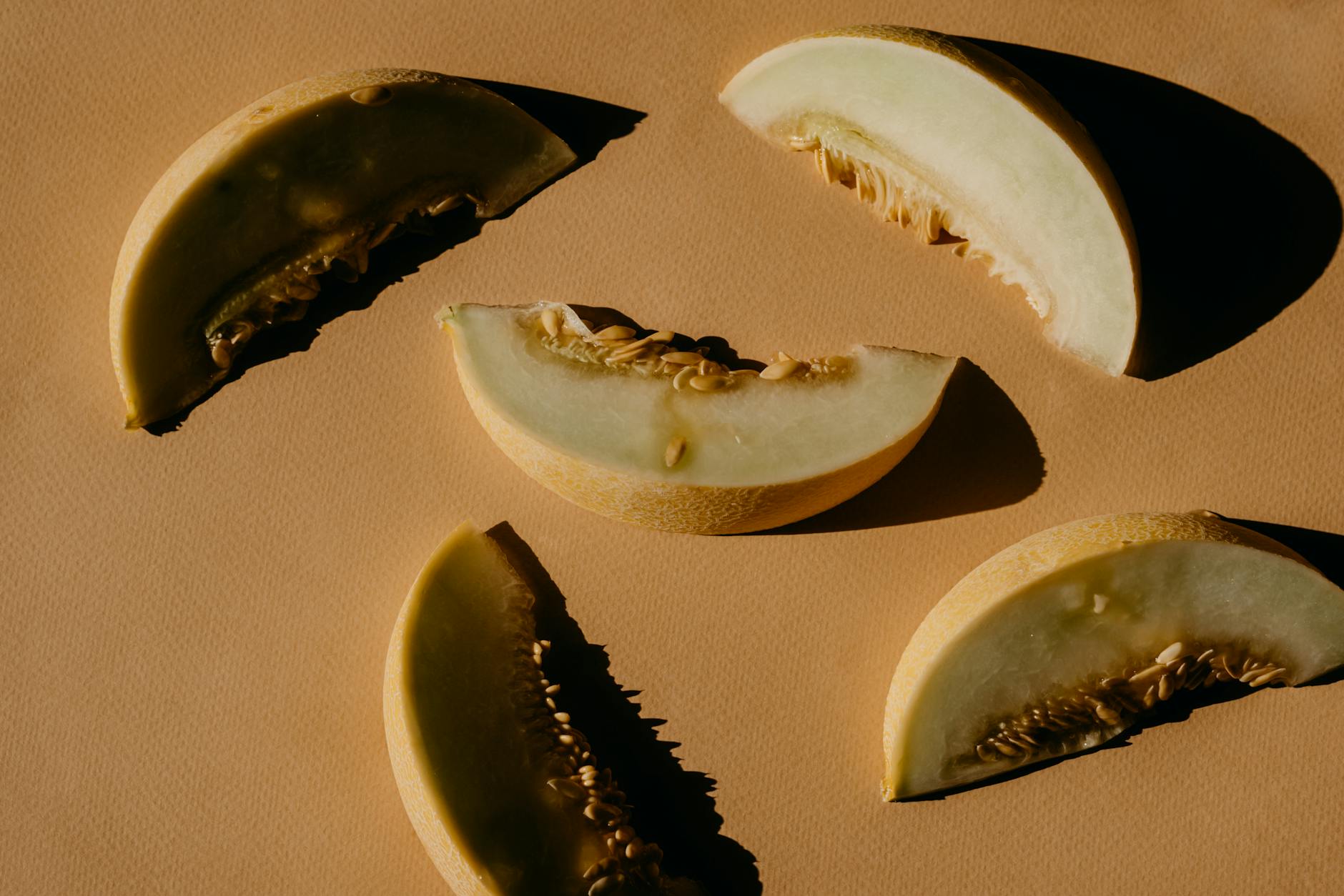
Yes, cantaloupe is generally safe for cats to eat in small amounts, and it can actually be a refreshing treat during hot months. This orange melon is non-toxic to felines and contains beneficial nutrients like vitamins A and C, plus high water content that can help keep cats hydrated. However, safety doesn’t mean it’s an ideal regular food—cantaloupe should only be offered as an occasional treat, and only the flesh should be given to your cat, never the seeds or rind.
A typical scenario might look like this: you’re eating cantaloupe on a summer afternoon and your cat becomes interested in the smell. Offering a small cube—about the size of a dice or smaller—is perfectly safe and won’t cause harm. Most cats won’t be particularly interested in fruit, but some enjoy the sweet taste and refreshing texture, especially during warmer weather. The key to safely feeding cantaloupe to cats lies in understanding portion size, preparation method, and recognizing that while it’s not toxic, it’s also not nutritionally necessary for cats as obligate carnivores.
Table of Contents
- NUTRITIONAL CONTENT AND WHAT CANTALOUPE OFFERS CATS
- PREPARATION METHODS AND WHAT TO AVOID
- DIGESTIVE REACTIONS AND INDIVIDUAL CAT DIFFERENCES
- PORTION CONTROL AND FREQUENCY GUIDELINES
- TOXIC CONCERNS AND WHAT ACTUALLY POSES RISK
- CANTALOUPE AS ENRICHMENT AND ENTERTAINMENT
- WHEN TO SKIP CANTALOUPE AND BETTER ALTERNATIVES
- Conclusion
- Frequently Asked Questions
NUTRITIONAL CONTENT AND WHAT CANTALOUPE OFFERS CATS
Cantaloupe is roughly 90 percent water, which is why it can be beneficial for cats that don’t drink enough water throughout the day. The flesh contains small amounts of vitamins A, C, and potassium, along with dietary fiber. For cats, these nutrients are not essential since they obtain complete nutrition from meat-based diets, but the hydration aspect can be genuinely useful, particularly for cats prone to urinary issues or dehydration.
However, cantaloupe also contains natural sugars—about 7-8 grams per 100 grams of fruit—which is relatively high for a feline digestive system designed to process protein and fat, not carbohydrates. A cat eating commercial cat food already receives all necessary nutrients, so cantaloupe serves a limited nutritional purpose beyond the hydration benefit. Comparing cantaloupe to other cat-safe fruits like small amounts of apple (without seeds) or blueberries, cantaloupe ranks higher in water content but also higher in sugar content.
PREPARATION METHODS AND WHAT TO AVOID
The only safe part of cantaloupe for cats is the flesh. Both the rind and seeds must be removed completely before offering any to your cat. Cantaloupe seeds contain amygdalin, a compound that can break down into cyanide in the digestive tract, though the quantity in a few seeds is unlikely to cause serious poisoning—the real risk is in larger accidental consumption.
The rind is tough and fibrous, posing a choking hazard and potentially causing intestinal blockage if swallowed in larger pieces. To prepare cantaloupe safely, wash the outside thoroughly, cut the melon in half, scoop out all seeds with a spoon, remove the rind completely, and cut the flesh into small, manageable pieces—roughly the size of a small pea to a dice cube depending on your cat’s size. Never leave a cat unsupervised with cantaloupe or any fruit, as they may attempt to chew through the rind or ingest seeds. A limitation worth noting is that some cats have sensitive digestive systems and may experience loose stools or mild vomiting even from small amounts of fruit due to the sugar and fiber content.
DIGESTIVE REACTIONS AND INDIVIDUAL CAT DIFFERENCES
Different cats react differently to cantaloupe. Some cats experience no digestive upset from a small amount, while others may develop diarrhea, vomiting, or gas from even tiny portions. This variation depends on individual digestive sensitivity, age of the cat, and overall gut health. Kittens and senior cats are generally more susceptible to digestive upset from novel foods, so cantaloupe is better reserved for healthy adult cats.
If you want to introduce cantaloupe to your cat for the first time, offer only a tiny piece—roughly the size of a pea—and observe your cat for the next 24 hours for any signs of digestive distress such as loose stools, vomiting, reduced appetite, or unusual lethargy. Some cats will show interest in the aroma but reject the actual taste, which is completely normal. For example, a cat that becomes curious about cantaloupe you’re eating may take one bite, decide it’s not appealing, and walk away permanently. This disinterest is actually common and removes any concern about accidental overconsumption.

PORTION CONTROL AND FREQUENCY GUIDELINES
The appropriate serving size for cantaloupe depends on your cat’s weight, but a general rule is that treats—including cantaloupe—should comprise no more than 10 percent of your cat’s daily caloric intake. For most indoor house cats, this translates to just a few small cubes once or twice per week at most, not daily. Feeding cantaloupe more frequently could contribute to unnecessary sugar intake and potentially lead to weight gain or digestive issues.
Comparing cantaloupe to other cat treats illustrates the tradeoff: a small commercial cat treat designed for cats contains protein and taurine that cantaloupe lacks, making it nutritionally superior. However, cantaloupe offers the advantage of being lower in calories—about 34 calories per 100 grams compared to higher-calorie commercial treats—which makes it suitable for cats that need lower-calorie enrichment or hydration without the extra calories. The tradeoff is that while cantaloupe hydrates and entertains, it doesn’t provide the nutritional completeness of a proper cat treat.
TOXIC CONCERNS AND WHAT ACTUALLY POSES RISK
While cantaloupe itself is non-toxic to cats, certain parts and circumstances do pose risks. As mentioned, the seeds contain compounds that could theoretically cause harm in large quantities, though a few accidental seeds from normal consumption are unlikely to cause toxicity. The rind presents a more immediate danger through choking or potential intestinal blockage if a cat manages to swallow a significant piece.
A more serious warning involves cantaloupe that has been treated with pesticides or other agricultural chemicals. Always wash cantaloupe thoroughly under running water before offering any to your cat, and consider purchasing organic cantaloupe if possible, since cats are more sensitive to certain pesticide residues than humans. Additionally, cantaloupe that has begun to ferment or shows signs of mold should never be offered to cats, as the byproducts of fermentation or mold toxins could cause genuine harm. This limitation means that leftover cut cantaloupe sitting in the refrigerator for more than a few days should be discarded rather than offered to your cat.

CANTALOUPE AS ENRICHMENT AND ENTERTAINMENT
Beyond nutrition, cantaloupe can serve as a form of enrichment for cats, particularly during hot weather when they may appreciate something cool and hydrating. Some cats enjoy the texture of the flesh and will lick or gently chew on small pieces, which can provide mild mental stimulation and entertainment. Freezing small pieces of cantaloupe creates an ice-like treat that some cats find appealing during summer months, though this should still be limited to occasional offerings.
An example of cantaloupe as enrichment might involve a cat owner placing a few small frozen cantaloupe cubes in a shallow dish on a hot day, allowing the cat to explore and interact with them. This combines hydration, cooling off, and play in one offering. However, this should not replace proper cooling strategies like providing fresh water, access to cool areas of the home, or commercial cat popsicles designed specifically for feline consumption.
WHEN TO SKIP CANTALOUPE AND BETTER ALTERNATIVES
Certain cats should not be offered cantaloupe at all. Cats with diabetes should avoid cantaloupe entirely due to its sugar content, as even small amounts could impact blood glucose levels. Cats with kidney disease, certain digestive disorders, or those prone to obesity should also skip cantaloupe in favor of more appropriate hydration methods and treats.
Additionally, cats taking specific medications that interact poorly with certain food compounds should only be offered cantaloupe under veterinary guidance. Looking forward, the trend in feline nutrition emphasizes understanding what cats actually need versus what they want. While occasional cantaloupe treats are harmless for most healthy adult cats, the future of cat care focuses on species-appropriate nutrition and enrichment that aligns with a cat’s obligate carnivore nature. Many veterinarians now recommend exploring meat-based treats and hydration methods—such as cat water fountains or bone broth formulated for cats—as alternatives that better serve a feline’s nutritional needs while still providing the enrichment and engagement that cantaloupe offers.
Conclusion
Cantaloupe is safe for most healthy adult cats when offered in small amounts, with the flesh properly prepared and seeds and rind completely removed. The primary benefits are hydration and occasional enrichment rather than significant nutritional value, since cats are obligate carnivores that obtain complete nutrition from meat-based diets.
Before offering cantaloupe to your cat, ensure you’ve removed all seeds and rind, start with a very small piece to test for digestive tolerance, and limit offerings to occasional treats rather than regular snacks. If your cat has existing health conditions, digestive sensitivity, or takes medications, consult your veterinarian before introducing any new foods. For most cats, cantaloupe can be a safe summer treat, but it should never replace proper nutrition, hydration through fresh water, or veterinary-approved dietary guidance.
Frequently Asked Questions
Can cats eat cantaloupe seeds?
No. Cantaloupe seeds contain compounds that break down into potentially harmful substances and also pose a choking hazard. Always remove all seeds before offering cantaloupe to your cat.
Is the cantaloupe rind safe for cats?
No. The rind is tough, fibrous, and poses a choking and intestinal blockage risk. Only the flesh should be offered, and only in small pieces.
How much cantaloupe can I give my cat?
Only small amounts—a few cubes once or twice per week at most. Treats should comprise no more than 10 percent of your cat’s daily calories. For most cats, this means just a few small pieces, not regular portions.
What should I do if my cat eats cantaloupe rind or seeds?
If your cat swallows a few seeds or a small piece of rind, monitor for signs of distress like vomiting, lethargy, or loss of appetite. Contact your veterinarian if symptoms develop or if your cat consumed a significant quantity.
Are there cats that shouldn’t eat cantaloupe at all?
Yes. Cats with diabetes, kidney disease, obesity, digestive disorders, or those on certain medications should avoid cantaloupe. Always consult your veterinarian if your cat has existing health conditions.
Can cantaloupe help my cat stay hydrated?
Cantaloupe can contribute to hydration due to its high water content, but it should not replace fresh water. It’s a supplemental hydration source at best, not a primary one.