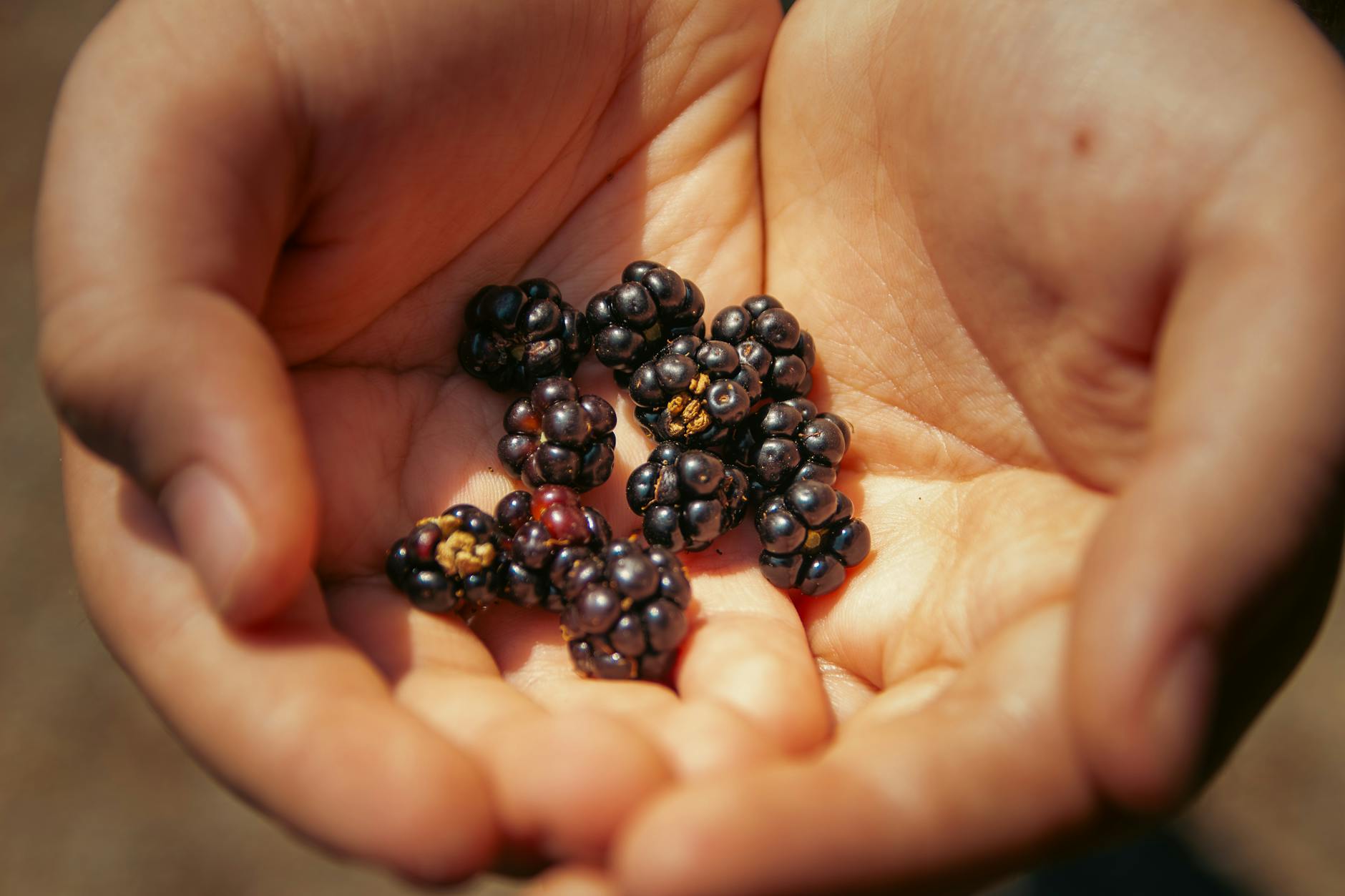
Yes, cats can safely eat blackberries in small quantities, but they should not be a regular part of their diet. Blackberries are non-toxic to cats and contain beneficial vitamins and antioxidants, making them far safer than many common household foods like grapes, onions, or chocolate. However, cats are obligate carnivores with digestive systems designed primarily for meat, so while blackberries won’t cause poisoning, they offer limited nutritional benefit and may cause mild digestive upset if consumed in excess.
If your cat has eaten a single blackberry that fell from your plate, there’s no cause for concern. A cat that occasionally consumes a blackberry or two won’t experience any adverse effects. However, the key consideration is quantity and frequency—treating blackberries as an occasional curiosity is very different from offering them as a regular treat or snack.
Table of Contents
- Can Cats Digest Blackberries Safely?
- Nutritional Content and What Cats Actually Need
- Potential Digestive Side Effects
- How to Safely Offer Blackberries as an Occasional Treat
- When Blackberries Could Actually Be Problematic
- Blackberries Versus Common Toxic Foods for Cats
- Building a Balanced Treat Strategy for Your Cat
- Conclusion
Can Cats Digest Blackberries Safely?
cats can digest blackberries without issue because the fruit itself contains no compounds that are toxic to feline metabolism. The flesh of the blackberry breaks down in the digestive system without triggering any harmful reactions. Unlike grapes or raisins, which can cause kidney damage in cats, blackberries don’t carry this risk. The primary concern is not toxicity but rather how the fruit interacts with a cat’s naturally acidic, carnivore-focused digestive tract.
The seeds in blackberries are also safe for cats to ingest, though they pass through the system largely undigested. Some owners worry that seeds might cause intestinal blockage, but blackberry seeds are small and soft enough that they pose no mechanical risk. The real limitation is that cats cannot effectively extract or utilize the nutrients from plant matter the way humans or omnivores can. A cat eating blackberries gets minimal nutritional value compared to the same volume of meat-based food.
Nutritional Content and What Cats Actually Need
Blackberries contain vitamins C and K, fiber, and antioxidants—nutrients that are genuinely beneficial for human health but largely unnecessary for cats. Cats synthesize their own vitamin C and obtain vitamin K from their regular diet, so the presence of these compounds in blackberries doesn’t fill any dietary gap. The fiber in blackberries, while beneficial for human digestion, can actually cause loose stools or mild digestive upset in cats if they consume more than a small amount.
The key limitation here is that blackberries are about 88% water and contain very little protein or fat—the two macronutrients cats need most. A cat that fills its small stomach with blackberries is displacing space that could be filled with meat, fish, or appropriate commercial cat food. For a cat with specific health conditions, such as diabetes or obesity, offering any treat outside the prescribed diet should be discussed with a veterinarian first. Senior cats or those with sensitive digestive systems are at higher risk of experiencing stomach upset from unfamiliar fruits.
Potential Digestive Side Effects
While blackberries are safe, some cats experience mild digestive issues when eating them, particularly if it’s their first encounter with the fruit. The most common reaction is loose stools or diarrhea, usually appearing within a few hours of consumption. This happens because the high water and fiber content can accelerate intestinal transit in animals not accustomed to plant matter. A cat that eats one or two blackberries might show no symptoms, while another cat might experience noticeable digestive changes—individual sensitivity varies.
For example, if your cat steals a blackberry from a dessert plate and develops soft stools the next day, the blackberry is almost certainly the culprit. The good news is that this reaction is temporary and resolves on its own without treatment. However, if a cat consumes a large handful of blackberries—which is unlikely but possible if someone deliberately offers them—vomiting or more pronounced diarrhea could occur. Monitoring your cat’s litter box behavior for 24 hours after blackberry consumption is a reasonable precaution, particularly if the cat ate more than a single berry.

How to Safely Offer Blackberries as an Occasional Treat
If you want to offer your cat a blackberry, the safest approach is to start with a single berry cut into small pieces and observe your cat’s response over the next day. This allows you to determine if your individual cat has any sensitivity to the fruit before offering more. Most cats find blackberries unappetizing anyway—the tartness and texture don’t appeal to their natural preferences, so they may reject the fruit entirely.
When comparing blackberries to other safe fruits for cats, blueberries and watermelon are slightly better options because they’re lower in fiber and contain less tannins. However, the honest reality is that whole prey or high-quality cat food will always be a superior choice nutritionally. If your goal is to provide enrichment or bonding through food, frozen blackberries offer one advantage: the cold texture and challenge of eating them can provide mild mental stimulation. But this benefit is minimal compared to puzzle feeders or interactive play.
When Blackberries Could Actually Be Problematic
Certain situations make blackberry consumption riskier than normal. Cats with inflammatory bowel disease, pancreatitis, or other gastrointestinal conditions should not eat blackberries without explicit veterinary approval. The fiber and naturally occurring acids in blackberries could aggravate these conditions. Additionally, some blackberries may have been treated with pesticides or fungicides if they come from non-organic sources, which creates an additional contaminant risk that doesn’t exist with properly sourced meat.
Kittens and senior cats warrant extra caution. Kittens’ digestive systems are still developing and may be more sensitive to unfamiliar foods, while senior cats often have compromised digestion and reduced tolerance for dietary changes. If your cat has never eaten anything but commercial cat food, introducing blackberries increases the small but real risk of digestive upset. Always prioritize your cat’s established, trusted diet over curiosity about new foods.
Blackberries Versus Common Toxic Foods for Cats
To put this in perspective, blackberries are exponentially safer than foods many people mistakenly think are fine for cats. Grapes and raisins can cause acute kidney failure—a life-threatening condition—in some cats, even in small quantities. Onions and garlic damage red blood cells and cause hemolytic anemia. Chocolate contains theobromine, which is toxic to feline nervous systems.
Avocado contains persin, which can cause gastrointestinal distress. In comparison, blackberries are benign. A cat that accidentally consumes blackberries has encountered one of the safer “people foods” possible. This doesn’t mean blackberries should become a staple treat—it simply means you don’t need to panic if your cat eats one. The risk category for blackberries is “low” while grapes sit in “do not feed under any circumstances.”.
Building a Balanced Treat Strategy for Your Cat
Rather than focusing on offering blackberries, consider the bigger picture of your cat’s overall treat and nutrition strategy. Cats thrive on consistency and species-appropriate food. The majority of their caloric intake should come from high-quality protein, and any treats should represent no more than 10% of daily calories.
If you want to offer treats beyond their regular food, commercially available cat treats formulated for feline nutrition will always be superior to fruits. The future of cat nutrition continues to emphasize whole prey models and high-protein diets, moving away from grain-filled foods and unnecessary supplements. This trend further underscores that fruits—even safe ones—aren’t necessary for cat health. Your cat will thrive without ever tasting a blackberry, and their wellbeing depends on consistent, appropriate nutrition rather than dietary exploration.
Conclusion
Blackberries are safe for cats to eat in very small quantities and will not cause poisoning or serious harm. However, they offer minimal nutritional benefit, may cause mild digestive upset, and should never be viewed as a dietary staple or even a regular treat. The core principle is that cats are carnivores, and their nutrition should reflect that biological reality.
If your cat has eaten blackberries, monitor them for mild digestive changes over the next 24 hours, but don’t worry. If you’re considering offering blackberries intentionally, a single berry is the maximum safe amount, and commercial cat treats or high-quality meat remain better choices. Focus your cat’s diet on proteins, and reserve any experimentation with fruits for occasional, accidental exposures rather than deliberate offerings.