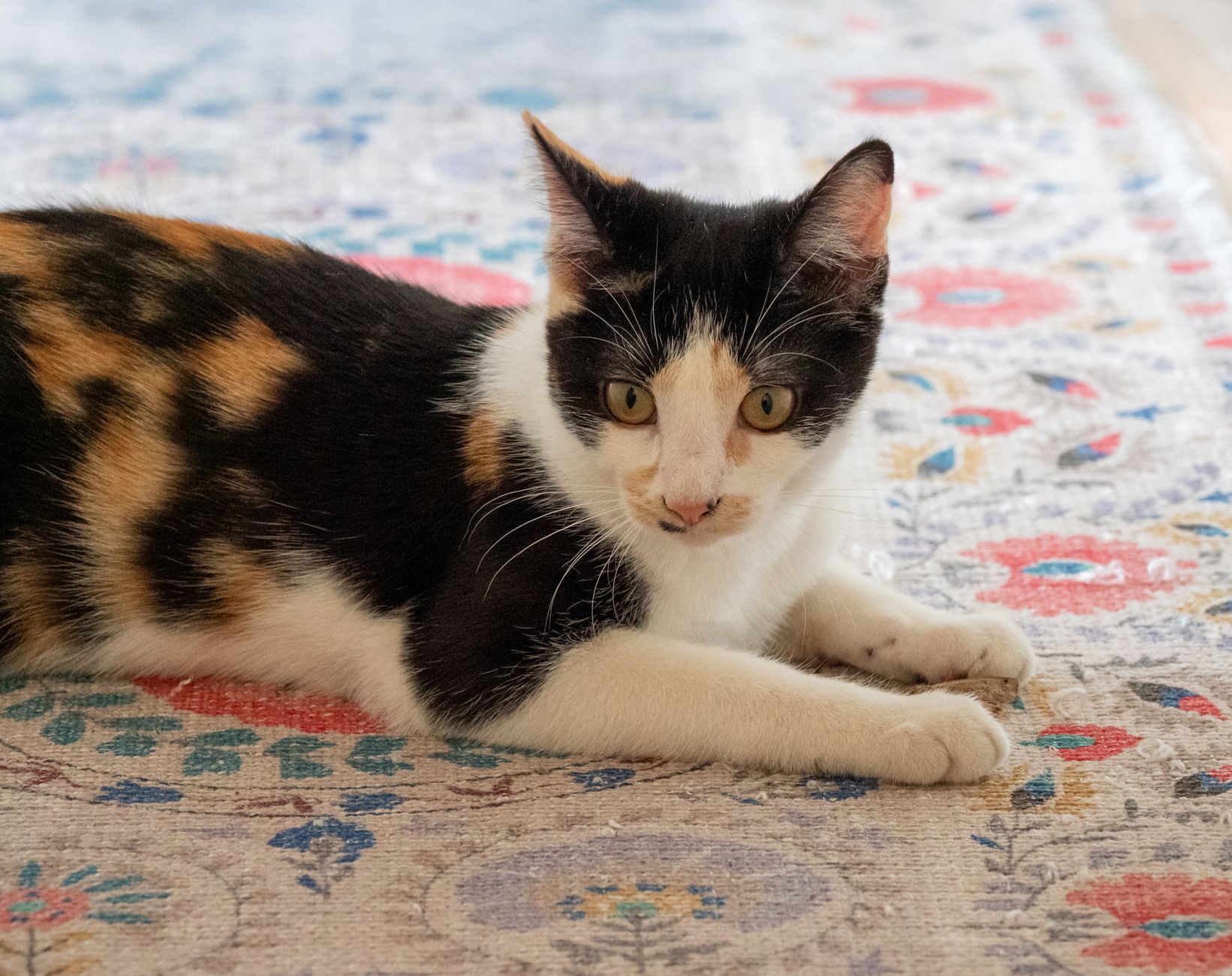
Deaf kittens rescued from breeding mills face extraordinary challenges when entering a new home, yet many go on to live rich, full lives once they adjust to their surroundings and bond with their families. A kitten born without hearing has no frame of reference for sound-based danger or communication, which made survival in a mill environment especially precarious—no ability to hear the approach of threats, to respond to calls for feeding, or to recognize the distress of littermates.
The transition from that chaotic, neglectful setting to a quiet home can be disorienting at first, but rescue kittens discover they possess remarkable adaptive abilities, relying on sight, touch, and vibration to navigate their world and build trust with their rescuers. For those who’ve never cared for a deaf kitten, the adjustment period reveals something counterintuitive: the absence of hearing is far less limiting than most people assume. Mill survivors do face lingering behavioral and physical consequences from confinement—fear responses, improper socialization, potential health issues—but deafness itself, once understood and accommodated, becomes simply one aspect of the cat’s personality rather than a defining limitation.
Table of Contents
- Can Deaf Rescue Kittens Adjust to a Home After Mill Conditions?
- Health and Behavioral Issues Specific to Mill-Rescued Deaf Cats
- Visual Communication and Bonding With a Deaf Kitten
- Creating a Safe Environment for a Deaf Rescue Cat Indoors
- Hearing Loss Testing and Long-Term Health Monitoring
- Vaccination and Disease Prevention in Rescued Mill Kittens
- Specialized Enrichment and Play for Deaf Rescue Kittens
Can Deaf Rescue Kittens Adjust to a Home After Mill Conditions?
Yes, deaf rescue kittens can and do adjust, though the timeline and success depend heavily on the cat’s prior trauma, the rescue environment’s quality, and the adopter’s patience and knowledge. A kitten removed from a mill at eight weeks has different recovery prospects than one who spent months in cramped, filthy conditions; the younger the rescue, generally the more behavioral flexibility remains. In the first weeks after rescue, a deaf kitten may exhibit extreme fear—hiding for days, refusing food, or reacting defensively to any touch. These responses aren’t permanent damage; they’re survival instincts honed in an environment where confinement and neglect were the norm. Introducing a deaf kitten to a home requires deliberate planning.
Confine the kitten to a single quiet room initially—bathroom or bedroom work well—with food, water, litter, and a hiding spot. This prevents overwhelming the kitten and lets it decompress. Use consistent light signals: flick the lights twice before mealtime, stamp your foot on the floor (vibrations travel through the structure), and let the kitten see your face and hands regularly. Within two to four weeks, most deaf kittens begin recognizing these patterns and show decreasing fear. Their vision becomes sharper and more purposeful; they watch your hands and facial expressions intently, reading cues that hearing cats miss entirely.
Health and Behavioral Issues Specific to Mill-Rescued Deaf Cats
Mill environments create compounded physical and psychological damage. A deaf kitten born in a mill likely lived in poor ventilation, high stress, and inadequate nutrition—all of which weaken immune function, slow growth, and increase susceptibility to respiratory and ear infections. A veterinary exam should be the first step after rescue; many mill kittens carry mites, ringworm, parasites, or bacterial infections. Beyond the contagion risk, expect behavioral scars: some rescue kittens remain hypervigilant, startling at unexpected touch even after months of safety; others develop obsessive behaviors like excessive grooming or repetitive pacing that reflect their mill experience.
The limitation here is that prior trauma doesn’t always resolve completely. A deaf kitten severely malnourished in the mill may always be a picky eater or overeater—unable to self-regulate—even after recovery. A cat repeatedly mishandled may never fully enjoy being picked up and may prefer interaction only on its own terms. Patience means accepting that some behaviors are genuine aftereffects, not disobedience, and no amount of love can erase the first weeks or months of the kitten’s life. Some rescues do require behavioral medication or professional guidance; never assume a deaf cat’s behavior problems are simply a result of deafness when they’re actually mill-related trauma.
Visual Communication and Bonding With a Deaf Kitten
Deaf cats communicate and bond through sight and touch rather than vocalization, which shifts the dynamic of the human-cat relationship in unexpected ways. A hearing cat’s meow is an attention-getter; a deaf cat relies on head bumps, slow blinks, and positioning itself in your line of sight. Over time, many adopters find this more direct form of affection remarkably clear—there’s no ambiguity in a kitten that presses its forehead against yours or paws at your arm. Some deaf kittens develop exaggerated facial expressions, particularly around the eyes and mouth, as if to compensate for the absence of vocal tone. A slow blink from a deaf kitten is unambiguous adoration; a hard stare combined with a tail swish is equally unmistakable annoyance.
Training a deaf kitten uses the same principles as hearing cats but with visual cues. A small flashlight pointed at the kitten, followed immediately by a treat, teaches it to respond to light signals. Stomach vibrations—patting the ground near the kitten—signal mealtime or a call to come. Hand signals develop naturally over weeks as the kitten learns that a specific hand motion means “come here” or “play time.” Rescue kittens that have experienced neglect sometimes take longer to initiate play or seek affection, but with consistent, gentle handling, many become exceptionally bonded to their adopters. The relationship becomes less about responding to a call and more about continuous visual presence and mutual awareness.
Creating a Safe Environment for a Deaf Rescue Cat Indoors
A deaf cat living indoors is safer than a hearing cat outdoors, but indoor safety still requires adaptation. A deaf kitten cannot hear a car approaching if it escapes through an open door, cannot hear another animal entering the home, and cannot hear warnings like smoke alarms. The first precaution is absolute confinement: a deaf cat should never have unsupervised outdoor access. The second is securing windows and ensuring door closures are reliable; a deaf kitten will not hear a creeping door and may slip out unnoticed. Escape risk is higher because the kitten won’t respond to your voice calling it back.
Inside the home, remove hazards that normally rely on hearing: a deaf kitten cannot hear a washing machine or dryer running and may crawl inside. Check the machine before starting. Do not allow the kitten to roam freely in areas with standing water, heavy furniture, or open heat sources without supervision. Install visual smoke alarms (strobe-light models designed for deaf people) rather than audio-only alarms; your kitten cannot alert you to danger, but you can at least be alerted yourself. Compared to a hearing cat, a deaf indoor cat requires more deliberate environmental scanning—you become the kitten’s ears, responsible for noticing hazards the cat cannot hear approaching. This is manageable in a stable home but becomes complicated if multiple people live there with varying awareness.
Hearing Loss Testing and Long-Term Health Monitoring
Many deaf rescue kittens are born deaf due to congenital issues, often linked to coat color genetics (white coats are overrepresented in congenitally deaf cats). Testing hearing should be done by a veterinarian using a BAER test (Brainstem Auditory Evoked Response), which objectively measures auditory nerve function. Some deaf kittens are deaf in only one ear, a limitation that changes some adaptive strategies but still constitutes functional deafness for practical purposes. A veterinary exam cannot reverse congenital deafness, but it can confirm the cat is not deaf due to ear infection or treatable conditions.
Long-term health monitoring is important because mill-rescue deaf kittens have higher rates of certain genetic issues; if deafness is linked to coat color genes, other genetic conditions may co-occur. Watch for balance problems—loss of hearing often involves the vestibular system, which controls balance—and report any head tilting, circling, or falling to your veterinarian. Some rescue kittens develop behavioral problems that appear related to deafness but are actually secondary to the stress of mill conditions or previous illness. A deaf kitten that suddenly becomes more withdrawn or aggressive may be experiencing pain, illness, or anxiety unrelated to hearing. Regular veterinary care is the only way to rule out these complicating factors.
Vaccination and Disease Prevention in Rescued Mill Kittens
A deaf kitten from a mill has often missed routine vaccinations and early preventive care, making vaccination schedules a priority. Mill environments are incubators for infectious diseases; your kitten may carry illness without showing symptoms. Begin with a full veterinary workup including FeLV and FIV testing before bringing the kitten into contact with other cats. Vaccination should follow the standard kitten schedule—two to three sets of combination vaccines spaced three to four weeks apart, followed by boosters. A rescue kitten may be slower to respond to vaccines due to stress and prior malnutrition, so some veterinarians recommend titers (antibody testing) before deciding boosters are adequate.
Parasite prevention is equally critical. Most mill kittens have intestinal parasites, ear mites, or both. Treat these aggressively and retest after two to three weeks; a single dose is often insufficient for kittens heavily infested. Preventive flea and tick medication should begin as soon as the kitten is old enough, even if fleas aren’t visible, because mill environments almost always harbor parasites. The difference in health trajectory between a kitten treated comprehensively at rescue and one who goes untreated for months is dramatic—early treatment costs far less than addressing chronic malnutrition, anemia, or secondary infections later.
Specialized Enrichment and Play for Deaf Rescue Kittens
Enrichment for a deaf rescue kitten emphasizes sight, motion, and touch rather than sound-based toys. Toys with bells are wasted; toys with crinkly materials work only if the kitten can see and feel the texture. Interactive toys with movement—feather wands, laser pointers, motorized mice—are far more engaging. A kitten rescued from confinement often hasn’t experienced normal play and may not know how to pounce, chase, or engage in typical predatory behavior. Early play sessions should be gentle and brief, letting the kitten initiate contact and stopping if it shows fear or overwhelm.
Toys should be rotated frequently; a rescue kitten’s novelty drive is often heightened because it has no play history to draw from. Physical enrichment—vertical spaces like cat trees, window perches, and hiding spots—becomes extra important because the kitten cannot hear threats and relies on visual oversight of its territory. A tall cat tree in a corner window allows the kitten to observe the home and outdoors, satisfying the urge to patrol territory without requiring hearing. Many rescue kittens bond strongly with their adopters and prefer interactive play and physical affection over solo toys, particularly in the first months after rescue. A deaf kitten that has learned to trust you will seek you out for play sessions, learning to wait by your feet or bump your leg when it wants engagement.