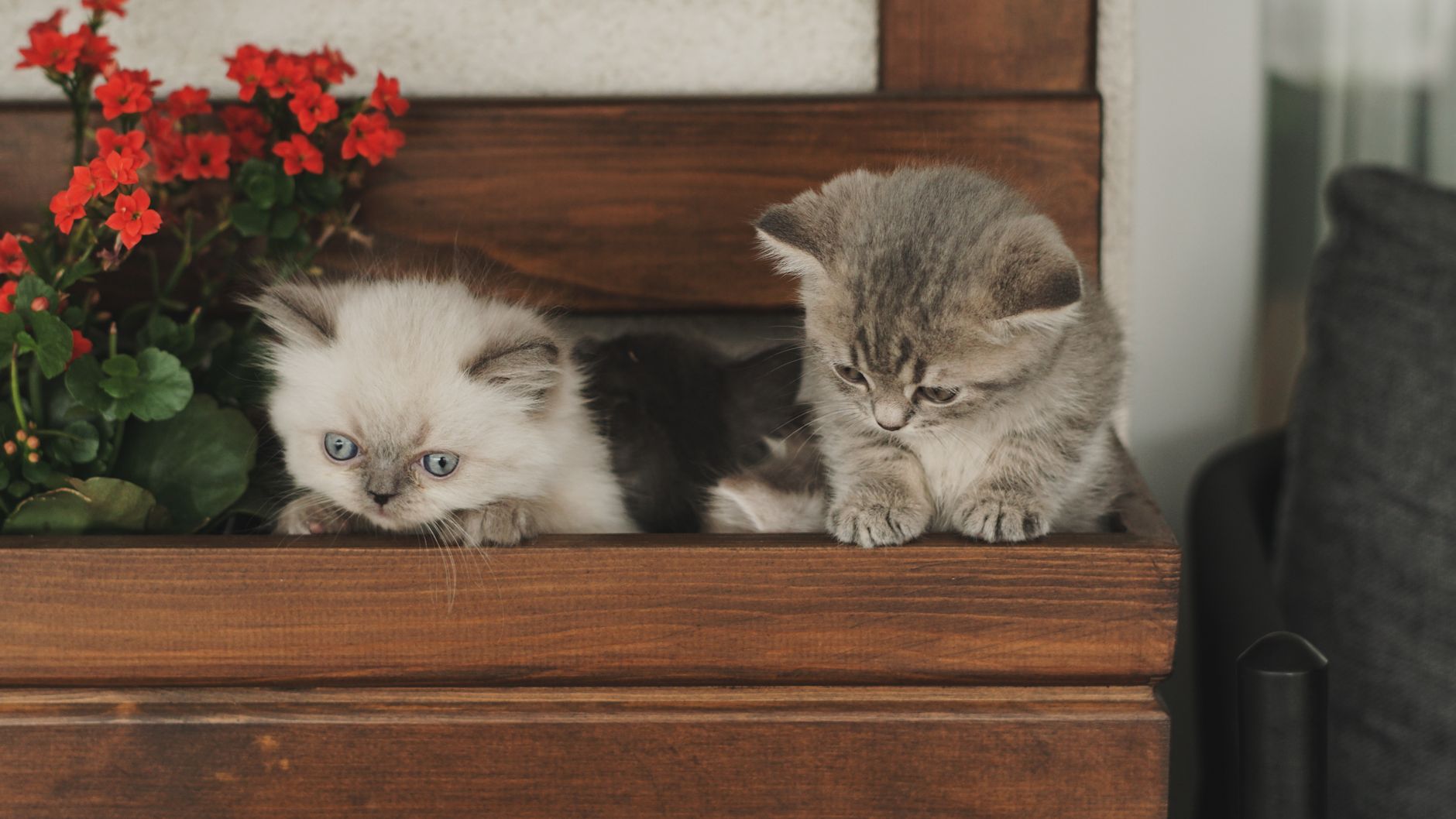
Yes, indoor cats can live safe, healthy, and fulfilling lives without ever going outside. Cats are highly adaptable animals that have been domesticated for thousands of years, and the modern indoor home can provide everything a cat needs to thrive—shelter, food, water, enrichment, and companionship. A cat that spends its entire life indoors typically faces fewer physical dangers, lower disease exposure, and often a longer lifespan than outdoor or indoor-outdoor cats.
For example, an indoor cat kept in a properly maintained home might live 15 to 20 years or more, while outdoor cats have an average lifespan closer to 5 to 10 years due to risks from traffic, predators, infectious disease, and parasites. The key to keeping an indoor cat safe and content is understanding that indoor living requires active management from the owner. An empty apartment with minimal interaction and no stimulation is not a safe environment for a cat, regardless of how secure the walls are. Indoor safety depends on providing adequate space, environmental enrichment, social interaction, medical care, and mental stimulation that matches a cat’s natural hunting and exploring instincts.
Table of Contents
- Why Indoor Living Reduces Physical Dangers for Cats
- Physical Health Needs of Indoor Cats and Potential Limitations
- Mental Stimulation and Behavioral Enrichment for Indoor Cats
- Preventive Healthcare and Indoor Cat Maintenance
- Stress, Anxiety, and Behavioral Issues in Confined Indoor Cats
- Multicat Households and Indoor Territory Management
- Long-Term Sustainability and Owner Commitment for Indoor Cats
- Frequently Asked Questions
Why Indoor Living Reduces Physical Dangers for Cats
Indoor cats avoid the major outdoor hazards that cause injury and death. Traffic accidents are one of the leading causes of death in outdoor cats—a single encounter with a car can be fatal or result in severe injury. Predators such as coyotes, foxes, and birds of prey pose significant threats depending on the region, and even large dogs can injure or kill a cat. Outdoor cats are also vulnerable to theft, which occurs more often than many owners realize, particularly with desirable breeds or purebred cats.
Infectious diseases spread more readily outdoors. feline leukemia virus (FeLV), feline immunodeficiency virus (FIV), and feline infectious peritonitis (FIP) are transmitted through close contact with infected cats, and outdoor cats have much higher exposure rates. Parasites like fleas, ticks, and intestinal worms are nearly unavoidable for outdoor cats but can be completely prevented in an indoor cat through proper preventive medicine. An indoor cat that has never left a controlled environment faces minimal disease risk compared to a cat with outdoor access.
Physical Health Needs of Indoor Cats and Potential Limitations
Indoor cats require deliberate exercise and activity to maintain healthy body weight and muscle tone. Without sufficient activity, indoor cats are prone to obesity, which leads to diabetes, arthritis, heart disease, and reduced lifespan. A sedentary cat sleeping 16 hours a day without physical activity is at higher health risk than an active cat. However, an indoor environment can absolutely support an active lifestyle through the use of climbing structures, interactive toys, laser pointers, and scheduled play sessions with the owner. The limitation is that this requires consistent effort from the owner; an indoor cat cannot self-regulate its activity level the way an outdoor cat can by roaming and hunting naturally.
Indoor cats also need consistent access to fresh water, appropriate food, and clean litter boxes. Unlike outdoor cats that may find water sources and roam to eliminate waste, indoor cats are entirely dependent on their owners for these basic needs. Litter box problems—both behavioral and medical—are more noticeable in indoor cats and require prompt attention. Additionally, indoor cats have no exposure to natural sunlight and vitamin D synthesis, so their nutrition must include adequate vitamin D from food or supplementation. Some indoor cats develop stereotypic behaviors or anxiety if their environment feels too confined or unpredictable.
Mental Stimulation and Behavioral Enrichment for Indoor Cats
A cat’s brain requires regular stimulation and novelty to prevent boredom, anxiety, and destructive behavior. Indoor cats have access to only what their owner provides, so without intentional enrichment, they may develop behavioral problems such as excessive vocalization, inappropriate elimination, aggression, or compulsive grooming. A cat that spends eight hours alone in an apartment with no windows, toys, or interactive opportunities is not living a thriving indoor life. In contrast, an indoor cat with a window perch overlooking birds and squirrels, rotating toys, puzzle feeders, and 15 to 30 minutes of daily interactive play with a human has mental enrichment that supports both physical and emotional health.
Environmental enrichment for indoor cats includes vertical spaces like cat trees and wall-mounted shelves, access to natural light and windows, sounds and sights of the outdoors (even viewed from inside), and opportunities to engage hunting behaviors through toys and feeding methods. Some indoor cats benefit from access to a secure catio—an enclosed outdoor patio or porch attached to the home—that provides outdoor sensory stimulation while maintaining safety. Others thrive with clicker training, learning commands, or even learning to walk on a harness and leash for controlled outdoor exposure. The key distinction is that these enrichment strategies are actively provided by the owner, not left to chance.
Preventive Healthcare and Indoor Cat Maintenance
Indoor cats require regular veterinary care to monitor for health issues that might not be apparent to an untrained owner. Annual wellness exams, vaccinations (depending on individual risk factors), parasite prevention, and dental care are essential components of responsible indoor cat ownership. Some indoor cats never need certain vaccines if they have no outdoor exposure and live in a single-cat household, whereas other indoor cats benefit from specific vaccines depending on their environment and health status. A veterinarian can assess an individual cat’s risk factors and recommend appropriate preventive care.
The tradeoff with indoor living is that health problems may be detected later than they would be in an outdoor cat that naturally shows more visible signs of illness through behavioral changes or visible injuries. An indoor cat that spends most of its time sleeping and eating may mask early signs of kidney disease, diabetes, or other chronic conditions until the disease is advanced. This means that indoor cat owners must be more observant and proactive about health monitoring, scheduling regular vet visits even when the cat appears healthy, and addressing even minor changes in behavior, appetite, or litter box habits. Indoor cats that receive consistent preventive care, however, often have better long-term health outcomes than outdoor cats precisely because problems can be caught earlier through regular monitoring.
Stress, Anxiety, and Behavioral Issues in Confined Indoor Cats
Some cats develop stress-related behaviors when confined indoors without adequate environmental control or choice. Cats are territorial animals with preferences for specific areas to sleep, eat, eliminate, and hide, and conflicts can arise when multiple cats share a small indoor space or when a single cat feels its territory is threatened by unpredictable events. Signs of stress in indoor cats include urine spraying or inappropriate elimination outside the litter box, excessive vocalization, over-grooming or hair loss, reduced appetite, aggression toward people or other animals, or hiding for extended periods. These behaviors indicate that the cat’s physical or psychological needs are not being met, not that indoor living itself is inherently unsafe.
A warning for prospective indoor cat owners: introducing an outdoor cat or a cat from a shelter directly into a confined space without a gradual adjustment period can result in severe stress and behavioral problems. Similarly, a cat that has lived outdoors for years may struggle psychologically with permanent indoor confinement, even if it is physically safe. Young cats raised indoors from kittenhood adapt naturally to indoor living and typically do not experience this stress. The solution for stress-related behaviors is to identify and address the underlying cause—inadequate litter boxes, insufficient territory, excessive noise, lack of hiding spots, or incompatible multicat households—rather than assuming indoor living cannot work for that cat.
Multicat Households and Indoor Territory Management
Multiple cats living in the same indoor space face unique challenges that outdoor or indoor-outdoor cats do not. Cats are solitary hunters by nature, and forced proximity can create stress, conflict, and resource competition.
In an indoor multicat household, each cat ideally needs separate resources—litter boxes, food bowls, water bowls, and resting areas—to prevent tension. A common guideline is to have one litter box per cat, plus one extra, though in practice many indoor cats share litter boxes without incident if they are placed in different locations and cleaned frequently. An example of a well-managed indoor multicat home might include two separate floors or distinct zones where each cat can retreat, multiple perches and hiding spots throughout the house, and staggered feeding times to reduce competition and stress.
Long-Term Sustainability and Owner Commitment for Indoor Cats
Indoor cat ownership requires a long-term commitment from the owner to maintain the environment, provide enrichment, and ensure medical care over the cat’s entire lifespan—potentially 15 to 20 years or more. A cat’s needs and environmental preferences may change as it ages, and a home that provides adequate enrichment for a young, active cat may need modifications as the cat matures or develops health issues.
An elderly indoor cat may require ramps or lower litter boxes to accommodate arthritis, better lighting to compensate for declining vision, or more frequent litter box cleaning due to age-related incontinence. Owners who are unable or unwilling to adapt the indoor environment to support a cat’s changing needs over decades should reconsider whether indoor-only cat ownership is appropriate for their lifestyle.
Frequently Asked Questions
Can an indoor cat that’s been outside ever adjust to living indoors permanently?
Yes, but it requires time and patience. A previously outdoor cat may experience stress or attempt to escape for weeks or months, but gradual adjustment in a secure environment, combined with enrichment and routine, can help most cats adapt. Some cats struggle more than others, and the transition is generally easier for younger cats than for senior outdoor cats.
How much space does an indoor cat actually need?
There’s no fixed requirement, but vertical space is more important than floor space. A cat in a small apartment with multiple cat trees, wall-mounted shelves, and window access can thrive, while a cat in a large house with no enrichment may be bored and stressed. Most experts suggest at least one room dedicated to the cat, with additional enrichment throughout the home.
Do indoor cats get lonely without other cats?
Some do, and some don’t. Cats are not inherently social animals and many prefer living alone. Whether a second cat helps or stresses your indoor cat depends on the individual cat’s temperament and the household’s ability to provide separate resources and space. Adding a cat to reduce loneliness can backfire if the existing cat is territorial.
Is it cruel to keep a cat indoors if it hasn’t experienced the outdoors?
No. A cat that has lived indoors from kittenhood does not pine for outdoor experiences it has never had. Indoor living is neither cruel nor unnatural if the owner provides appropriate environmental enrichment and care. Cats are adaptable, and indoor living is the safest option for most urban environments.
What’s the difference between an indoor cat and a cat with outdoor access?
Indoor cats face fewer physical dangers, disease exposure, and parasites, but rely entirely on their owners for enrichment and exercise. Cats with outdoor access have greater freedom and natural stimulation but face significant risks from traffic, predators, disease, and parasites. The choice depends on the environment and the owner’s commitment to enrichment.