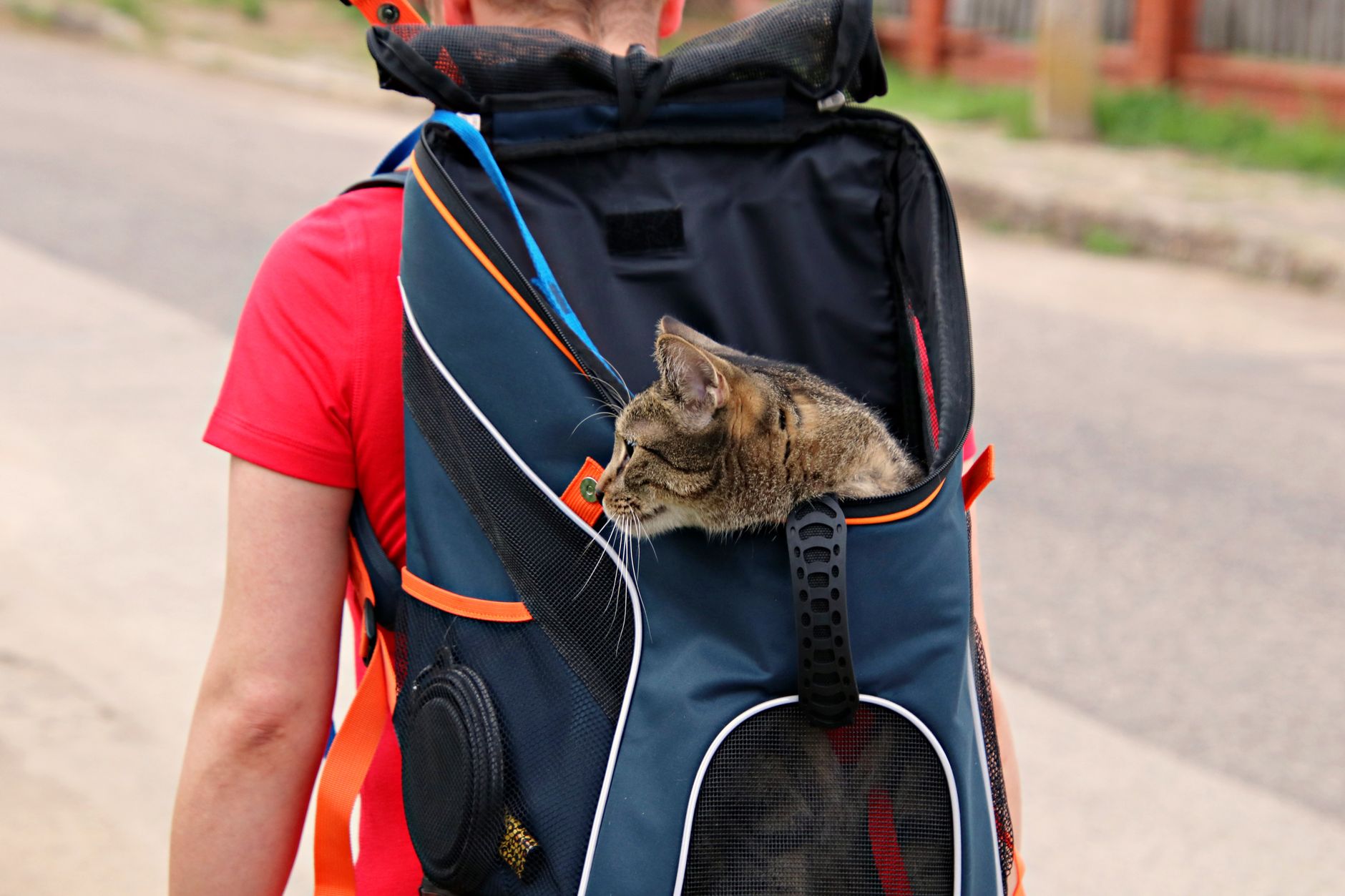
Simon represents a growing trend of cats who travel beyond their homes, exploring destinations from the red rock landscapes of Southern Utah to international locations around the globe. While most cats are considered indoor creatures tied to familiar territory, some owners like JJ Yosh have discovered that with proper preparation and understanding of feline behavior, cats can adapt to travel and experience new environments. This approach requires rethinking assumptions about cat nature and addressing the genuine challenges that arise when moving a sensitive animal outside its established home base.
Traveling with a cat demands fundamentally different planning than traveling with dogs or other pets. Cats rely heavily on environmental familiarity, established routines, and territory markers to feel secure. When Simon travels to a new location, even one as visually striking as Southern Utah’s national parks and monuments, the experience involves managing stress responses, ensuring access to food and water, maintaining litter habits, and preventing escape or injury. The decision to travel with a cat rather than boarding one at home carries real tradeoffs that owners must weigh carefully.
Table of Contents
- Why Do Some Cat Owners Choose to Travel With Their Cats Instead of Boarding Them?
- Health and Medical Considerations for Cats Traveling to Different Climates and Elevations
- Managing Litter Box Needs and Bathroom Habits During Travel
- Preparing a Cat for Long-Distance Travel and New Environments
- Behavioral Changes and Stress Indicators When Cats Travel
- Managing Cat Escape and Safety Risks in Unfamiliar Locations
- Whether Traveling Cats Genuinely Benefit From New Experiences or Simply Tolerate Them
- Frequently Asked Questions
Why Do Some Cat Owners Choose to Travel With Their Cats Instead of Boarding Them?
Many owners believe traveling with their cat preserves the animal’s routine better than boarding options, where cats experience complete separation from their owner and familiar spaces. A cat traveling alongside its owner maintains its primary social bond and avoids the anxiety that boarding can trigger, including appetite loss, stress behaviors, and health complications. JJ Yosh’s choice to bring Simon on adventures reflects a philosophy that some cats adapt better to new physical environments than to separation anxiety.
However, this assumption doesn’t apply equally to all cats. Some felines adjust well to boarding facilities or pet sitters, while others genuinely struggle with either boarding or travel. A cat with low stress tolerance might experience more cumulative stress from the travel process itself—car rides, hotel rooms, unfamiliar people—than from a few days at a professional boarding facility. The cat’s individual temperament, age, and prior experiences shape whether traveling with the owner actually reduces or increases overall stress.
Health and Medical Considerations for Cats Traveling to Different Climates and Elevations
Southern Utah’s elevation and desert climate differ significantly from most residential areas in the continental United States, requiring preparation that many first-time cat travelers overlook. Elevation changes affect how cats breathe and their cardiovascular function, particularly for older cats or those with heart conditions. The dry air of desert environments can exacerbate respiratory issues and cause excessive shedding or skin irritation. A cat like Simon traveling to elevations between 4,000 and 11,000 feet needs a pre-travel veterinary check to ensure it can handle these physical demands.
International travel introduces additional medical complexity. Different countries maintain different vaccination requirements, quarantine periods, and regulations for importing pets. Some nations require specific health certificates, microchip registration, or proof of rabies vaccination dated within certain timeframes. A cat traveling globally might face flight-related stress, exposure to unfamiliar pathogens, dietary changes due to limited food availability, and time zone disruption that affects feeding and elimination schedules. Owners must understand that travel to developing countries or regions with different disease patterns exposes cats to health risks not present in their home environment.
Managing Litter Box Needs and Bathroom Habits During Travel
The litter box represents one of the most challenging logistical problems for traveling cat owners. Cats are particular about litter box conditions, and changes to the box itself, litter type, location, or cleanliness can trigger elimination problems. A traveling cat needs either a portable litter box setup in hotel rooms or rental properties, or access to appropriate outdoor elimination areas if traveling in car camping scenarios. Many hotels that accept pets restrict litter boxes to bathrooms, which may feel confining or unsafe to the cat, leading to accidents or avoidance behaviors.
Travel to places like Southern Utah often involves vacation rentals, campgrounds, or non-standard accommodations where litter box infrastructure must be created from scratch. Some locations simply don’t work logistically—desert camping without facilities for waste containment, for example, creates sanitation and boundary issues. A cat experiencing elimination stress may refuse the litter box entirely, instead using furniture, carpeting, or outdoor areas in ways that damage property or create hygiene problems. Prevention requires planning specific accommodation types, not just pet-friendly policies.
Preparing a Cat for Long-Distance Travel and New Environments
Successful cat travel begins months before departure with habituation and conditioning. A cat needs exposure to the vehicle in non-travel contexts, gradually increasing tolerance to sounds, movement, and confinement. Calming supplements, prescribed sedatives, or pheromone products like Feliway can reduce stress responses, though they work better on some cats than others. Some owners use harnesses and leashes to prepare cats for outdoor exploration, though this carries its own risks in unfamiliar terrain where the cat might bolt or become tangled.
Arriving at a new location requires establishing territory slowly rather than allowing free roaming immediately. The cat should have a designated safe room containing its litter box, food, water, and hiding spaces before exploring the larger space. This approach prevents panic responses and makes the cat easier to locate if it escapes. In a place like Southern Utah, where outdoor terrain is expansive and hazardous—cliff edges, extreme temperature swings, unfamiliar predators—allowing a cat outdoor access requires constant supervision and creates escape risks incompatible with typical vacation activities.
Behavioral Changes and Stress Indicators When Cats Travel
Cats express travel stress through specific behaviors that owners sometimes misinterpret as personality or breed traits. A stressed traveling cat might refuse food, hide excessively, eliminate outside the litter box, become unusually vocal, or show aggression toward people or other animals. Some cats develop temporary behavioral problems that persist even after returning home, suggesting the travel experience created lasting anxiety rather than adventure.
A cat like Simon might display these signs while traveling, requiring owners to recognize them as distress signals rather than misbehavior deserving punishment. The stress response in cats involves elevated cortisol levels, which suppress immune function and increase vulnerability to infections and illness. A cat traveling frequently or to multiple destinations experiences cumulative immunosuppression that increases susceptibility to upper respiratory infections, urinary tract issues, and digestive problems. Owners often attribute these illnesses to the destinations themselves—”the water upset his stomach” or “something he ate made him sick”—without recognizing that travel stress itself caused the health decline.
Managing Cat Escape and Safety Risks in Unfamiliar Locations
Escape represents one of the highest-risk scenarios for traveling cats. A cat bolting from a hotel room or rental property in an unfamiliar area has minimal understanding of safe routes, established territories, or dangers. Outdoor escape in Southern Utah’s landscape creates specific hazards: flash flooding in canyon areas, extreme exposure in open desert, predators including coyotes and mountain lions, and the physical difficulty of navigating terrain with cliffs, cacti, and rough ground.
Many lost traveling cats are never recovered because they lack the navigation skills or risk assessment necessary to survive in genuinely wild environments. Prevention requires secured doors, window stops, and awareness during entry and exit. Some traveling cat owners use window screens reinforced with additional barriers, or create temporary outdoor enclosures called catios to allow outdoor experience without escape risk. These preparations add significant logistical burden to vacation travel, reducing the spontaneity and flexibility that motivates travel in the first place.
Whether Traveling Cats Genuinely Benefit From New Experiences or Simply Tolerate Them
The core assumption behind traveling with a cat—that the experience enriches the cat’s life or provides meaningful stimulation—deserves scrutiny. Cats are not explorers by nature; they are territory-focused animals that derive security from consistent, familiar spaces. Research on environmental enrichment suggests that cats benefit more from familiar space modifications like climbing structures, hunting opportunities, and visual stimulation than from new physical locations.
A cat might tolerate a trip to Southern Utah without obvious stress, but that tolerance doesn’t indicate enjoyment or enrichment equivalent to what the cat experiences in an optimized home environment. Owners often project their own travel motivations onto their cats, interpreting the cat’s mere presence at new locations as participation in shared adventure. The cat is often simply tolerating the situation while experiencing a baseline level of stress. Genuine enrichment for most cats comes from their home environment—controlled climbing spaces, interactive prey play, predictable routines—rather than from exposure to hotels, cars, and unfamiliar landscapes.
- —
Frequently Asked Questions
Can cats adjust to traveling regularly, or does it always cause stress?
Some cats show improved tolerance with repeated exposure and prior habituation, but baseline travel stress persists for most cats. Individual temperament varies significantly; some cats adjust better than others. Even well-adjusted traveling cats experience physiological stress responses that affect immune function and long-term health.
What should I do if my cat refuses to eat or use the litter box while traveling?
Provide the cat a quiet, secure room with familiar items from home, and contact a veterinarian immediately if the refusal lasts more than 24 hours. Stress-related appetite loss and elimination avoidance are common but can lead to dehydration or urinary blockages in extreme cases.
Is it safer to travel with a cat by car or by plane?
Car travel is generally less traumatic for cats, allowing the owner to maintain temperature control, provide regular breaks, and avoid the handling and noise of airports. Air travel introduces additional stress, ear pressure changes, and confinement duration, making it appropriate only for necessary relocations rather than vacations.
Do cats enjoy exploring new outdoor environments like national parks?
Cats may tolerate new outdoor spaces with supervision, but exploration is driven by territory marking and hazard assessment rather than enjoyment. Most cats prefer familiar outdoor spaces they can navigate safely.
Should I use sedatives to manage my cat’s travel stress?
Sedatives can reduce visible anxiety, but they don’t address underlying stress responses and carry medical risks. Discuss options with a veterinarian; many prefer pheromone products or behavioral modification strategies first.
How do I handle international pet travel requirements?
Research destination-specific regulations months in advance, including vaccination requirements, health certificates, quarantine periods, and microchip standards. Requirements vary significantly by country and change frequently.