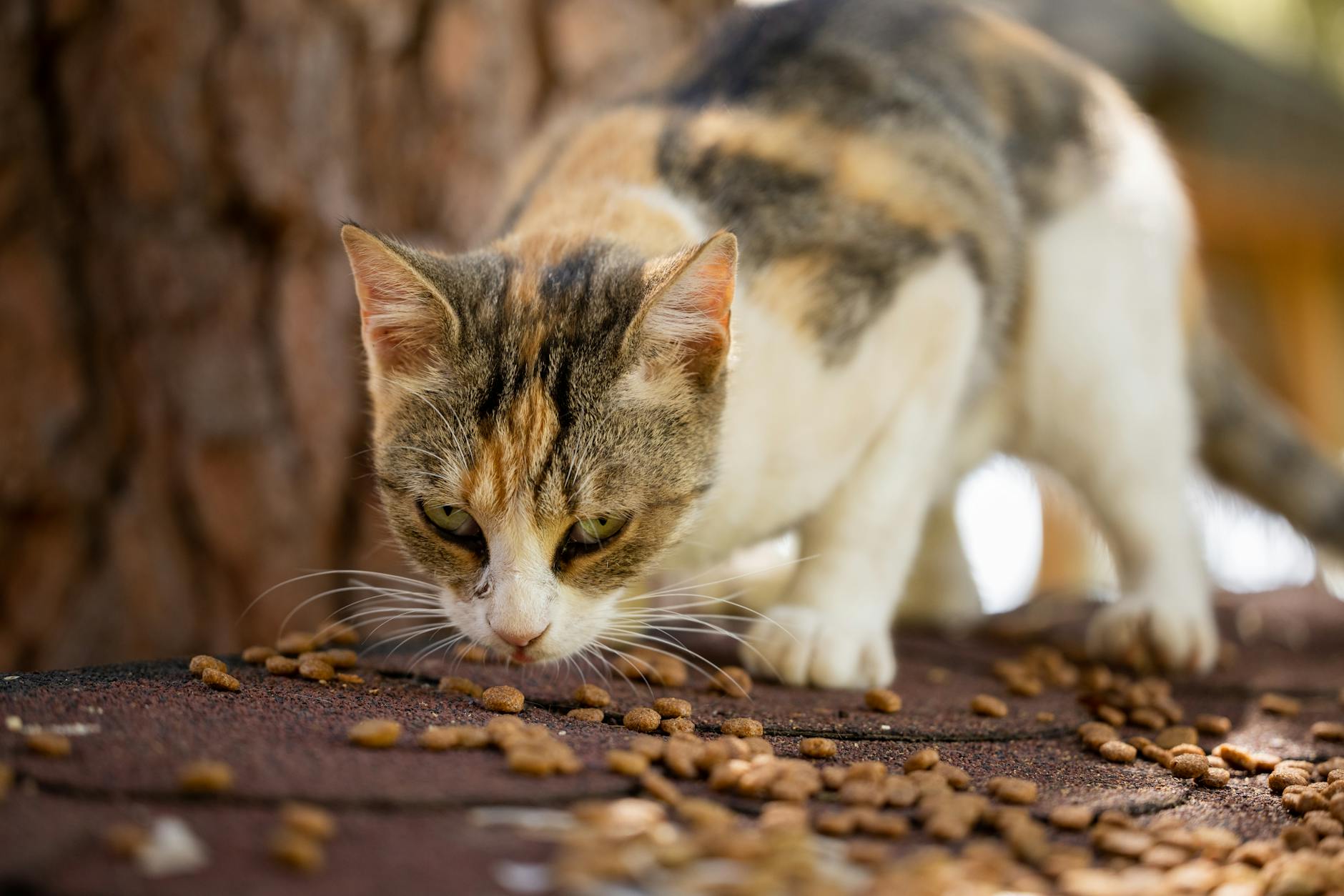
Some human foods are perfectly safe for cats in small amounts, but many others are surprisingly dangerous and can cause anything from mild stomach upset to fatal organ failure. The short answer is that cats can eat certain human foods as occasional treats, but their diet should never rely on table scraps or home-cooked meals alone. A plain piece of cooked chicken breast, for instance, is generally fine for most cats, while something as seemingly harmless as a grape or a small piece of onion can trigger kidney damage or destroy red blood cells. The key distinction lies in understanding which specific foods fall into the safe category and which ones belong on the absolute never-feed list.
Cats are obligate carnivores, meaning their bodies are built to process animal protein above all else. Their digestive systems, liver enzymes, and nutritional requirements differ fundamentally from those of humans and even dogs. This means that many foods we eat every day without a second thought can be metabolized very differently inside a cat’s body. Throughout this article, we will cover which human foods are safe, which are toxic, how portion size matters, what signs of food poisoning look like in cats, and how to handle the reality that your cat will inevitably try to steal something off your plate.
Table of Contents
- What Human Foods Can Cats Safely Eat Without Risk?
- Which Common Human Foods Are Toxic and Potentially Fatal to Cats?
- How a Cat’s Digestive System Handles Human Food Differently
- How to Safely Offer Human Food Treats to Your Cat
- Recognizing the Signs of Food Toxicity and When to Seek Emergency Care
- Why Cats Beg for Human Food and How to Manage the Behavior
- The Future of Feline Nutrition and Human Food Considerations
- Conclusion
- Frequently Asked Questions
What Human Foods Can Cats Safely Eat Without Risk?
The list of genuinely safe human foods for cats is shorter than most owners expect. Plain, cooked meats top the list. Chicken, turkey, lean beef, and cooked fish like salmon are all acceptable in small portions, provided they contain no added seasoning, garlic, onion, or excessive salt. Cooked eggs are another safe option and offer a good protein boost. Some cats also tolerate small amounts of plain cooked rice or pumpkin, which veterinarians sometimes recommend for digestive issues. Blueberries, watermelon without seeds, and small pieces of banana are among the few fruits that most cats can handle, though many cats will simply sniff these and walk away because felines lack the taste receptors for sweetness. The critical qualifier is “plain and unseasoned.” A boiled chicken thigh is safe.
That same chicken thigh roasted with garlic butter, rosemary, and onion powder becomes a potential trip to the emergency vet. This is where many well-meaning owners run into trouble. They assume that because chicken is safe, any chicken dish is safe. The base ingredient might be harmless, but the preparation method and added ingredients often introduce toxins. Compare this to dogs, who can tolerate a somewhat wider range of seasonings and preparations. Cats are more metabolically sensitive, particularly because their livers lack certain enzymatic pathways that other species use to break down common compounds found in plants and spices. A useful rule of thumb is that any human food offered to a cat should be a single, whole ingredient with nothing added to it. If you would need to read a recipe to make it, it probably should not go in your cat’s bowl.
Which Common Human Foods Are Toxic and Potentially Fatal to Cats?
The list of dangerous foods is extensive, and some entries are genuinely surprising. Onions, garlic, leeks, and chives, all members of the allium family, are among the most dangerous. They cause oxidative damage to red blood cells, leading to a condition called Heinz body anemia. The toxic effects are cumulative, meaning even small amounts eaten over several days can build up to dangerous levels. Grapes and raisins can cause acute kidney failure, and the exact mechanism is still not fully understood by veterinary researchers, which makes it impossible to identify a “safe” dose. Chocolate contains theobromine, which cats metabolize far more slowly than humans. Dark chocolate and baking chocolate are the most concentrated, but even milk chocolate in sufficient quantity poses a real threat.
Alcohol, caffeine, xylitol (an artificial sweetener found in sugar-free gum, peanut butter, and baked goods), and raw yeast dough are all seriously dangerous. Xylitol is worth special attention because it has become increasingly common in products that owners might not suspect, including certain brands of peanut butter that people sometimes offer to pets. Raw fish and raw eggs carry bacterial risks, and raw fish specifically contains thiaminase, an enzyme that destroys thiamine (vitamin B1), potentially leading to neurological problems if consumed regularly. However, if your cat licks a tiny amount of milk chocolate off the counter or eats a single small piece of cooked onion that fell on the floor, that does not necessarily constitute an emergency. Toxicity is dose-dependent in most cases. The danger arises with repeated exposure or with larger quantities relative to the cat’s body weight. A ten-pound cat eating one grape is in a very different situation than a ten-pound cat licking a trace of cheese. That said, when in doubt, calling your veterinarian or the ASPCA Animal Poison Control Center is always the right move, because the consequences of guessing wrong can be irreversible.
How a Cat’s Digestive System Handles Human Food Differently
Cats evolved as strict hunters of small prey. Their digestive tracts are shorter relative to body size compared to omnivores, and they are optimized for breaking down animal protein and fat rather than plant matter, grains, or complex carbohydrates. This is not just dietary preference but biological architecture. Cats have a limited ability to produce amylase, the enzyme that breaks down starches, and they have a higher protein requirement than nearly any other domesticated animal. Their bodies also cannot synthesize taurine, arachidonic acid, or vitamin A from plant precursors the way dogs or humans can. They must get these nutrients directly from animal tissue. This has practical consequences for feeding human food.
A plate of pasta with marinara sauce, for example, offers a cat almost nothing nutritionally. The carbohydrates are poorly utilized, the tomato sauce is acidic and may cause stomach upset, and any garlic or onion in the sauce is actively harmful. Even foods that seem protein-rich to us, like a bean burrito or a handful of nuts, provide protein in forms that are largely inaccessible to a cat’s digestive chemistry. Cats fed a steady diet of human food, even foods that are technically non-toxic, frequently develop nutritional deficiencies because the macro and micronutrient ratios simply do not match what their bodies require. A specific case that veterinary nutritionists encounter regularly involves owners who feed their cats a homemade diet of plain cooked chicken and rice. While neither ingredient is toxic, this combination lacks taurine, calcium, essential fatty acids, and several vitamins. Cats fed this way for extended periods can develop dilated cardiomyopathy from taurine deficiency, weakened bones from calcium imbalance, and skin problems from fatty acid shortfalls. The food is safe in the toxicological sense but dangerously incomplete in the nutritional sense.

How to Safely Offer Human Food Treats to Your Cat
If you want to share the occasional bite of human food with your cat, the safest approach is to treat it exactly like what it is: a treat. Veterinary guidelines generally recommend that treats of any kind, whether commercial cat treats or bits of human food, should make up no more than ten percent of a cat’s daily caloric intake. For an average indoor cat consuming roughly 200 to 250 calories per day, that means twenty to twenty-five calories worth of treats. A one-ounce piece of cooked chicken breast is about thirty calories, so even a safe food can overshoot the guideline if portions are not kept small. The tradeoff between offering human food versus commercial cat treats is worth considering. Commercial treats formulated for cats are designed to be nutritionally harmless in the context of a balanced diet, and many are supplemented with taurine and other feline essentials. A piece of cooked salmon, on the other hand, may be more appealing to your cat and is a whole food without artificial additives, but it offers no nutritional safeguards.
Neither option is clearly superior. The real risk lies in frequency and volume rather than the choice between the two. Some owners find that reserving human food for special occasions, such as a small piece of turkey at a holiday meal, keeps the habit from escalating into a daily expectation. Preparation matters as much as selection. Any meat should be thoroughly cooked to eliminate bacterial and parasitic risks. Bones must be removed completely, as cooked bones splinter and can perforate the digestive tract. Skin and fat should be trimmed, since excessive fat can trigger pancreatitis in cats, a painful and sometimes life-threatening condition. Serving size should be roughly the size of your fingertip, not a full human portion.
Recognizing the Signs of Food Toxicity and When to Seek Emergency Care
One of the more insidious aspects of food toxicity in cats is that symptoms often do not appear immediately. Onion and garlic toxicity, for instance, may not produce visible signs for two to four days after ingestion, by which point significant red blood cell damage has already occurred. Grape and raisin toxicity can take twelve to seventy-two hours to manifest as kidney failure. This delay means that owners who see their cat eat something questionable and then observe the cat acting fine for the next few hours may incorrectly assume everything is all right. The symptoms to watch for vary by toxin but generally include vomiting, diarrhea, lethargy, loss of appetite, excessive drooling, difficulty breathing, pale or yellowish gums, dark or bloody urine, tremors, and seizures. Any combination of these signs following known or suspected ingestion of a harmful food warrants an immediate veterinary visit.
Do not wait to see if symptoms improve on their own. Do not attempt to induce vomiting at home unless specifically instructed to do so by a veterinarian, because some substances cause more damage coming back up and certain methods of inducing vomiting, like hydrogen peroxide, are themselves dangerous to cats. A limitation worth acknowledging is that not every case of food toxicity is dramatic or obvious. Chronic low-level exposure to harmful foods, especially alliums added to table scraps over weeks or months, can cause a gradual anemia that presents as subtle lethargy or reduced appetite. Owners may attribute these vague symptoms to aging, weather changes, or mood rather than connecting them to dietary habits. This is one of the strongest arguments for keeping human food sharing to a minimum and sticking to the known safe list.

Why Cats Beg for Human Food and How to Manage the Behavior
Cats that beg for human food are usually responding to smell, routine, or learned reinforcement rather than genuine hunger. A cat that sits by the dinner table every evening has likely been rewarded at some point, even inadvertently, with a scrap or a bit of attention. Once that association is formed, the behavior becomes self-sustaining. Consider the classic scenario: a cat jumps on the counter while the owner is cooking, the owner pushes the cat away but the cat manages to grab a piece of shredded chicken first. From the cat’s perspective, jumping on the counter just became a successful hunting strategy.
The most effective way to manage begging is to feed the cat its own meal at the same time you sit down for yours. This redirects the food-seeking behavior to an appropriate source and reduces the cat’s motivation to approach the table. Consistency matters enormously. If one household member maintains strict boundaries while another sneaks the cat bites of steak, the cat will simply learn to target the easier mark. For cats that are persistent counter surfers, keeping food covered and surfaces clear during preparation is more effective than repeated scolding, which most cats find unconvincing anyway.
The Future of Feline Nutrition and Human Food Considerations
Veterinary nutrition is an evolving field, and research into feline dietary needs continues to refine our understanding of what cats can and cannot safely consume. Recent studies have explored the bioavailability of nutrients from various whole-food sources, and some veterinary nutritionists are developing balanced homemade diet plans that incorporate human-grade ingredients with appropriate supplementation. These diets are not the same as casually feeding table scraps.
They require precise formulations, regular blood work monitoring, and ongoing veterinary oversight. The broader trend in pet nutrition is toward transparency in ingredient sourcing and higher protein formulations that better reflect the cat’s evolutionary diet. As this field advances, the line between “human food” and “cat food” may continue to blur in terms of ingredient quality, but the fundamental biological reality will remain unchanged: cats need a specific nutritional profile that casual human food sharing simply cannot provide. The best thing any owner can do is stay informed, consult their veterinarian before making dietary changes, and resist the temptation to assume that what is healthy for humans is automatically healthy for their cat.
Conclusion
Feeding human food to cats is not inherently dangerous, but it requires knowledge, restraint, and attention to detail. A short list of plain, cooked, unseasoned animal proteins and a handful of fruits and vegetables can serve as occasional treats without harm. The far longer list of toxic and inappropriate foods, from onions and chocolate to raw dough and xylitol, demands strict avoidance. Understanding that cats are obligate carnivores with unique metabolic limitations is the foundation of making safe choices, and recognizing that “non-toxic” does not mean “nutritionally adequate” is equally important.
The safest approach is to keep human food treats rare, small, and limited to the established safe list. Make sure your cat’s primary diet is a complete and balanced commercial food or a veterinary-formulated homemade diet. Know the signs of food toxicity, keep the ASPCA Poison Control number saved in your phone, and err on the side of caution whenever you are unsure about a specific food. Your cat does not need variety or culinary excitement. It needs consistent, species-appropriate nutrition, and the occasional piece of plain chicken is just a bonus.
Frequently Asked Questions
Can cats drink milk?
Most adult cats are lactose intolerant and will experience diarrhea, gas, or stomach cramps after drinking cow’s milk. Kittens produce the enzyme lactase to digest their mother’s milk, but this ability fades after weaning. Small amounts of lactose-free milk are generally tolerated but offer no nutritional benefit. Plain water is always the better choice.
Is canned tuna safe for cats?
Small amounts of plain canned tuna in water as an occasional treat are unlikely to cause harm. However, tuna lacks sufficient taurine for cats, contains relatively high levels of mercury, and the strong flavor can cause some cats to become fixated on it and refuse their regular food. It should never serve as a dietary staple.
Can cats eat cheese?
Most cats can tolerate a very small piece of mild, low-lactose cheese like cheddar or Swiss without obvious distress. However, cheese is high in fat and calories relative to a cat’s needs, and many cats are lactose intolerant enough that even small amounts cause digestive discomfort. It is best kept as a rare treat rather than a regular offering.
What should I do if my cat eats chocolate?
Contact your veterinarian or the ASPCA Animal Poison Control Center (888-426-4435) immediately. Note the type of chocolate, the approximate amount consumed, and your cat’s weight. Dark chocolate and baking chocolate are the most dangerous. Do not wait for symptoms to appear before seeking guidance, as early intervention significantly improves outcomes.
Are raw meat diets safe for cats?
Raw meat diets are controversial. Proponents argue they more closely mimic a natural feline diet, but veterinary organizations including the AVMA advise against them due to bacterial contamination risks from Salmonella, Listeria, and E. coli that threaten both the cat and human household members. If you are considering a raw diet, work directly with a veterinary nutritionist to minimize risks and ensure nutritional completeness.
Can cats eat dog food?
A cat that sneaks a bite of dog food is not in danger, but dog food should never replace cat food. Dog food does not contain adequate levels of taurine, arachidonic acid, or protein for feline needs. Cats fed dog food regularly will develop serious nutritional deficiencies over time, even though the food itself is not toxic.