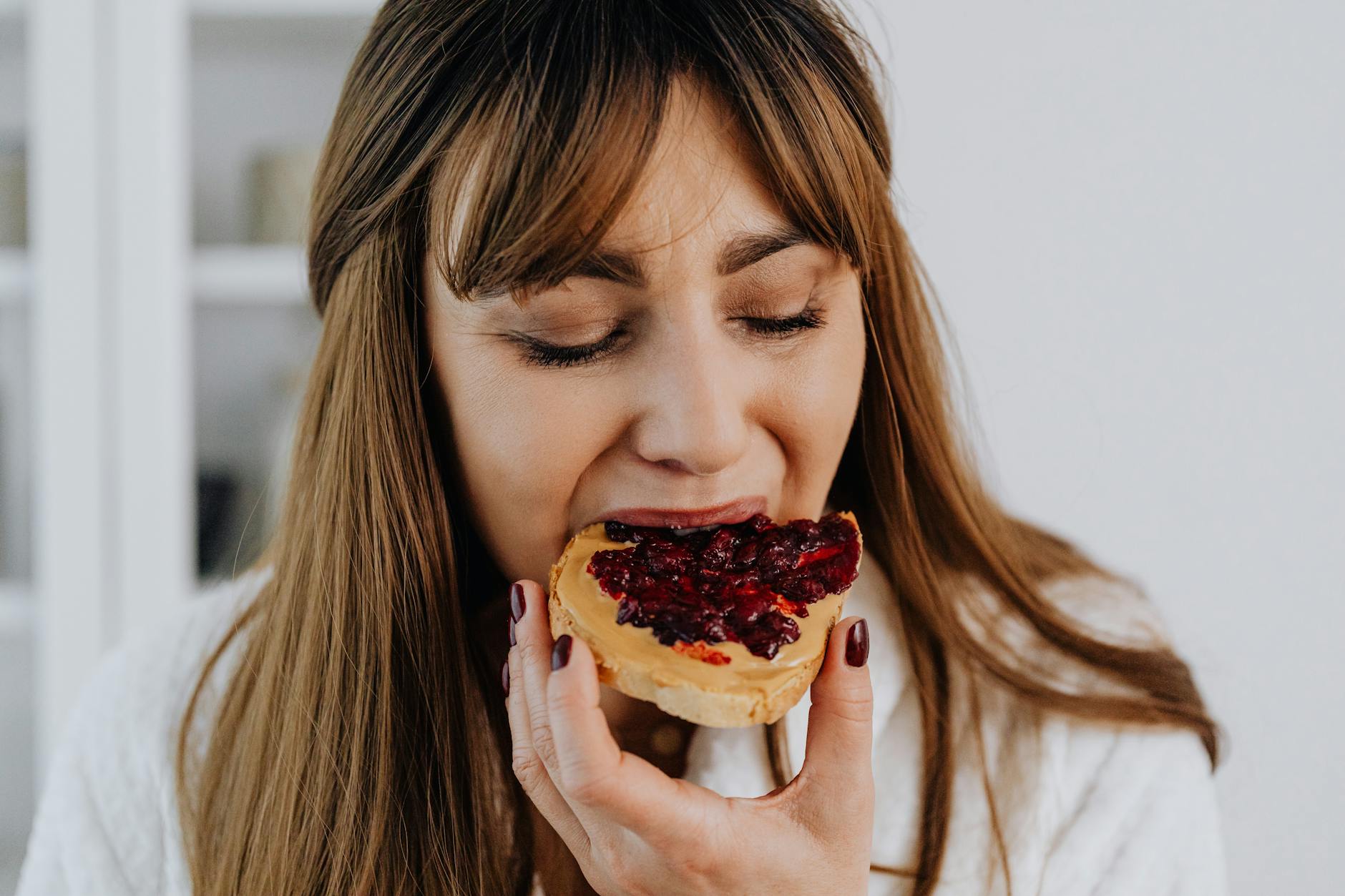
Cats can technically eat a small lick of peanut butter without immediate danger, but it is not a safe or recommended food for them. Peanut butter offers zero nutritional benefit to cats, carries real risks of choking and gastrointestinal distress, and some formulations contain xylitol, an artificial sweetener that is outright toxic to animals. If your cat happened to sneak a taste off your spoon this morning, she is almost certainly fine, but making it a habit or offering it as a treat is a different matter entirely.
The risks go beyond simple stomach upset. Peanut butter is calorie-dense, high in fat, and difficult for a cat’s digestive system to process efficiently. A single tablespoon of peanut butter contains roughly 90 to 100 calories, which for a ten-pound cat represents nearly a third of their entire daily caloric needs. This article covers why cats are drawn to peanut butter in the first place, the specific health dangers it presents, what to watch for if your cat has already eaten some, and safer alternatives that satisfy the same curiosity without the downsides.
Table of Contents
- Why Do Cats Want to Eat Peanut Butter if It Is Not Safe for Them?
- The Real Health Risks of Peanut Butter for Cats
- What to Do if Your Cat Already Ate Peanut Butter
- Safer Treat Alternatives That Cats Actually Benefit From
- Peanut Allergies and Aflatoxin Concerns in Cats
- Why the Internet Gets Peanut Butter and Cats Wrong
- Keeping Your Cat’s Diet Simple and Species-Appropriate
- Conclusion
- Frequently Asked Questions
Why Do Cats Want to Eat Peanut Butter if It Is Not Safe for Them?
cats are obligate carnivores, meaning their bodies are designed to derive nutrition almost exclusively from animal protein. They lack the taste receptors for sweetness that humans have, so peanut butter’s appeal to cats has nothing to do with its sugar content. What attracts them is the fat. Peanut butter has a rich, fatty aroma and a sticky texture that many cats find interesting, similar to how they might investigate butter, cream cheese, or other high-fat human foods left within reach. Some cats are also simply curious about whatever their owner is eating, and the strong smell of peanut butter is hard for them to ignore.
The fact that a cat shows interest in peanut butter does not mean it agrees with their system. Cats lack sufficient levels of the enzymes needed to break down plant-based proteins and complex fats efficiently. Compare this to dogs, who are omnivores with more flexible digestive systems and can generally handle small amounts of peanut butter without trouble. What works as an occasional dog treat can cause vomiting, diarrhea, or worse in a cat. A veterinarian at a general practice once noted that she sees at least a few cases each winter of cats with pancreatitis flare-ups linked to owners sharing holiday foods, peanut butter among them.
The Real Health Risks of Peanut Butter for Cats
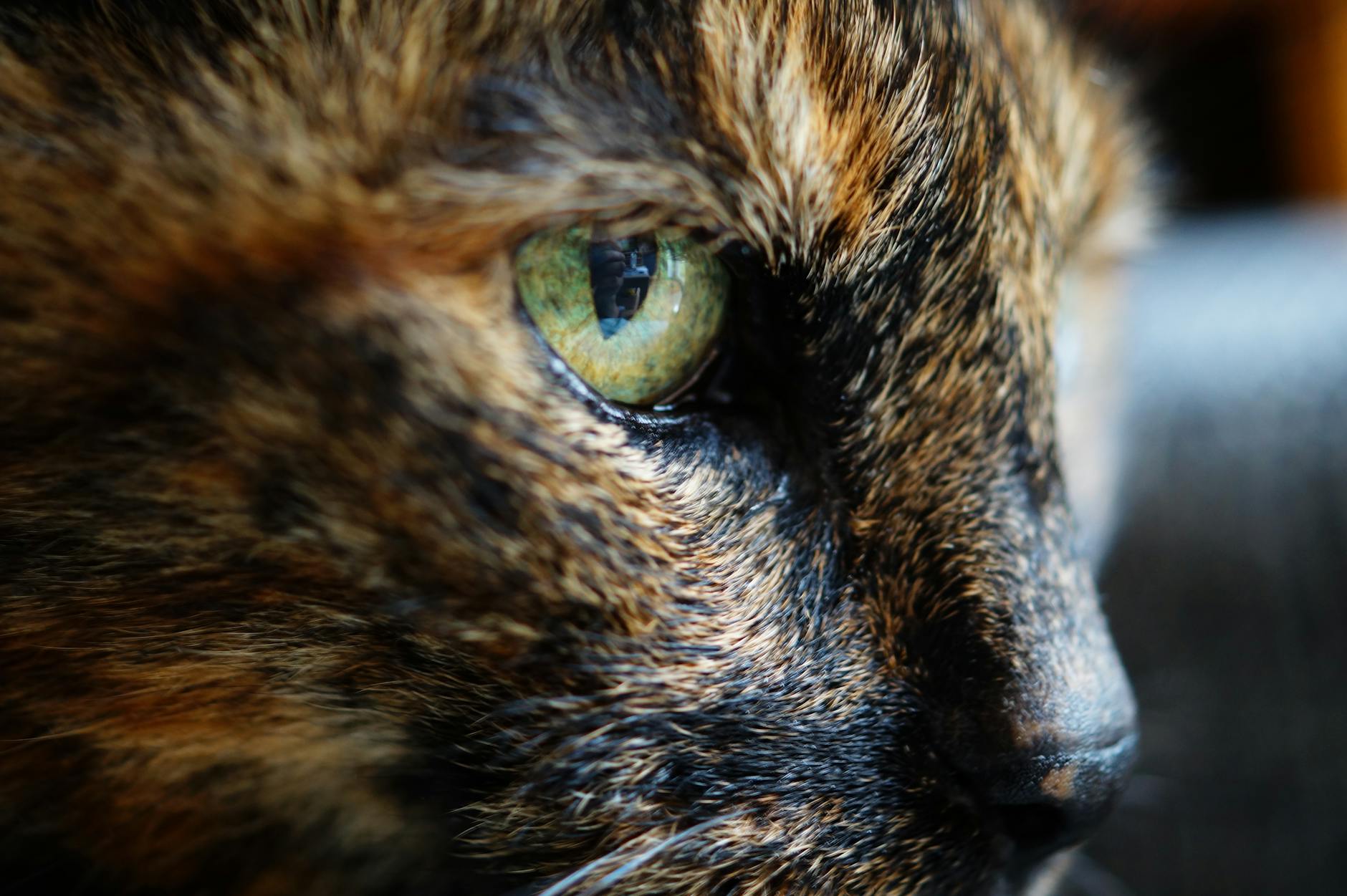
The most immediate danger is xylitol, sometimes listed as birch sugar on ingredient labels. This sugar substitute is increasingly common in “natural” and reduced-sugar peanut butter brands, and it is severely toxic to cats and dogs alike. Even a small amount of xylitol can cause a rapid drop in blood sugar, leading to seizures, liver failure, and death if untreated. Before you ever consider letting a cat near peanut butter, you would need to read the label carefully, and even xylitol-free versions carry their own problems. High fat content is the next concern. Cats who consume fatty foods they are not adapted to digest are at elevated risk for pancreatitis, a painful inflammation of the pancreas that can become chronic.
Symptoms include lethargy, loss of appetite, abdominal pain, vomiting, and fever. However, if your cat already has a history of pancreatitis, kidney disease, or obesity, even a tiny amount of peanut butter could trigger a medical episode. Cats with diabetes are also poor candidates, as peanut butter’s calorie density and sugar content can destabilize blood glucose levels. The thick, sticky consistency of peanut butter also creates a choking hazard, particularly for kittens and older cats. Unlike dogs, cats have smaller throats and a different swallowing mechanism. A glob of peanut butter can adhere to the roof of a cat’s mouth or the back of their throat, causing gagging or aspiration. This is not a theoretical risk; it is something veterinary emergency rooms encounter, and it is entirely preventable.
What to Do if Your Cat Already Ate Peanut Butter
If your cat licked a small amount of ordinary peanut butter, meaning a brand without xylitol, the odds are strongly in your favor. Most cats will experience no symptoms at all from a trace amount. Watch for vomiting, diarrhea, or unusual lethargy over the next twelve to twenty-four hours, and make sure fresh water is available. A single incident like this is not cause for a vet visit on its own, provided your cat seems normal. The situation changes entirely if the peanut butter contained xylitol. Symptoms of xylitol poisoning can appear within fifteen to thirty minutes and include vomiting, loss of coordination, and collapse.
If you have any reason to believe your cat ingested a xylitol-containing product, contact your veterinarian or an emergency animal poison control hotline immediately. Time matters here. For example, the ASPCA Animal Poison Control Center is available around the clock and can advise on next steps based on your cat’s weight and the estimated amount consumed. If your cat ate a larger quantity of regular peanut butter, say a tablespoon or more, monitor closely for signs of gastrointestinal distress. Diarrhea or soft stool the following day is the most likely outcome. Withhold rich foods and stick to their normal diet. If symptoms persist beyond forty-eight hours or if you notice signs of abdominal pain such as a hunched posture or resistance to being touched around the belly, schedule a vet appointment.
Safer Treat Alternatives That Cats Actually Benefit From
If you are looking for a high-value treat to use for medication delivery, training, or bonding, there are options that work with a cat’s biology rather than against it. Small pieces of plain cooked chicken, turkey, or salmon are almost universally appealing to cats and provide protein their bodies can actually use. Freeze-dried meat treats, available at most pet stores, offer a similar convenience factor to peanut butter without the fat and sugar load. For the specific scenario of hiding medication, which is one of the main reasons cat owners reach for peanut butter in the first place, commercial pill pockets designed for cats are a better choice.
These are formulated to be palatable, soft enough to mold around a pill, and digestible for feline systems. The tradeoff is cost: a bag of pill pockets runs between five and eight dollars and contains about forty-five pieces, whereas a jar of peanut butter is cheaper per use. But the reduced veterinary risk makes the pill pockets a better investment overall. Some owners also find that a small amount of plain, unsweetened canned pumpkin works well as a medication vehicle, with the added benefit of fiber that can help with hairball management.
Peanut Allergies and Aflatoxin Concerns in Cats
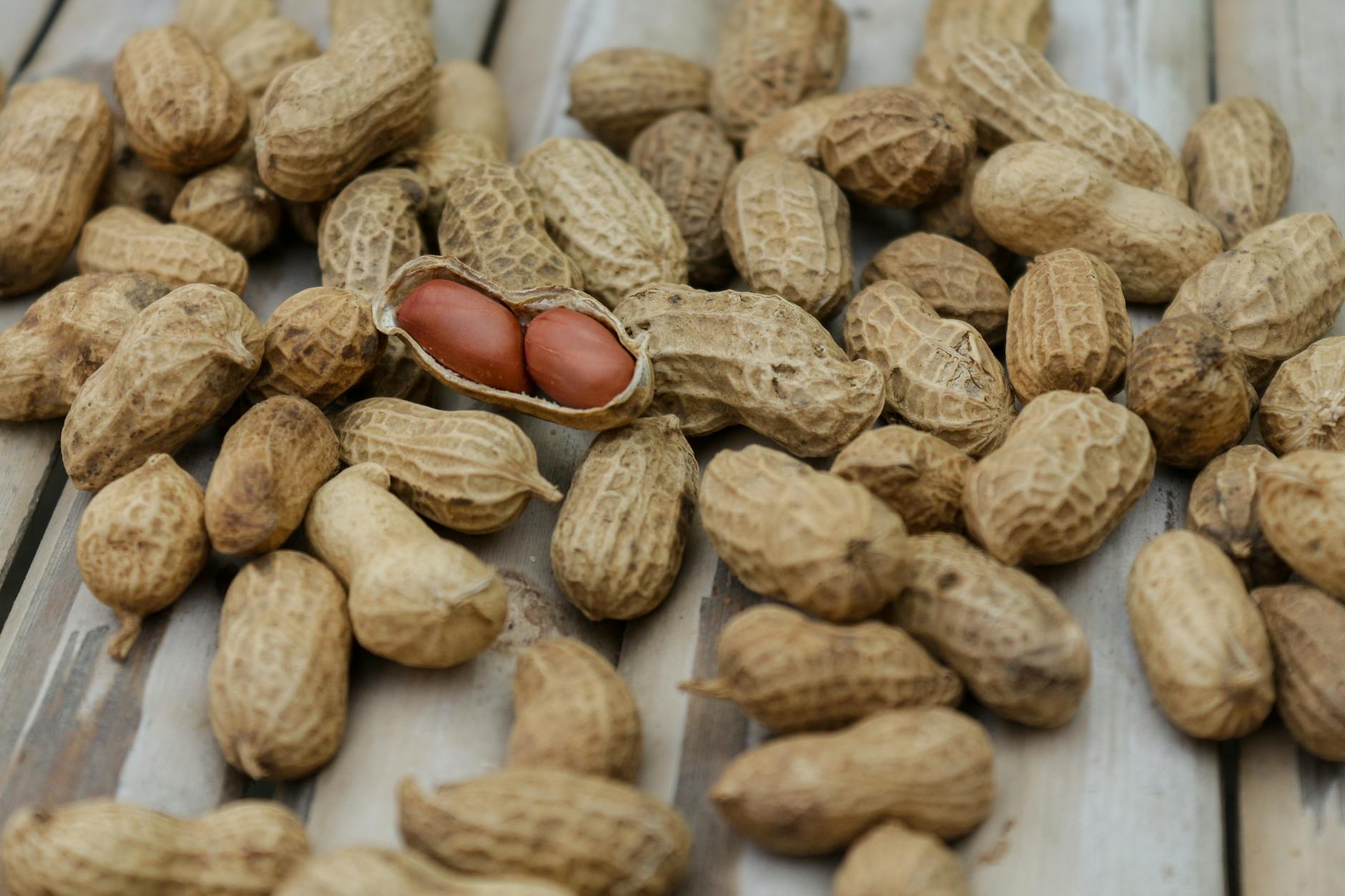
While peanut allergies in cats are not as well-documented as they are in humans, they do occur. A cat with a peanut sensitivity might develop skin irritation, itching around the face and ears, vomiting, or swelling. Because most owners have never exposed their cats to peanuts before, there is no way to know in advance whether your cat will react. Introducing a known allergen with no nutritional upside is a gamble with no real payoff. A less discussed but legitimate concern is aflatoxin contamination.
Peanuts are susceptible to a mold called Aspergillus flavus, which produces aflatoxins, compounds that are carcinogenic and toxic to the liver. Commercial peanut butter sold for human consumption in the United States is regulated and tested, but contamination incidents do occur. In 2022, the FDA issued recalls on certain peanut butter products due to potential salmonella contamination, and aflatoxin-related recalls have happened in pet food supply chains. Cats, being smaller animals with livers adapted to processing animal protein, may be more vulnerable to low-level aflatoxin exposure than humans. This is not a reason to panic, but it is another reason peanut butter belongs in the “not worth the risk” column for cats.
Why the Internet Gets Peanut Butter and Cats Wrong
A quick search will turn up dozens of articles claiming peanut butter is “safe in moderation” for cats, often accompanied by cheerful photos of cats licking spoons. Much of this content is generated for clicks rather than accuracy. The core issue is that “safe in moderation” is doing heavy lifting in those claims.
Technically, a single lick probably will not harm a healthy adult cat, but framing that as “safe” misleads owners into thinking peanut butter is an acceptable regular treat. A more honest framing is that peanut butter is a food cats do not need, cannot properly digest, and that carries specific toxicity risks depending on the brand. The fact that it probably will not kill your cat in tiny amounts is not the same as it being safe.
Keeping Your Cat’s Diet Simple and Species-Appropriate
The broader lesson behind the peanut butter question is that cats thrive on simplicity. A quality commercial cat food, whether wet, dry, or a combination, that lists an animal protein as its first ingredient will meet the vast majority of a cat’s nutritional needs.
The trend toward sharing human foods with pets, driven partly by social media and partly by genuine affection, often creates problems that did not need to exist. Veterinary nutritionists increasingly emphasize that the best treat you can give a cat is a small piece of the protein they were designed to eat, not a novelty food borrowed from the human pantry. As awareness of xylitol risks grows and more owners learn to read ingredient labels, the hope is that fewer cats will end up in emergency rooms over something as preventable as a spoonful of peanut butter.
Conclusion
Peanut butter is not a food that belongs in a cat’s diet. It provides no nutritional value to an obligate carnivore, poses choking and digestive risks, and can be outright deadly if it contains xylitol. The fat content alone makes it a poor choice for an animal prone to obesity and pancreatitis.
While a single accidental lick of xylitol-free peanut butter is unlikely to cause harm, there is no good reason to offer it intentionally. If your cat needs a high-value treat for medication, training, or enrichment, stick with species-appropriate options like plain cooked meat, freeze-dried protein treats, or commercially designed pill pockets. Read ingredient labels on any human food before it gets anywhere near your cat, and when in doubt, ask your veterinarian rather than relying on internet consensus. Your cat does not know what she is missing, and in this case, that is a good thing.
Frequently Asked Questions
Can kittens eat peanut butter?
No. Kittens are even more vulnerable than adult cats to the choking hazard, caloric overload, and digestive upset that peanut butter can cause. Their smaller size means that the same amount of fat or a trace of xylitol has a proportionally larger impact. Stick to kitten-formulated food and treats recommended by your vet.
My cat loves peanut butter. How do I stop giving it to her?
Replace it gradually with a safer high-fat treat she enjoys, such as a tiny smear of plain canned tuna or a lick of meat-based baby food that contains no onion or garlic powder. Most cats transfer their enthusiasm to the new option within a few days once peanut butter is no longer available.
Is almond butter or cashew butter safer for cats than peanut butter?
Not meaningfully. All nut butters share the same fundamental problems for cats: high fat, high calorie, difficult to digest, and potential choking hazard. Some may also contain xylitol or other additives. None of them offer anything a cat needs nutritionally.
How much peanut butter is toxic to a cat?
Plain peanut butter without xylitol is not acutely toxic in small amounts, but there is no established “safe dose.” If the peanut butter contains xylitol, even a fraction of a teaspoon can be dangerous for a cat. The toxic dose of xylitol in cats is not precisely established, but in dogs it can be as low as 0.1 grams per kilogram of body weight, and cats are presumed to be at least as sensitive.
Can I use peanut butter to give my cat a pill?
It is not recommended. The sticky texture can cause choking and may make pill administration harder, not easier. Commercial pill pockets, a small piece of deli meat wrapped around the pill, or a pill syringe are all safer and more effective methods.