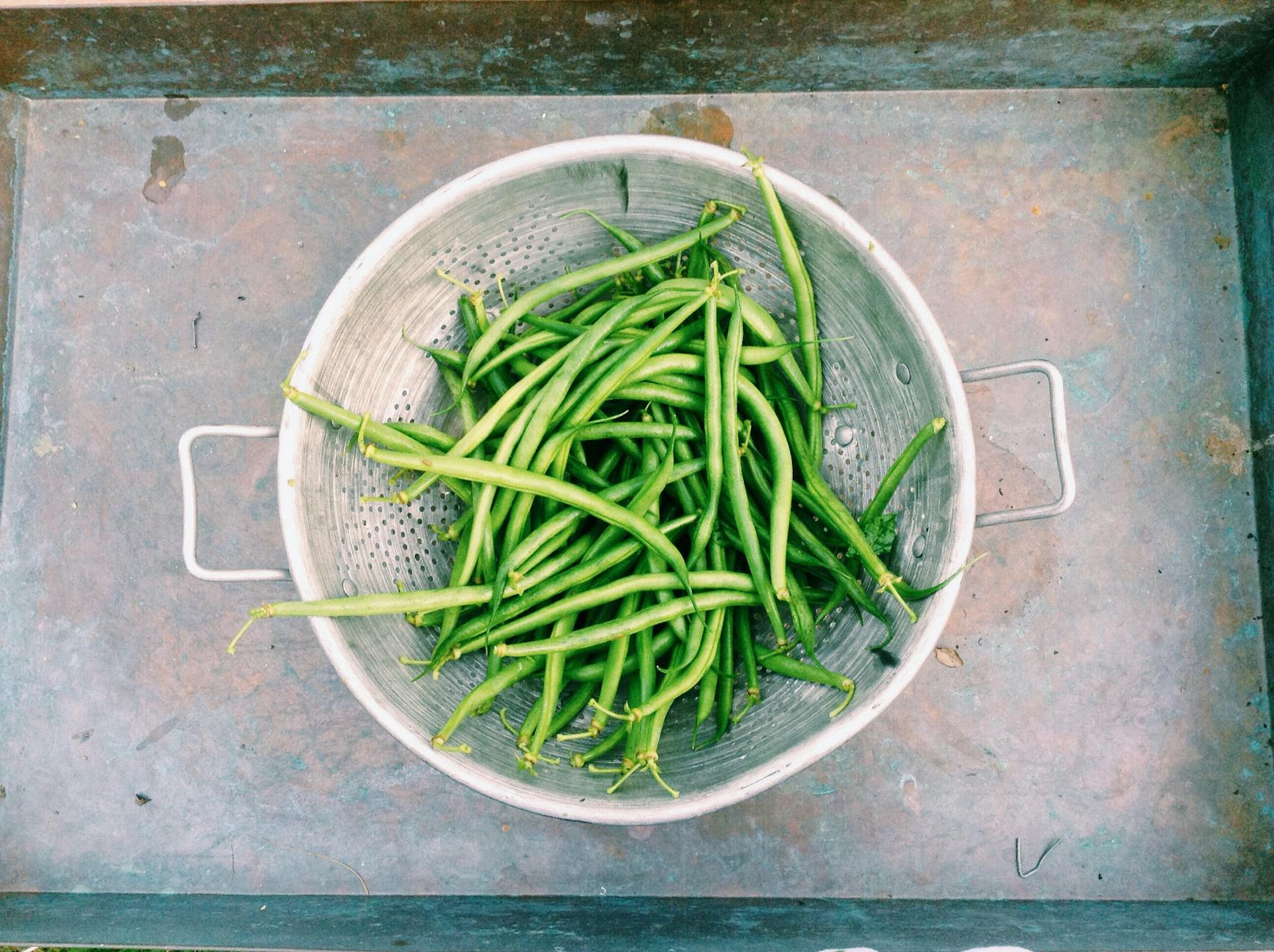
Yes, cats can eat green beans safely. Plain, cooked green beans are nontoxic to cats and can even serve as a low-calorie supplement to their regular diet. A cat who nibbles on a steamed green bean is not in any danger, and some veterinarians actually recommend small amounts of green beans for overweight cats as a way to add bulk to meals without piling on extra calories. If your cat shows interest in that green bean you dropped on the kitchen floor, there is no reason to panic. That said, “safe” does not mean “ideal staple food.” Cats are obligate carnivores, which means their bodies are designed to run on animal protein, not vegetables.
Green beans lack the taurine, arachidonic acid, and bioavailable protein that cats need to survive. Think of green beans the way you might think of a side salad for a person who really needs a steak — fine as an addition, but not a replacement for the main course. A cat fed primarily on vegetables, green beans included, would eventually develop serious nutritional deficiencies. This article covers how to prepare green beans for cats, how much is appropriate, which forms to avoid, the specific nutritional benefits and limitations, and how green beans compare to other vegetables sometimes offered to cats. Whether you are managing your cat’s weight or simply curious about sharing your dinner, the details below will help you make an informed decision.
Table of Contents
- Are Green Beans Nutritionally Beneficial for Cats?
- How to Prepare Green Beans for Your Cat Without Risk
- How Much Green Bean Is Too Much for a Cat?
- Green Beans Versus Other Vegetables Cats Can Eat
- When Green Beans Are Not a Good Idea
- Signs Your Cat Is Not Tolerating Green Beans Well
- The Role of Vegetables in the Future of Cat Nutrition
- Conclusion
- Frequently Asked Questions
Are Green Beans Nutritionally Beneficial for Cats?
Green beans contain fiber, vitamin C, vitamin K, and manganese, along with small amounts of iron and potassium. For humans, these are meaningful nutritional contributions. For cats, the picture is more complicated. Cats synthesize their own vitamin C, so that benefit is essentially irrelevant. The fiber, however, can be genuinely useful. A cat with mild constipation or one who tends to eat too fast and then vomit may benefit from a small amount of added fiber, which slows digestion and adds bulk to stool.
One or two chopped green beans mixed into wet food a few times per week is a reasonable amount for this purpose. The calorie count is where green beans really shine as a cat-friendly option. A single green bean contains roughly 2 calories, compared to roughly 30 calories in a standard commercial cat treat. For a ten-pound indoor cat whose daily caloric need is only around 200 calories, the difference between a green bean and a handful of treats is significant. Some veterinary clinics specifically recommend the “green bean protocol” for cats who need to lose weight — replacing a portion of their regular food with green beans to reduce caloric intake while keeping the cat feeling full. However, this should be done under veterinary supervision, because cutting too many calories too quickly can trigger hepatic lipidosis, a dangerous liver condition unique to cats.
How to Prepare Green Beans for Your Cat Without Risk
Preparation matters more than most owners realize. Raw green beans are not toxic, but they are tough and fibrous enough to pose a mild choking hazard, especially for cats who tend to gulp food without much chewing. Steaming or boiling green beans until they are soft, then cutting them into small, bite-sized pieces is the safest approach. Frozen green beans that have been thawed and warmed slightly also work well, since the freezing process already breaks down some of the cell structure. The critical rule is to keep them plain.
No butter, no garlic, no onion, no salt, no seasoning of any kind. This is where well-meaning owners run into trouble — garlic and onion are toxic to cats even in small quantities, and many green bean recipes involve one or both. Canned green beans are another common pitfall. Most canned varieties contain significant amounts of added sodium, which is hard on a cat’s kidneys over time. If canned is your only option, choose a no-salt-added variety and rinse the beans thoroughly before offering them. However, if your cat has any existing kidney issues, skip canned entirely and stick with fresh or frozen.
How Much Green Bean Is Too Much for a Cat?
Portion control with green beans is straightforward but important. A general guideline is that treats and supplemental foods, green beans included, should make up no more than ten percent of a cat’s daily caloric intake. For most adult cats, this means one to three small pieces of green bean per serving, offered a few times a week at most. A single green bean chopped into three or four pieces is a reasonable portion for a typical ten-pound cat. Going overboard is where problems start. Too much fiber from green beans can cause gas, bloating, loose stool, or diarrhea.
Cats’ digestive systems are short and designed for high-protein, low-fiber diets. Flooding that system with plant fiber disrupts the balance. One owner on a popular veterinary forum described giving her cat a full cup of green beans daily as part of a homemade weight-loss plan — the cat developed persistent diarrhea and actually lost weight too quickly, which required veterinary intervention. The lesson is that moderation is not optional; it is the entire point. If you are using green beans as part of a weight management plan, a common veterinary recommendation is to replace no more than ten to fifteen percent of the cat’s regular food volume with green beans, gradually increased over a week or two. Sudden dietary changes of any kind tend to upset a cat’s stomach, so a slow introduction is always the smarter path.
Green Beans Versus Other Vegetables Cats Can Eat
Green beans are not the only vegetable safe for cats, and comparing options is useful for owners who want variety. Steamed carrots, plain cooked pumpkin, and steamed peas are all considered safe in small amounts. Each has different strengths. Pumpkin is often recommended specifically for digestive regulation — its soluble fiber can help with both constipation and diarrhea, depending on the situation. Carrots offer beta-carotene, though cats cannot convert it to vitamin A as efficiently as humans can, limiting its value. Peas show up frequently in commercial cat foods as a protein and fiber source.
Green beans have one practical advantage over most of these alternatives: cats tend to tolerate the taste and texture more readily. The mild flavor and soft-when-cooked texture seem to be less offensive to feline palates than, say, broccoli or spinach. Spinach, incidentally, should be avoided in cats with any history of urinary crystals or bladder stones, because its oxalate content can contribute to crystal formation. Green beans do not carry this risk, which makes them a safer default choice for most cats. The tradeoff is that pumpkin offers more digestive benefit per serving, so if your goal is specifically to address constipation, pumpkin is the better pick. If your goal is weight management or simple treat substitution, green beans are arguably the more versatile option.
When Green Beans Are Not a Good Idea
Not every cat should eat green beans. Cats with inflammatory bowel disease, irritable bowel syndrome, or other chronic gastrointestinal conditions may react poorly to any added fiber, including the fiber in green beans. The additional roughage can aggravate an already sensitive digestive tract, leading to vomiting, diarrhea, or abdominal discomfort. If your cat has a documented GI condition, check with your veterinarian before introducing any supplemental foods. Kittens are another group that should generally skip the green beans. Kittens need calorie-dense, protein-rich food to support rapid growth and development. Filling up a kitten’s small stomach with low-calorie vegetables means less room for the nutrients they actually need.
The same logic applies to pregnant or nursing cats, whose caloric and nutritional demands are significantly elevated. Senior cats with declining kidney function should also be approached cautiously — while green beans themselves are not harmful to kidneys, any dietary change in a cat with renal disease should be cleared by a vet first, because even minor digestive disruption can worsen hydration and kidney values. One more warning worth stating plainly: green beans are not medicine. They will not cure obesity on their own, they will not resolve diabetes, and they are not a substitute for veterinary care. Owners sometimes latch onto the “green bean diet” as a simple fix for a complex health issue. Weight management in cats requires a complete approach — appropriate caloric intake from a balanced commercial diet, portion control, and increased activity. Green beans can play a supporting role, but they are not the lead actor.
Signs Your Cat Is Not Tolerating Green Beans Well
If you introduce green beans and notice vomiting, diarrhea, excessive gas, or a sudden refusal to eat, stop offering them immediately. Most cats will simply ignore a green bean if they are not interested, which is a perfectly fine outcome. But some cats, particularly those with sensitive stomachs, may develop soft stool or mild digestive upset even from a small amount.
One or two pieces causing loose stool is a sign your cat’s system does not handle the extra fiber well, and there is no benefit to pushing through it. Allergic reactions to green beans in cats are extremely rare but not impossible. Watch for signs like itching around the face, swelling of the lips or tongue, or hives. If any of these appear after your cat eats green beans for the first time, contact your veterinarian promptly.
The Role of Vegetables in the Future of Cat Nutrition
The pet food industry is exploring plant-based and plant-supplemented formulas more aggressively than ever, driven by sustainability concerns and consumer demand. Some newer commercial cat foods incorporate vegetable fibers, including green bean fiber, as functional ingredients for weight management formulas. These products are formulated by veterinary nutritionists to ensure that the overall nutrient profile still meets a cat’s obligate carnivore requirements, which is the key distinction between a well-designed commercial diet and a DIY approach.
Whether vegetables will play a larger role in feline nutrition going forward remains an open question. What is clear is that the fundamental biology has not changed — cats need meat-based protein as the foundation of their diet, and no amount of vegetable supplementation alters that requirement. Green beans can be a useful, safe, and inexpensive tool in a cat owner’s repertoire, but they work best as exactly what they are: a small, occasional addition to a diet built on complete and balanced cat food.
Conclusion
Green beans are one of the safer human foods you can share with a cat, provided they are plain, properly cooked, and offered in moderation. They bring genuine value as a low-calorie treat alternative and can support weight management when used as part of a veterinarian-guided plan. The fiber content may benefit cats with mild digestive sluggishness, and the low calorie count makes them a smarter choice than most commercial treats for cats watching their waistline.
The key is keeping expectations realistic and portions small. Green beans are not a nutritional powerhouse for cats, they are not a meal replacement, and they are not appropriate for every cat. Start with a single small piece, observe how your cat responds over twenty-four hours, and adjust from there. When in doubt, your veterinarian is the best resource for tailoring your cat’s diet to their individual health needs.
Frequently Asked Questions
Can cats eat raw green beans?
Raw green beans are not toxic, but their firm, fibrous texture can be a choking hazard and is harder for cats to digest. Steaming or boiling them until soft and cutting into small pieces is the safer option.
Are canned green beans safe for cats?
Only if they are a no-salt-added variety, rinsed thoroughly before serving. Standard canned green beans contain high sodium levels that can stress a cat’s kidneys over time.
How often can I give my cat green beans?
A few small pieces two to three times per week is a reasonable frequency for most adult cats. Green beans and all other supplemental foods should not exceed ten percent of daily caloric intake.
Will green beans help my cat lose weight?
They can support a weight loss plan by adding bulk with minimal calories, but they are not a standalone solution. Weight management requires controlled portions of a balanced diet and, ideally, veterinary guidance to avoid dangerous rapid weight loss.
Can kittens eat green beans?
It is best to avoid giving green beans to kittens. They need calorie-dense, protein-rich food to support growth, and filling their small stomachs with low-calorie vegetables can interfere with proper nutrition.
My cat ate a whole green bean off my plate. Should I worry?
If the green bean was plain with no garlic, onion, butter, or heavy seasoning, there is no cause for concern. A single green bean is well within safe limits. Watch for any unusual digestive symptoms over the next day, but most cats handle this without any issue.