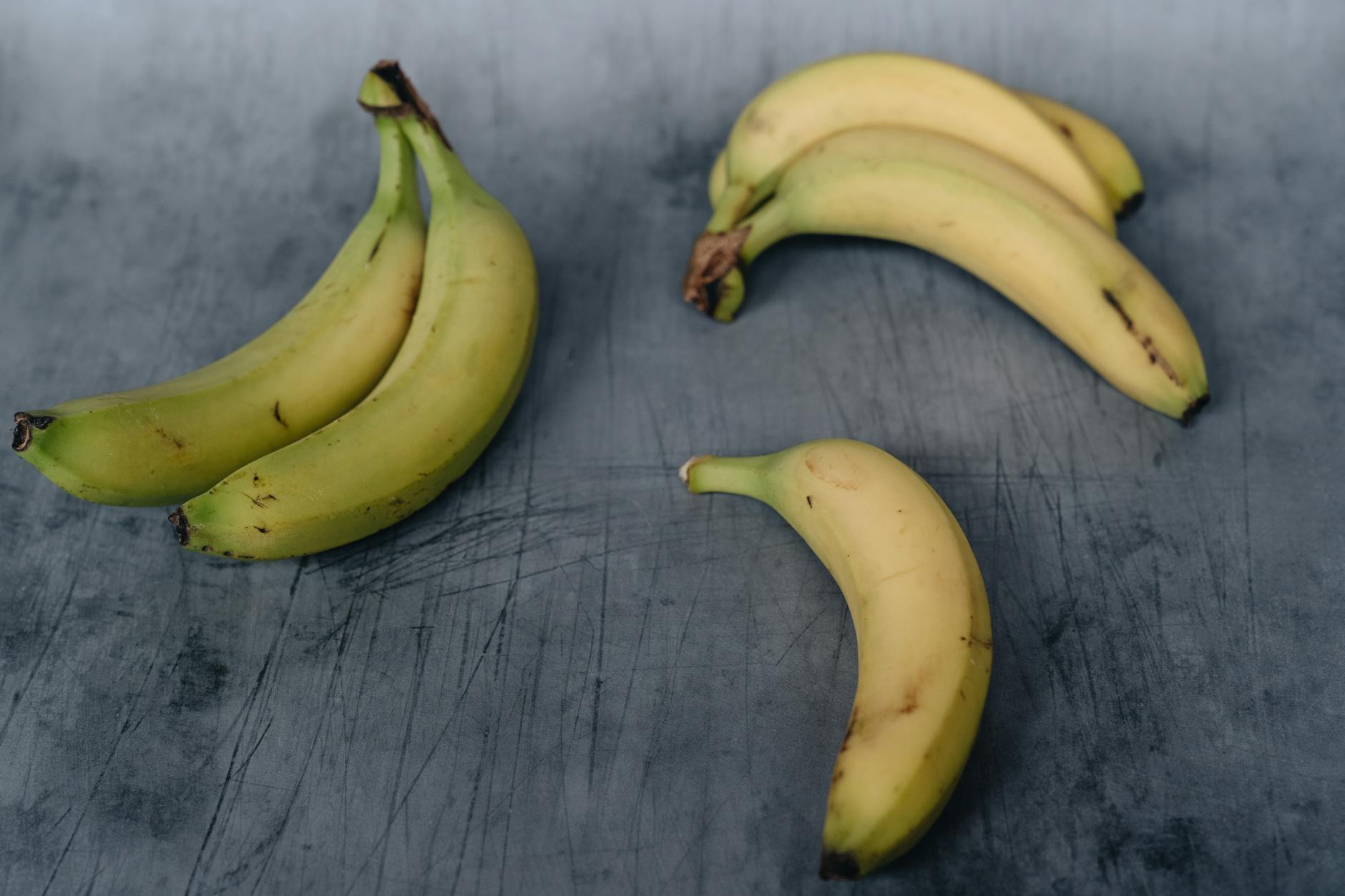
Yes, cats can eat bananas safely. Bananas are non-toxic to cats and can be offered as an occasional treat in small amounts without posing a health risk. Unlike chocolate, grapes, and certain other human foods that are genuinely dangerous to felines, bananas fall into the category of safe but unnecessary snacks. If your cat happens to steal a bite of banana from your kitchen counter, there is no cause for alarm.
That said, safe does not mean beneficial. Cats are obligate carnivores, meaning their bodies are designed to derive nutrition almost exclusively from animal protein. A cat eating a small piece of banana is roughly equivalent to a human eating a few potato chips””not harmful in moderation, but offering nothing of real nutritional value. For instance, while bananas contain potassium and fiber that benefit humans, cats cannot utilize these nutrients in the same way and derive no essential health benefits from the fruit. This article covers proper serving sizes for cats, which cats should avoid bananas entirely, potential digestive risks from overconsumption, and the curious reason most cats will not even want bananas in the first place.
Table of Contents
- Are Bananas Toxic to Cats or Safe to Feed?
- How Much Banana Can a Cat Eat Without Risk?
- Which Cats Should Never Eat Bananas?
- Why Most Cats Show No Interest in Bananas
- Digestive Risks From Overfeeding Bananas
- Comparing Bananas to Other Cat-Safe Fruits
- When to Consult Your Veterinarian About Cat Treats
- Conclusion
Are Bananas Toxic to Cats or Safe to Feed?
Bananas are definitively non-toxic to cats. The ASPCA does not list bananas among foods harmful to felines, and veterinary sources consistently confirm their safety when given appropriately. This places bananas in a different category from truly dangerous foods like onions, garlic, and xylitol-containing products, which can cause serious illness or death in cats. However, safety and suitability are different matters. The fruit’s high sugar and carbohydrate content provides no dietary benefit to cats, whose digestive systems evolved to process meat rather than plant matter.
A wild cat’s diet consists almost entirely of prey animals, with incidental plant material only entering their system through the stomach contents of herbivorous prey. Domestic cats retain this carnivorous biology despite thousands of years of living alongside humans. The practical distinction matters when deciding whether to offer your cat a banana treat. A healthy adult cat can handle an occasional small piece without issue. But there is no nutritional reason to make bananas a regular part of your cat’s diet, and doing so could displace more appropriate foods or contribute to health problems over time.
How Much Banana Can a Cat Eat Without Risk?
The recommended maximum portion is a one-inch square piece of banana every few weeks, according to Daily Paws guidelines. This conservative limit reflects both the caloric density of bananas and the general veterinary recommendation that treats should not exceed ten percent of a cat‘s daily caloric intake. Given that an average indoor cat needs only 200-300 calories per day, even small amounts of calorie-dense treats add up quickly. Only the fruit flesh should be offered””never the peel.
Banana peels present a genuine choking hazard and are not digestible by cats. The fibrous texture that makes peels difficult for humans to eat poses an even greater problem for cats, whose shorter digestive tracts are not equipped to break down tough plant material. If you do decide to offer banana, start with an amount smaller than recommended and observe your cat for any adverse reactions over the following 24 hours. Some cats have more sensitive digestive systems than others, and what one cat tolerates easily might cause stomach upset in another.
Which Cats Should Never Eat Bananas?
Diabetic cats should not be given bananas under any circumstances. The high sugar content can cause dangerous spikes in blood glucose levels, potentially destabilizing a carefully managed condition. If your cat has been diagnosed with diabetes or is being monitored for blood sugar irregularities, keep bananas and other sugary foods completely off the menu. Obese cats represent another population that should skip banana treats entirely.
With feline obesity rates climbing and excess weight contributing to joint problems, diabetes risk, and shortened lifespan, adding calorie-dense snacks to an already overweight cat’s diet works against weight management goals. A cat struggling with weight needs fewer calories overall, not additional treat options. Cats with sensitive stomachs or existing gastrointestinal conditions face elevated risks from banana consumption. While a healthy cat might tolerate a small piece without issue, a cat prone to digestive upset may experience vomiting or diarrhea even from modest amounts. If your cat has a history of food sensitivities or inflammatory bowel disease, the safest approach is avoiding bananas altogether rather than testing tolerance.
Why Most Cats Show No Interest in Bananas
Here is an interesting biological quirk that makes this entire discussion somewhat academic: most cats will completely ignore bananas when offered. Scientific studies have documented that cats lack taste receptors for sweetness, a genetic trait that distinguishes them from dogs and most other mammals. The mutations that eliminated sweet taste receptors likely occurred because cats’ carnivorous ancestors had no evolutionary need to detect sugars in their prey-based diet. This means the primary appeal of bananas to humans””their sweetness””is literally imperceptible to cats.
When a cat sniffs a banana and walks away, it is not being picky; the fruit simply registers as an uninteresting object with no compelling flavor profile. The cat cannot taste what makes bananas appealing to you. Some cats do show curiosity about bananas, possibly attracted to the texture or the novelty of the food item. Individual variation exists within any species, and your cat might be among the minority that finds banana appealing despite being unable to taste its sweetness. But if you offer a piece and your cat ignores it, that is the normal feline response rather than unusual behavior.
Digestive Risks From Overfeeding Bananas
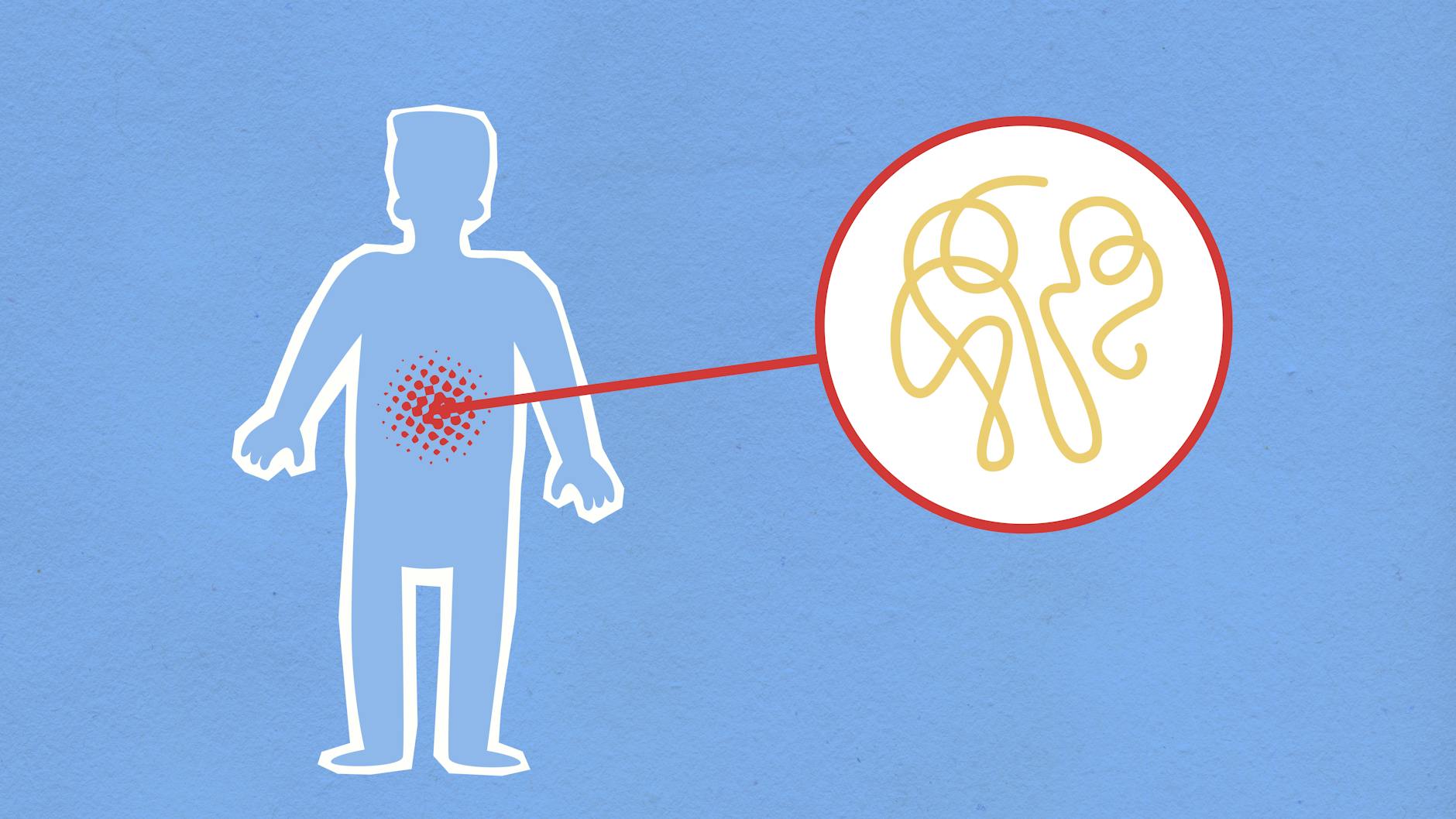
Overconsumption of bananas can cause digestive upset in cats, manifesting as vomiting, diarrhea, or both. These symptoms occur because a cat’s digestive system is not designed to process significant amounts of plant matter, particularly the sugars and carbohydrates concentrated in fruit. While small amounts pass through without incident, larger quantities overwhelm the system’s limited capacity for handling non-meat foods.
The prebiotic fiber in bananas, beneficial for human gut health, does not provide the same advantages to cats and may actually contribute to digestive disturbance when consumed in excess. A cat experiencing banana-related gastrointestinal upset will typically recover within 24-48 hours once the offending food clears the system, but the experience is unpleasant for the cat and concerning for the owner. Watch for signs of stomach upset after any new food introduction. If your cat vomits or develops diarrhea following banana consumption, the obvious conclusion is that bananas do not agree with that particular cat’s system, regardless of their general safety for the species.
Comparing Bananas to Other Cat-Safe Fruits
Among fruits safe for cats, bananas occupy a middle ground in terms of risk and reward. Watermelon, for example, has higher water content and lower caloric density, making it a marginally better occasional treat choice for cats. Blueberries offer antioxidants in a smaller, more portion-controllable package.
However, the same fundamental limitation applies to all fruits: cats derive no essential nutrition from them. The comparison that matters most is between fruit treats and commercial cat treats formulated for feline nutrition. Purpose-made cat treats account for species-specific dietary needs and often provide dental benefits or added nutrients alongside their function as rewards. A piece of banana offers none of these advantages while contributing empty calories.
When to Consult Your Veterinarian About Cat Treats
If you are uncertain whether bananas or other human foods are appropriate for your specific cat, a conversation with your veterinarian provides clarity tailored to your pet’s individual health status. This is particularly important for cats with diagnosed conditions, cats on prescription diets, and senior cats whose nutritional needs and tolerances may have shifted. Veterinary guidance becomes essential if your cat experiences repeated digestive upset from foods considered generally safe, which might indicate an underlying sensitivity requiring dietary adjustment beyond simple treat elimination.
Conclusion
Bananas are safe for cats to eat in small quantities but offer no nutritional benefit to obligate carnivores whose bodies require animal protein. The recommended maximum of a one-inch piece every few weeks reflects both caloric concerns and the reality that cats gain nothing essential from fruit consumption. Diabetic and obese cats should avoid bananas entirely, as should cats with sensitive digestive systems.
For most cat owners, the question of banana safety is largely theoretical. The absence of sweet taste receptors means your cat will probably show no interest in bananas regardless of whether you offer them. If your cat does enjoy the occasional banana nibble and tolerates it well, there is no harm in this minor indulgence””just keep portions minimal and frequency low.