Why Does My Cat Scratch Near the Litter Box?

Learn which box size, litter depth, and warning signs explain floor scratching and what to change first.
Cat Health, Behavior and Care Guides
Cat scratching behavior, posts, and furniture protection
Learn which box size, litter depth, and warning signs explain floor scratching and what to change first.
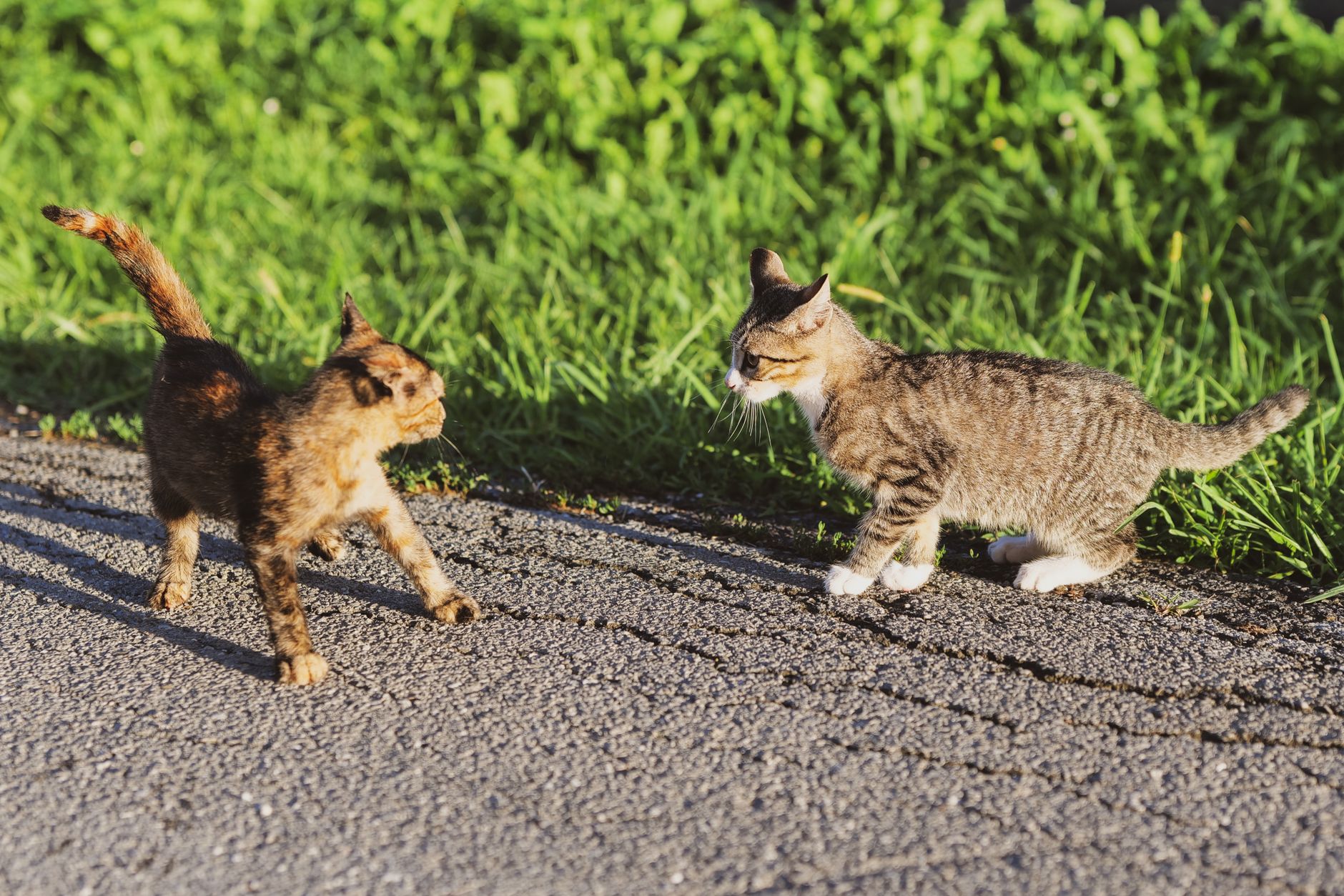
Use a stop-and-swap routine to teach your kitten that toys scratch, wrestle, and kick — not hands.
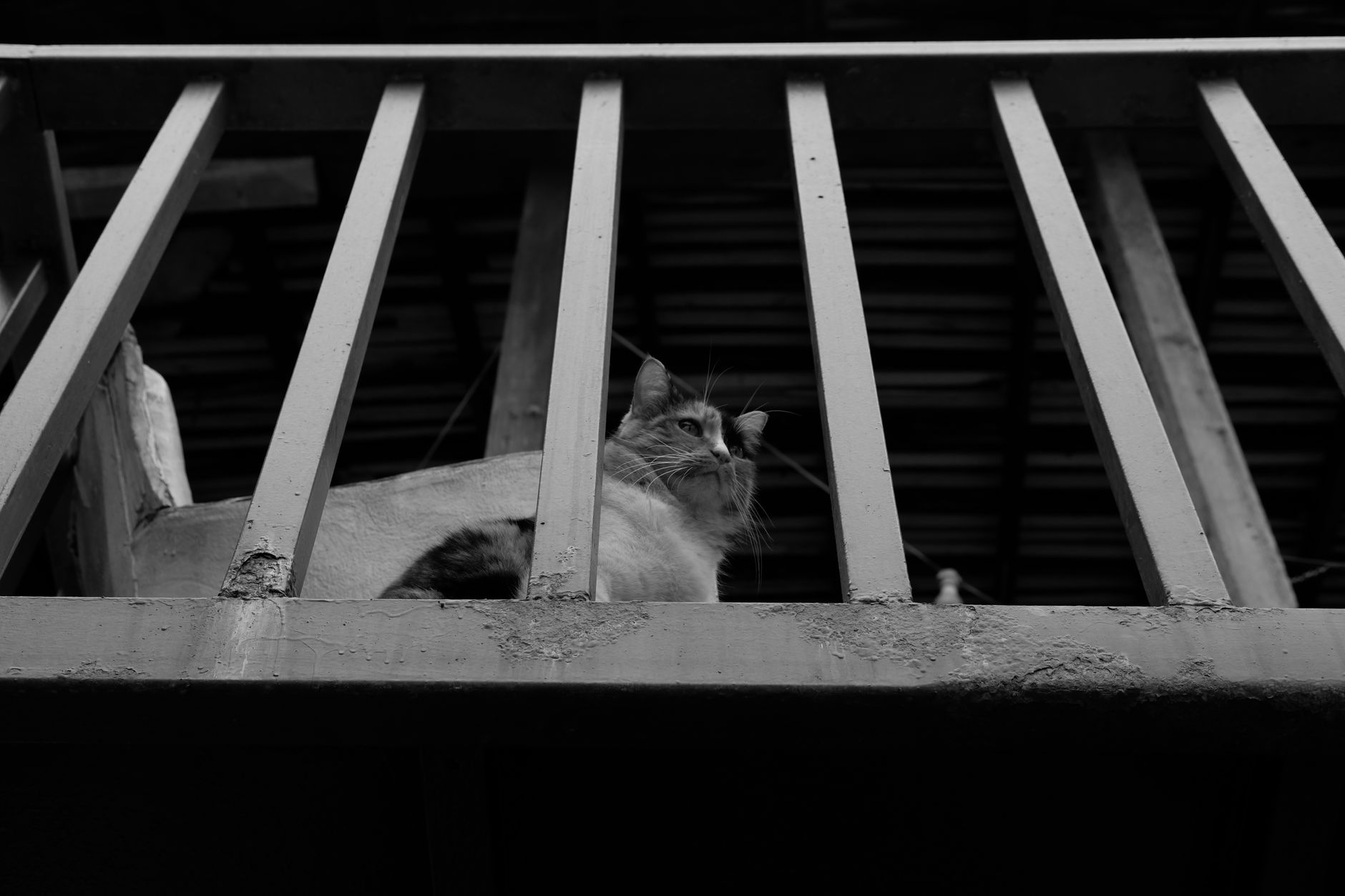
Match scratcher height, material, and placement to your cat’s age, size, and favorite scratch spots.
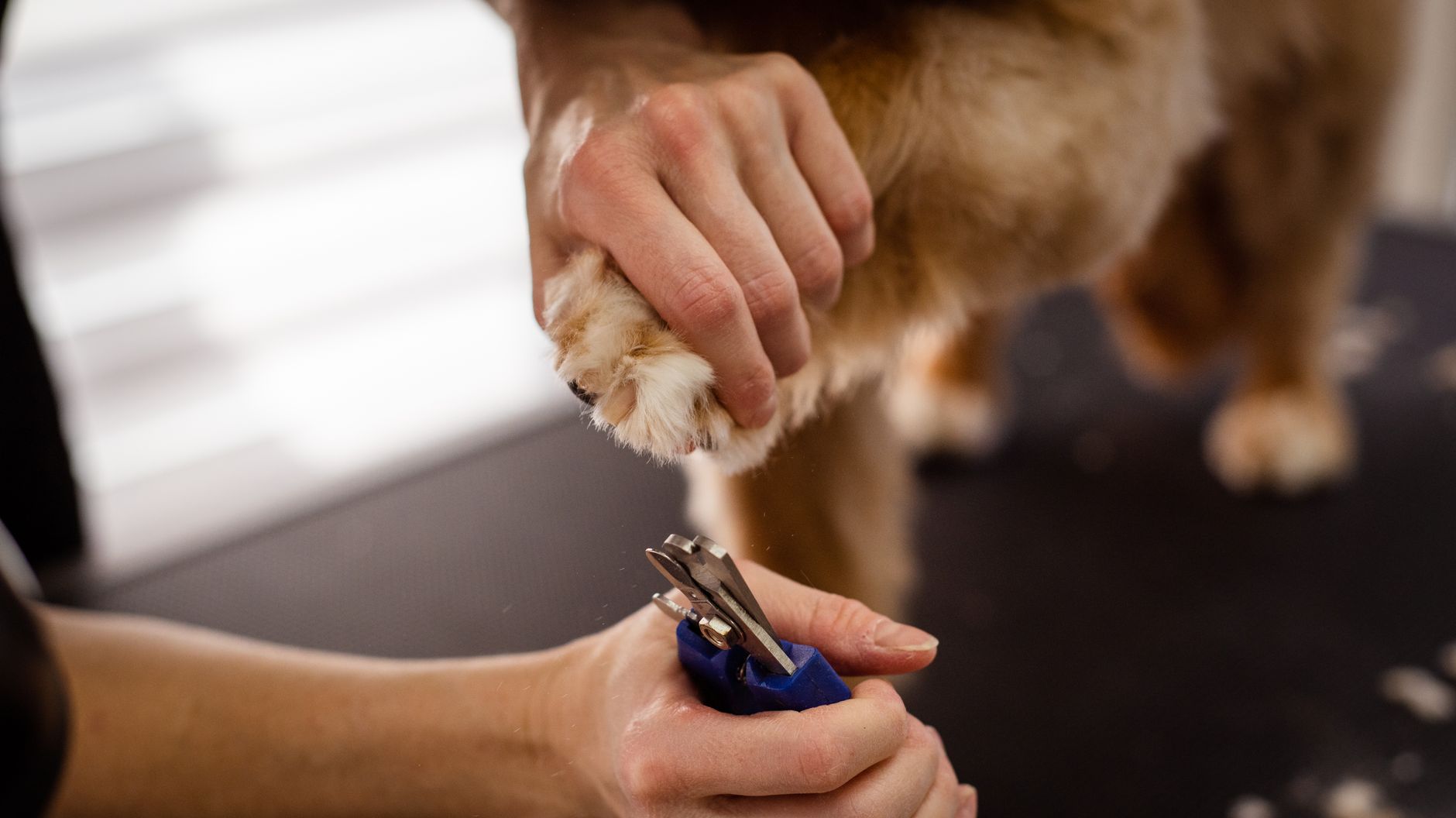
Trim claws regularly and set up varied scratchers to cut damage while meeting your cat’s natural needs.

Learn the height, base size, and quick wobble test that keep a scratching post steady for daily use.
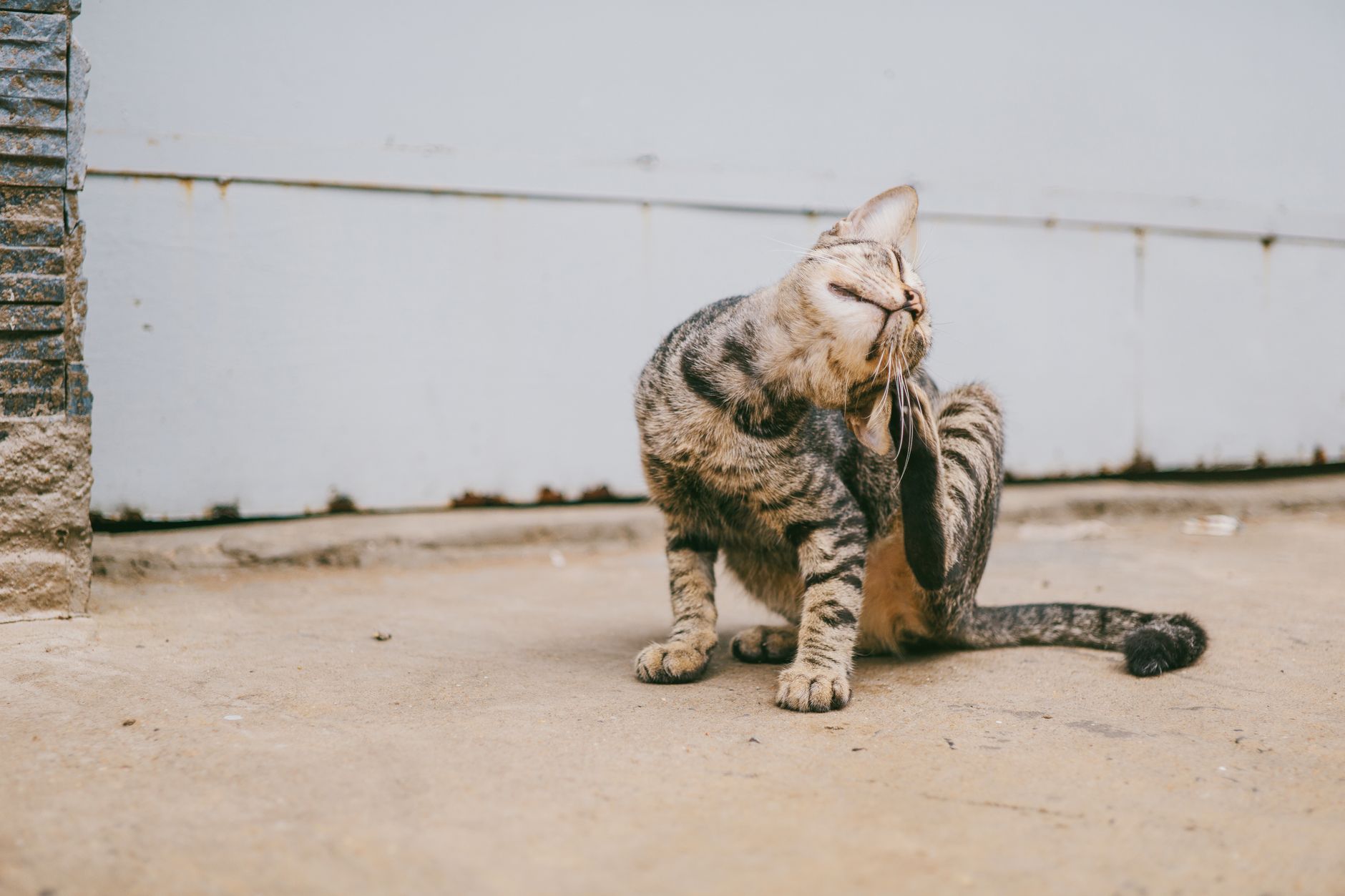
Place a tall, sturdy post by the sofa to redirect natural scratching and protect your furniture.
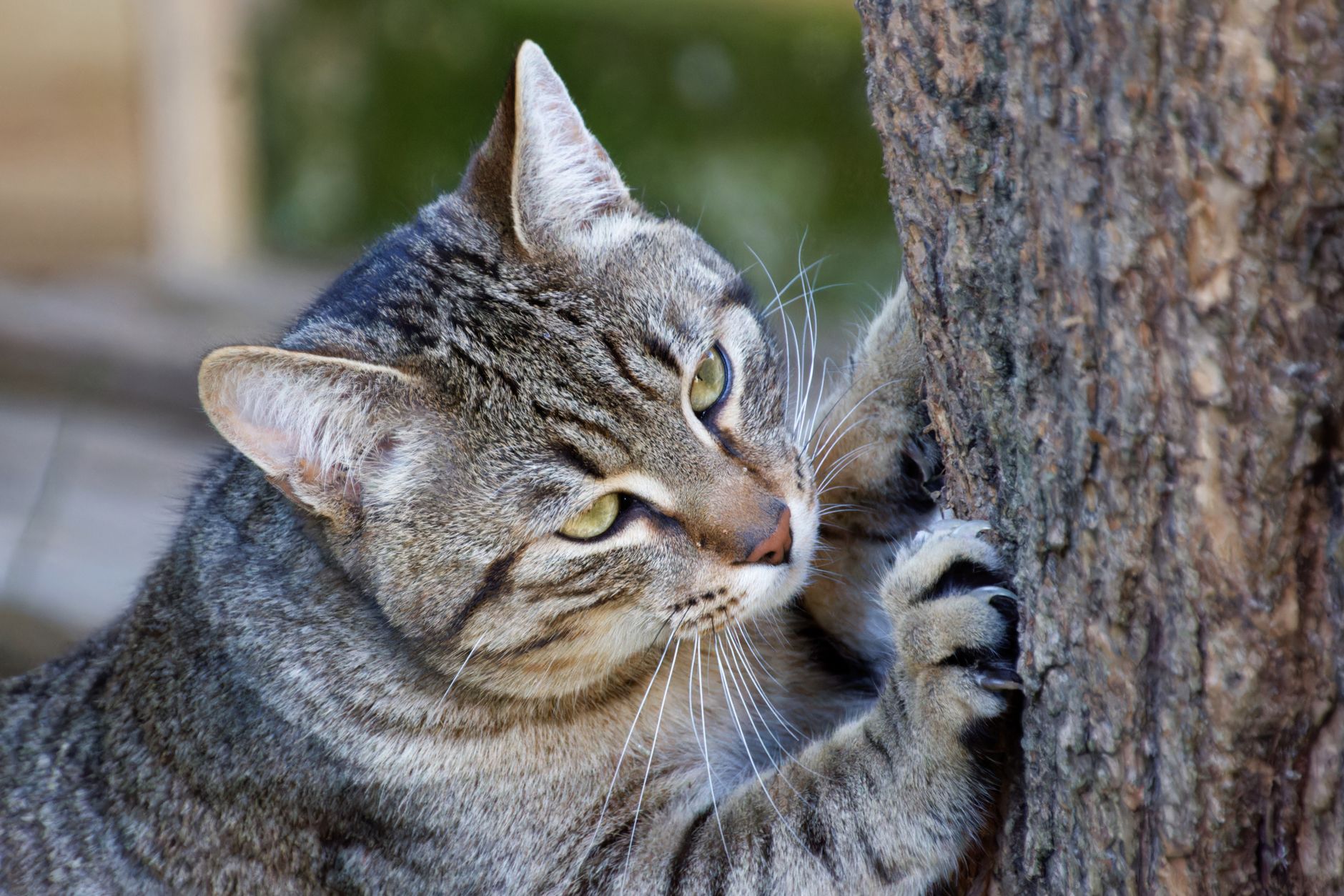
A flea-driven infection explains why a healthy-looking cat can still pass on a scratch wound that swells weeks later.
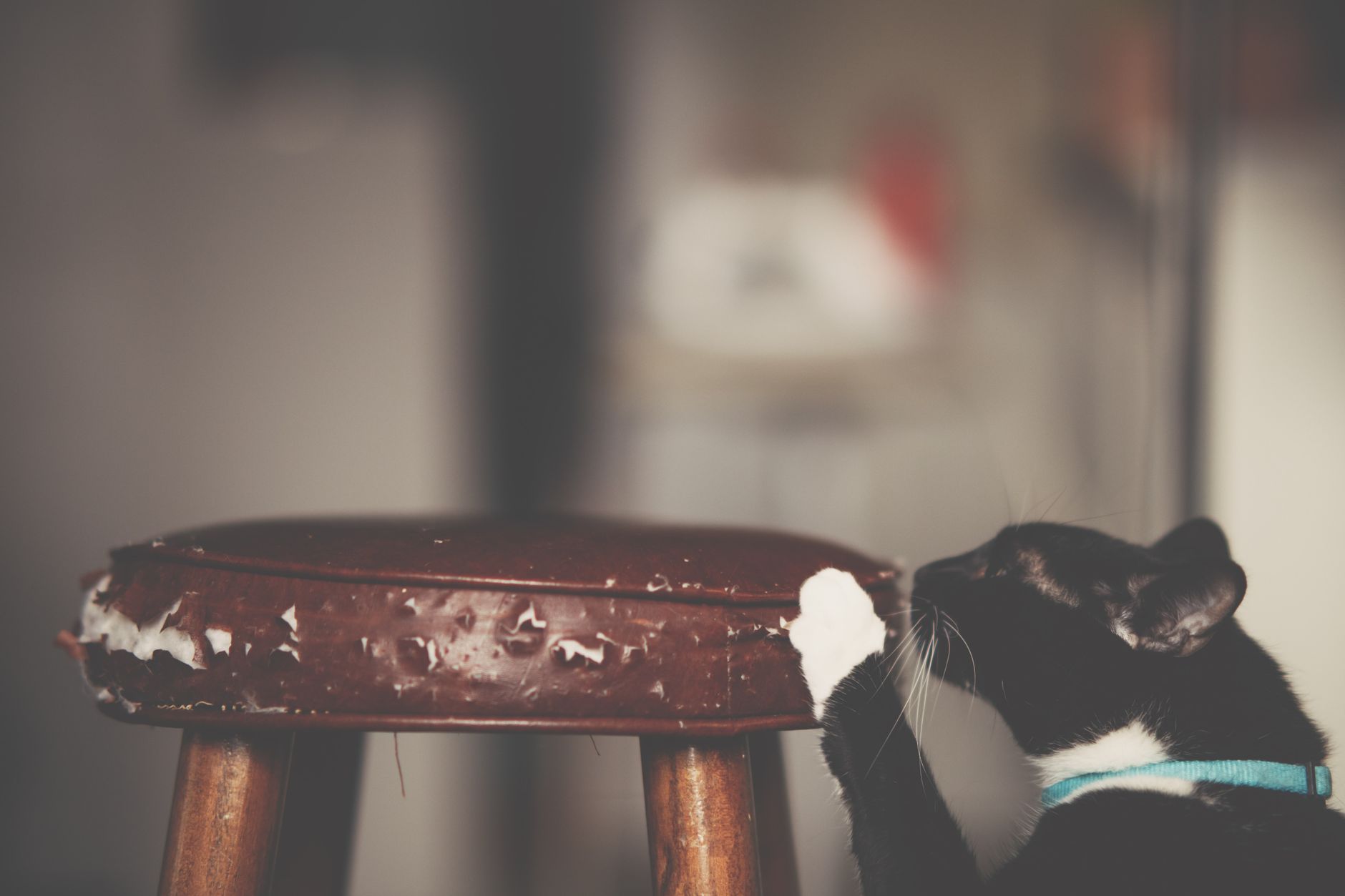
Cats signal overstimulation with specific body cues before they scratch — learn them and you can stop petting before it escalates.
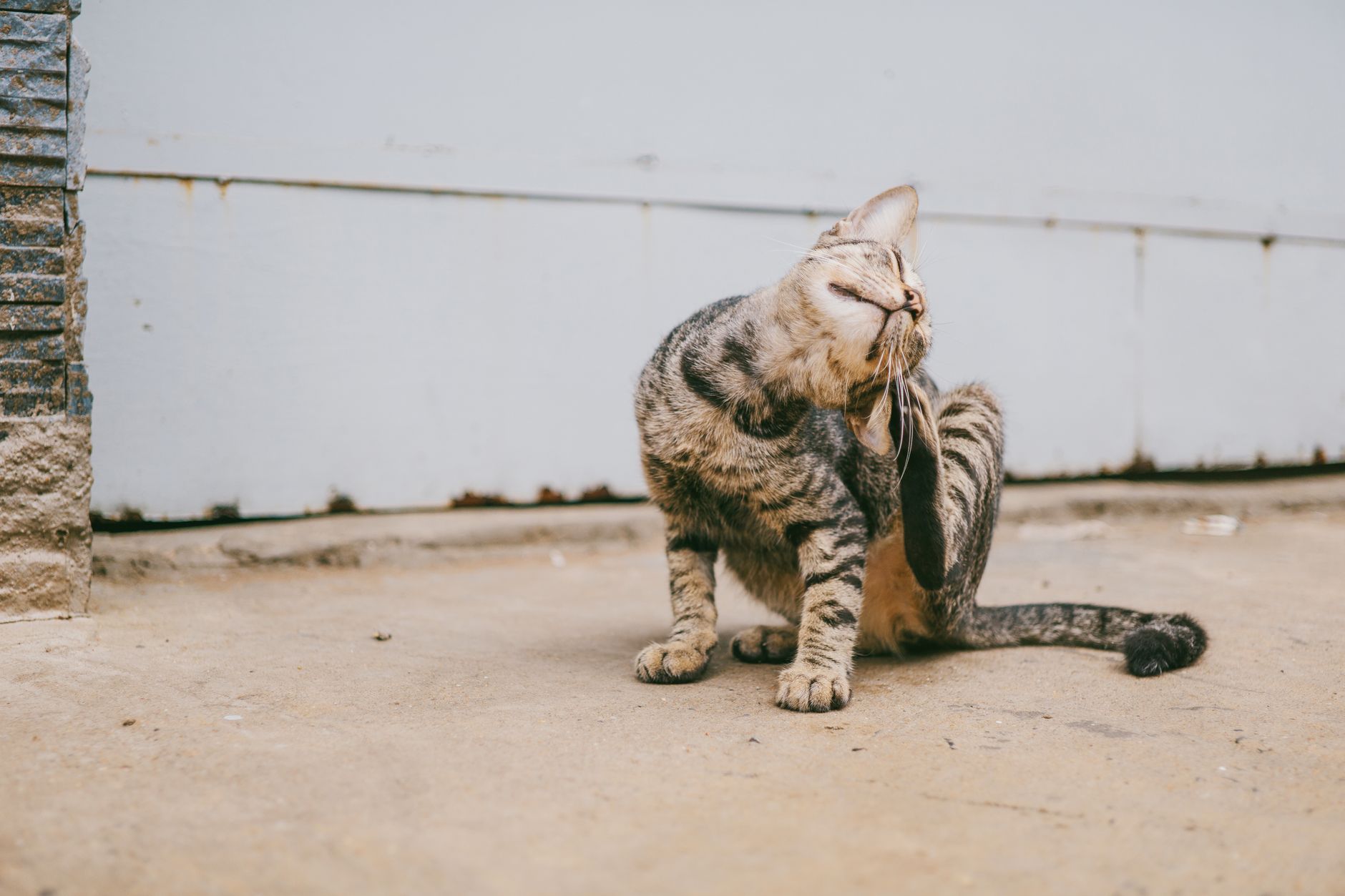
Excessive scratching in cats usually signals fleas, infections, or allergies and requires a vet diagnosis before treatment can work.

Scratching can signal fleas, allergies, fungal infection, behavioral stress, or even hidden systemic illness; knowing which type your cat displays determines whether it needs treatment or management.