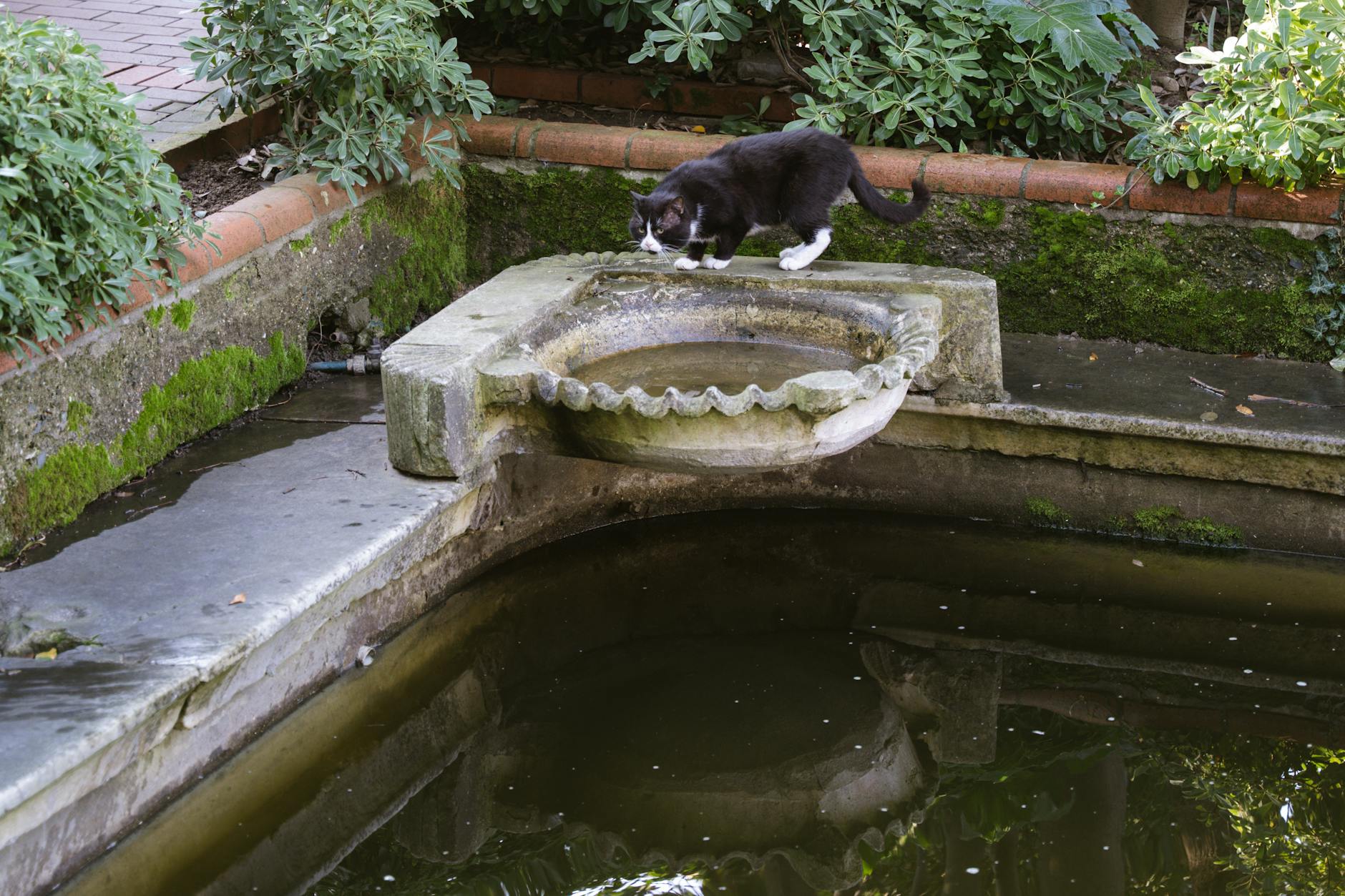
No, it is not safe for cats to drink from rainwater barrels. While the idea of your cat accessing fresh rainwater might seem natural or refreshing, rainwater barrels present multiple serious health risks that far outweigh any perceived benefits. Contamination from bacteria, parasites, heavy metals, and chemical compounds can cause significant illness in cats, particularly those with compromised immune systems. For example, a cat that drinks from an uncovered rainwater barrel on a roof with bird activity could ingest Giardia or E.
coli from bird droppings within hours, leading to vomiting and diarrhea that requires veterinary treatment. The dangers are not theoretical. Rainwater barrels routinely contain pathogens that cause disease in pets and humans alike. Standing water in these systems becomes increasingly contaminated over time, and the collection surfaces—whether roofing materials or the barrel itself—introduce additional hazards. The safest approach is to prevent your cat from accessing rainwater barrels entirely and provide fresh, clean water from your household supply instead.
Table of Contents
- What Contaminants Are Actually in Rainwater Barrels?
- The Chemical and Heavy Metal Problem
- How Stagnant Water Creates a Breeding Ground for Disease
- Which Cats Face the Highest Risk?
- Warning Signs That Your Cat Has Consumed Contaminated Water
- Prevention Methods and Safer Alternatives
- Understanding the Risk-Benefit Calculation
- Conclusion
What Contaminants Are Actually in Rainwater Barrels?
Rainwater barrels collect far more than water. Bird feces, a primary contamination source, introduces dangerous bacteria and pathogens from the moment rain hits your roof. Research from the CDC identifies this as the leading cause of contamination in rainwater collection systems. Common bacterial pathogens found in standing rainwater include Campylobacter, E. coli, Leptospira, and Cryptosporidium—all of which can sicken cats.
Beyond bacteria, parasitic infections pose serious risks. Cats can contract tapeworms and guinea worms from contaminated water sources, parasites that weaken your cat’s overall health and require medical intervention to eliminate. Giardia deserves particular attention because it is identified as the number one cause of diarrhea in pets worldwide when contracted through contaminated water. A single exposure can result in prolonged gastrointestinal distress in your cat. Even worse, Giardia can be transmitted to other pets and humans in your household, making rainwater barrel contamination a public health issue beyond just your cat’s wellbeing.

The Chemical and Heavy Metal Problem
Many cat owners overlook chemical contamination in rainwater, but recent studies from 2022-2024 show that PFAS—known as “forever chemicals”—now appear in rainwater at levels exceeding health guidelines everywhere. These synthetic compounds accumulate in your cat’s body over time and are extremely difficult to eliminate. The concern is compounded by the fact that PFAS exposure in pets has not been extensively studied, leaving us with uncertainty about long-term health impacts. Heavy metals leach into rainwater from roofing materials.
Lead, zinc, and copper commonly migrate into collected water, especially during the first flush of rainfall when contamination is most concentrated. Galvanized rainwater barrels present an additional hazard: the zinc coating is toxic to cats in high concentrations. Even barrels marketed as safe for water storage can release problematic levels of zinc over time. This means the barrel itself becomes a source of contamination, not merely a collection vessel for environmental contaminants. A cat drinking from a galvanized barrel is essentially consuming zinc along with potentially contaminated water—a double hazard.
How Stagnant Water Creates a Breeding Ground for Disease
Standing water in rainwater barrels promotes rapid bacterial proliferation and algae growth. The longer water sits without treatment or circulation, the more hazardous it becomes. This is why barrels that have collected water over several weeks or months are especially dangerous. The water may appear clear to your eye while harboring millions of microorganisms that cause disease.
The warm months of late spring and summer accelerate this problem dramatically. Algae blooms in barrels create an inviting green appearance that might even attract your cat, but this visible growth indicates serious bacterial colonization beneath the surface. Even in cooler months, contamination accumulates silently. Your cat has no ability to detect these hazards and will drink the water readily if given access.
Which Cats Face the Highest Risk?
Senior cats are particularly vulnerable to waterborne contaminants because their immune systems are naturally weaker than younger cats’. This is a critical consideration if you have an older cat in your household. A senior cat exposed to Giardia or Cryptosporidium will develop more severe symptoms and recovery takes longer than it would for a young, healthy adult cat. Kittens also face elevated risk for the same immunological reason—their immune systems are still developing.
Any cat with chronic health conditions or those currently on medications that suppress immune function should be kept far away from rainwater barrels. Similarly, cats living with FIV or feline leukemia virus face compounded risks. However, even young, healthy cats without underlying conditions are not safe drinking from these sources. The assumption that a robust immune system will protect your cat is dangerously incorrect when exposure involves multiple pathogenic organisms at once.
Warning Signs That Your Cat Has Consumed Contaminated Water
If your cat has accessed rainwater, watch carefully for specific health symptoms in the days following exposure. Vomiting and diarrhea are the most common early warning signs. You may also notice lethargy—a sudden decrease in activity and playfulness that seems out of character. Loss of appetite often accompanies these symptoms, with your cat refusing meals or showing reduced interest in food and treats.
These symptoms can appear within hours or take several days to develop, depending on the pathogen involved. Do not assume your cat is fine simply because symptoms have not appeared immediately. Contact your veterinarian if your cat has consumed rainwater from a barrel and any concerning symptoms develop. Provide your vet with details about when the exposure occurred and whether the barrel had any visible contamination, algae, or bird activity nearby. Early treatment for giardiasis or bacterial infections significantly improves outcomes.

Prevention Methods and Safer Alternatives
Installing a first flush diverter on your rainwater collection system removes the first flush of accumulated contamination from the initial rainfall, reducing but not eliminating risks. However, this device protects human water supplies used for irrigation or cleaning—it does not make rainwater safe for pets to drink. Even with a diverter in place, many contaminants remain in collected water. The most effective prevention is simple: keep your cat away from rainwater barrels entirely. Ensure barrels are covered with secure lids that your cat cannot dislodge or squeeze beneath.
Store barrels where your cat cannot jump or climb to reach them. For water bowls, use ceramic, steel, or glass containers instead of plastic or galvanized metal. This eliminates one source of contamination while your cat drinks. Provide fresh, clean water from your household tap multiple times daily. Change water in bowls regularly—ideally 2-3 times per day—to ensure freshness. This simple practice costs nothing and eliminates the contamination risks that come with standing water.
Understanding the Risk-Benefit Calculation
Some cat owners rationalize allowing rainwater access by comparing it to outdoor cats that drink from puddles or natural water sources. However, this comparison misses a crucial point: outdoor puddles are typically dilute sources of contamination with high water turnover, while rainwater barrels concentrate pathogens in a stagnant system over weeks or months. A puddle after a fresh rain is not equivalent to a barrel that has collected water for three weeks during summer heat.
The concentrated contamination in barrels represents a substantially higher risk than incidental exposure to natural water sources. The future of pet water safety includes greater awareness of PFAS contamination and other emerging contaminants in alternative water sources. As research expands on the long-term health effects of these chemicals in companion animals, the case against rainwater barrel consumption for cats becomes even stronger. Your cat’s health and longevity depend on consistent access to safe, clean drinking water—something your household water supply provides reliably.
Conclusion
The answer to whether rainwater barrels are safe for cats is definitively no. Multiple types of contamination—bacterial pathogens, parasites, heavy metals, and emerging chemical hazards like PFAS—make rainwater barrels a source of serious health risk. The concentration and persistence of these contaminants in standing water makes barrels substantially more dangerous than incidental exposure to natural water sources.
Senior cats, kittens, and cats with any immune compromise face the highest risk, but all cats are vulnerable. Protect your cat by ensuring secure covers on any rainwater barrels on your property, storing barrels where your cat cannot access them, and providing fresh, clean water from your household supply. Change your cat’s water regularly, offer multiple water sources throughout your home, and contact your veterinarian immediately if your cat shows signs of illness after any potential rainwater exposure. Your vigilance in preventing access to contaminated water sources is one of the most straightforward ways to protect your cat’s long-term health and prevent serious gastrointestinal disease.