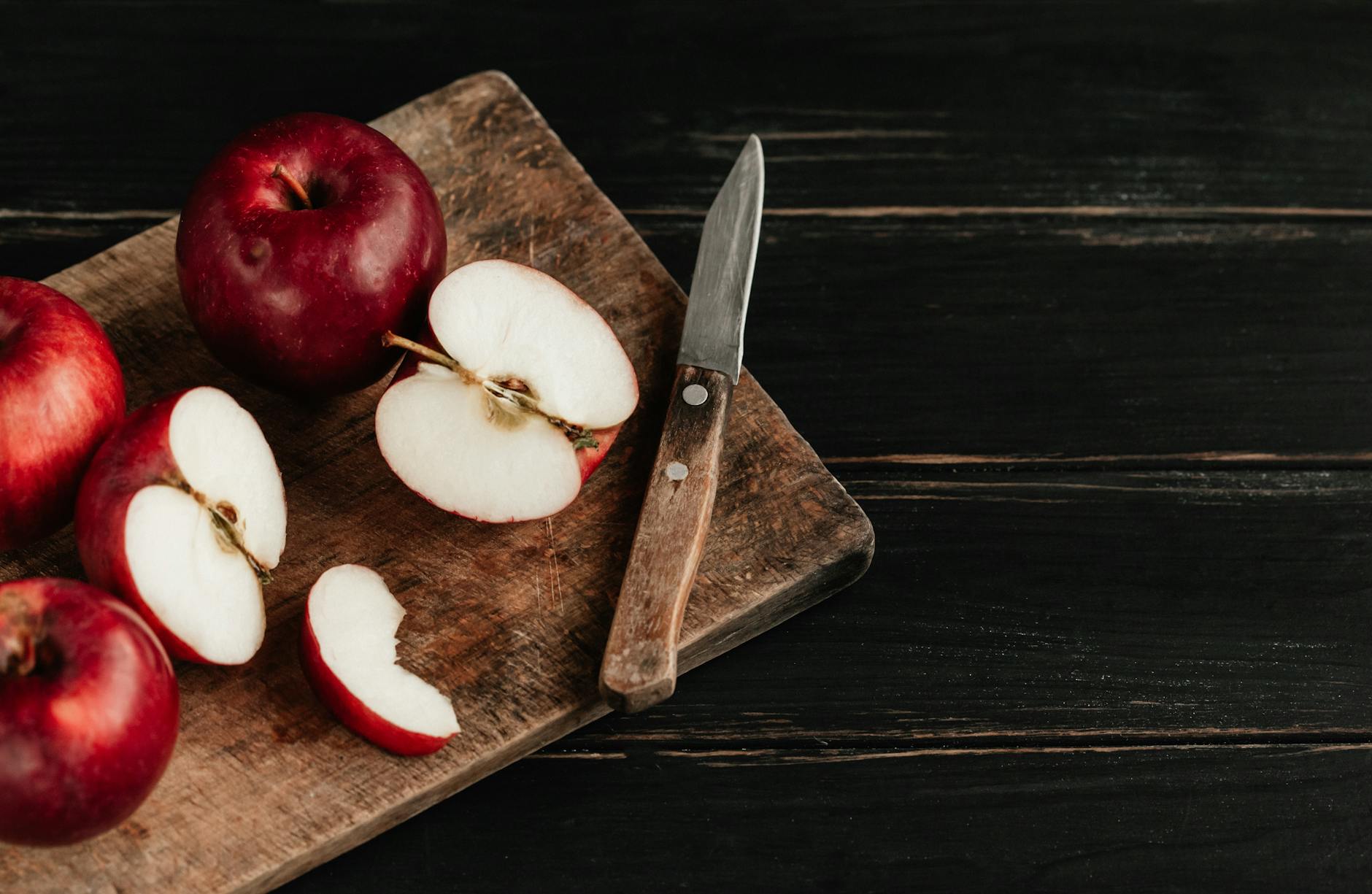
Apple peels are generally safe for cats in small quantities, though they offer minimal nutritional benefit and carry some minor risks that make them unnecessary for your cat’s diet. Many cat owners wonder if they can share their snacks with their feline companions, and while a small taste of apple peel won’t typically cause harm, the potential concerns—including choking hazard, digestive upset, and trace toxins in seeds—make regular consumption inadvisable.
If your cat has nibbled on an apple peel your dropped, there’s no need to panic, but it’s not something you should intentionally offer. The key distinction here is between apple flesh and apple peels specifically. While the flesh of apples is less likely to cause problems, the peel presents additional texture and potential pesticide concerns that make it a less-ideal food choice for cats compared to other safer treat options.
Table of Contents
- Do Apple Seeds and Peels Contain Harmful Toxins?
- Choking and Digestive Risks That Come With Apple Skin
- What Happens When Cats Eat Small Amounts of Apple Peel
- The Safest Way to Introduce Any Apple to Your Cat
- Allergic Reactions and Hidden Health Concerns
- Better Treat Alternatives for Your Cat
- When to Call Your Veterinarian About Apple Ingestion
- Conclusion
- Frequently Asked Questions
Do Apple Seeds and Peels Contain Harmful Toxins?
Apple seeds contain trace amounts of cyanogenic compounds that break down into cyanide when digested, but the quantity in apple peels is negligible unless your cat consumes a large number of seeds. A single apple peel won’t contain enough seeds or toxins to cause poisoning, and even eating one whole apple with seeds would be unlikely to produce toxicity in a cat. For context, a cat would need to consume hundreds of apple seeds to reach potentially dangerous levels—far more than any cat would realistically eat.
The real concern with commercial apple peels is pesticide residue. Non-organic apples are often sprayed with pesticides that can accumulate in the skin, and while the traces are considered safe for human consumption, cats have different metabolic pathways and sensitivities. If you ever do give your cat apple peel, organic varieties are the safer choice, though it’s still not recommended as a regular treat.
Choking and Digestive Risks That Come With Apple Skin
The tough, fibrous texture of apple peels presents a legitimate choking hazard, particularly for senior cats, cats with dental disease, or cats that don’t chew their food thoroughly. Young kittens and cats prone to gulping food without chewing are at higher risk—unlike humans who can safely bite through apple skin, cats’ digestive systems aren’t designed to process tough plant material efficiently. A cat attempting to swallow a larger piece of peel could experience mild choking or, more commonly, digestive blockage.
Additionally, the fiber content in apple peels can cause digestive upset in cats, leading to vomiting or diarrhea. Cats are obligate carnivores with short digestive tracts optimized for meat, not plant matter. If your cat does ingest apple peel, watch for signs of digestive distress over the next 24 hours, including loss of appetite, vomiting, or changes in litter box habits. Unlike dogs, who can tolerate some plant-based foods, cats rarely benefit from—and often struggle with—fruits and vegetables.
What Happens When Cats Eat Small Amounts of Apple Peel
Most cases of cats eating small amounts of apple peel result in no symptoms whatsoever. A cat who samples a small piece of apple skin while you’re eating will typically show no ill effects, process it through their system normally, and forget the experience immediately. The danger increases only with larger quantities or repeated consumption—a one-time nibble is usually harmless.
However, some cats are more sensitive than others. A cat with a sensitive stomach or existing gastrointestinal condition may experience mild upset even from a small piece of peel, while another cat with an iron stomach might eat several pieces with no reaction. This individual variation means you can’t generalize: what’s fine for one household’s cat might upset another’s. If your cat has a history of digestive issues, it’s best to avoid apple peel entirely.

The Safest Way to Introduce Any Apple to Your Cat
If you’re determined to let your cat try apple, the safest approach is to offer only small, soft pieces of plain apple flesh (not peel or seeds), in quantities no larger than a few small cubes, and only as an occasional treat—not something your cat eats regularly. Remove all seeds before offering, and watch your cat’s reaction closely. Introduce it slowly, the same way you would any new food, giving your cat’s digestive system time to adjust.
Never serve cooked apple with added sugar, spices, or sweeteners like xylitol, which is extremely toxic to cats. Comparison-wise, apple is far riskier for cats than alternatives like small pieces of cooked chicken or fish, which align with their actual nutritional needs. Most veterinarians suggest that cats have no real need for fruits or vegetables and that the risks, however small, outweigh any potential benefit.
Allergic Reactions and Hidden Health Concerns
While true apple allergies are uncommon in cats, some cats do experience allergic reactions characterized by itching, swelling around the mouth, or hives. Cats with existing food sensitivities or those on limited-ingredient diets should not eat apple peel without veterinary clearance.
Additionally, if your cat has diabetes, kidney disease, or certain other chronic conditions, even small amounts of fruit can affect their medical management, so always consult your vet before introducing new foods. Some cats also experience oral irritation from the acidity of apples, particularly if they have existing gum disease or oral ulcers. The combination of texture and acidity makes apple peel a triple-threat for cats with dental problems, making these cats especially poor candidates for apple consumption.

Better Treat Alternatives for Your Cat
If you’re looking to give your cat an occasional special treat beyond their regular food, options like small pieces of cooked chicken, turkey, or plain fish are far safer and more aligned with feline nutrition. These protein-based treats satisfy cats’ instinctive preferences and pose minimal digestive risk.
Even small amounts of cooked pumpkin (not pie filling) can be beneficial for cats with mild digestive issues, offering actual nutritional value rather than just empty calories. Commercial cat treats formulated specifically for feline nutrition are designed with your cat’s digestive system in mind and have been tested for safety and palatability in ways that home fruits and vegetables have not.
When to Call Your Veterinarian About Apple Ingestion
If your cat has consumed a significant amount of apple peel or the entire peel from multiple apples, or if they show any signs of distress—vomiting, loss of appetite, lethargy, or abdominal pain—contact your veterinarian. Even if symptoms don’t appear immediately, a vet can evaluate whether any intervention is needed and rule out blockage or toxicity, particularly in smaller cats or kittens.
As pet care evolves with better understanding of feline nutrition, the consensus continues to strengthen: cats simply don’t need fruits or vegetables. Your cat’s nutritional needs are best met through high-quality cat food formulated by nutritionists, making special treats optional and best chosen from species-appropriate options.
Conclusion
Apple peels are not toxic to cats in small quantities, but they’re also not beneficial, and the combination of choking risk, digestive upset potential, and pesticide residue makes them an unnecessary food choice. The safe answer is: your cat doesn’t need apple peels, and there are much better options available if you want to offer the occasional treat. If your cat has accidentally nibbled peel from your snack, monitor them for any digestive changes, but don’t expect problems from a single small exposure.
The most important takeaway is that cats have different nutritional needs and digestive capabilities than humans, and what’s safe for you isn’t automatically safe or beneficial for them. When in doubt about any new food, consult your veterinarian before introducing it to your cat’s diet. Focus on high-quality cat food and species-appropriate treats instead.
Frequently Asked Questions
Can cats eat apple skin at all?
Small amounts of apple peel rarely cause immediate harm, but it’s not recommended. The risks—choking, digestive upset, and potential pesticide residue—outweigh any nutritional benefit.
What should I do if my cat ate apple peel?
Monitor your cat for 24 hours for signs of vomiting, diarrhea, or loss of appetite. If symptoms appear or your cat consumed a large amount, contact your veterinarian. A single small piece usually passes through without incident.
Are apple seeds dangerous for cats?
Apple seeds contain trace cyanide compounds, but the amount in one or two seeds is negligible. Your cat would need to consume hundreds of seeds to experience toxicity—far more than any cat would realistically eat.
What fruits are safe for cats?
Most fruits offer little benefit to cats, but small amounts of cat-safe options like seedless melon or small pieces of cooked pumpkin are generally tolerated. Always check with your vet before introducing new foods.
Why do cats want to eat things they shouldn’t?
Cats are curious and may investigate unfamiliar items, especially if you’re eating them. This doesn’t mean the food is appropriate for them—curiosity doesn’t equal nutritional need.
Should I give my cat any treats besides cat food?
Treats should make up no more than 10 percent of your cat’s daily calories. Protein-based treats like cooked chicken are far safer and more appropriate than fruits or vegetables for meeting your cat’s nutritional and behavioral needs.