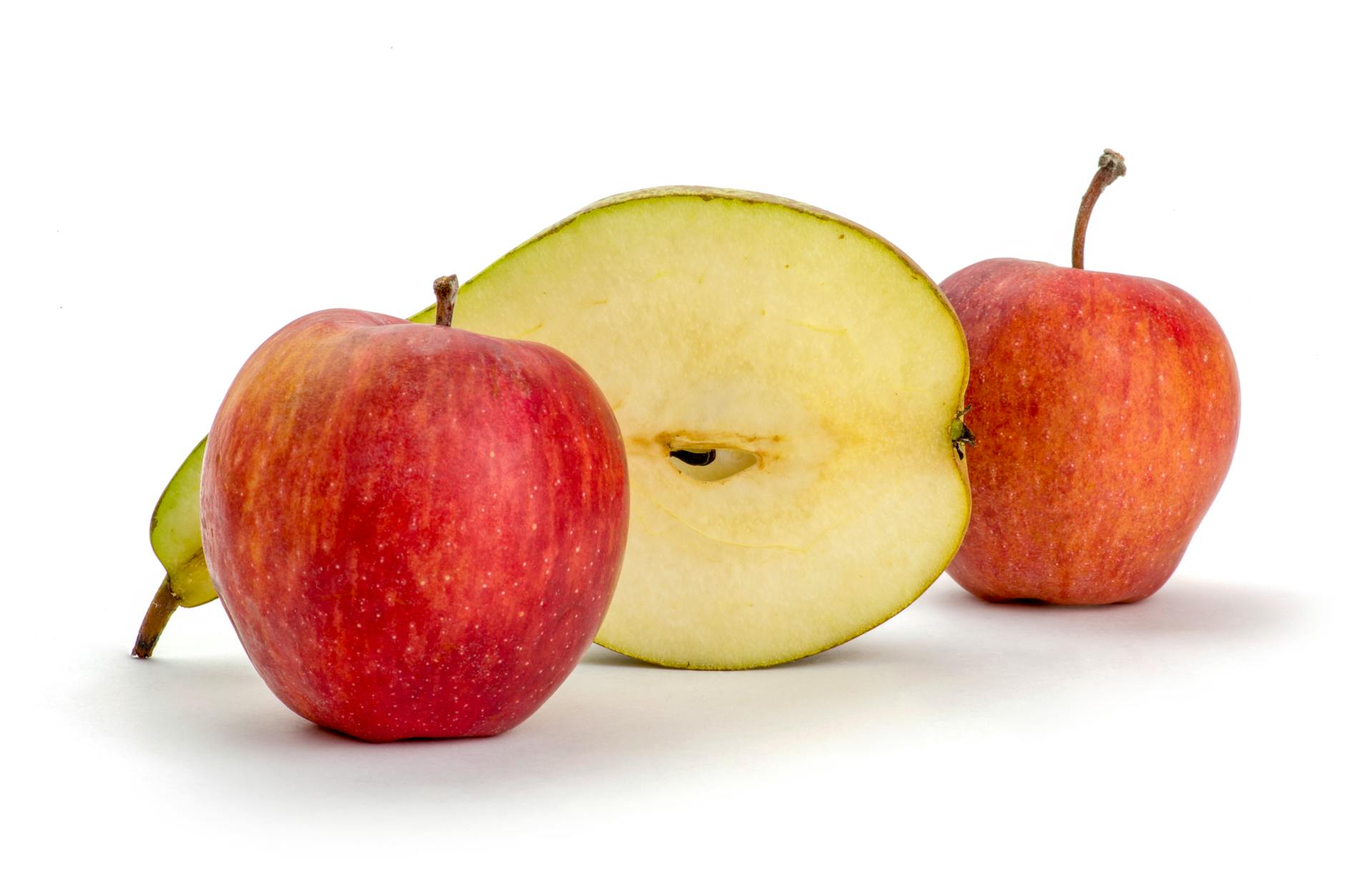
Yes, it is safe for cats to eat apples without skin in small, occasional amounts. Apples themselves are not toxic to cats, and removing the skin eliminates any surface pesticides or wax coating, making them an even safer option. However, this doesn’t mean apples should become a regular part of your cat’s diet—they’re simply not nutritionally valuable for felines, and some cats may experience digestive upset from the fruit’s sugar and fiber content. The key is moderation and proper preparation.
A small slice of apple without skin once in a while poses no danger to most healthy cats, but the apple seeds and core must always be removed due to their cyanogenic compounds. For example, if your cat steals a piece of unskinned apple from your kitchen counter, there’s no need for emergency veterinary care—simply monitor your cat for any signs of gastrointestinal distress. Understanding why apples are safe but not ideal for cats requires looking at their nutritional needs and digestive system. Cats are obligate carnivores, meaning their bodies are designed to derive nutrition primarily from meat, not fruits or vegetables.
Table of Contents
- Can Cats Safely Consume Apples Without Skin?
- Understanding Apple Toxins and Your Cat’s Digestive System
- Apple Seeds and Cyanide Exposure in Cats
- Preparing Apples Safely for Your Cat
- Digestive Issues and Individual Cats’ Reactions
- Apples Compared to Other Safe Fruits for Cats
- Creating a Cat-Safe Household Environment
- Conclusion
Can Cats Safely Consume Apples Without Skin?
Apples without skin are safe because the flesh itself contains no compounds that are inherently toxic to felines. The apple skin, while not poisonous, often carries pesticide residues and commercial wax coatings applied during post-harvest processing. By removing the skin, you eliminate these potential irritants and reduce any risk to your cat. This makes unskinned apples technically safer than apples with the skin intact. The flesh of an apple is primarily water and carbohydrates, with minimal nutritional benefit for cats.
A single serving might be around one small slice—think of something the size of a thin apple slice you’d cut for a child. A cat’s digestive system doesn’t require this type of fruit, and the sugar content in apples, while not dangerous in tiny amounts, provides empty calories that could contribute to weight gain if given too frequently. Cats also lack taste receptors for sweetness, so they won’t derive the same pleasure from apples that humans do. The absolute critical rule is never allow your cat to chew on apple seeds or the core. Apple seeds contain amygdalin, a compound that converts to hydrogen cyanide when digested. While a single seed or two isn’t likely to cause serious harm due to the small quantity, the core contains multiple seeds, and ingesting several could potentially cause toxicity symptoms.

Understanding Apple Toxins and Your Cat’s Digestive System
Although the apple flesh itself is benign, the seeds and core represent a genuine toxicological concern. Each apple seed contains a very small amount of cyanide precursor, and while cats would need to consume a substantial quantity to experience serious poisoning, there’s no safe threshold for cyanide exposure. A curious kitten that gnaws through an apple core might ingest enough seeds to cause mild symptoms, even if severe toxicity is unlikely. The limitation here is that you cannot easily predict how many seeds your cat might consume or how quickly, so prevention through removal is the only truly safe approach. Additionally, some cats have sensitive digestive systems that react poorly to any fruit consumption, even in small amounts.
These cats may experience vomiting, diarrhea, or loss of appetite after eating just a bite of apple. If your cat has a history of inflammatory bowel disease or other gastrointestinal conditions, apples should be avoided entirely, even the flesh without skin. Your veterinarian can advise whether your specific cat is a good candidate for any fruit treats. Another important consideration is that eating apple flesh could cause choking or intestinal blockage, particularly in young kittens or cats with certain medical conditions. While this risk is quite low with properly cut, small pieces, it’s a real possibility if your cat attempts to swallow a large piece whole.
Apple Seeds and Cyanide Exposure in Cats
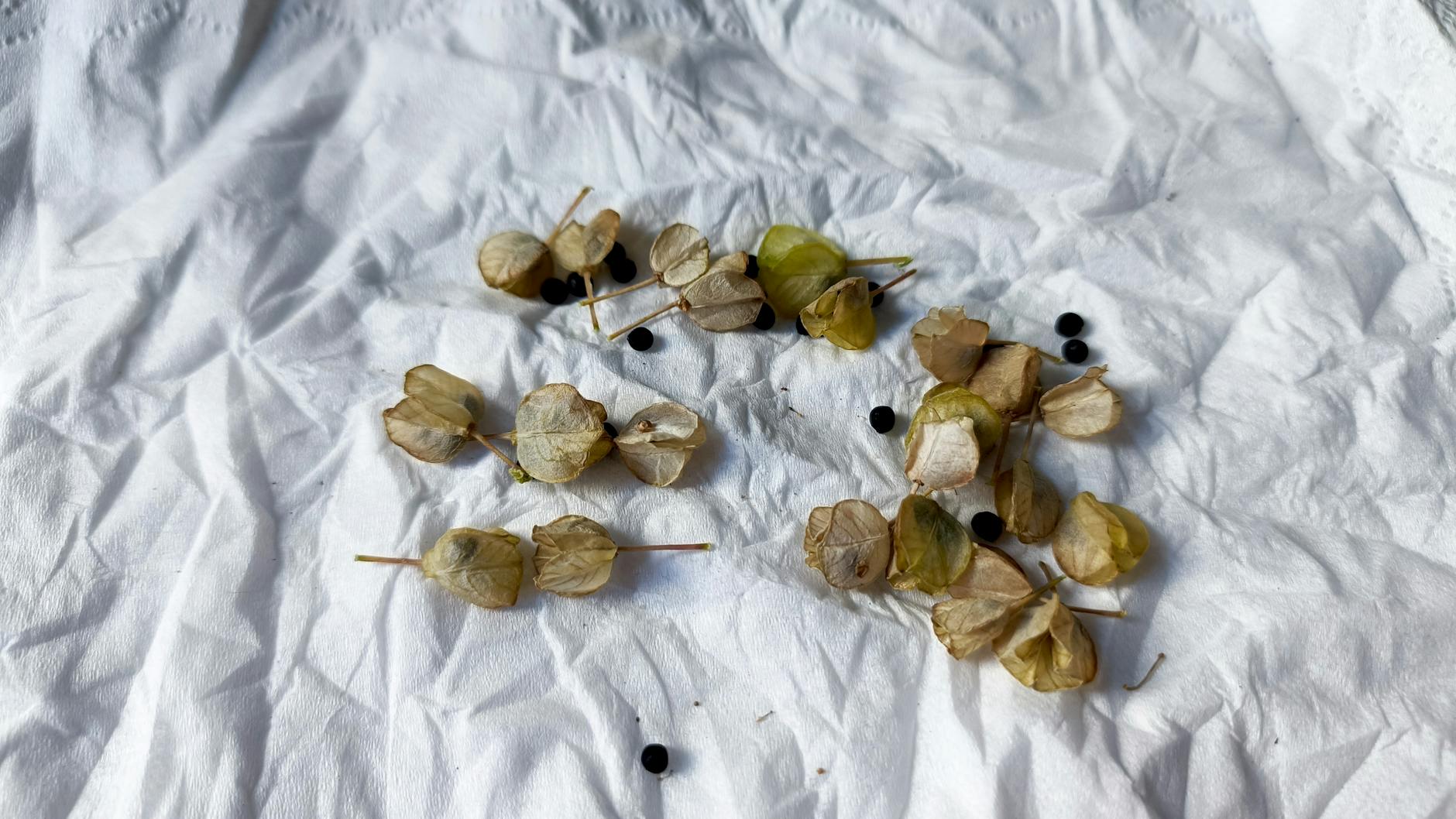
The amygdalin in apple seeds breaks down into hydrogen cyanide during digestion, which is why apple seeds are frequently listed as toxic to cats and other animals. However, the actual risk depends on the amount consumed. To put this in perspective, a single apple seed would need to be broken down to release a minuscule amount of cyanide, and cats would need to consume many seeds—likely several dozen—to reach toxic levels. Still, this doesn’t mean you should ever let your guard down around apples; preventing access to seeds is far simpler than managing potential poisoning.
If your cat were to accidentally ingest apple seeds, early signs of cyanide toxicity might include dilated pupils, rapid breathing, or lethargy appearing within hours. More advanced symptoms could involve red mucous membranes, shock, or respiratory distress. If you suspect your cat has eaten a significant quantity of apple seeds, contact your veterinarian or a poison control service immediately, as this is a medical emergency. The practical example here is straightforward: if your cat eats a slice of apple flesh you’ve prepared, there is virtually no risk. If your cat finds and chews into a whole apple and manages to eat several seeds, this warrants veterinary evaluation, especially if symptoms develop.
Preparing Apples Safely for Your Cat
If you decide to offer apple to your cat, preparation is essential for safety. First, wash the apple thoroughly under running water to remove surface pesticides and dirt. Second, peel the skin completely, as the skin carries the highest concentration of any chemical treatments applied during growing or storage. Third, core the apple carefully and discard all seeds and the core entirely. Finally, cut the remaining flesh into very small pieces—roughly the size of a pea or smaller—to minimize any choking risk.
The comparison between giving apple as a treat versus other options is worth considering. If your goal is to offer your cat a hydrating snack, plain water is superior to apple. If you want to provide nutritional variety, commercial cat treats formulated for feline nutrition are far more appropriate. If you simply want to give your cat something special, small pieces of cooked chicken, turkey, or fish (without seasoning or bones) provide actual nutritional value and are far more satisfying to a cat’s carnivorous preferences. The tradeoff is that while apples are safe in theory, they offer no meaningful benefit and introduce unnecessary complexity to your cat’s diet.
Digestive Issues and Individual Cats’ Reactions
Not all cats tolerate fruits equally. Some cats will experience no ill effects from a small piece of apple, while others may develop vomiting or diarrhea even from tiny quantities. This variation depends on individual digestive sensitivity and the cat’s overall gastrointestinal health. A warning sign that your cat doesn’t tolerate fruit well is if they develop loose stool or vomit within a few hours of consuming a new food. If this happens, you now have clear evidence that apples aren’t suitable for your cat and should be avoided in the future.
Cats with existing digestive conditions, such as inflammatory bowel disease (IBD) or pancreatitis, should never consume apples, as the undigestible fiber and natural sugars could trigger a flare-up. Similarly, diabetic cats should avoid apples because the sugar content could complicate blood glucose management. A limitation of using any fruit as a treat is that cats don’t have the same nutritional machinery to process plant matter efficiently as humans do, so what seems like a harmless bite could sit uncomfortably in their stomach. If your cat has eaten apple and develops symptoms such as loss of appetite, vomiting, abdominal pain, or changes in litter box habits, contact your veterinarian. most cases of mild apple ingestion resolve without intervention, but persistent symptoms warrant professional evaluation.

Apples Compared to Other Safe Fruits for Cats
If you’re interested in offering your cat variety through small amounts of fruit, understanding which alternatives exist can help you make better choices. Watermelon (seedless, small amounts) and cantaloupe are occasionally tolerated by cats and have high water content that some cats actually benefit from, particularly those prone to dehydration. However, even these options should be treated as rare treats, not dietary staples.
The reality is that most fruits, including apples, offer minimal value to obligate carnivores. Unlike dogs, who can derive some nutritional benefit from fruits and vegetables, cats lack the biochemical capacity to extract much nutrition from plant matter. A cat eating a small piece of apple gets almost nothing of metabolic value—mostly water and sugar. The takeaway is that if you’re seeking to enrich your cat’s diet, focusing on high-quality animal-based proteins is far more important than experimenting with fruits.
Creating a Cat-Safe Household Environment
Understanding which foods are safe for your cat, like apples without skin in limited quantities, is part of a broader responsibility to create a secure living environment. Beyond apples, many common human foods and plants pose genuine risks to cats, and mistakes happen when household members don’t know which items are dangerous.
If you allow your cat access to your kitchen or dining areas, establishing clear household rules about food sharing helps prevent accidental poisoning. The forward-looking perspective is that as pet nutrition science advances, our understanding of which foods offer any value to cats becomes clearer, and the general consensus strengthens around focusing on species-appropriate diets. Rather than testing which human foods your cat can tolerate, the safer path is to select high-quality cat food formulated by veterinary nutritionists and offer approved treats designed for feline metabolism.
Conclusion
Unskinned apples are safe for cats in very small, occasional amounts, provided the seeds and core are completely removed. A thin slice of apple flesh poses no toxicological danger to most healthy adult cats, though the digestive system of your individual cat determines whether she’ll tolerate it well. The practical reality is that apples offer no meaningful nutritional benefit to cats and introduce unnecessary complexity when far better treat options exist.
Your responsibility as a cat owner is to prioritize foods and treats formulated for feline nutrition and to maintain strict boundaries around foods that, while not immediately dangerous, serve no purpose in your cat’s diet. If your cat accidentally eats a piece of unskinned apple, don’t panic—simply monitor for any signs of digestive distress. If your cat ingests apple seeds or shows symptoms after fruit consumption, contact your veterinarian. When in doubt about any food, your vet’s guidance is always the safest choice.