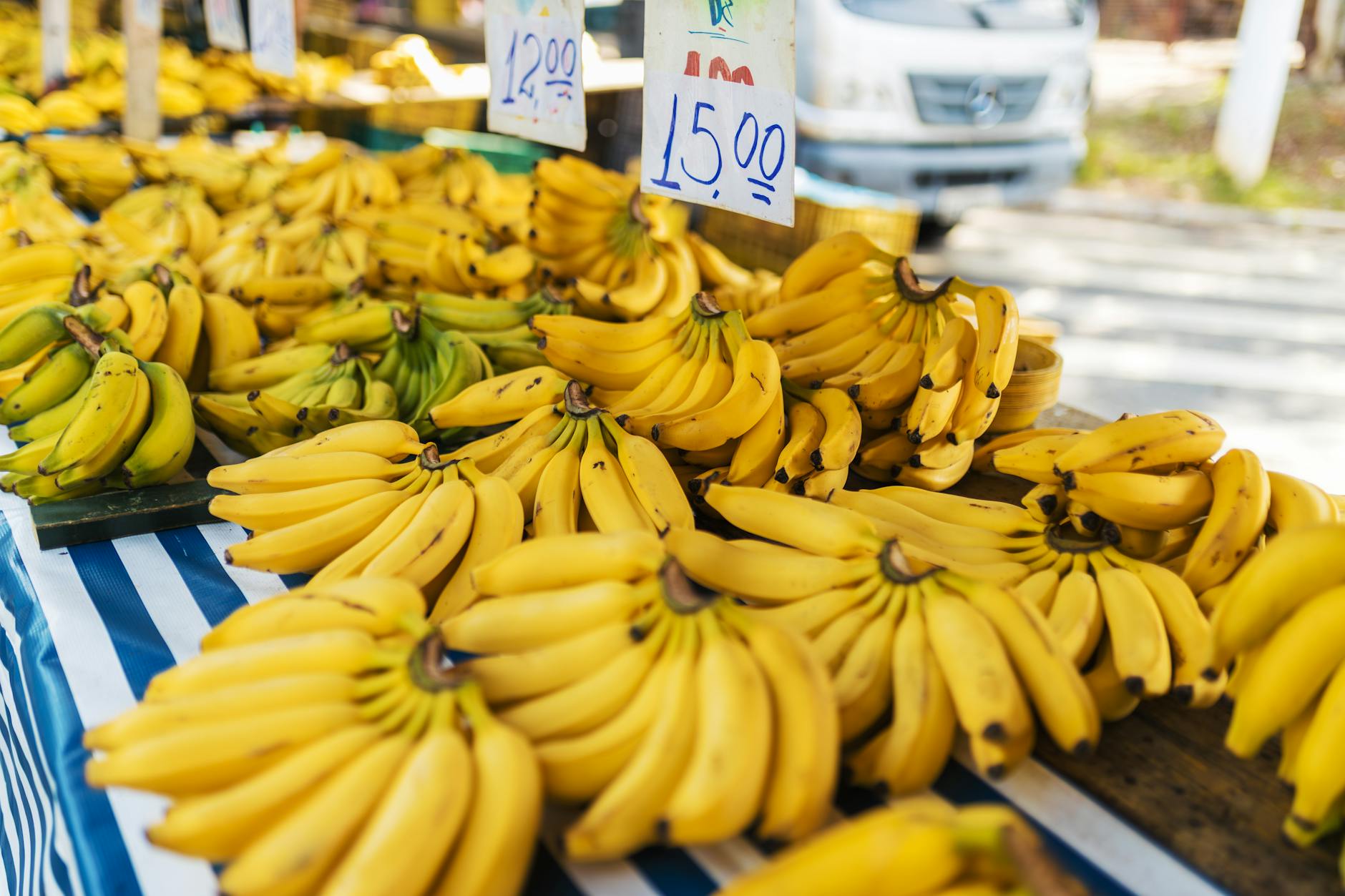
Yes, cats can safely eat bananas in small quantities, but they rarely benefit from this fruit and many cats show no interest in it. Unlike humans who enjoy bananas for their potassium and fiber content, cats are obligate carnivores whose digestive systems are designed specifically for processing meat. While a small piece of banana occasionally is not toxic, it provides almost no nutritional value to your cat and may cause digestive upset.
For example, if your cat takes a curious nibble of your banana slice, there’s no need for concern, but intentionally feeding bananas to your cat is unnecessary and not recommended by most feline nutritionists. The primary concern with bananas is not toxicity but digestive incompatibility. Cats lack the enzymes needed to properly digest plant matter, particularly the complex carbohydrates and fiber found in bananas. What’s safe is not the same as what’s ideal—this distinction matters because owners often confuse edibility with nutritional appropriateness.
Table of Contents
- CAN CATS DIGEST BANANAS SAFELY?
- NUTRITIONAL VALUE AND DIGESTIVE LIMITATIONS
- COMMON REACTIONS WHEN CATS EAT BANANAS
- BETTER FRUIT AND VEGETABLE ALTERNATIVES FOR CATS
- CHOKING AND PORTION HAZARDS
- FEEDING BANANA TO KITTENS AND SENIOR CATS
- THE BIGGER PICTURE OF CAT NUTRITION AND ENRICHMENT
- Conclusion
- Frequently Asked Questions
CAN CATS DIGEST BANANAS SAFELY?
cats can digest small amounts of banana without experiencing poisoning, but their digestive systems are not optimized for fruit. A cat’s stomach is highly acidic and designed to break down animal proteins efficiently, not plant-based foods. When a cat consumes banana, the fruit passes through largely undigested, which can lead to constipation or, conversely, loose stools depending on the individual cat’s sensitivity. Some cats may experience no symptoms at all from a tiny taste, while others develop mild gastrointestinal distress from the same amount.
The ripeness of the banana also matters. Unripe bananas contain more resistant starch, which is even harder for cats to process. Ripe bananas are slightly easier to digest because some of the starch has converted to simple sugars, but this doesn’t make them ideal for cats. Additionally, the high natural sugar content in bananas (about 12 grams per medium fruit) is not appropriate for cats, whose bodies require very little carbohydrate intake compared to humans or even dogs. A cat that eats banana regularly risks developing metabolic issues over time.
NUTRITIONAL VALUE AND DIGESTIVE LIMITATIONS
While bananas are nutrient-dense for humans, they offer virtually nothing beneficial to cats. Bananas contain potassium, vitamin C, and vitamin B6, but cats synthesize their own vitamin C and can obtain necessary potassium from their regular diet of meat and cat food. The fiber in bananas, which is valuable for human digestion, can actually be problematic for cats, causing bloating or constipation if consumed regularly. A major limitation is that cats cannot taste sweetness the way humans do; they lack the taste receptors for sweetness, which is why they typically show no interest in bananas anyway.
The digestive risk increases significantly if a cat with pre-existing gastrointestinal issues, obesity, or diabetes consumes banana regularly. A cat with inflammatory bowel disease, for instance, might experience flare-ups from the fiber content. Diabetic cats should avoid bananas altogether because of the sugar content, which can affect blood glucose levels. This warning is particularly important for older cats or those with compromised digestive health, as their systems are less tolerant of unexpected foods.
COMMON REACTIONS WHEN CATS EAT BANANAS
most cats show little to no reaction when offered banana because they find the taste and texture unappetizing. However, some cats do show curiosity, particularly if they’ve been rewarded with human food before or if a family member regularly eats bananas around them. When a cat does ingest banana, the most common outcome is simply that it passes through their system with minimal effect. However, some cats experience immediate or delayed reactions including mild vomiting, diarrhea, or constipation within a few hours or the next day.
A specific example: a cat that ate a 2-inch piece of banana might experience loose stools for a day or two, then return to normal without any intervention. Another cat eating the same amount might show no symptoms at all. This individual variation is why blanket recommendations are tricky—what’s fine for one cat might upset another. The key indicator of a problem is whether your cat shows digestive distress beyond normal, which is why observation is more important than panic if your cat has already eaten a small amount of banana.
BETTER FRUIT AND VEGETABLE ALTERNATIVES FOR CATS
If you want to offer your cat treats beyond standard cat food, there are genuinely safer options that provide actual nutritional benefit. Small amounts of cooked pumpkin, for instance, can help with both constipation and diarrhea due to its fiber and moisture content. Watermelon (seedless, small pieces) is mostly water and poses minimal digestive risk while being refreshing, especially in summer. Carrots, while not naturally part of a cat’s diet, are far less problematic than bananas because they contain less sugar and provide some dental benefits through chewing.
The comparison is important: bananas offer no advantage over these alternatives while presenting more digestive risk. A cat that refuses all fruit is a perfectly healthy cat—their nutritional needs are completely met by quality cat food. If you’re determined to offer a treat, consult your veterinarian about human foods that are genuinely safe and appropriate for cats, rather than assuming something is fine just because it’s not toxic. Many vets recommend sticking to cat-formulated treats specifically designed for feline digestion, which ensure both safety and nutritional appropriateness.
CHOKING AND PORTION HAZARDS
While a small bite of banana is unlikely to cause choking, the fruit’s dense, sticky texture can theoretically pose a risk for certain cats, particularly those who don’t chew thoroughly before swallowing. Senior cats with dental problems or kittens with small mouths face marginally higher risk. A cat attempting to swallow a large piece could experience gagging or difficulty, though true choking from banana is rare because cats typically investigate food carefully before consumption.
The warning here is about portion control: if you decide your cat should have banana, limit it to a piece the size of a dime or smaller. Never offer a large chunk or assume that because your cat is acting interested, it’s appropriate to give a substantial amount. Additionally, mashed banana poses slightly different risks than whole pieces—it’s stickier and can adhere to the roof of the mouth, causing momentary distress even if it ultimately passes safely. Monitor your cat closely for 24 hours after any unusual food consumption.
FEEDING BANANA TO KITTENS AND SENIOR CATS
Kittens have especially sensitive digestive systems because their gut bacteria are still establishing healthy populations. Introducing unusual foods like banana during this critical developmental phase is unnecessary and risks disrupting their delicate digestive balance. Kittens benefit exclusively from kitten formula or appropriate kitten food during their first weeks, and once they transition to solid food, they need a diet optimized for growth, not random human foods.
A kitten that experiences digestive upset from experimenting with banana might develop lingering food sensitivities. Senior cats, conversely, often have reduced digestive capacity and may experience more pronounced symptoms from foods their systems aren’t equipped to process. An 15-year-old cat eating banana is more likely to experience constipation or diarrhea than a young adult cat eating the same amount. Both age groups benefit more from appropriate species-specific nutrition than from the questionable novelty of fruit.
THE BIGGER PICTURE OF CAT NUTRITION AND ENRICHMENT
The banana question ultimately reflects a broader human tendency to share our food with pets, often without considering their different biological needs. Cats are not small humans; their nutritional requirements are entirely different. If you’re seeking to enrich your cat’s life through feeding, focus instead on appropriate interactive feeding methods: puzzle feeders, slow feeders, or hunting-simulation toys that allow your cat to express natural predatory behaviors while eating their regular, nutritionally complete food.
As veterinary nutrition science advances, we understand increasingly that species-appropriate diets are far more important to cat health than occasional treats. Future trends in feline care emphasize whole-prey diets and high-protein options specifically designed for obligate carnivores, moving away from the historical practice of treating cats like humans or like dogs. This shift suggests that offering bananas represents an outdated approach to pet nutrition rather than a modern best practice.
Conclusion
Cats can technically eat small amounts of banana without experiencing poisoning, but there is no good reason to feed banana to your cat, and doing so provides zero nutritional benefit while creating unnecessary digestive risk. Your cat’s health and longevity depend on appropriate, species-specific nutrition, not on human food experimentation. If your cat has already eaten a small piece of banana, there is no need for emergency action—simply monitor for any signs of digestive upset over the next day and contact your veterinarian if symptoms persist.
Going forward, resist the impulse to share human foods with your cat, and instead focus on providing high-quality cat food formulated for feline nutritional needs. If you’re looking for ways to enrich your cat’s feeding experience or offer healthy treats, consult your veterinarian for recommendations specific to your cat’s age, health status, and dietary requirements. Your cat will thrive far better on appropriate nutrition than it ever would from curiosity-driven experiments with fruit.
Frequently Asked Questions
What happens if my cat eats a whole banana?
A cat eating a significant amount of banana would likely experience digestive upset including vomiting, diarrhea, or constipation. Contact your veterinarian if your cat consumed a large quantity or shows severe symptoms, though most cases resolve on their own within 24-48 hours with monitoring.
Are banana peels safe for cats?
No. Banana peels are even more problematic than the fruit itself due to higher fiber content and potential pesticide residue. Peels should never be offered to cats, and any accidental consumption should be monitored closely.
Can cats eat banana bread or other banana products?
No. Banana bread typically contains sugar, butter, and other ingredients inappropriate for cats. Many commercial banana products contain xylitol, an artificial sweetener that is toxic to cats. Avoid all processed banana products entirely.
How much banana is safe if my cat really wants some?
If your cat has eaten a small piece without issues, the amount was likely acceptable—roughly a piece the size of a dime. But this should not be a regular practice, and intentionally feeding banana is not recommended.
Why do some cats seem interested in bananas?
Some cats are attracted to the texture or smell rather than the taste (since they can’t taste sweetness). This interest is usually mild curiosity rather than genuine appetite, and can often be discouraged by not offering the food in the first place.
Should I be worried if my kitten ate banana?
Monitor your kitten for vomiting or diarrhea over the next 24 hours. If no symptoms appear, no action is needed. However, avoid offering banana to young kittens in the future, as their digestive systems are more sensitive.