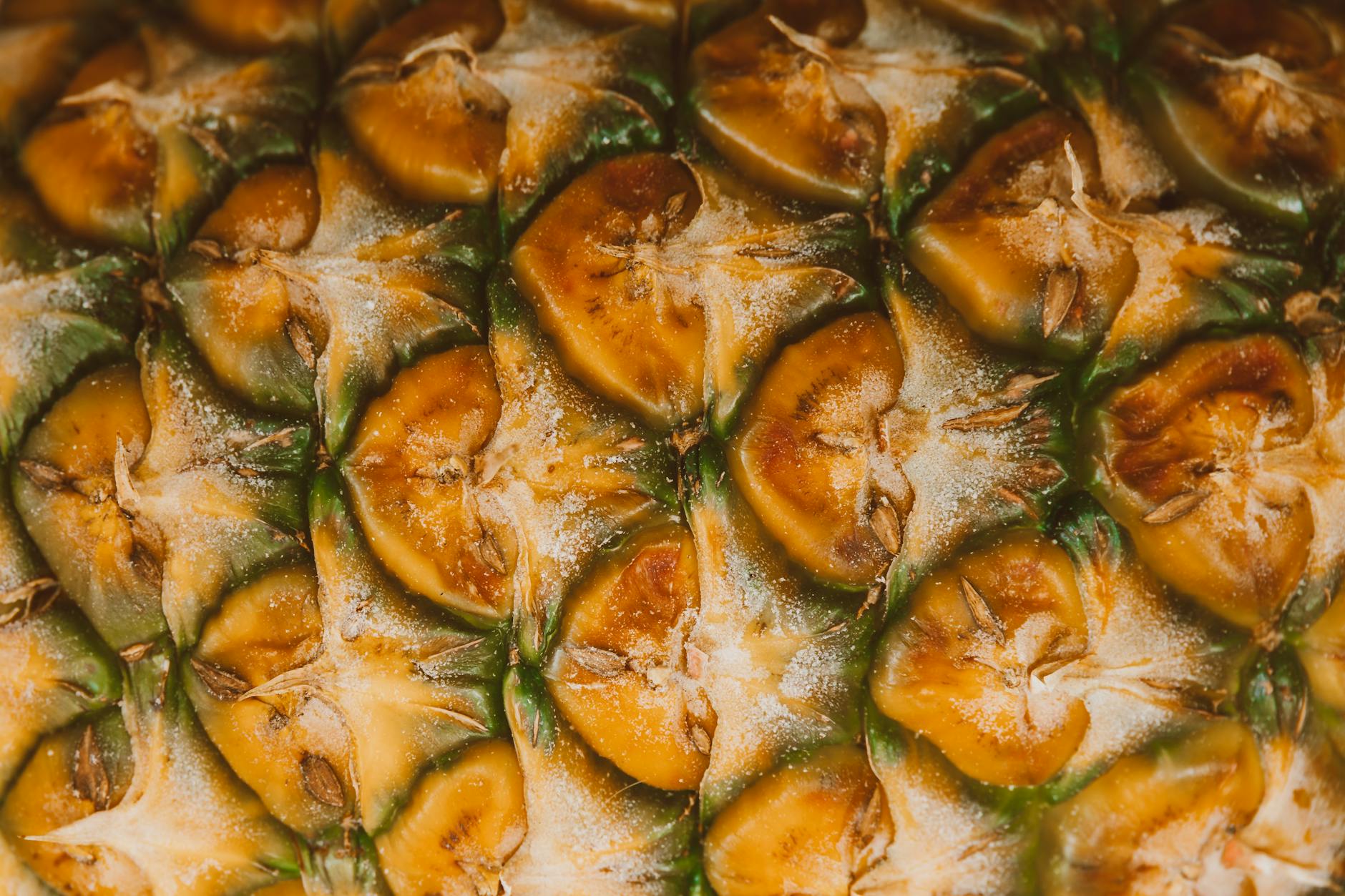
Yes, cats can eat pineapple in small quantities, and it is generally safe for them to do so. Fresh pineapple contains no toxic compounds that would harm felines, and some cats may even enjoy the fruit’s texture and sweetness. However, this doesn’t mean pineapple should become a regular part of your cat’s diet—it’s best reserved as an occasional treat, and only the flesh of the fruit should be offered, never the skin or core.
Many pet owners are surprised to learn that their cats can safely sample pineapple, particularly after trying their cat’s reaction to the fruit. For example, if you’re eating fresh pineapple chunks at home and your cat shows interest, offering a single small piece poses no health risk. That said, the fruit’s high natural sugar content and the fact that cats lack taste receptors for sweetness means they’re unlikely to benefit nutritionally from eating it, and some cats may experience mild digestive upset if they consume too much.
Table of Contents
- What Nutrients Does Pineapple Contain and Are They Beneficial for Cats?
- Sugar Content and Digestive Concerns in Cats
- The Bromelain Enzyme and Protein Digestion
- How to Safely Offer Pineapple to Your Cat
- Risks of Pineapple Leaves and Processing
- Pineapple and Cats with Diabetes or Weight Management Issues
- Better Treat Alternatives and Looking Forward
- Conclusion
- Frequently Asked Questions
What Nutrients Does Pineapple Contain and Are They Beneficial for Cats?
Pineapple is rich in vitamin C, manganese, and bromelain, an enzyme that aids in protein digestion in humans. While these nutrients are valuable for human health, cats have different nutritional needs than people. Cats are obligate carnivores, meaning they require nutrients primarily found in animal protein—particularly taurine, which is essential for heart and eye health.
Pineapple provides neither taurine nor the complete amino acid profile that cats need to thrive. The bromelain enzyme in pineapple has been studied for its potential anti-inflammatory properties in humans, but there is limited research on how this enzyme affects feline digestion or health. Some owners wonder if pineapple might help with digestive issues, but this is not a proven benefit in cats. Compared to feline-specific probiotics or digestive supplements recommended by veterinarians, pineapple is not an effective remedy for digestive problems.
Sugar Content and Digestive Concerns in Cats
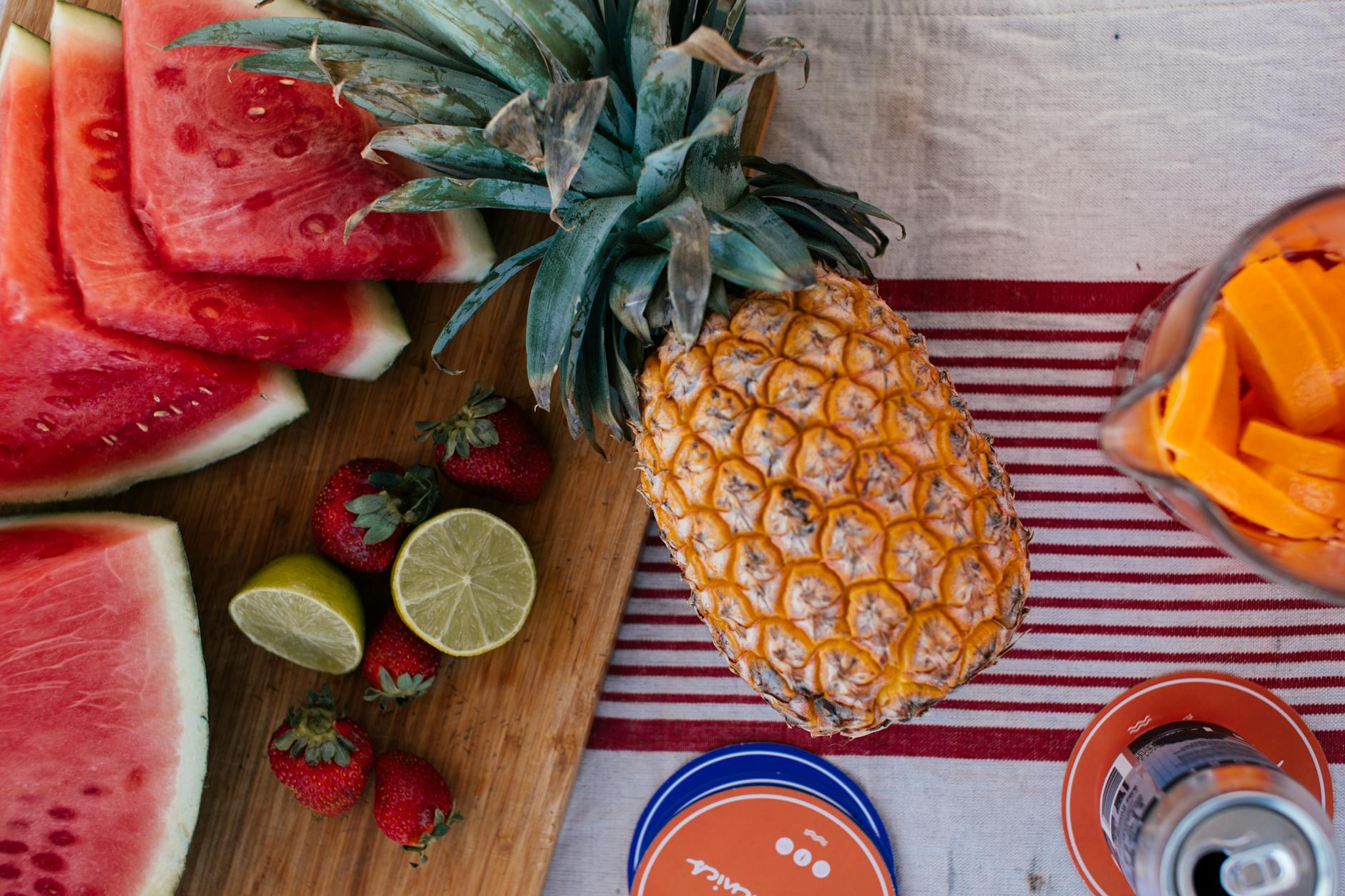
One of the primary concerns with feeding pineapple to cats is its sugar content. A cup of fresh pineapple chunks contains about 22 grams of sugar, which is significant for an animal that weighs between 8 and 12 pounds on average. Cats that consume too much sugar can develop obesity, and overweight cats are at higher risk for diabetes, joint problems, and other health complications. Even though a cat would need to consume a large quantity of pineapple to cause immediate harm, regular treats high in sugar can contribute to weight gain over time.
Another limitation is that pineapple can cause mild gastrointestinal upset in some cats. Because cats lack the necessary enzymes to efficiently digest plant-based foods, the fiber and sugars in pineapple may lead to loose stools, vomiting, or stomach discomfort in sensitive cats. If your cat is already prone to digestive issues or has a sensitive stomach, pineapple is best avoided entirely. Additionally, the acidity of pineapple could potentially irritate a cat’s mouth or throat if the pieces are not small enough or if the cat has existing dental or oral health issues.
The Bromelain Enzyme and Protein Digestion
Bromelain, the protease enzyme found in pineapple, breaks down proteins in the fruit itself and has been studied extensively in human medicine. In some cultures, pineapple is used as a natural meat tenderizer because of bromelain’s ability to break down muscle fibers. For cats, which are meat-eaters, some people have theorized that bromelain might help with protein digestion.
However, this is largely speculative, and there is no scientific evidence that bromelain in pineapple provides digestive benefits to cats or improves their ability to process the protein they eat. Fresh pineapple chunks contain bromelain in higher concentrations than canned pineapple, which is often preserved in syrup and processed in ways that reduce enzyme activity. If a cat were to consume pineapple, fresh is technically the safer option because the added sugars in canned pineapple make it even less suitable as a treat. That said, neither form of pineapple is necessary for feline health or digestion.
How to Safely Offer Pineapple to Your Cat
If you decide to give your cat a small taste of pineapple, prepare it carefully. Remove the tough outer skin, the core, and any leaves, as these parts are harder to digest and pose a choking or obstruction risk. Cut the flesh into small, bite-sized pieces that your cat can manage easily. Offer only one or two small pieces as a rare treat, and do this only if your cat shows interest.
Never force pineapple on a cat that isn’t curious about it. The tradeoff between novelty and safety is worth considering. While sharing a small piece of pineapple with your cat might seem like a fun bonding moment, the same amount of attention could be directed toward toy play, which provides exercise and mental stimulation—benefits that pineapple cannot offer. Commercial cat treats designed for feline nutrition are a safer choice for rewarding good behavior or providing variety in your cat’s diet. If you do offer pineapple, monitor your cat afterward for any signs of vomiting, diarrhea, or lethargy within 24 hours.
Risks of Pineapple Leaves and Processing
The crown and leaves of the pineapple fruit are fibrous and tough, making them a choking hazard or potential cause of intestinal blockage if ingested. Some cats are curious and might attempt to chew on or swallow these parts if they’re left accessible. If your cat has consumed pineapple leaves or the core, watch for signs of difficulty swallowing, loss of appetite, vomiting, or abdominal pain, and contact your veterinarian if these symptoms develop.
Canned pineapple packed in heavy syrup is strongly discouraged for cats. The added sugars in the syrup significantly increase the sugar content compared to fresh fruit, and some canned fruits are preserved with additives or sweeteners that may not be safe for feline consumption. If your cat accidentally ingests a small amount of canned pineapple in syrup, it’s unlikely to cause serious harm, but it should be avoided intentionally. Always check labels on processed foods before offering them to your cat.
Pineapple and Cats with Diabetes or Weight Management Issues
Cats with diabetes or those on a weight management plan should never be given pineapple or other sugary foods. A diabetic cat requires a carefully controlled diet to manage blood glucose levels and insulin requirements, and any high-sugar treat can disrupt this balance. For example, a cat diagnosed with diabetes and placed on a controlled-carbohydrate diet would be at risk if pineapple became a regular treat, even in small amounts.
Similarly, overweight or obese cats should not have access to pineapple. These cats are already at higher risk for metabolic disorders, and additional calories from sugary fruits contribute to the very problem they’re being treated for. In these cases, weight loss is better supported by measured portions of feline-appropriate food and regular play sessions.
Better Treat Alternatives and Looking Forward
There are safer and more nutritionally appropriate treats for cats that provide variety without the drawbacks of pineapple. Cooked chicken, turkey, or fish are excellent protein-based treats that align with a cat’s carnivorous diet.
Small amounts of cooked egg, certain commercial cat treats formulated for feline nutritional needs, and even small pieces of cooked vegetables like carrots or green beans offer more value than fruit. As pet nutrition science continues to evolve, research into feline diet and health is expanding beyond traditional commercial diets. While pineapple remains a safe occasional treat, the future of feline nutrition likely lies in science-backed, meat-based whole foods and supplements that directly support a cat’s natural dietary needs.
Conclusion
Pineapple is safe for cats to eat in small, infrequent quantities, but it offers little nutritional benefit and carries more downsides than advantages. The high sugar content, potential for digestive upset, and lack of necessary feline nutrients make it an unnecessary addition to your cat’s diet. If your cat shows interest in a small piece of fresh pineapple fruit, no harm will come from offering a tiny amount, provided you remove all skin, core, and leaves.
Instead of using pineapple as a treat, focus on feline-appropriate alternatives that support your cat’s health and provide enrichment. Protein-based treats, interactive play, and a balanced diet formulated for cats are far better investments in your pet’s wellbeing. If you have concerns about your cat’s diet or are considering adding any new foods, consult with your veterinarian to ensure your choices align with your individual cat’s health needs.
Frequently Asked Questions
Can cats eat pineapple juice?
No, pineapple juice should not be given to cats. Juice concentrates the sugar content even further than fresh fruit and offers no nutritional benefit. The acidity may also irritate your cat’s digestive system.
What should I do if my cat eats pineapple without permission?
If your cat has eaten a small amount of fresh pineapple flesh, monitor them for 24 hours for signs of vomiting, diarrhea, or lethargy. Contact your veterinarian if any symptoms develop or if your cat consumed a large quantity.
Are there any parts of the pineapple plant that are safe for cats?
Only the inner flesh of the fruit is safe in tiny amounts. The skin, leaves, crown, and core should all be kept away from cats due to choking and blockage risks.
Can pineapple help with my cat’s digestive problems?
No. While bromelain is a digestive enzyme, there is no scientific evidence that pineapple helps cats digest food or resolves digestive issues. A veterinarian-recommended probiotic or dietary change is a better approach.
Is fresh pineapple safer than canned pineapple for cats?
Yes, fresh pineapple is safer than canned because it contains no added sugars or preservatives. However, neither should be a regular part of a cat’s diet.
What’s a better treat to give my cat instead of pineapple?
Cooked chicken, turkey, or fish are excellent protein-based treats. Small amounts of cooked eggs or commercial treats designed specifically for cats provide more nutritional value than fruit.