
Cat Allergies 2026 Guide: symptoms, safety, and care options; Key Facts and Questions to Ask

Learn how to identify cat-allergy symptoms, reduce exposure, choose care options, and prepare useful questions for an allergist.
Cat food, diet, nutrition, and feeding guides
Browse →578 guidesCat safety, hazards, and poison prevention
Browse →228 guidesCat breeds, characteristics, and breed comparisons
Browse →134 guidesCat litter types, litter boxes, and bathroom habits
Browse →126 guidesCat health issues, diseases, symptoms, and veterinary care
Browse →92 guidesCat pregnancy, birth, and breeding information
Browse →Cat Health, Behavior and Care Guides
Learn how to identify cat-allergy symptoms, reduce exposure, choose care options, and prepare useful questions for an allergist.

Learn what newer cat-allergy studies change, what remains standard care, and which treatment risks require veterinary oversight.

Learn which cats face the greatest parasite risks and when a wound or fecal test needs prompt veterinary attention.

Learn how to distinguish vomiting from regurgitation, spot urgent warning signs, and prepare useful details for your cat’s veterinarian.

Understand kitten schedules, indoor-cat decisions, FeLV risk, rabies rules, and practical catch-up options for overdue vaccines.
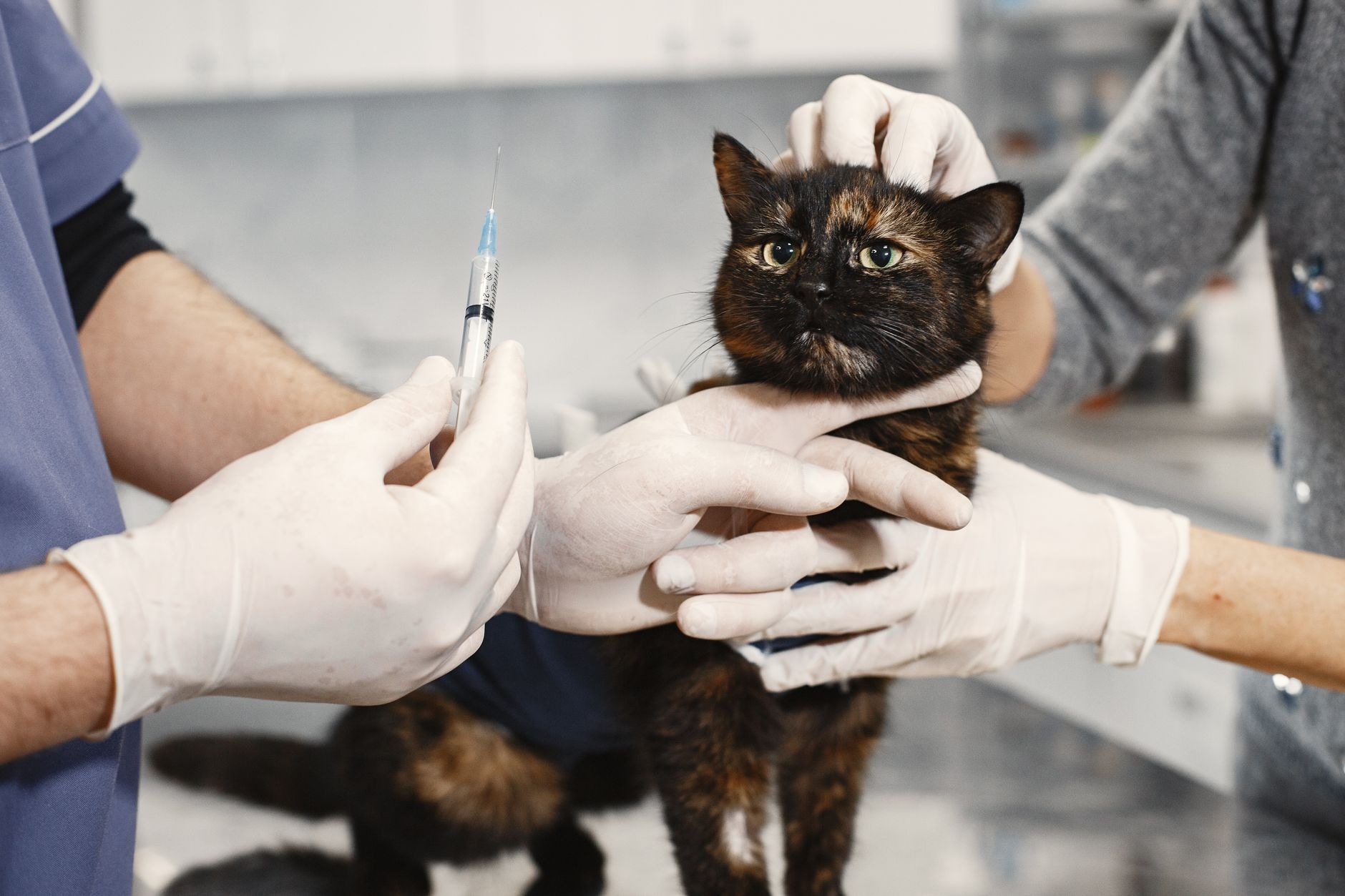
Understand core cat vaccines, kitten timing, reaction warning signs, and the questions that make each appointment more useful.

Learn how to portion cat treats, avoid risky ingredients, and select rewards that fit a cat’s diet and dental-care plan.

Learn how to portion cat treats, spot possible food-related symptoms, avoid common hazards, and respond when a treat causes illness.

Which cat toy parts are truly dangerous, the symptoms that mean a vet call today, and the one thing you must never do if you see string.

What 2026’s recalls and new play research mean for your cat: the real risks, the toys cats engage with, and a routine that works.