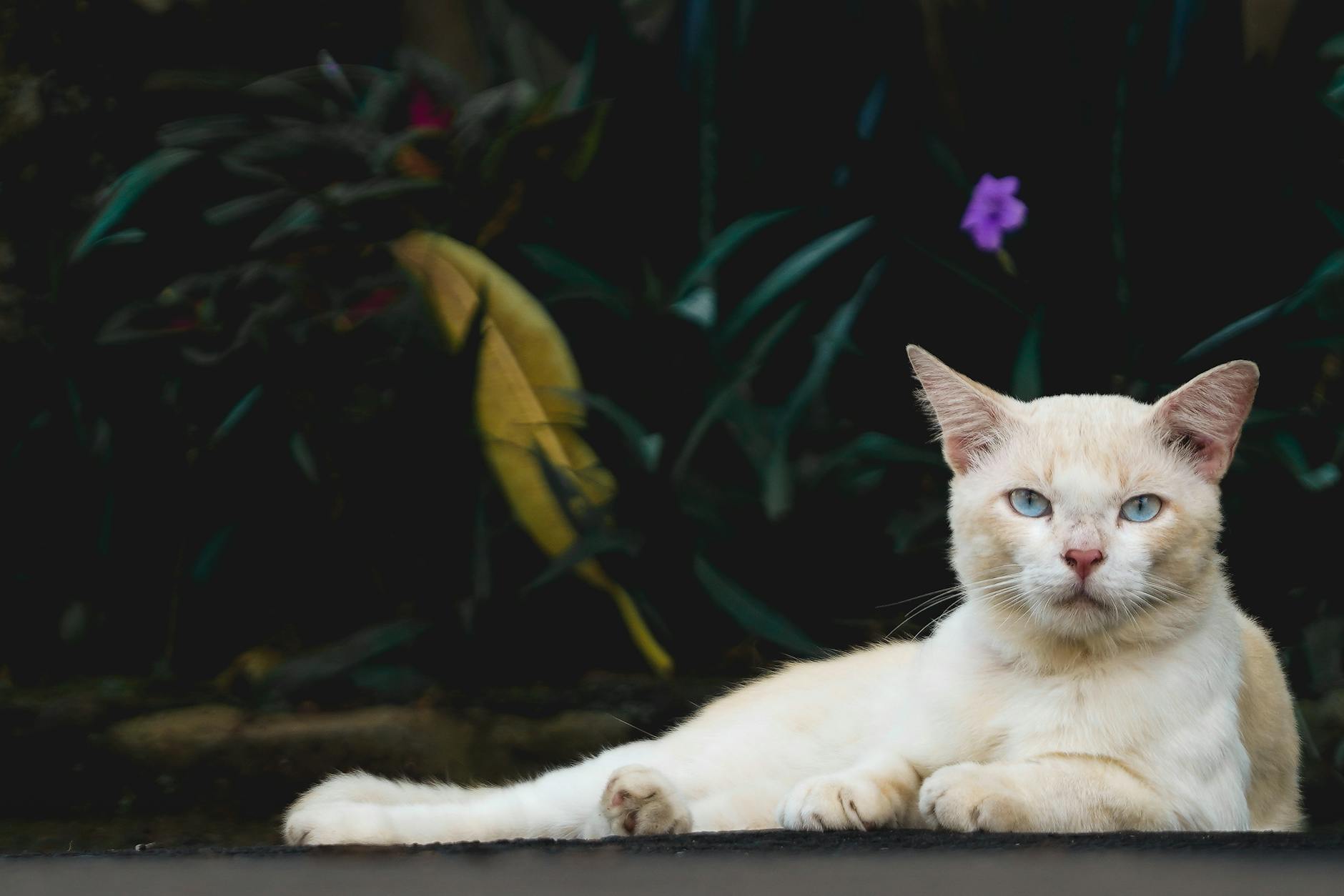
The Birman stands out as the easiest blue-eyed cat breed to care for, combining the aesthetic appeal of brilliant blue eyes with a notably manageable temperament and coat. Unlike many blue-eyed breeds that come with substantial grooming demands or behavioral challenges, Birmans possess a calm, quiet nature that makes them ideal for owners seeking a low-stress feline companion. For example, Birmans vocalize with soft “chirping” sounds rather than the loud, demanding meows associated with Siamese cats, which means fewer attention-seeking interruptions and a more harmonious household.
What makes Birmans particularly attractive to prospective owners is that their luxurious, semi-long coat doesn’t mat as easily as other long-haired breeds, despite its silky appearance. This means less frequent grooming sessions compared to breeds like Persians or Himalayans, yet they still maintain that striking elegance that blue-eyed cats are known for. If you’re drawn to the distinctive blue-eyed appearance in cats but want to avoid the intensive daily grooming routines that some long-haired breeds require, the Birman offers an excellent middle ground.
Table of Contents
- Which Blue-Eyed Cat Breeds Are Easiest to Maintain?
- Grooming Requirements: The Reality of Blue-Eyed Breed Maintenance
- Health Considerations Unique to Blue-Eyed Cats
- Temperament and Daily Care Requirements Beyond Grooming
- Special Health Concerns for White Blue-Eyed Cats
- Comparing Grooming Needs Across Popular Blue-Eyed Breeds
- Making Your Choice: Beyond Eye Color Alone
- Conclusion
Which Blue-Eyed Cat Breeds Are Easiest to Maintain?
Beyond the Birman, a few other blue-eyed breeds stand out for their relative ease of care. The Colorpoint Shorthair—essentially a Siamese variant with a shorter coat—requires significantly less grooming than long-haired alternatives, making it a practical choice for busy owners. Siamese cats themselves, while more vocal than Birmans, are relatively low-maintenance, needing only occasional brushing to remove loose hair. These breeds share a common advantage: their moderate grooming requirements don’t demand the daily commitment that some other blue-eyed varieties require.
The distinction between “easier” breeds becomes clear when you compare Siamese and Colorpoint Shorthairs to their long-haired counterparts. A Siamese owner might brush their cat once or twice weekly, while a Ragdoll or Himalayan owner faces daily grooming sessions to prevent matting. Both Siamese and Colorpoint Shorthairs are also generally more independent and adaptable than some ornamental breeds, meaning they require less intensive play sessions and environmental enrichment to stay content. This makes them suitable for apartment living and less demanding daily schedules.
Grooming Requirements: The Reality of Blue-Eyed Breed Maintenance
Understanding the grooming reality is essential before committing to any blue-eyed breed, as coat care represents the most significant ongoing maintenance difference. Birman cats, despite their semi-long coats, require less intensive grooming than true long-haired breeds—weekly brushing is typically sufficient, with special attention to areas where mats form more easily. However, this is still more demanding than shorthaired alternatives. Persian cats represent the opposite end of the spectrum, requiring daily brushing with meticulous attention to armpits, behind the ears, and the rear end, where mats develop quickly and painfully if neglected.
Ragdolls and Himalayans, both stunning blue-eyed breeds, inherit heavy grooming demands from their long, silky coats. These breeds need frequent brushing not only to maintain their appearance but also to reduce excessive shedding throughout your home. If you work full-time or travel frequently, breeds requiring daily grooming sessions can become overwhelming. The limitation here is practical: a beautiful long-haired breed with blue eyes may look stunning in photos, but the daily commitment might exceed what your lifestyle realistically allows.
Health Considerations Unique to Blue-Eyed Cats
One critical health factor affects many blue-eyed cats, particularly those with white coats: a significantly higher risk of congenital deafness. The same genes responsible for producing blue eyes and white fur can also impact hearing development, meaning white blue-eyed cats face substantially greater odds of being partially or completely deaf. This isn’t a concern for all blue-eyed breeds equally—colored-point breeds like Birmans and Siamese have lower deafness risk due to their darker facial markings—but it’s an essential consideration if you’re considering a white blue-eyed variety like a white Turkish Van or white Cornish Rex.
Beyond hearing, white blue-eyed cats face another serious health threat: sunburn and skin cancer. Their light pigmentation leaves ears and noses vulnerable to ultraviolet damage, potentially leading to squamous cell carcinoma if sun exposure isn’t carefully managed. These cats require pet-safe sunscreen applied to exposed areas and should be kept indoors during peak sun hours or provided with shaded outdoor access. This is more than a minor inconvenience—it’s a lifelong health management requirement that affects daily decisions about your cat’s outdoor time and sun exposure.

Temperament and Daily Care Requirements Beyond Grooming
While grooming gets much of the attention in discussions about cat breed care, temperament significantly impacts overall ease of ownership. Birmans exemplify this balance: their calm, gentle nature means they adapt well to different living situations, interact patiently with families including children, and don’t demand constant entertainment or attention. Siamese cats, by contrast, are intensely social and vocal, requiring more interactive engagement and mental stimulation from their owners. A Siamese will follow you through your home, demand playtime, and communicate frequently—which some owners love but others find exhausting.
All blue-eyed cat breeds, regardless of type, require the same fundamental care standards: regular veterinary visits, dental care, ear cleaning, and appropriate nutrition. However, the emotional demands vary considerably. If you want an independent, lower-maintenance companion with striking blue eyes, a Birman or Colorpoint Shorthair fits that profile. If you prefer a cat that actively seeks your attention and provides constant interactive companionship, a Siamese or Ragdoll might be worth the additional grooming burden. The tradeoff is real: you gain interactive engagement but sacrifice some freedom in your daily schedule.
Special Health Concerns for White Blue-Eyed Cats
White blue-eyed cats represent a specific subset of the blue-eyed cat population with compounded health challenges. Beyond the deafness risk and sun sensitivity mentioned earlier, these cats sometimes experience additional eye health issues, including increased sensitivity to bright light. Indoor-only environments or carefully controlled outdoor access becomes almost mandatory for long-term health.
A white blue-eyed cat might have normal vision, but you’ll need to provide adjustable lighting and minimize sudden bright light exposure to keep them comfortable. The warning here is straightforward: if you’re specifically drawn to white blue-eyed cats for their striking appearance, understand that this aesthetic choice comes with substantial health management responsibilities. Daily sunscreen application, restricted outdoor access, potential hearing accommodations (such as using visual cues for training), and increased veterinary monitoring represent ongoing commitments. Some owners find these manageable; others discover too late that they’ve underestimated the practical demands.
Comparing Grooming Needs Across Popular Blue-Eyed Breeds
A practical comparison helps clarify which breeds actually fit different lifestyles. Siamese and Colorpoint Shorthairs require approximately 1-2 hours of grooming per week combined with normal handling and play. Birmans need 2-3 hours weekly due to their semi-long coat. Ragdolls and Himalayans demand 5-7 hours weekly to prevent matting and manage shedding. For a concrete example: a working professional could realistically maintain a Siamese or Colorpoint Shorthair’s grooming with two 30-minute sessions weekly, perhaps combined with play.
The same person would struggle with a Ragdoll’s daily grooming requirement. This comparison also highlights that “easy to care for” is relative to your circumstances. A retired person might happily spend an hour daily grooming a beautiful Himalayan, finding the ritual meditative and bonding. A busy parent with young children might find even weekly Birman grooming challenging. Your honest assessment of available time matters more than any breed’s “ease” rating.
Making Your Choice: Beyond Eye Color Alone
It’s worth emphasizing that care requirements depend on individual breed characteristics, not eye color itself. The blue eyes that make certain cats visually distinctive don’t determine their grooming needs, health risks, or temperament. A blue-eyed Russian Blue would have different care demands than a blue-eyed Persian, despite both having equally striking eyes.
Similarly, health concerns like deafness and sun sensitivity affect blue-eyed cats variably depending on coat color and genetics, not just eye color. When selecting a blue-eyed breed, prioritize matching the breed’s actual care requirements to your lifestyle rather than choosing based primarily on eye color appeal. Research individual breeds’ specific needs, meet the breed in person if possible, and honestly assess your grooming commitment, living situation, and capacity for potential health management. The easiest blue-eyed cat for you is the one whose complete care profile—grooming, health, temperament, and lifestyle needs—aligns with your actual daily reality.
Conclusion
The Birman emerges as the genuinely easiest blue-eyed cat breed to care for, offering the visual appeal of brilliant blue eyes with a calm temperament, manageable grooming requirements, and fewer health complications than many alternatives. They provide an accessible entry point for owners wanting a beautiful, low-stress blue-eyed companion without the daily grooming demands of Persians or the constant attention-seeking of Siamese cats. However, “easiest” remains contextual.
Your ideal blue-eyed breed depends on your available time, living space, health commitment capacity, and temperament preferences. Take time to research specific breeds, interact with cats of each type, and honestly evaluate what you can realistically maintain for 15-20 years. Doing this groundwork ensures your blue-eyed companion enhances your life rather than becoming a source of frustration.