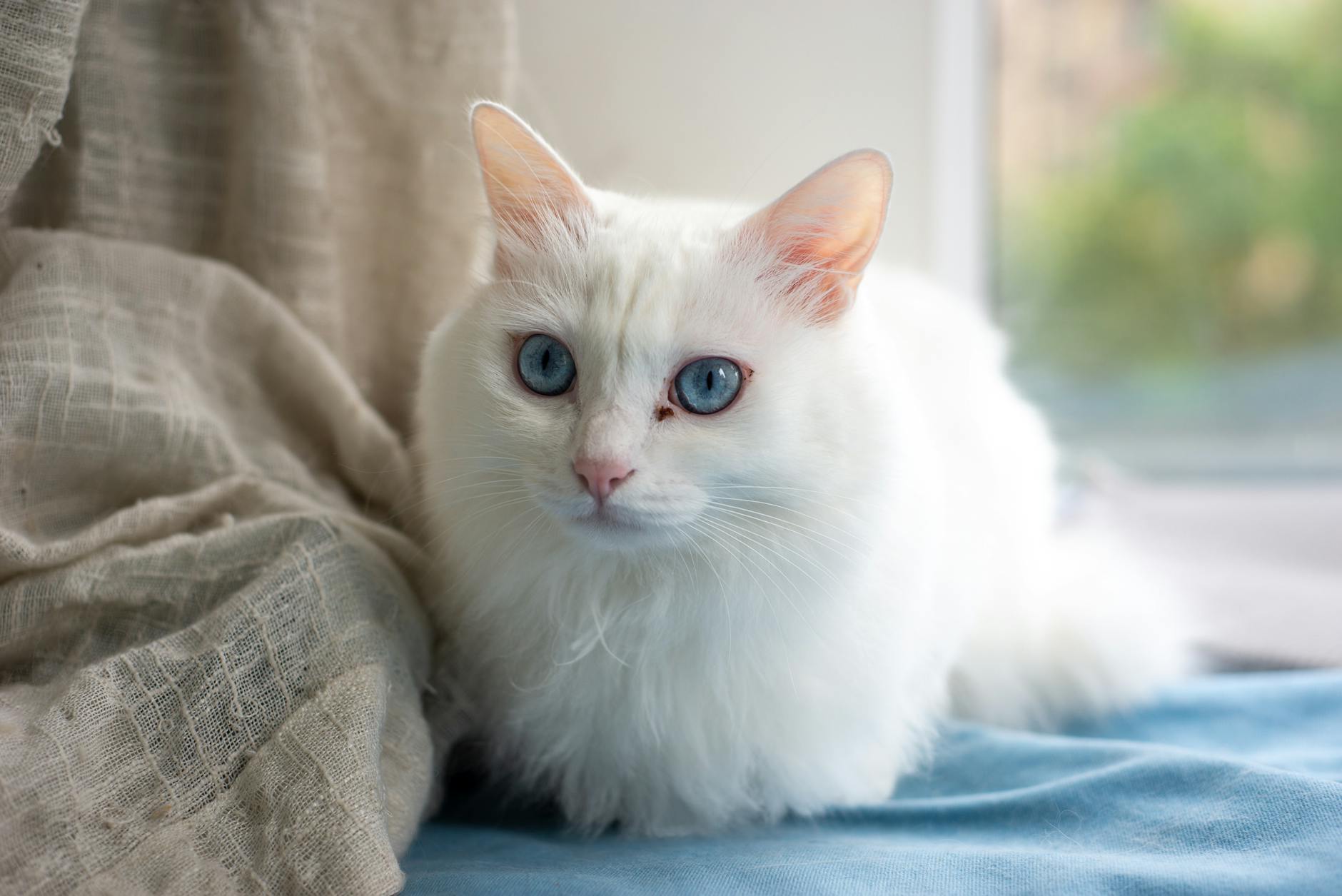
The friendliest blue-eyed cat breeds are the Ragdoll and Siamese, which consistently rank as the most affectionate and social among all feline companions. If you’re searching for a cat that will actively seek your company, follow you around the house, and genuinely enjoy being held and petted, these two breeds deliver personalities that rival many dog owners’ experiences.
A Ragdoll owner, for example, often finds their cat waiting at the door when they come home, then spending the entire evening curled up in their lap—behavior that earns them the nickname of “puppy cats” among breed enthusiasts. Beyond the top two contenders, other blue-eyed breeds like the Birman and Balinese also offer exceptional friendliness, though with slightly different temperament profiles. The key to understanding these breeds is recognizing that their blue eyes are often paired with equally striking social needs and emotional intelligence, making them ideal for people who want an interactive, engaged pet rather than a solitary companion.
Table of Contents
- What Makes Ragdoll and Siamese Cats So Friendly?
- Why These Breeds Stand Out for Affection and Companionship
- Other Friendly Blue-Eyed Options: Birman and Balinese Cats
- How to Choose a Friendly Blue-Eyed Cat for Your Home
- Potential Challenges of Highly Social Blue-Eyed Breeds
- Socializing and Training Friendly Blue-Eyed Cats
- Building a Lasting Bond with Your Blue-Eyed Companion
- Conclusion
What Makes Ragdoll and Siamese Cats So Friendly?
The Ragdoll cat earned its reputation through generations of selective breeding for docile, affectionate traits. These cats are known for their striking sapphire-like eyes and their tendency to go limp when picked up—hence the name “Ragdoll.” Their friendliness isn’t just surface-level; Ragdolls genuinely enjoy human contact and actively participate in family life. A typical Ragdoll will follow family members from room to room, sit on laps for extended periods, and even play fetch like a dog, making them among the most interactive cats you can own.
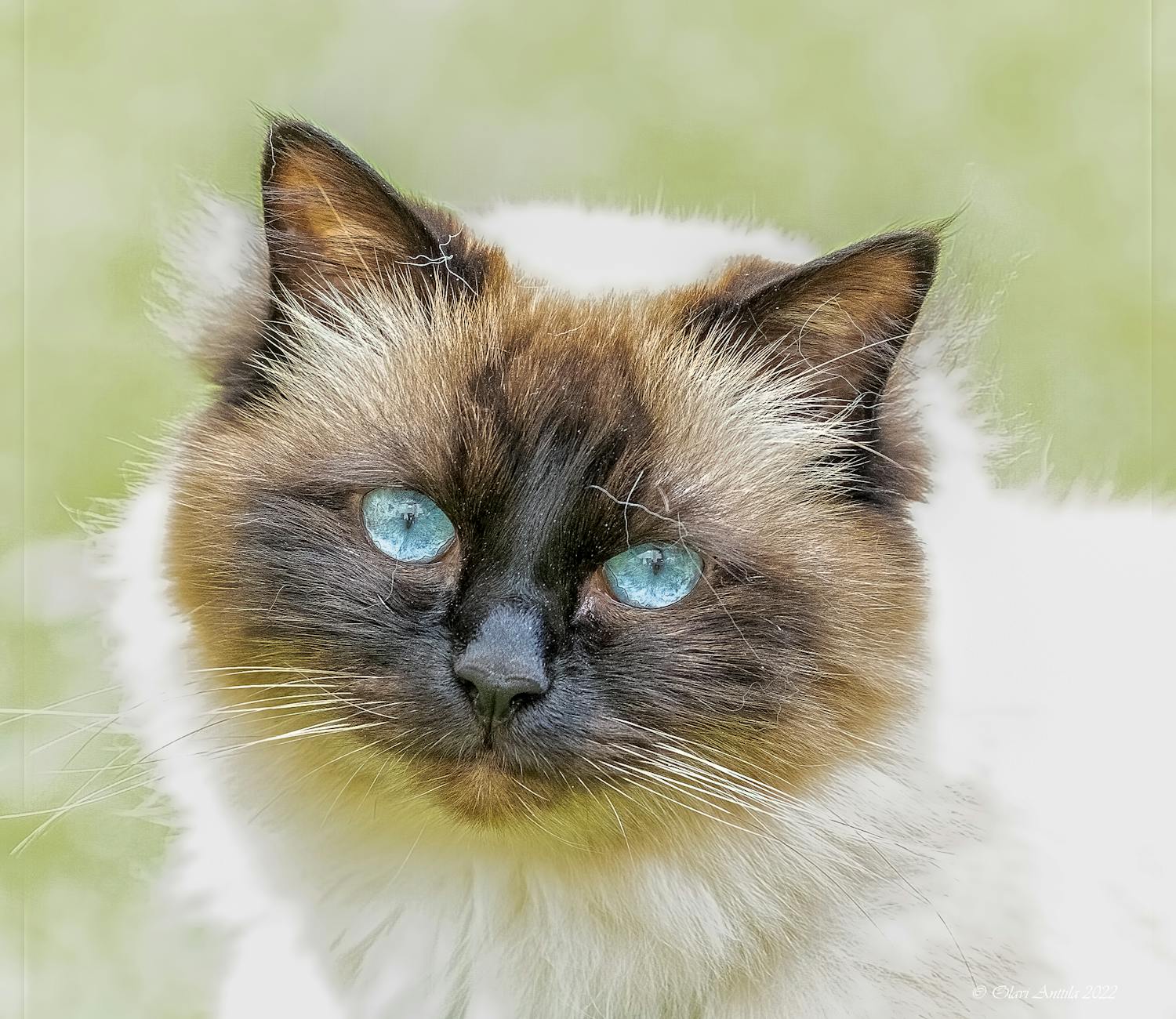
Siamese cats take a different approach to friendliness: they’re social butterflies that thrive on attention and constant interaction. Described as demonstrating strong empathy and loyalty to their owners, Siamese cats are highly vocal and communicative, often “talking” to their humans throughout the day. Where a Ragdoll might be content sitting quietly in your lap, a Siamese is likely to demand conversation and engagement, making them better suited for people who enjoy an interactive, talkative companion.
Why These Breeds Stand Out for Affection and Companionship
The exceptional friendliness of Ragdolls and Siamese cats stems from both genetics and their history as companion breeds. Unlike wildcats or breeds developed primarily for hunting ability, these cats were selectively bred to thrive in human environments and form deep bonds with their owners. A Ragdoll’s relaxed nature and tendency to seek physical contact creates an unusually dog-like relationship with their humans, while a Siamese’s vocal, engaged personality means they’re constantly communicating their affection and needs.
One important limitation to consider is that these highly social breeds suffer greatly from loneliness and separation anxiety. A Ragdoll or Siamese left alone for extended periods may develop behavioral problems, become destructive, or experience stress-related health issues. If you work long hours or travel frequently, you’ll need to arrange for mid-day companionship, multiple toys and enrichment, or consider adopting a second cat to prevent your blue-eyed friend from becoming depressed or anxious.
Other Friendly Blue-Eyed Options: Birman and Balinese Cats
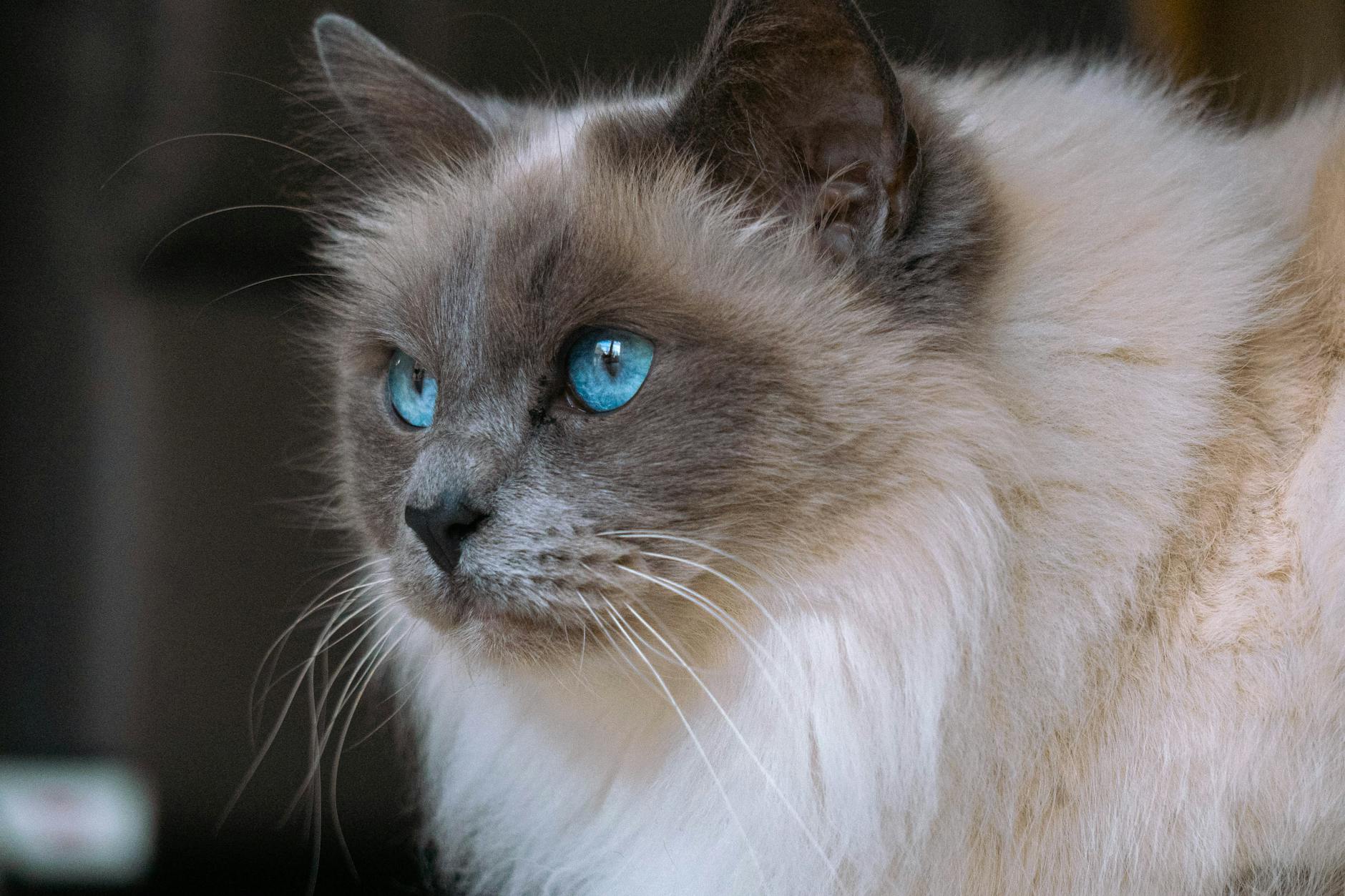
While Ragdolls and Siamese dominate the friendliness rankings, Birmans offer a gentler, more balanced approach to affection. Originally bred to be companions and described as happiest when spending time with humans, Birmans combine playfulness with a calmer temperament than Siamese cats.
They enjoy human interaction but are somewhat less demanding of constant attention, making them a good middle ground for people who want an affectionate cat without the intensity of a Siamese’s vocal demands or the dependency of a Ragdoll’s separation anxiety. Balinese cats, closely related to Siamese, are extremely friendly toward their owners and willing to “shower anyone who gives them attention in lots of love.” Balinese cats share the Siamese’s social nature but often with a slightly softer personality and less demanding vocalization. A Balinese owner should still prepare for an engaged, attentive companion, but they may find their cat’s personality slightly less intense than a purebred Siamese while still maintaining that striking blue-eyed appearance and friendly disposition.
How to Choose a Friendly Blue-Eyed Cat for Your Home
Selecting between these breeds depends largely on your lifestyle and personality type. If you work from home or have flexible schedules, a Ragdoll’s need for constant companionship is less problematic and their affectionate lap-cat nature will be a joy. If you actively enjoy communication and interaction, a Siamese’s talkative personality will feel like having a furry roommate who responds to your presence.
For those who want friendliness without maximum intensity, Birmans and Balinese cats offer a slightly more independent approach while still being highly affectionate and engaged. When comparing actual cats in these breeds, individual personality varies significantly. Some Ragdolls are more independent than average, and some Siamese are quieter than the stereotype suggests. The best approach is to meet individual cats before committing to an adoption, spending time with them to gauge their actual temperament and seeing whether their energy level and need for interaction match your household.
Potential Challenges of Highly Social Blue-Eyed Breeds
The same traits that make Ragdolls and Siamese so friendly can become problematic if not properly managed. These breeds demand mental stimulation, interactive play, and regular human contact; without these things, they may develop behavioral issues such as excessive meowing, destructiveness, or inappropriate elimination. A Siamese cat left bored and unstimulated may become vocal to the point of disturbing neighbors or family members, while a neglected Ragdoll may become withdrawn or anxious.
Another consideration is the potential health implications of their breeding. Some blue-eyed cat breeds, particularly certain white-coated varieties, can carry genetic deafness. While this isn’t universal among blue-eyed breeds like Ragdolls and Siamese, it’s worth discussing with breeders and getting hearing tests performed on kittens. Additionally, the very traits that make these cats friendly—their trust in humans and lack of aggression—can make them vulnerable if allowed outdoors, as they’re more likely to approach strangers or unfamiliar situations without appropriate caution.
Socializing and Training Friendly Blue-Eyed Cats
Ragdolls, Siamese, Birmans, and Balinese cats benefit enormously from early socialization with multiple people, environments, and experiences. These breeds are naturally inclined toward human bonding, so proper socialization typically reinforces their positive traits rather than having to build friendliness from scratch. A Ragdoll kitten raised with consistent, gentle handling will develop into an adult cat that’s comfortable being held, played with, and integrated into family activities.
Training these intelligent breeds is surprisingly straightforward because they’re motivated by social interaction and attention. Siamese cats can learn to come when called, walk on harnesses, and respond to commands, while Ragdolls can be taught to fetch or play interactive games. This trainability further deepens the bond between cat and owner, creating a truly interactive pet relationship.
Building a Lasting Bond with Your Blue-Eyed Companion
The friendliness of Ragdolls, Siamese, Birmans, and Balinese cats creates opportunities for unusually deep human-pet relationships compared to more independent cat breeds. These cats will likely become genuine emotional companions in your home, attuned to your moods and actively seeking to be near you.
This level of connection requires commitment and understanding—these cats are not low-maintenance pets, but rather family members who rely on you for their emotional well-being. As cat ownership evolves and more people seek emotional support and companionship from their pets, blue-eyed friendly breeds are increasingly popular choices for those wanting more dog-like engagement from a feline companion. The key to success is going in with realistic expectations about their social needs and being prepared to provide the consistent attention and interaction these extraordinary cats require.
Conclusion
If you’re looking for the friendliest blue-eyed cat breed, the Ragdoll and Siamese represent the gold standard, each offering exceptional affection and companionship in slightly different ways. Ragdolls provide lap-cat contentment and dog-like loyalty, while Siamese deliver vocal, engaged companionship and constant interaction.
For those seeking friendliness with a slightly more balanced temperament, Birmans and Balinese cats offer excellent alternatives. When choosing a blue-eyed cat, remember that friendliness comes with responsibilities—these breeds need significant human interaction, mental stimulation, and emotional engagement to thrive. If you can commit to providing an interactive, involved household environment, a friendly blue-eyed cat will reward you with a bond that transcends typical pet-owner relationships and creates a genuinely companionable presence in your home.