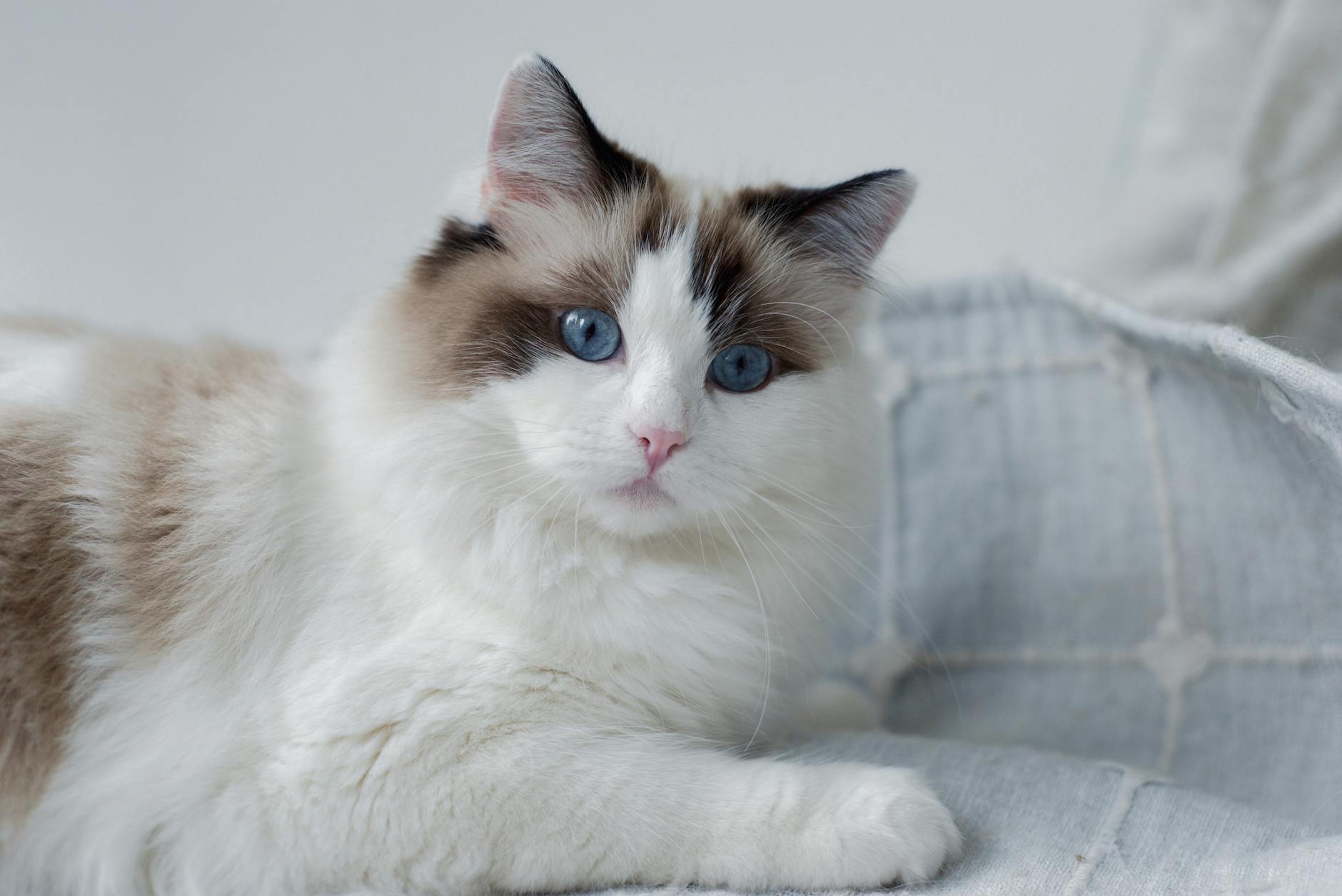
The best blue-eyed cat breed for apartment living is the Ragdoll, known for its calm temperament, moderate activity level, and exceptional adaptability to confined spaces. Ragdolls are large cats that somehow make themselves fit gracefully into small apartments because they prefer lounging with their owners to exploring territory. Unlike more energetic blue-eyed breeds like the Tonkinese or Balinese, Ragdolls are content to spend hours on a lap or nearby, making them ideal for apartment dwellers who want a companion without the constant activity and noise that challenges apartment living.
Other excellent blue-eyed apartment options include the Birman and Snowshoe breeds, each offering different personality advantages depending on your lifestyle. The key to success with any blue-eyed breed in an apartment is understanding that eye color correlates with specific breed traits—Siamese-descended breeds tend to be vocal, while Ragdolls and Birmans lean toward quieter, more laid-back personalities. Size, noise level, and exercise requirements vary considerably among blue-eyed breeds, so matching the breed’s temperament to apartment life is more important than the striking blue eyes themselves.
Table of Contents
- What Makes a Blue-Eyed Cat Breed Apartment-Friendly?
- Temperament and Vocalization: The Hidden Challenge
- Size and Space Requirements in Apartments
- Choosing Between Ragdoll, Birman, and Snowshoe for Your Apartment
- Health Considerations Specific to Apartment Living
- Color Genetics and Eye Clarity
- Adoption and Long-Term Apartment Success
- Conclusion
What Makes a Blue-Eyed Cat Breed Apartment-Friendly?
Not all blue-eyed breeds suit apartment living equally. The critical factors are noise level, activity requirements, space needs, and how the breed interacts with boundaries. Siamese and Balinese cats, while stunning with their blue almond-shaped eyes, are exceptionally vocal and require extensive environmental enrichment and interaction. A vocal Siamese in a thin-walled apartment can create friction with neighbors within weeks, whereas a quiet Birman in the same space causes no complaints.
Activity level matters significantly in apartments. The Tonkinese, a Siamese hybrid, is athletic and inventive with toys—this breed needs vertical space, puzzle feeders, and interactive play sessions to avoid boredom-driven destructive behavior. Compare this to the Ragdoll, which enjoys play but is fundamentally a lounger that needs far less stimulation. Apartment living naturally limits a cat’s ability to roam, patrol territory, and burn energy through outdoor exploration, so apartment cats should be breeds that thrive on attention and companionship rather than independence and activity.

Temperament and Vocalization: The Hidden Challenge
Temperament determines daily life in shared walls far more than breed appearance. The Russian Blue is sometimes mistaken for a blue-eyed breed (though its eyes are typically green), but the real issue with many blue-eyed breeds is inherited vocalization. Siamese-descended cats—including the Tonkinese, Balinese, and Javanese—carry genes for constant vocalization that no amount of training fully suppresses. A Tonkinese may “talk” during feeding, playtime, when you come home, and sometimes apparently at random during the night.
The Ragdoll and Birman, while sometimes vocal, are significantly quieter than their Siamese relatives. However, a real limitation of Birmans is their stubborn independence—they’re affectionate but on their own schedule, and they may resist being confined to small spaces if they don’t feel like spending time with you. Snowshoes split the difference: they’re moderately vocal and moderately social. If apartment walls are thin or if you work from home with noise-sensitive video calls, the Ragdoll’s quiet nature becomes invaluable. If you live in a well-insulated building, the more vocal breeds become manageable.
Size and Space Requirements in Apartments
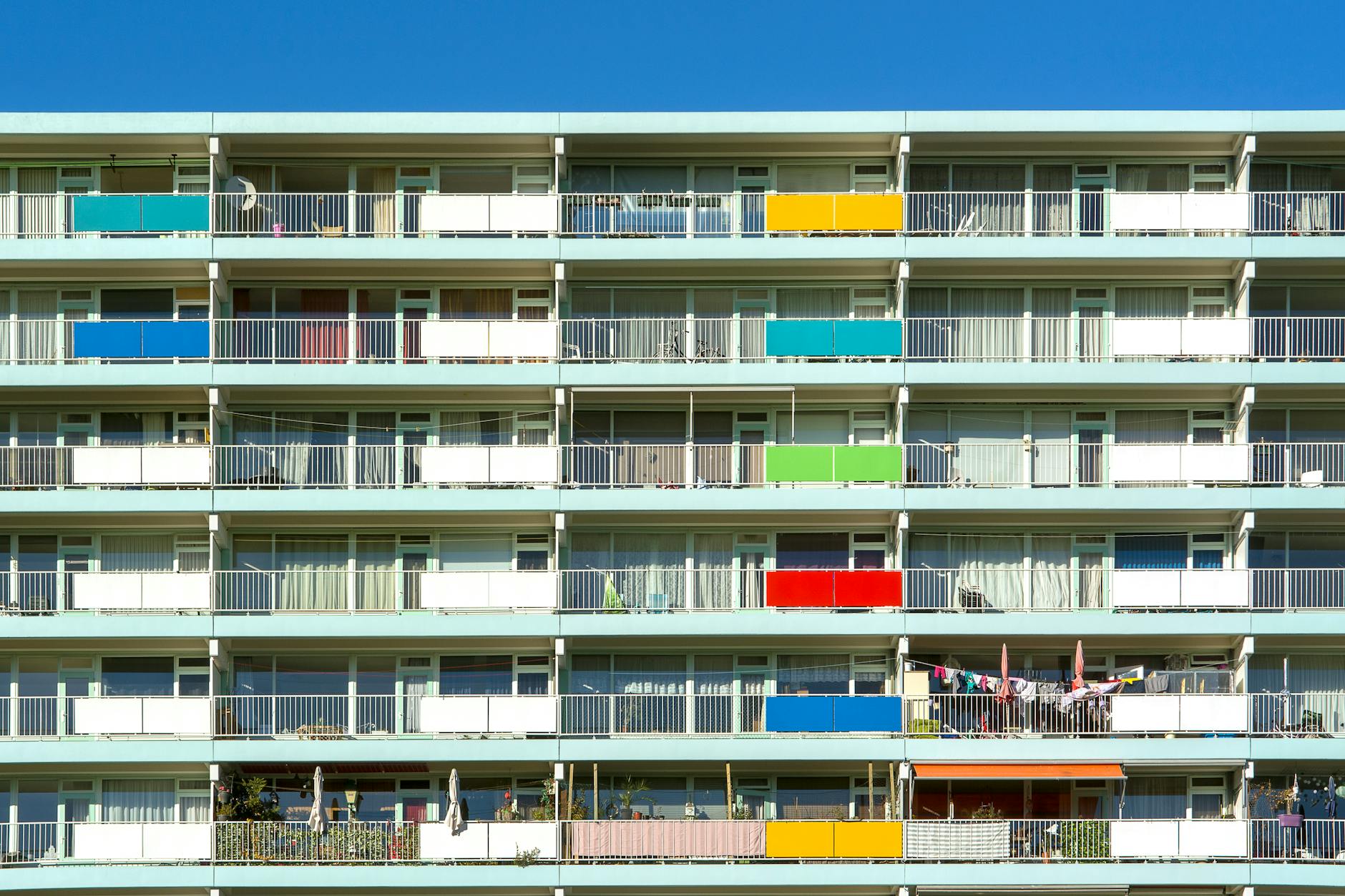
Blue-eyed cat breeds vary considerably in size, from the compact Snowshoe (7-10 pounds) to the substantial Ragdoll (10-20 pounds). Apartment constraints aren’t primarily about floor space—cats are three-dimensional and use vertical space. A studio apartment with wall-to-wall bookshelves, cat trees, and wall-mounted shelves provides adequate space even for a large Ragdoll. A spacious one-bedroom without vertical enrichment leaves a small active breed feeling confined.
The Ragdoll’s size is deceptive; these cats are long and lanky rather than dense, and they occupy space vertically without dominating a room. Birmans are similar—elegant and lean. The Snowshoe and Tonkinese are smaller but far more active, requiring more absolute vertical territory and enrichment to remain content. An apartment without window perches, multiple levels, or climbing structures is unsuitable for any of these breeds regardless of size, while an apartment with thoughtful enrichment can comfortably house even the largest Ragdoll.
Choosing Between Ragdoll, Birman, and Snowshoe for Your Apartment
The Ragdoll is the safest choice for first-time apartment cat owners because the breed’s low activity level and people-focused personality forgive modest enrichment and unavoidable noise. Ragdolls follow owners from room to room, lounge nearby during work calls, and generally accept apartment boundaries without frustration. They’re less demanding of attention than they appear—their presence is often sufficient.
The Birman offers more independence with similar calmness; if you prefer a cat that entertains itself more, the Birman is excellent but requires accepting less on-demand affection. The tradeoff is that Birmans can be aloof and harder to train to apartment behaviors like using scratching posts consistently. The Snowshoe bridges these breeds—more active than a Ragdoll, less aloof than a Birman, with moderate vocalization. Snowshoes need more interactive play, but they’re small enough that their activity doesn’t create noise issues, and they’re affectionate enough to enjoy apartment companionship without demanding constant engagement.
Health Considerations Specific to Apartment Living
Apartment living can mask health issues because confined space reduces visible activity levels. A Ragdoll with arthritis or a Birman with kidney disease might not show obvious signs of declining mobility in a small apartment, whereas the same cat in a larger space might clearly move less. Regular veterinary checkups become more important in apartments where subtle changes go unnoticed.
Additionally, apartment stress from noise, lack of territory, or incompatible housemates can trigger urinary issues, especially in blue-eyed breeds descended from the stress-sensitive Siamese line. Birmans are predisposed to kidney disease and Ragdolls to hypertrophic cardiomyopathy, both conditions that worsen under stress. Apartment living itself isn’t a health risk, but the confined stress response in an inappropriate apartment can accelerate these breed-specific conditions. Warning: never adopt a Tonkinese or Balinese if you can’t commit to daily interactive play, as boredom-related stress in these active breeds can cause behavioral and health problems that frustrate apartment living.
Color Genetics and Eye Clarity
Blue eyes in cats are linked to the colorpoint and white spotting genes, which explains why most blue-eyed breeds are either Siamese descendants (colorpoint) or Birmans (white spotting). The Ragdoll combines both genes, producing the characteristic bright blue eyes. Interestingly, the Ojos Azules breed was specifically bred for blue eyes without colorpoint coloring, but Ojos Azules are rare and less commonly found in shelters, making them harder to adopt in most regions.
Eye clarity and depth of color vary among individuals—not every Ragdoll or Birman has the brilliant blue eyes of championship show cats. This is purely cosmetic and doesn’t affect the cat’s suitability for apartment living, but it’s worth knowing that pet-quality cats are often less expensive and equally healthy. Some Ragdolls develop a greenish tint to their blue eyes with age, a normal aging process that doesn’t indicate disease.
Adoption and Long-Term Apartment Success
Finding a blue-eyed apartment cat is easier through breed-specific rescues than shelters, though Ragdolls and Birmans occasionally end up in regular rescues when owners underestimate long-term costs or commitment. Breed-specific rescues can provide detailed information about individual cats’ personalities—knowing whether a specific Ragdoll is chatty or silent, affectionate or standoffish, makes matching to apartment life far more reliable than adopting based on breed alone.
The future of apartment cat ownership increasingly emphasizes enrichment over space, suggesting that high-quality small apartments with thoughtful design can provide excellent homes for blue-eyed breeds. As remote work normalizes, quiet apartment cats like Ragdolls become increasingly valuable companions. Building relationships with breed-specific rescues and breeders ensures long-term success; reputable sources will support you if the adoption doesn’t work out and can help troubleshoot apartment-related issues.
Conclusion
The Ragdoll represents the gold standard for blue-eyed apartment cats due to its combination of calm temperament, people-focused personality, quiet nature, and acceptance of confined spaces. If a Ragdoll’s long coat and grooming requirements aren’t feasible, the Birman and Snowshoe offer solid alternatives with different personality balances. The critical mistake is choosing based purely on appearance—the striking blue eyes that make these breeds desirable should never outweigh assessment of the breed’s activity level, vocalization, and emotional needs.
Before adopting any blue-eyed breed, honestly assess your apartment’s soundproofing, your commitment to daily enrichment and play, your tolerance for grooming, and your available time for companionship. Apartment living can be ideal for the right breed-person match and deeply frustrating for the wrong one. Connect with breed-specific rescues, ask detailed questions about individual cats’ personalities, and choose a cat whose temperament fits your apartment’s reality, not the breed’s theoretical ideal.