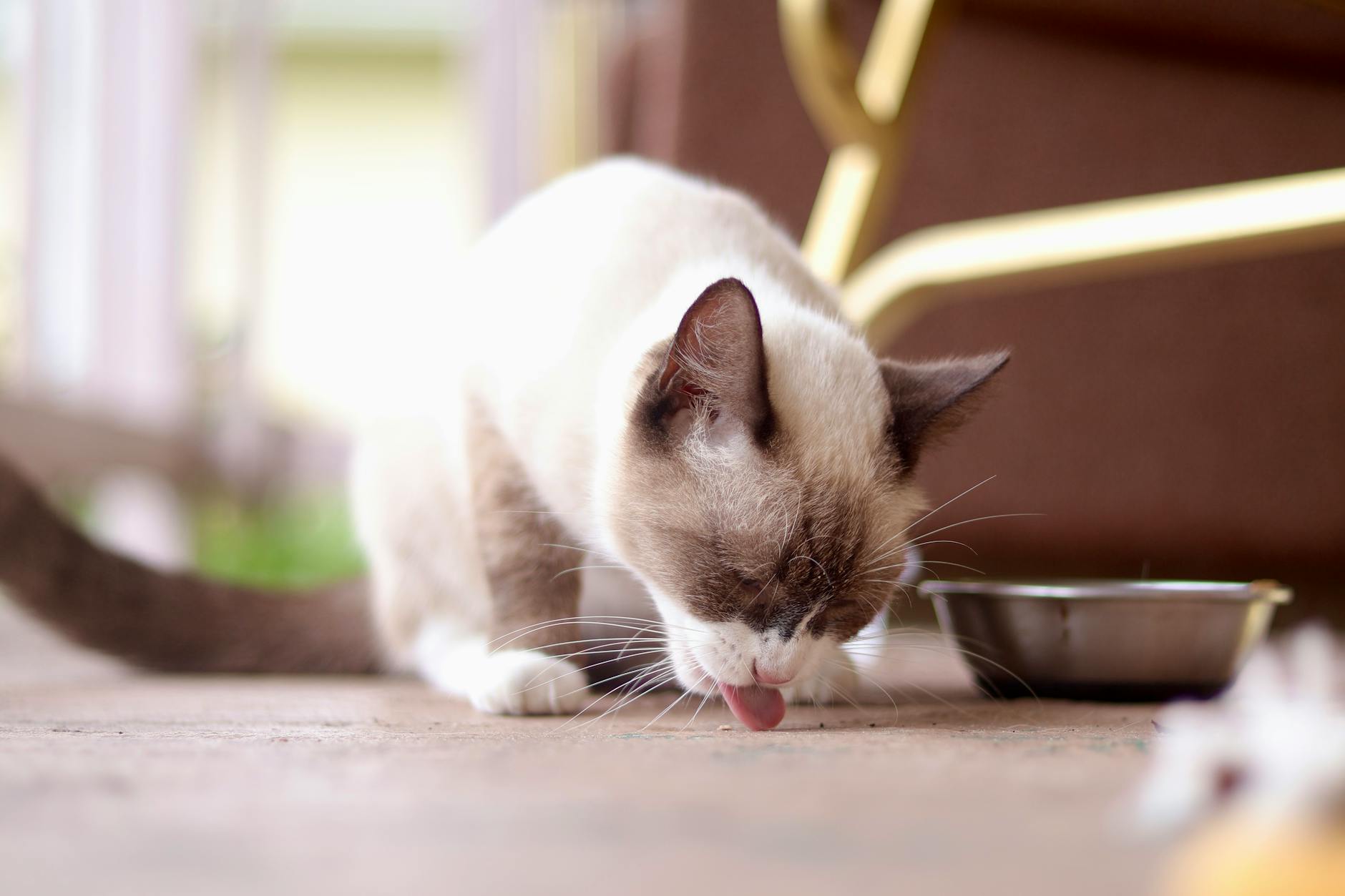
No, it is not safe for cats to lick bowls with salsa. While a small taste of plain salsa might not cause immediate harm to most cats, regular salsa consumption poses real health risks that owners should take seriously. Even a few licks from a salsa bowl can expose your cat to onions, garlic, and excess salt—all substances that can damage their red blood cells, upset their digestive system, and lead to electrolyte imbalances.
If your cat grabbed a quick lick from your dinner bowl while you were eating, don’t panic, but do monitor them closely for signs of distress over the next 24 to 48 hours. The safest approach is to prevent access entirely. Cats are curious animals, and what seems like an innocent taste can escalate into a habit if they discover they enjoy the flavors or textures. More importantly, the ingredients commonly found in salsa—particularly onions and garlic, whether raw or cooked—contain compounds called thiosulfates that are toxic to felines and can lead to hemolytic anemia if ingested in sufficient quantities.
Table of Contents
- What Makes Salsa Dangerous for Cats?
- Onion and Garlic Toxicity in Cats
- Signs Your Cat May Have Ingested Salsa
- Prevention Strategies and Safe Alternatives
- What to Do If Your Cat Has Already Licked Salsa
- Other Foods with Similar Risks
- Building Healthy Eating Habits With Your Cat
- Conclusion
- Frequently Asked Questions
What Makes Salsa Dangerous for Cats?
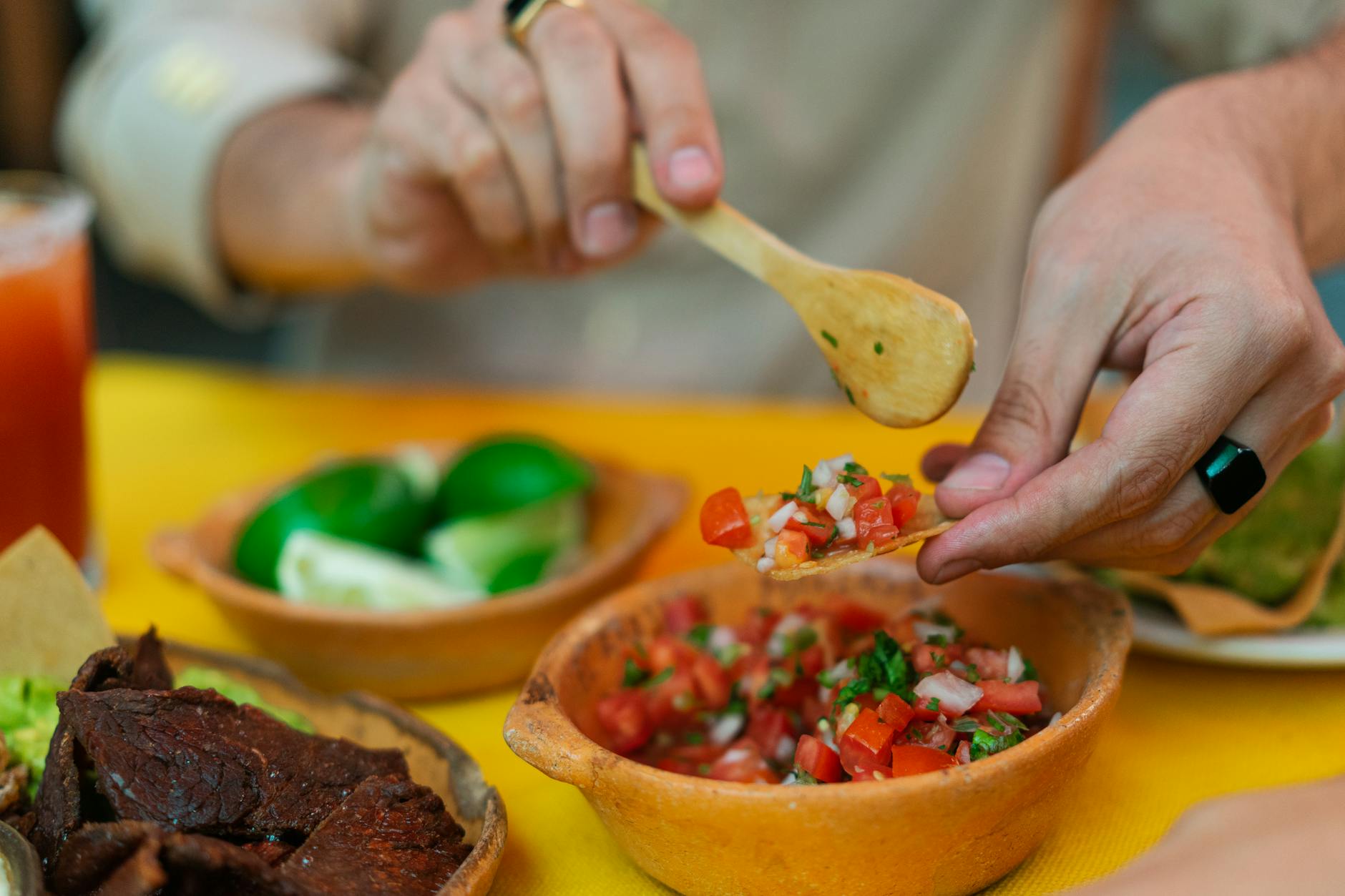
Salsa is fundamentally incompatible with feline diets because of its core ingredients. The fresh tomatoes, while relatively low in toxins, become problematic when combined with onions and garlic, which are present in nearly every commercial and homemade salsa recipe. A typical bowl of salsa might contain one or more cloves of minced garlic and a quarter to a half onion, neither of which belongs in your cat’s digestive system. Even salsa made without visible chunks of onion or garlic often includes these ingredients blended throughout, making it difficult to know exactly what your cat is consuming.
The spice profile of salsa also presents challenges. Jalapeños, cilantro, lime juice, and hot peppers can irritate a cat’s mouth and stomach lining, and the acid content can cause gastrointestinal upset. cats lack many of the taste receptors that humans have and don’t perceive spice the way we do—to them, it’s simply an irritant. Additionally, commercial salsas often contain added sugars and excessive sodium, neither of which cats need and both of which can contribute to obesity and hypertension over time.
Onion and Garlic Toxicity in Cats
The real danger in salsa lies with alliums—the family of plants that includes onions, garlic, leeks, and chives. These vegetables contain compounds called thiosulfates that damage the walls of feline red blood cells, leading to a condition called Heinz body anemia. A cat doesn’t need to consume a huge quantity for damage to occur; depending on the cat’s size and overall health, even moderate exposure can trigger problems. For a typical 10-pound cat, consuming as little as a quarter of a medium onion could potentially cause issues, though the exact threshold varies.
The challenge is that the toxicity is cumulative and not immediately visible. A cat might seem fine after licking a salsa bowl, showing no symptoms for several days, only to begin displaying weakness, lethargy, and pale gums as their red blood cell count drops. Cooked onions and garlic are slightly less potent than raw ones, but they’re still toxic and shouldn’t be offered intentionally. This is one of the most important limitations cat owners face: the damage from alliums happens internally and progressively, making it easy to underestimate the danger if your cat shows no immediate reaction.
Signs Your Cat May Have Ingested Salsa
If your cat has had access to salsa, watch for specific warning signs over the next few days. Early symptoms include loss of appetite, lethargy, vomiting, and diarrhea—all signs that something has upset their digestive system. As the condition potentially worsens, you might notice your cat’s gums becoming pale or whitish instead of their normal pink color, which indicates anemia. Cats may also develop a yellowish tint to their gums and eyes if liver involvement occurs, though this is less common with acute salsa exposure.
Some cats will show behavioral changes before physical symptoms become obvious. They might hide more than usual, refuse to engage in play, or spend excessive time by their water bowl due to mild dehydration. Breathing difficulties or rapid breathing can also indicate that their oxygen-carrying capacity has been compromised. The key is to act quickly if you notice any of these signs; a veterinary visit within 24 hours of potential ingestion is far better than waiting to see if symptoms develop. Your vet can run a blood test to check red blood cell count and rule out other conditions.
Prevention Strategies and Safe Alternatives
The most effective approach is simple prevention. Keep salsa bowls, chips and dips, and all Mexican food far away from areas where your cat spends time. This means securing bowls during meals, cleaning up immediately after eating, and storing leftovers in sealed containers on upper shelves or in the refrigerator. Many cat owners find that designating a cat-free zone during mealtimes—using a closed door or baby gate—eliminates the temptation entirely.
Unlike dogs, cats generally respect boundaries and won’t persistently try to access food they can’t see or reach. If your cat seems interested in human food, redirect that curiosity toward safe alternatives. small amounts of plain cooked chicken, turkey, or fish make excellent treats that satisfy their desire to share your meals without the health risks. You can also offer a small bowl of water near your dining area so your cat has something to “participate in” during your meal. The tradeoff is minimal—you get peace of mind, and your cat still feels included in your family’s eating routine.
What to Do If Your Cat Has Already Licked Salsa
If you discover your cat has licked a salsa bowl, the first step is to remain calm. A single lick is unlikely to cause serious harm, especially if the salsa was mild and the amount was minimal. However, you should still take action. Contact your veterinarian and describe exactly what your cat consumed—how much, what type of salsa, and whether it contained visible onion or garlic chunks. Provide your cat’s weight, age, and any pre-existing health conditions, as these factors influence how seriously the vet will take the exposure.
Don’t wait for symptoms to appear before seeking advice. Veterinarians can induce vomiting within the first 2 to 4 hours of ingestion to remove the salsa from your cat’s stomach, which significantly reduces the risk of absorption. If more than 4 hours have passed, your vet might recommend activated charcoal to bind any toxins in the digestive tract. The limitation here is that inducing vomiting carries its own risks, particularly for very young kittens or elderly cats, so your vet will weigh the benefits against potential complications. In most cases of minor exposure, the approach is monitoring rather than aggressive intervention.
Other Foods with Similar Risks
Salsa isn’t the only human food that poses problems due to onion and garlic content. Guacamole, while not containing alliums itself, is often served alongside salsa and can contain onion and garlic as well. Cooked dishes like French onion soup, certain pizzas with garlic bases, and even some baby foods contain these ingredients and should never be shared with cats.
Interestingly, many owners don’t realize that powdered garlic and onion powder—found in seasoning mixes and processed foods—are actually more concentrated and therefore more dangerous than fresh versions. A cat licking a bowl that contained food dusted with garlic powder could ingest a higher concentration of thiosulfates than from fresh salsa. Even seemingly innocent foods like chicken broth or meat gravy from restaurant meals can pose risks if they’re seasoned with garlic or onion. This is why the safest rule is simple: if human food contains seasonings or ingredients you’re unsure about, don’t let your cat have any.
Building Healthy Eating Habits With Your Cat
Creating a household culture where cats aren’t expected or allowed to share human food reduces both nutritional confusion and health risks. Cats have completely different dietary requirements than humans, and their ancestors never evolved to process the fats, sugars, and seasonings common in prepared human meals.
By establishing clear boundaries around meals, you’re actually supporting your cat’s long-term health and preventing a range of issues beyond salsa-related concerns. Consider that teaching your cat to avoid human food now prevents future problems with chocolate, xylitol, grapes, and other common household items that are toxic to cats. Many veterinarians note that cats with the fewest health issues are those raised in homes where human food is simply off-limits, not a constant temptation.
Conclusion
Salsa is not safe for cats, and the risks outweigh any perceived benefits. The onions and garlic in salsa can damage your cat’s red blood cells, the spices can irritate their digestive system, and the sodium and acids are unnecessary for their diet. Prevention through secure storage and meal-time boundaries is far easier and more effective than dealing with potential poisoning symptoms.
If your cat has already had access to salsa, monitor them carefully and contact your veterinarian if you notice any changes in behavior or health. Your cat’s long-term wellness depends on the choices you make about what they’re exposed to in your home. By keeping salsa and similar foods out of reach, you’re taking one of the simplest and most important steps toward ensuring your cat lives a healthy, vibrant life alongside your family.
Frequently Asked Questions
Is a single lick of salsa going to poison my cat?
A single lick is unlikely to cause severe poisoning, but it’s still not safe. The risk depends on your cat’s size, the amount consumed, and the salsa’s specific ingredients. Smaller cats and kittens face greater relative risk than larger adult cats.
What if the salsa doesn’t contain onions or garlic?
Even without onions or garlic, salsa poses problems due to spices, acidity, and high sodium content. Plain salsa is slightly safer than versions with visible alliums, but it’s still not recommended for cats.
How long does it take for salsa poisoning symptoms to appear?
Symptoms can appear within a few hours for severe cases, but more commonly develop over 24 to 72 hours. Some cats may show no symptoms for several days while damage accumulates internally.
Can I give my cat salsa without the onions and garlic?
You could theoretically make a salsa with just tomatoes, cilantro, lime, and salt, but there’s no nutritional benefit for cats. Plain chicken or fish is a far better choice if you want to share food with your cat.
Should I induce vomiting if my cat licked salsa?
Only your veterinarian should make this decision. Contact them immediately with details about the exposure, and they’ll advise whether inducing vomiting is appropriate based on the amount consumed and time elapsed.
Are there any safe Mexican foods I can share with my cat?
Plain cooked chicken, turkey, or fish without any seasoning or sauce is fine. Avoid anything with garlic, onion, spices, beans, or high sodium content.