
No, it is not safe for cats to lick bowls with guacamole. Guacamole’s primary ingredient—avocado—contains a compound called persin that can cause serious health problems in cats, ranging from vomiting and diarrhea to more severe complications. Even small amounts matter; a cat that licks a bowl containing avocado residue risks toxicity, though the severity depends on how much guacamole was present and the cat’s size and individual sensitivity. If your cat has just licked an empty or nearly-empty guacamole bowl, monitor them closely for signs of illness over the next 24 hours.
The danger extends beyond just the avocado itself. Most guacamole recipes include ingredients like lime juice, onion, garlic, salt, and sometimes peppers—all of which are problematic for cats. While the avocado poses the primary toxicity concern, these additional components create a compounding risk that makes guacamole one of the worst human foods a cat can ingest. Understanding why guacamole is dangerous and knowing how to respond if your cat gets into it is essential for responsible cat ownership.
Table of Contents
- What Makes Guacamole Toxic to Cats
- The Full Spectrum of Ingredients in Guacamole
- Recognizing Guacamole Poisoning Symptoms in Cats
- Immediate Steps to Take If Your Cat Eats Guacamole
- Long-Term Effects and Ongoing Risk
- Safer Alternatives for Your Cat’s Palate
- Building Household Awareness and Prevention
- Conclusion
- Frequently Asked Questions
What Makes Guacamole Toxic to Cats
Avocado contains persin, a fungicidal toxin found in the fruit, pit, leaves, and stems of avocado plants. When cats consume persin, it affects the lining of their digestive tract and can damage the heart muscle itself. The toxin is believed to interfere with heart function by affecting potassium and sodium balance in the body. While dogs are also susceptible to avocado toxicity, cats may be even more sensitive due to their smaller size and different metabolic pathways—meaning even trace amounts in guacamole can potentially cause problems.
The concentration of persin in the avocado flesh is lower than in the pit or leaves, which is why guacamole (made from the flesh) poses a somewhat lower risk than a cat eating a whole avocado. However, this does not make it safe. A cat weighing 10 pounds ingesting even a tablespoon or two of guacamole could experience mild to moderate symptoms. The challenge is that most cat owners don’t know exactly how much their cat consumed, making the situation stressful and potentially dangerous—what seems like a small lick to you might involve more exposure than you realize.
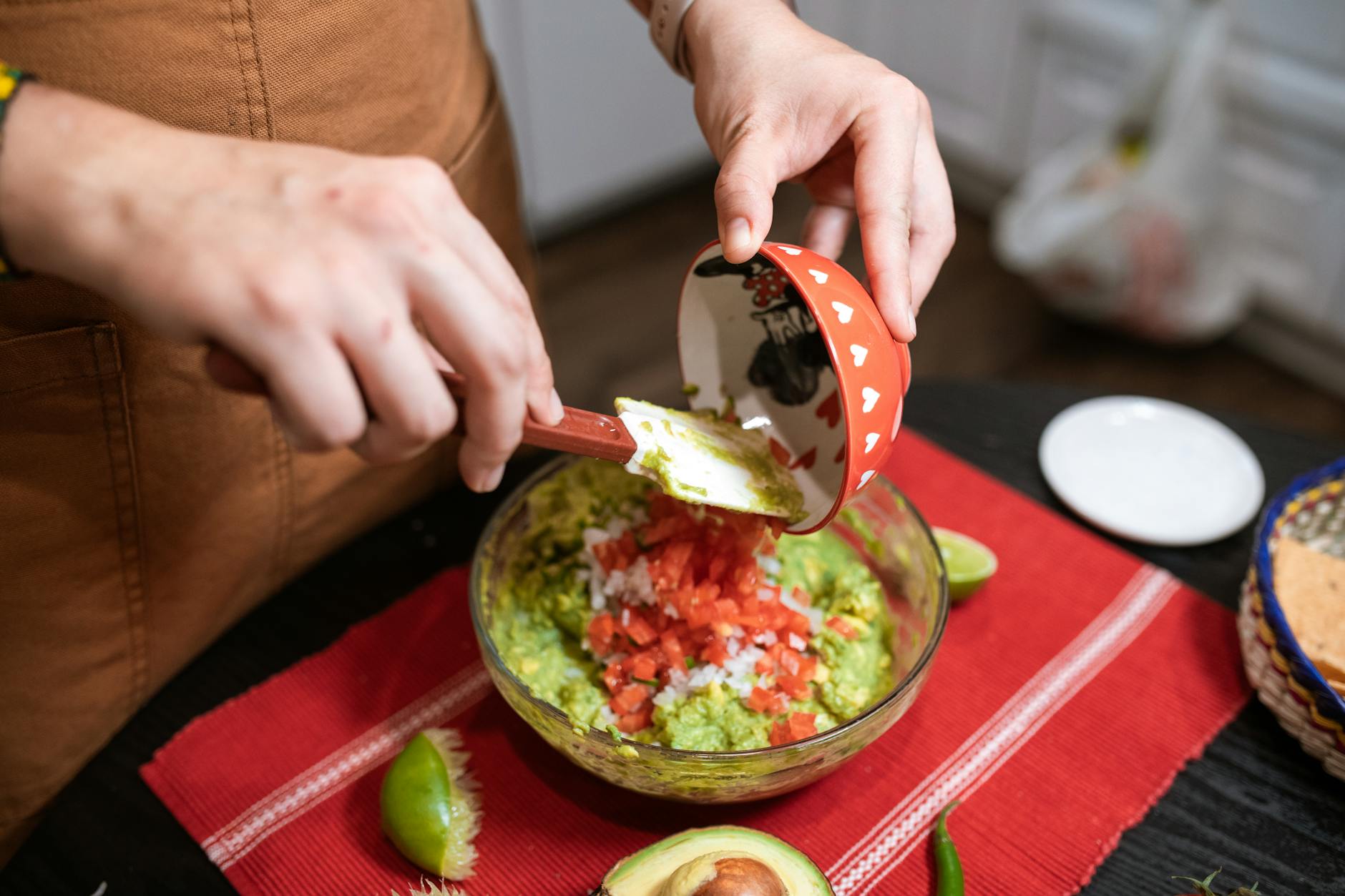
The Full Spectrum of Ingredients in Guacamole
Beyond avocado, typical guacamole recipes combine several ingredients that are individually harmful to cats. Garlic and onions are alliums that damage feline red blood cells and cause hemolytic anemia, a serious condition where the body attacks its own blood cells. Even small amounts consumed regularly or moderate amounts consumed at once can trigger this condition. Lime juice and lemon juice are acidic and can irritate a cat’s digestive system, cause mouth burning, and potentially lead to respiratory issues if the cat inhales vapors.
Salt, while essential for mammals in tiny amounts, becomes toxic at higher concentrations and can lead to sodium ion poisoning, which causes neurological symptoms like tremors and seizures. The limitation of understanding guacamole danger is that most veterinary toxicity data focuses on single-ingredient poisoning cases. In reality, when a cat licks guacamole, it’s exposed to multiple toxins simultaneously, which may have unpredictable interactions. A cat that survives a small exposure to one ingredient might not fare as well when multiple compounds are present. Additionally, some cats with underlying conditions—such as pre-existing kidney disease or heart problems—are at heightened risk and may suffer more severe consequences from guacamole exposure than a healthy cat would.
Recognizing Guacamole Poisoning Symptoms in Cats
If your cat has ingested guacamole, watch for gastrointestinal signs that typically appear within 12 to 24 hours: vomiting, diarrhea, loss of appetite, and abdominal pain (shown by tensing the belly or reluctance to move). Some cats drool excessively or show signs of nausea such as pacing or hiding. In more severe cases, you may notice lethargy, weakness, difficulty breathing, or tremors—these are red flags indicating that the toxin has affected the heart or nervous system and warrant immediate veterinary attention.
A specific example: if a cat licks a guacamole bowl that contained garlic and avocado, the first sign of trouble might be vomiting within hours, followed by diarrhea. If you wait to see if the cat improves on its own, you might miss the window for effective treatment. By the time anemia symptoms appear (pale gums, weakness), the damage to red blood cells is already underway. This is why contacting your veterinarian immediately after discovering your cat has eaten guacamole is critical—early decontamination (inducing vomiting) can sometimes prevent absorption of the toxins.

Immediate Steps to Take If Your Cat Eats Guacamole
If you catch your cat in the act or immediately after, the first step is to remove any remaining guacamole and contact your veterinarian or an emergency vet clinic right away. Provide them with information about how much guacamole your cat likely consumed, when it happened, and what ingredients were in it. Your vet may recommend induced vomiting if your cat ate the guacamole very recently (typically within 1-2 hours), which can prevent the toxins from being absorbed. In some cases, activated charcoal may be given to help bind the toxins.
The tradeoff between watchful waiting and immediate treatment is important to understand: while not every cat that licks guacamole will become seriously ill, you cannot predict your individual cat’s response. A 15-pound cat that licked an empty bowl might show no symptoms, while a 7-pound cat with the same exposure could become quite sick. The cost of a vet visit ($150-$500) is far lower than the cost of emergency hospitalization for organ damage or anemia ($2,000-$5,000 or more). When in doubt, erring on the side of medical evaluation is always the safer choice for guacamole exposure.
Long-Term Effects and Ongoing Risk
Cats exposed to large amounts of avocado or guacamole may suffer lasting damage to the heart muscle (myocardium), even after recovery. Persin accumulation in heart tissue can cause chronic heart problems that become apparent weeks or months later, when the heart becomes less efficient at pumping blood. This is a serious limitation in guacamole exposure: initial recovery does not guarantee full healing or absence of long-term complications. Some cats develop cardiac arrhythmias (irregular heartbeats) that require lifelong medication.
Additionally, repeated small exposures to guacamole—such as a cat regularly stealing small tastes from a careless owner’s plate—pose a cumulative poisoning risk. The body does not eliminate persin quickly, and accumulation over time can be just as dangerous as a single large dose. If you live in a household with guacamole-loving guests or family members, educate them about keeping guacamole bowls away from your cat. A warning to pet owners: never assume that “just a little taste” is harmless, and never allow children to feed cats human foods without adult supervision.
Safer Alternatives for Your Cat’s Palate
If your cat enjoys licking bowls or eating soft, creamy foods, there are safe alternatives that mimic some of guacamole’s appeal without the danger. Plain cooked chicken, turkey, or fish without seasoning provides the soft texture and satisfaction cats seek. Some cats enjoy licking small amounts of canned pumpkin puree (unsweetened), which is safe, aids digestion, and comes in a similar creamy consistency.
Bone broth formulated for pets offers a savory flavor and smooth texture, and many cats find it irresistible. For example, if your cat likes to lick bowls after you finish eating, consider preparing a “cat-safe” bowl with cooked salmon broth or unseasoned chicken broth alongside your meal. This gives your cat the bowl-licking experience without the risk of contamination from your plate. This simple substitution maintains the bonding experience many cats and owners share around meal times while keeping the cat safe.
Building Household Awareness and Prevention
The best approach to guacamole safety is prevention through household awareness. Every person in your home—including guests and children—needs to understand that guacamole is toxic to cats and that leaving bowls or plates accessible is dangerous. Create a simple rule: guacamole bowls, plates, or any avocado-containing foods must be placed on a high counter or table where your cat cannot reach them, and dishes should be washed immediately after use to remove residue.
Looking forward, as more cat owners learn about the dangers of common human foods, the incident rate of avocado poisoning in cats may decrease. Veterinary clinics are increasingly proactive in educating clients during routine visits, and social media awareness campaigns have helped spread the word. However, guacamole will always be a risk in households where it’s regularly prepared, especially during gatherings or social events when supervision of pets lapses. Staying vigilant and educating others is the best long-term strategy for protecting your cat.
Conclusion
Guacamole is not safe for cats to lick due to avocado’s persin toxin and the harmful secondary ingredients typically found in guacamole recipes, including garlic, onions, lime, and salt. The danger is real even from small exposures, and you should contact your veterinarian immediately if your cat has ingested any amount. Severity depends on the quantity consumed, your cat’s size, and individual sensitivity, but all guacamole exposure warrants professional evaluation.
Protect your cat by keeping guacamole and avocado products inaccessible, educating household members about the risk, and knowing the symptoms of toxicity. If your cat enjoys the texture of soft, creamy foods, offer safe alternatives like unseasoned cooked chicken or pet-formulated bone broth instead. By staying informed and proactive, you can prevent this common kitchen danger from harming your feline companion.
Frequently Asked Questions
How much guacamole is toxic to cats?
There is no established safe amount. Even small quantities of guacamole pose a risk, especially for small cats. Consult your vet based on your cat’s weight and the amount consumed.
What’s the difference between avocado toxicity in cats versus dogs?
While both species are susceptible to persin, cats may be more sensitive due to their smaller size and different metabolism. Cats also lack certain enzymes that help break down foreign substances, making them more vulnerable overall.
If my cat only licked an empty guacamole bowl, do I need to worry?
An empty bowl poses minimal risk, but monitor your cat for 24 hours for any signs of illness. If the bowl had residue, contact your vet to be safe.
Are all avocado varieties equally toxic to cats?
Yes, persin is present across all avocado varieties (Hass, Fuerte, etc.), though concentration levels may vary slightly. Assume all avocados are toxic to cats.
Can I treat guacamole poisoning at home, or does my cat need a vet?
Your cat needs veterinary care. Home remedies cannot reverse the effects of persin, and early professional intervention can prevent serious complications.
My cat ate guacamole 48 hours ago and seems fine. Is the danger over?
While immediate severe symptoms may not appear, organ damage can develop over days or weeks. Follow up with your veterinarian even if your cat seems healthy.