
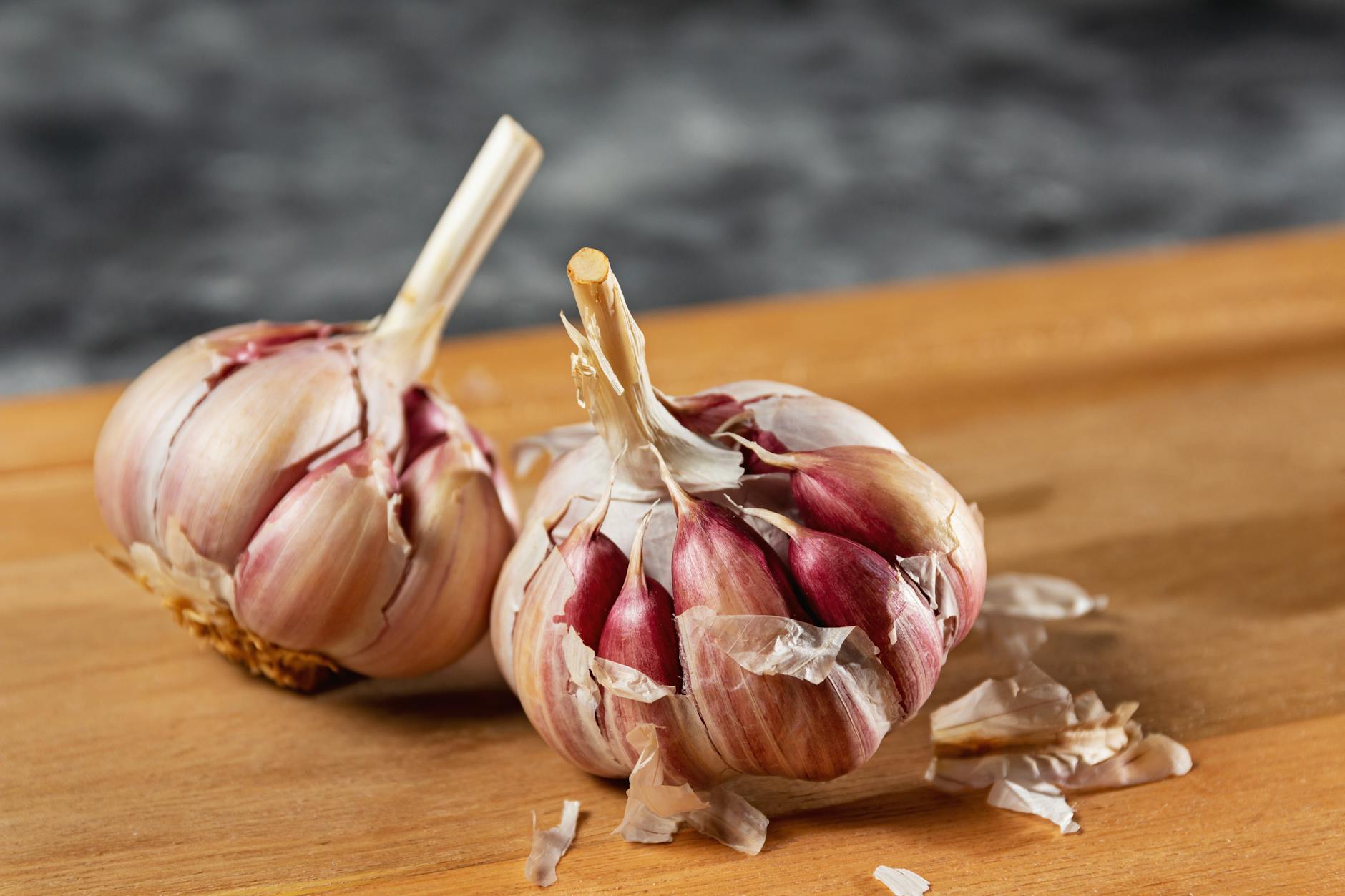
No, it is not safe for your cat to lick your fingers after you’ve handled garlic. Even small amounts of garlic residue on your skin can pose a genuine health risk to cats, as garlic is toxic to felines regardless of its form—whether raw, cooked, powdered, or in garlic bread. A cat licking your fingers after you’ve prepared garlic for dinner, even if you’ve only touched a clove or two, can ingest enough of the compound to trigger digestive upset or, in more serious cases, damage to their red blood cells. The risk increases if this happens repeatedly over time, as garlic toxicity in cats is cumulative.
The reason garlic is dangerous to cats lies in its sulfur-containing compounds, particularly thiosulfates, which cats metabolize differently than humans do. Your body can break down these compounds without issue, but your cat’s digestive system cannot. Even if your cat shows no immediate symptoms after licking your garlic-touched fingers, the toxic compounds are still affecting their body at a cellular level. This is why veterinarians recommend treating any garlic ingestion in cats seriously, no matter how minimal the exposure seems.
Table of Contents
- How Does Garlic Toxicity Affect Cats?
- Signs of Garlic Poisoning and Long-Term Effects
- Why Cats Lick Their Owners’ Hands
- Practical Steps to Prevent Garlic Exposure
- Common Myths and High-Risk Scenarios
- When to Contact Your Veterinarian
- Building Long-Term Safe Habits
- Conclusion
- Frequently Asked Questions
How Does Garlic Toxicity Affect Cats?
Garlic belongs to the allium family of plants, which also includes onions, leeks, and chives—all toxic to cats. When a cat ingests garlic, the thiosulfates in the plant damage the membranes of red blood cells, leading to a condition called hemolytic anemia. This damage accumulates over time, which is why a single lick of your finger might not cause immediate symptoms, but repeated exposure absolutely will. A cat would need to ingest a larger amount of garlic at once to show acute symptoms, but chronic low-level exposure (like your cat regularly licking your hands after you cook) can lead to serious health consequences.
The severity of garlic poisoning depends on the cat’s size, age, and overall health. A kitten or an older cat with kidney disease faces greater risk from the same amount of garlic exposure as a healthy adult cat. For example, a 10-pound cat ingesting even a small piece of garlic (roughly a quarter teaspoon of minced garlic) is at risk, whereas a human eating the same amount would experience no ill effects. This vast difference in sensitivity is what makes it critical to prevent your cat from licking your hands after cooking with garlic.
Signs of Garlic Poisoning and Long-Term Effects
Acute symptoms of garlic poisoning in cats can appear within a few hours to a few days of ingestion and may include vomiting, diarrhea, abdominal pain, drooling, and loss of appetite. Your cat might also show signs of letharness or become unusually quiet. However, the most serious concern is hemolytic anemia, which develops more insidiously. Your cat may seem fine for days or even weeks while their red blood cell count gradually decreases, only to suddenly become weak, lethargic, pale-gummed, and short of breath.
A limitation of treating garlic poisoning is that by the time these advanced symptoms appear, significant damage may have already occurred. The cumulative nature of garlic toxicity means that even if your cat has licked your fingers multiple times after garlic exposure without obvious symptoms, cellular damage is occurring. This is why your veterinarian will recommend blood work if your cat has had repeated access to garlic or other allium plants. There is no specific antidote for garlic poisoning; treatment is supportive and focuses on managing symptoms and monitoring blood cell counts. In severe cases, cats may require blood transfusions, hospitalization, and weeks of recovery.
Why Cats Lick Their Owners’ Hands
Cats lick their owners’ hands for several reasons: they’re grooming you (a sign of affection and bonding), they’re investigating scents that interest them, or they’re tasting residual food particles. A cat that regularly licks your hands may be trying to show you affection or mark you with their scent glands as part of their territory. This behavior is generally healthy and endearing, but it becomes problematic when your hands have been in contact with toxic substances. For instance, a cat that licks your fingers immediately after you’ve finished preparing a garlic-heavy pasta dinner is at risk simply because of proximity and timing.
The challenge is that most cats won’t refuse to lick your hands just because they smell like garlic. Cats are curious by nature and will often lick or chew things that aren’t in their best interest. Unlike humans, who can taste garlic and make an informed choice to avoid it, cats may not perceive garlic as a warning sign—they’ll simply taste it and continue licking. This is why responsibility falls entirely on you as the cat owner to prevent the exposure from happening in the first place, rather than hoping your cat will self-regulate.

Practical Steps to Prevent Garlic Exposure
The simplest way to protect your cat is to wash your hands thoroughly with soap and warm water immediately after handling garlic and before interacting with your pet. Rinsing alone is not sufficient; soap helps break down the oils that carry garlic compounds and reduces the likelihood of your cat ingesting a toxic dose. If you’re cooking with garlic regularly, consider designating a specific time to handle it, then immediately washing your hands and possibly changing your shirt before spending time with your cat. This creates a clear boundary between cooking and pet interaction. Keep garlic, onions, leeks, and chives completely out of reach of your cat, not just in your cooking space but also in your trash and compost.
Many cat owners don’t realize that their compost bin is an attractive play area for curious cats. If you compost garlic scraps, use a secure, cat-proof container. Compare this to simply storing garlic in a sealed cupboard and discarding scraps in a sealed trash bin—the latter approach requires minimal effort but provides complete protection. Additionally, be cautious when eating foods containing garlic, especially garlic bread or garlic butter. Crumbs and residue on your fingers or around your mouth can transfer to your cat if they rub against you or lick your face.
Common Myths and High-Risk Scenarios
A common myth is that cooked garlic is safe for cats because cooking reduces the potency of the thiosulfates. This is partially true—cooking does reduce the concentration of these compounds—but it does not eliminate the toxins entirely. Cooked garlic is still toxic to cats, and the difference in safety between raw and cooked garlic is minimal enough that you should treat both the same way: completely off-limits.
This myth has led some cat owners to become complacent about garlic exposure, assuming a bit of garlic powder or cooked garlic residue on their hands is harmless. High-risk scenarios include meal prep days (when you’re handling large amounts of garlic), dinner parties (when you’re busy cooking and less attentive to hygiene), and takeout containers that may have garlic-heavy sauces. If you’ve ordered garlic shrimp or garlic-based sauce from a restaurant, the residue on your fingers or on the container is still toxic to your cat. A limitation of home-based prevention is that it relies entirely on your consistent attention and habits—one instance of forgetfulness, like sitting down to pet your cat right after cooking without washing your hands, is enough to cause exposure.
When to Contact Your Veterinarian
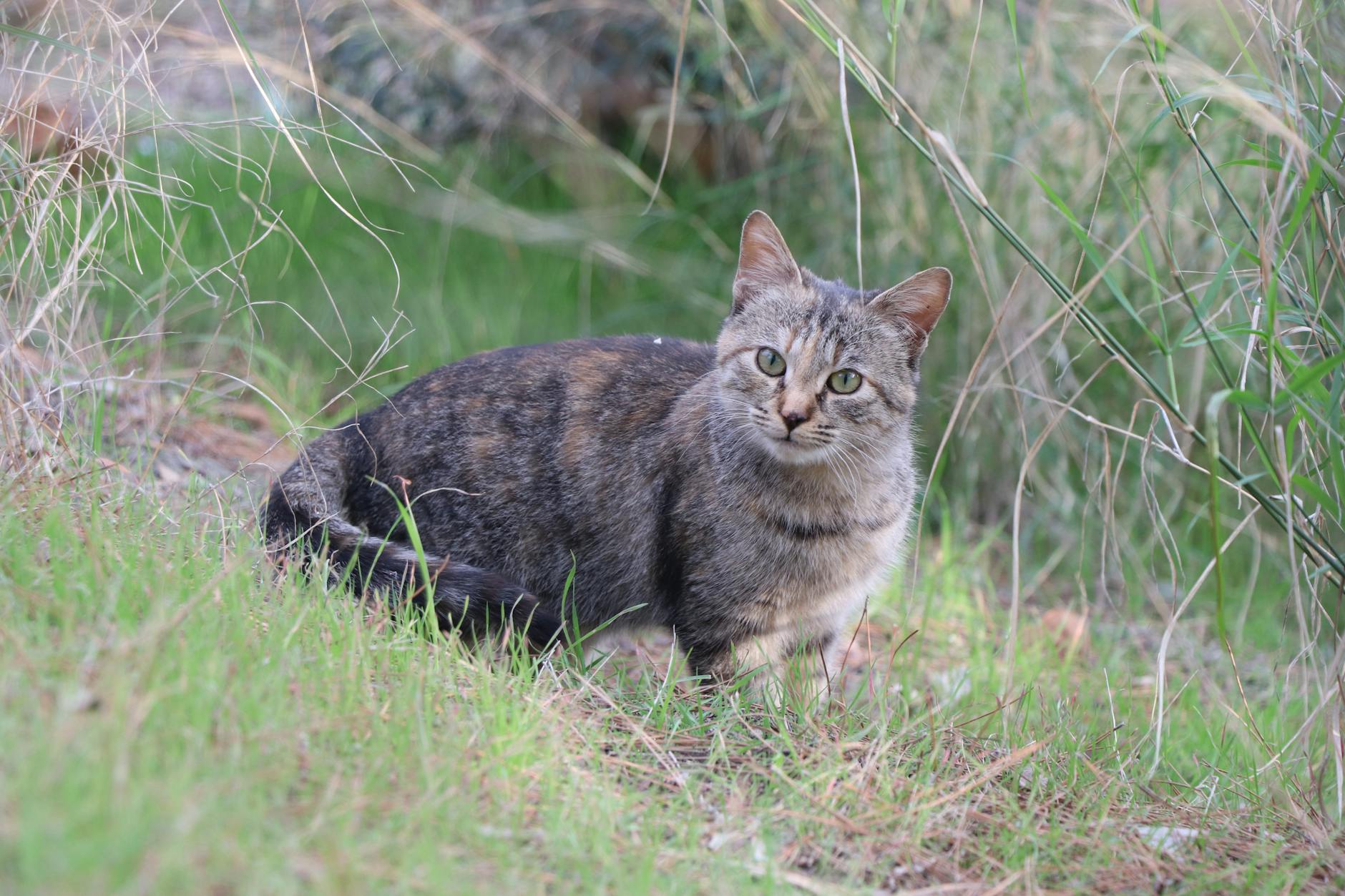
If your cat has licked your fingers or eaten food containing garlic, contact your veterinarian immediately, even if your cat shows no symptoms. Your vet may recommend inducing vomiting if the exposure happened within the last 2-4 hours, which can help prevent absorption of the toxic compounds. They may also recommend blood work to establish a baseline red blood cell count, which is especially important if this is not your cat’s first exposure.
For example, if your cat has licked your hands with garlic residue twice in the past month, your vet will want to monitor their blood counts closely. Do not wait for symptoms to appear before seeking help. Hemolytic anemia in cats can progress rapidly once it becomes symptomatic, and early intervention can make the difference between a full recovery and a life-threatening condition. Your vet may recommend activated charcoal to bind any remaining garlic compounds in your cat’s stomach, supportive IV fluids if dehydration has occurred, and potentially medications to manage nausea or other symptoms.
Building Long-Term Safe Habits
The best approach is to treat garlic as a substance that has no place anywhere near your cat’s reach or your cat’s access to your hands. This means building new habits: always washing your hands after cooking, avoiding garlic-scented lip balms or lotions that your cat might lick off your face, and being mindful during meal prep. Over time, these habits become automatic, and you’ll significantly reduce your cat’s risk.
As more people become aware of allium toxicity in cats, veterinary resources are emphasizing prevention rather than treatment, which suggests the future of feline health includes more educated cat owners who understand these risks from the outset. Consider this a permanent adjustment to your household routine, not a temporary precaution. Your cat’s safety depends on consistency, and unlike some other pet toxins that only matter occasionally, garlic is something many households use frequently. By making hand-washing and garlic handling a fixed part of your kitchen routine, you’re eliminating a significant source of preventable poisoning in your cat.
Conclusion
Protecting your cat from garlic exposure is straightforward but requires vigilance: wash your hands immediately after handling garlic, keep garlic-containing foods and scraps secure and out of reach, and never allow your cat to lick your hands or face before you’ve washed away garlic residue. Even small amounts of garlic can be toxic to cats, and there is no safe threshold for exposure. The cumulative nature of garlic poisoning means that repeated low-level contact is just as dangerous as a single large ingestion.
Your responsibility as a cat owner includes understanding which common human foods are toxic to your pet and taking active steps to prevent exposure. If your cat has ingested garlic or licked your garlic-touched fingers, contact your veterinarian immediately, even if no symptoms are visible. By staying informed and building safe habits around food handling and hand hygiene, you can protect your cat from one of the most preventable toxins in the home.
Frequently Asked Questions
If my cat licked my fingers once after I handled garlic, will my cat die?
One brief exposure is unlikely to be fatal, but it can still cause harm. Monitor your cat for signs of illness (vomiting, diarrhea, lethargy) and contact your vet. Even a single exposure warrants professional evaluation, especially if you don’t know exactly how much garlic residue was ingested.
Is garlic powder safer than fresh garlic for my cat?
No. Garlic powder is actually more concentrated than fresh garlic, making it potentially more dangerous. Never leave garlic powder, garlic salt, or any garlic-based seasonings where your cat can access them.
Can I use garlic as a flea or parasite treatment for my cat?
Absolutely not. While some people use garlic for pets in folk remedies, it is toxic to cats and should never be given internally or applied to their skin. Consult your vet for safe, proven flea and parasite treatments.
How long does it take for garlic poisoning symptoms to appear?
Acute symptoms can appear within hours to several days. Hemolytic anemia develops more slowly and may not show obvious signs until significant damage has occurred. This is why early veterinary intervention is critical.
What should I do if my cat eats garlic-flavored food like garlic bread?
Contact your veterinarian immediately. Garlic bread contains both garlic and other potentially harmful ingredients like excessive salt or butter. Your vet can assess the amount ingested and recommend appropriate monitoring or treatment.
Is it safe to have garlic-scented air fresheners or candles around my cat?
Inhalation of garlic scent is not considered a primary toxicity route for cats, but ingestion remains the main concern. Scented products are less of a risk than garlic on your hands or in food, but avoid them if they cause your cat to excessively lick or chew the source.