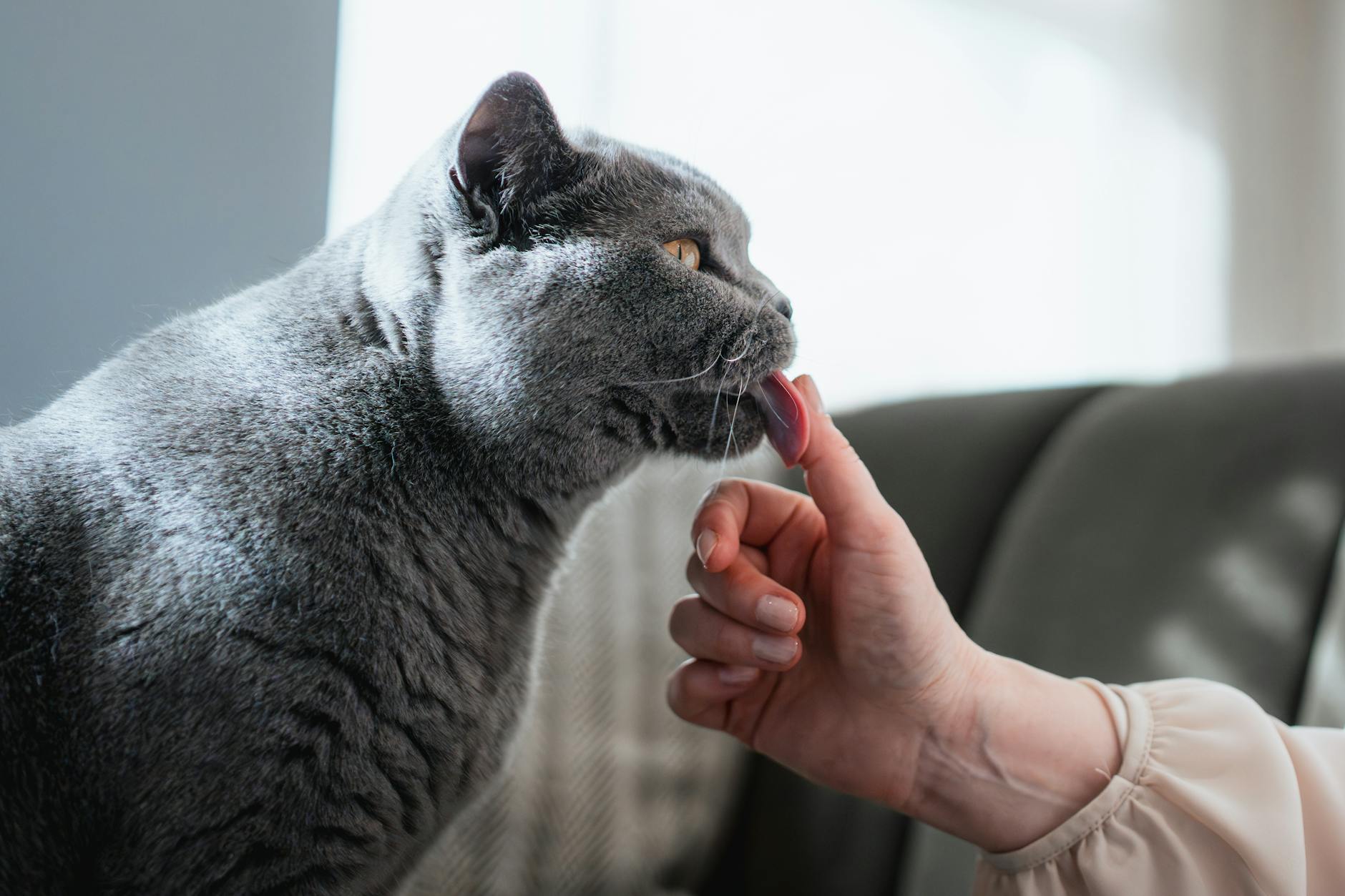
No, it is not safe for cats to lick your fingers after you’ve handled onions. Onions contain compounds called thiosulfates that damage cats’ red blood cells and can cause hemolytic anemia—a serious, potentially life-threatening condition. Even a small amount of onion residue on your fingers poses a genuine risk, particularly for kittens, senior cats, or cats with existing health conditions. If your cat licked your finger after you’d been cutting onions and you’re concerned, monitor closely for signs of toxicity, though the amount transferred is likely minimal.
The risk exists even though many cat owners unknowingly expose their pets to onions daily. A scenario that illustrates this: you’re preparing a pasta dinner, handle onions while cooking, then immediately pet your cat or allow it to rub against your face. Your cat’s natural grooming instinct and tendency to lick hands and faces of people they trust means exposure can happen quickly and easily. The danger is real enough that veterinarians consistently include onions on the toxic foods list for cats, alongside garlic and chives.
Table of Contents
- Why Are Onions Toxic to Cats and Other Feline Companions?
- How Much Onion Residue on Your Fingers Poses a Real Risk?
- What Are the Symptoms of Onion Poisoning in Cats?
- How to Prevent Onion Exposure Through Hand Contact
- Other Foods Similar to Onions That Are Toxic to Cats
- What Should You Do If Your Cat Was Exposed to Onions?
- Building Long-Term Safe Habits in Your Onion-Using Household
- Conclusion
Why Are Onions Toxic to Cats and Other Feline Companions?
Onions are toxic to cats because of compounds called thiosulfates, which cats metabolize differently than humans. When cats ingest onions, these thiosulfates attach to hemoglobin (the protein that carries oxygen in red blood cells) and cause oxidative damage. This process, called Heinz body formation, leads to red blood cells breaking apart prematurely, resulting in hemolytic anemia. The damage is cumulative and dose-dependent, meaning repeated small exposures can eventually cause noticeable illness, while a single large exposure can cause acute symptoms.
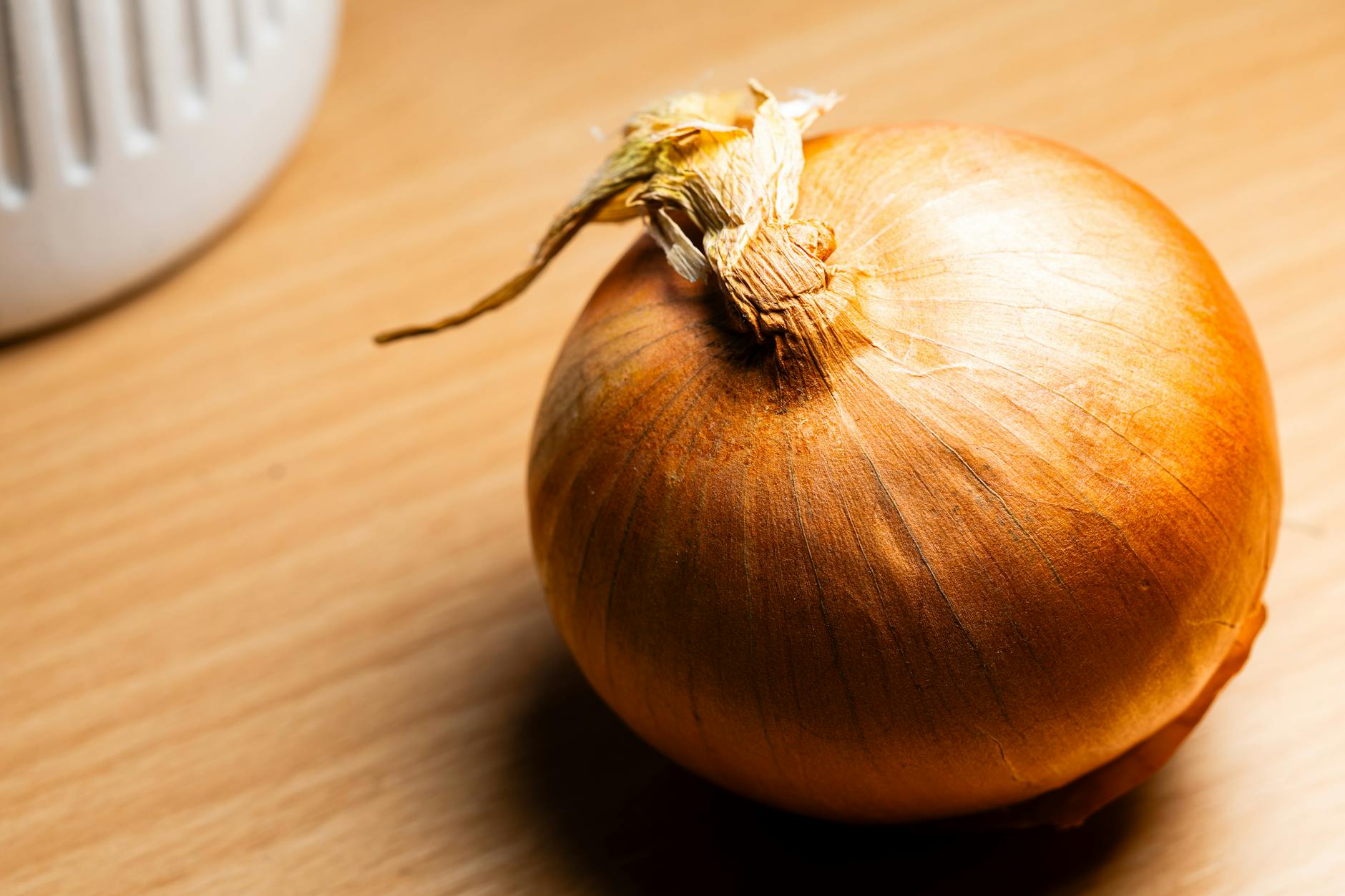
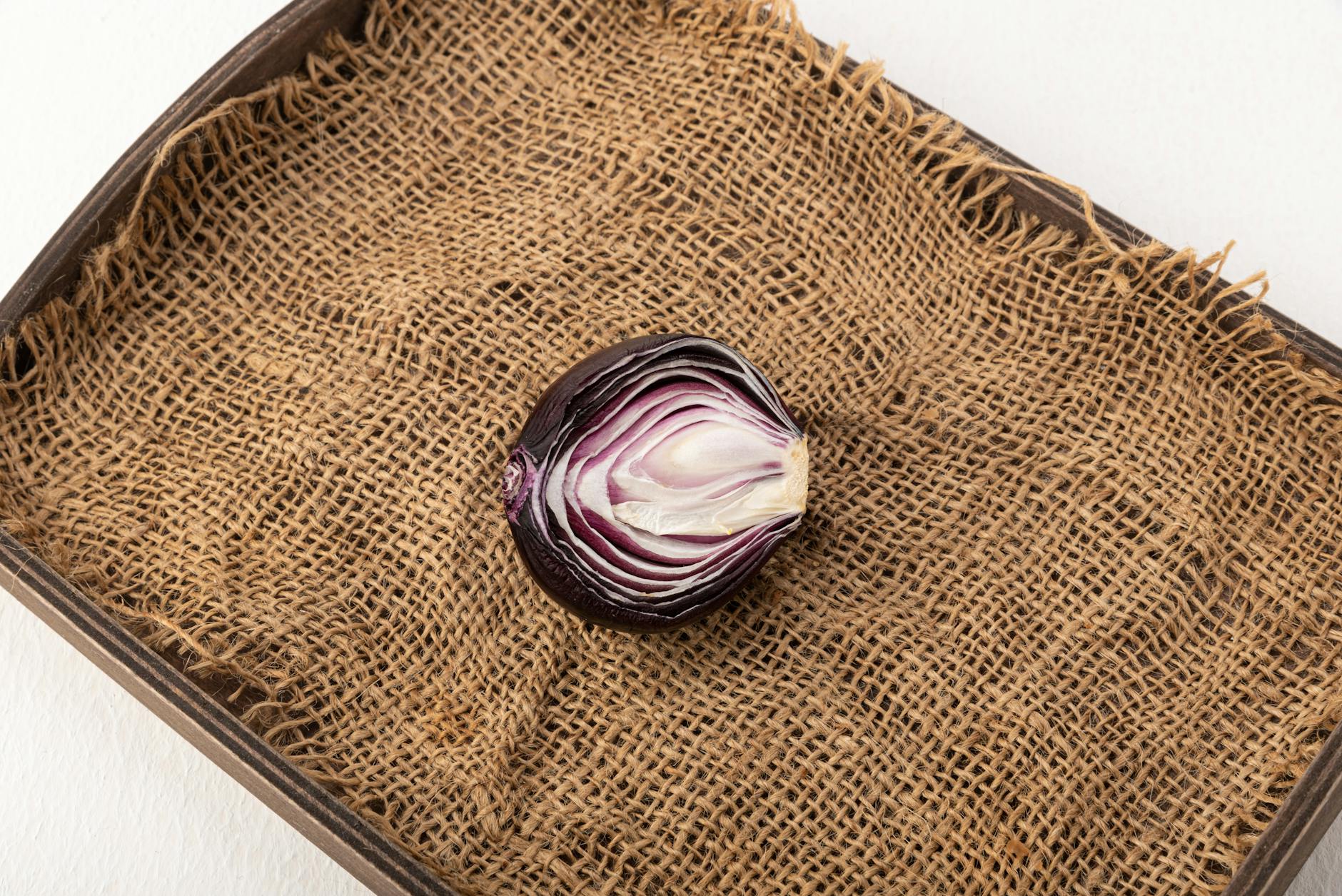
Cats are particularly vulnerable compared to other pets because they lack certain liver enzymes that would help them break down these compounds. Dogs are more resistant to onion toxicity than cats, requiring larger quantities to show serious effects. This difference in metabolism is why a food safe for a dog might be dangerous for a feline housemate sharing the same household. The toxicity applies to all varieties: red onions, yellow onions, white onions, and green onions (scallions) are all dangerous, and cooking doesn’t reduce the toxin’s potency—cooked onions are just as harmful as raw.
How Much Onion Residue on Your Fingers Poses a Real Risk?
The question of how much onion residue matters hinges on concentration and your cat‘s size and health. A tiny amount on your finger—barely visible residue—likely won’t cause acute poisoning in a healthy adult cat, but it still represents unnecessary exposure. The danger threshold varies: some cats show signs of toxicity from consumption equivalent to 0.5% of their body weight in onions, which translates to roughly half a small onion for a 10-pound cat. However, there’s no guaranteed safe amount, and individual cats may be more or less sensitive.
The practical limitation here is that you cannot accurately gauge how much residue is on your finger or how much your cat actually ingests through licking. Onion oils and compounds aren’t always visible to the naked eye, so you might have more residue than you think. Additionally, if your cat licks your fingers multiple times over several days after you’ve handled onions, the cumulative effect becomes concerning. Kittens and senior cats are at higher risk because their bodies handle toxins less efficiently, and cats with existing kidney or liver disease are especially vulnerable.
What Are the Symptoms of Onion Poisoning in Cats?
Symptoms of onion toxicity in cats typically develop within a few days to a week after exposure, though they can appear more quickly with larger amounts. Early signs include lethargy, weakness, vomiting, diarrhea, and decreased appetite. You might notice your cat seems unusually tired, unwilling to jump or play, or spending more time sleeping than normal. Some cats develop pale gums (indicating anemia), jaundiced-looking eyes or ears (a yellowish tint), or reddish-tinged urine—all signs that red blood cells are breaking down.
In more severe cases, cats may become severely anemic, showing difficulty breathing, rapid heart rate, or collapse. A specific example: a cat that consumed a significant portion of an onion-based meal might initially seem fine but develop severe lethargy 2-3 days later, followed by labored breathing and weakness. These serious symptoms represent a medical emergency. The challenge is that early symptoms are vague and mimic other illnesses, so cat owners often don’t immediately suspect onion toxicity. If you know your cat consumed onions or suspect exposure from licking your hands, mention this directly to your veterinarian rather than waiting for symptoms to develop.
How to Prevent Onion Exposure Through Hand Contact
The most practical prevention strategy is thorough hand washing with soap and warm water immediately after handling onions. A standard 20-second wash (about the time it takes to sing “Happy Birthday” twice) removes most visible residue, but onion oils can linger on skin for longer than you might expect. After handling onions, avoid petting, touching your face, or allowing your cat to rub against you until you’ve washed your hands. If you’re cooking with onions, keep your cat out of the kitchen during food preparation and cleanup.
This approach is simple but requires consistency, which is the tradeoff. When you’re busy cooking or tired at the end of the day, remembering to wash before petting your cat requires conscious effort. One practical comparison: hand washing after onion handling is similar to washing your hands before handling a newborn baby—it becomes a habit if you do it consistently, but lapses are easy. Additionally, consider wearing food prep gloves when chopping onions, then disposing of the gloves before you interact with your cat. If you’re cooking with onions regularly, establishing a kitchen rule (such as not allowing your cat in the cooking area) provides an extra layer of protection and removes the need to remember hand washing every single time.
Other Foods Similar to Onions That Are Toxic to Cats
Onions belong to the allium family, which includes garlic, chives, leeks, and shallots—all toxic to cats in varying degrees. Garlic is actually more toxic than onions on a per-weight basis, making it an even greater concern. Many seasoning blends and spice mixtures contain garlic powder, onion powder, or both, creating hidden exposure risks in unexpected foods. If you’ve been handling garlic with the same hands you pet your cat, the same hand-washing principle applies.
The warning here is that many commonly available human foods contain these ingredients: garlic-seasoned chicken, pizzas with garlic and onion toppings, soups with onion or garlic bases, and even some spice rubs. Additionally, some cat treats and supplements marketed as “natural” or “herbal” occasionally contain garlic, so read ingredient labels carefully. A limitation of relying on hand washing alone is that it only protects against direct finger-to-mouth contact. If you drop food containing onions or garlic on the floor and your cat eats it, or if your cat eats leftover human food from a plate, hand washing won’t prevent those exposures. Managing these risks requires controlling what food your cat can access, not just managing hand contact.
What Should You Do If Your Cat Was Exposed to Onions?
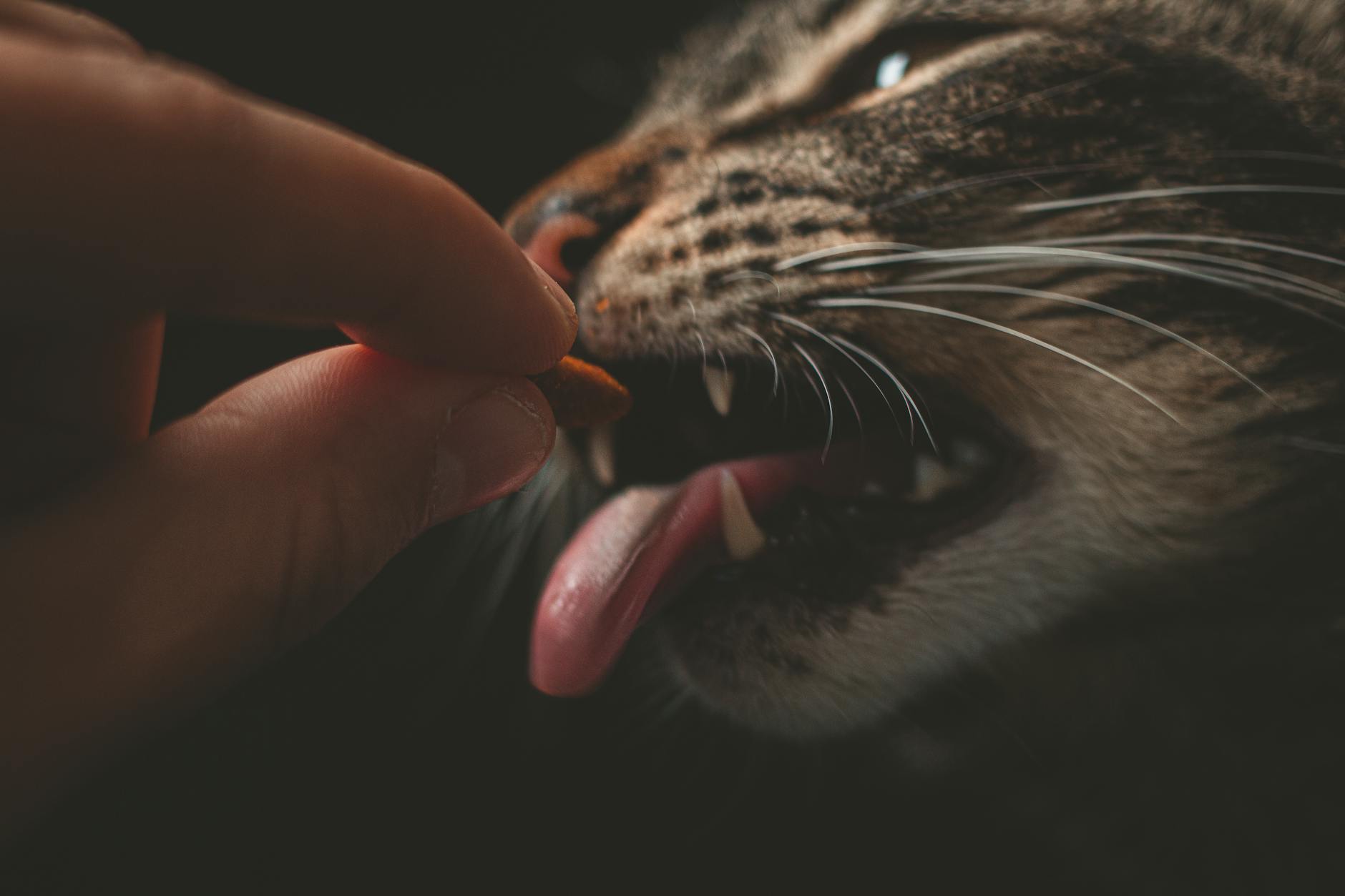
If you suspect your cat licked onion residue from your finger, the first step is to assess the likely amount ingested. Did you have visible onion pieces on your finger, or just barely noticeable residue? Was this a single licking or repeated exposure? This context helps guide your next actions. If it was minimal residue from a single incident, monitor your cat closely for the next 3-5 days, watching for lethargy, vomiting, diarrhea, or pale gums. Most cats exposed to tiny amounts show no symptoms, but you won’t know without observation.
Contact your veterinarian if you observed significant residue, if your cat repeatedly licked your hands over several days, or if any symptoms develop. Your vet may recommend blood work to check red blood cell counts and watch for Heinz body formation. Be specific about timing—mention exactly when the exposure likely occurred and how much onion you estimate your cat ingested. There’s no antidote for onion toxicity, so treatment focuses on supportive care: IV fluids, possible blood transfusions in severe cases, and monitoring. The sooner toxicity is identified, the more effectively your vet can manage it.
Building Long-Term Safe Habits in Your Onion-Using Household
Creating sustainable safety practices matters more than perfecting a single incident. If you cook with onions regularly (most households do), establishing automatic habits—like hand washing immediately after handling onions, keeping your cat out of the kitchen during meal prep, and not letting your cat sit on counters where you’ve chopped food—reduces risk substantially over time. These habits prevent the accumulation of small exposures that might eventually cause illness.
Looking forward, as you learn more about cat nutrition and safety, you’ll likely become more aware of other hidden sources of onion and garlic in processed foods. This awareness naturally extends to being more cautious about all human food around cats. The goal isn’t to live in fear of accidental exposure but to normalize protective behaviors so thoroughly that they require no conscious thought. Over time, a cat owner who has educated themselves about onion toxicity becomes less likely to dismiss a sick cat’s symptoms as minor or unrelated—they’ll recognize the possible connection and seek veterinary care promptly.
Conclusion
Onions pose a genuine health risk to cats through any route of ingestion, including licking residue from your fingers. While a tiny amount of residue from a single lick is unlikely to cause serious acute poisoning in a healthy adult cat, there is no safe threshold, and repeated small exposures create cumulative risk. The safest approach is to view onion (and garlic) handling as requiring a quick hand wash before you interact with your cat—a simple habit that virtually eliminates this particular risk.
If you already suspect your cat was exposed, assess the likely amount ingested and monitor for symptoms over the next few days. Contact your vet if you’re unsure about severity or if any symptoms develop. For ongoing peace of mind, establish kitchen boundaries and hand-washing routines that make protective behavior automatic. Understanding which common foods are toxic to cats empowers you to protect your feline companion from preventable illness and keeps your household safer for everyone who lives there.