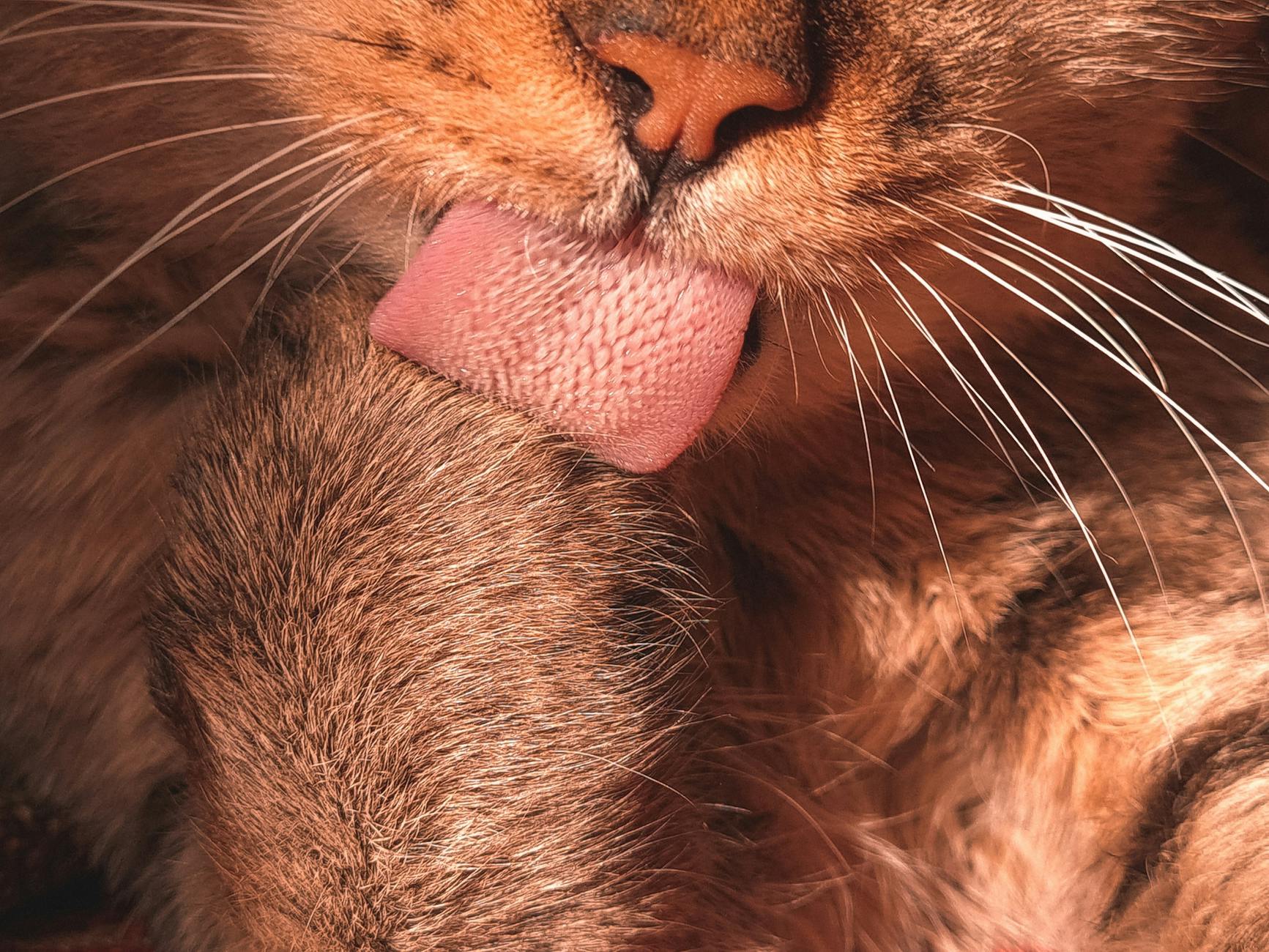
No, it is not safe for cats to lick your fingers after you’ve handled alcohol. Even small amounts of alcohol can be toxic to cats, and the risk increases dramatically depending on the type and concentration of alcohol involved. A cat’s liver cannot efficiently metabolize alcohol the way a human liver can, making them far more vulnerable to poisoning from even modest exposure.
If you’ve been drinking wine or cocktails and your cat licks your fingers or mouth, there’s genuine cause for concern—though the actual danger depends on how much alcohol was present and how much your cat ingested. The severity of alcohol toxicity in cats ranges from mild gastrointestinal upset to severe poisoning requiring emergency veterinary care. A cat that licks your fingers after you’ve handled beer, whiskey, or other spirits faces a much higher risk than one that contacts diluted wine residue. Because cats are curious and often groom their owners affectionately, this is a realistic hazard in many households, particularly around social gatherings where alcohol is present.
Table of Contents
- How Alcohol Exposure Affects a Cat’s Body
- Why Small Amounts Still Matter
- Recognizing Alcohol Poisoning in Cats
- What To Do If Your Cat Licks Alcohol
- Creating an Alcohol-Safe Environment for Your Cat
- Other Common Alcohol-Containing Products
- Long-Term Effects and Future Prevention
- Conclusion
How Alcohol Exposure Affects a Cat’s Body
Alcohol (ethanol) enters a cat’s bloodstream quickly through the mouth and digestive tract, and the feline liver processes it very slowly compared to human metabolism. A dose that might cause mild intoxication in a human can cause dangerous toxicity in a cat, since cats weigh significantly less and their enzymes simply cannot break down ethanol efficiently. Within 30 minutes to 2 hours of exposure, you may begin to see signs of poisoning, depending on the amount consumed.
The mechanism of alcohol toxicity in cats involves metabolic disruption, central nervous system depression, and potential hypoglycemia. Alcohol causes blood sugar to drop dangerously low in cats, which can lead to seizures, organ damage, and death in severe cases. Even a single lick of beer or a finger wet with whiskey might seem harmless, but the cumulative risk over multiple incidents—or a single larger exposure—can be serious.
Why Small Amounts Still Matter
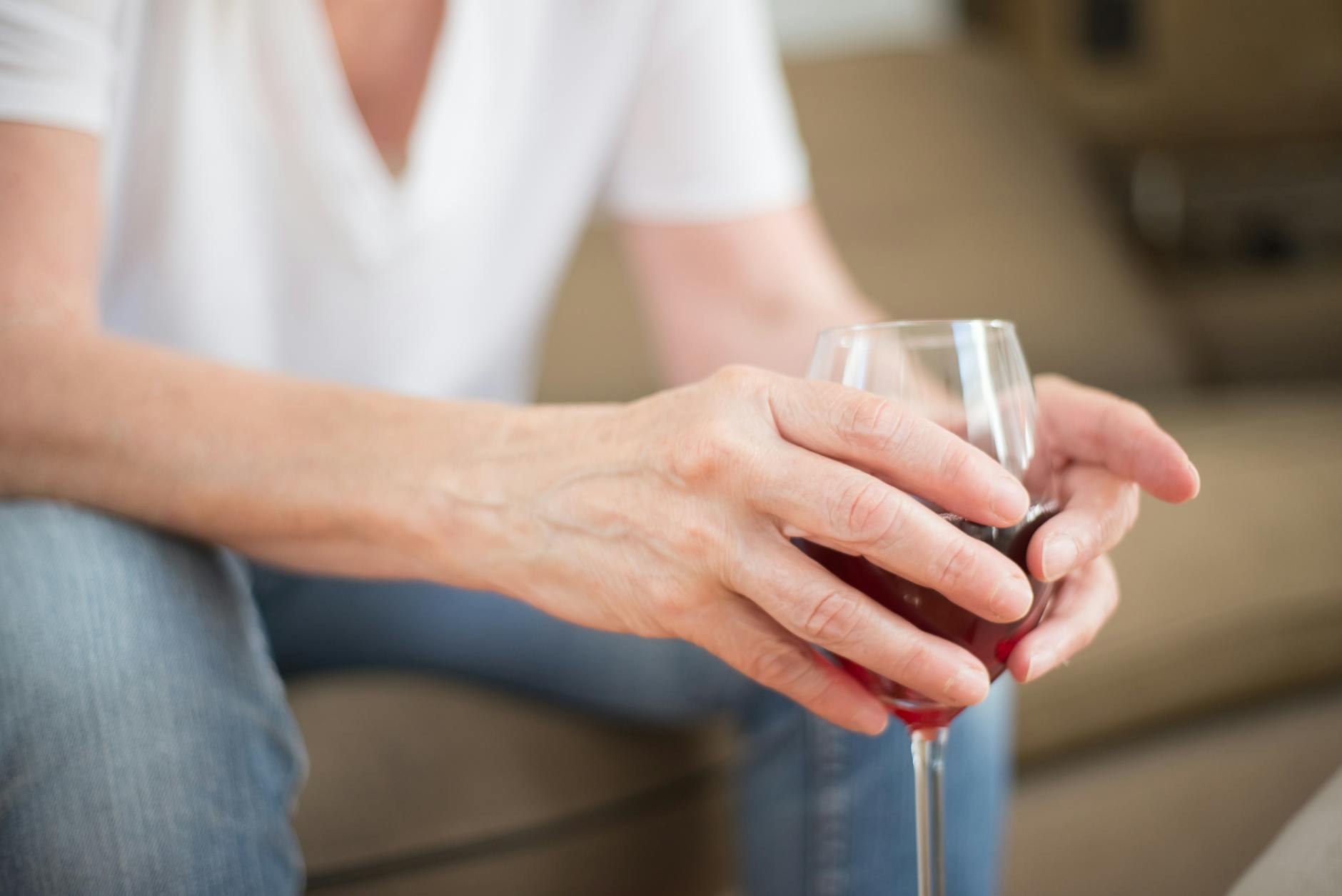
You might assume that because your cat only licked a small wet spot on your finger, the alcohol content is negligible. This assumption can be dangerous. A cat’s low body weight means that what constitutes a tiny fraction of a human dose can be a significant dose for a feline.
A 10-pound cat and a 150-pound human are not on a linear scale when it comes to toxin tolerance—the cat is infinitely more vulnerable per pound of body weight. The limitation here is that veterinarians cannot always predict the exact severity of poisoning from a reported exposure, because individual cats vary in sensitivity and the actual amount consumed is often uncertain. Some cats may show serious symptoms from a small exposure, while others might seem to tolerate a slightly larger one—but this unpredictability means you should never gamble with alcohol exposure. Always assume the worst and seek veterinary guidance if you suspect your cat has ingested alcohol.
Recognizing Alcohol Poisoning in Cats
Early signs of alcohol toxicity include disorientation, loss of coordination (stumbling or ataxia), depression, and a strong smell of alcohol on the cat’s breath. Within hours, more serious symptoms may emerge: tremors, seizures, vomiting, difficulty breathing, coma, or even death in severe cases. If your cat has licked your fingers and you notice any unusual behavior—even mild wobbiness or unusual quietness—this warrants immediate veterinary attention.
A specific example: A cat that drinks from a spilled margarita might show obvious intoxication within an hour, displaying loss of balance and confusion. But a cat that only licked your alcohol-dampened fingers might show more subtle early signs: slight lethargy, dilated pupils, or a reluctance to move normally. By the time symptoms are obvious, toxicity may already be advanced. This is why erring on the side of caution and calling your veterinarian immediately is always the right choice.
What To Do If Your Cat Licks Alcohol
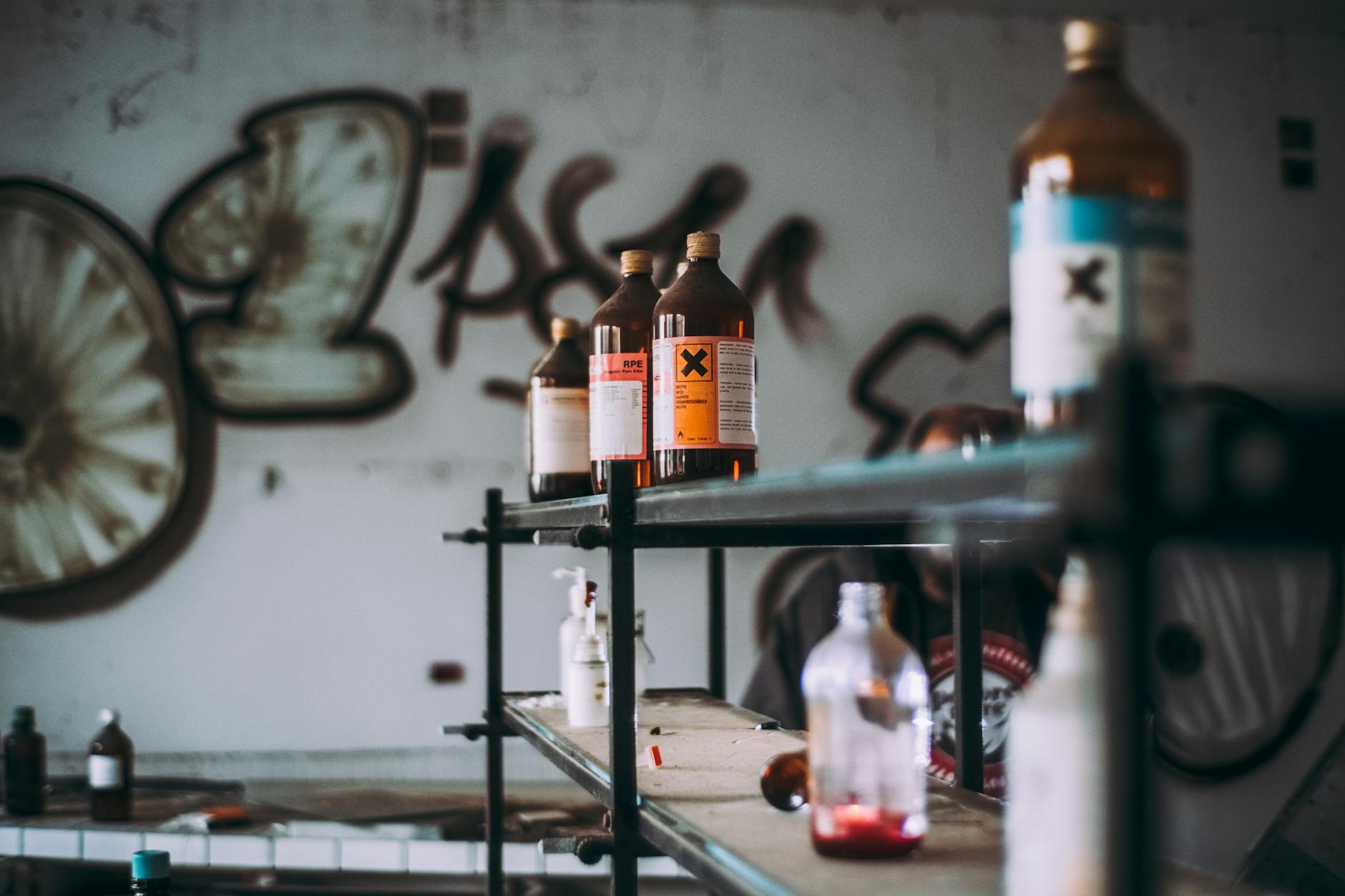
If you observe your cat licking your fingers immediately after handling alcohol, your first step is to wash your hands and remove any remaining alcohol from the cat’s fur or mouth with plain water. Do not panic, but do not delay either. Call your veterinarian or an emergency veterinary clinic right away and describe exactly what your cat was exposed to—the type of alcohol (beer, wine, spirits), the approximate amount, and when the exposure occurred.
The tradeoff here is between waiting to see if symptoms develop versus seeking immediate help. The safest choice is always to seek veterinary advice immediately. Your veterinarian can induce vomiting or provide activated charcoal to reduce absorption if caught early, or they can provide supportive care (fluids, blood sugar monitoring, breathing support) if poisoning has already begun. Waiting to see if your cat “seems fine” is the riskier path, because poisoning can progress rapidly and lethally.
Creating an Alcohol-Safe Environment for Your Cat
The most effective approach is prevention. Keep all alcoholic beverages in closed containers and out of reach of your cat, just as you would with any toxic substance. When you’re drinking alcohol, be mindful that your hands, mouth, and clothing may contain residue that your cat can access through grooming or direct contact.
If you’ve been drinking, wash your hands before petting or handling your cat, and be especially cautious if your cat is the affectionate type that grooms your hands or face. A major limitation of relying on prevention alone is that life happens—guests spill drinks, someone forgets and leaves a glass on a low table, a cat is faster than expected. This is why establishing a household rule that alcohol is never left unattended, and that guests are informed of your cat’s presence, is important. Even more critically, never intentionally give a cat alcohol “as a joke” or to calm them down, as this is a form of poisoning and can have legal consequences as animal abuse.
Other Common Alcohol-Containing Products
Beyond obvious beverages, cats can be poisoned by alcohol in unexpected places. Mouthwash, hand sanitizer, cough medicine, some vanilla extracts, and fermented foods can all contain significant ethanol. If your cat has access to your bathroom and licks your fingers after you’ve used alcohol-based hand sanitizer, the risk is real and serious.
Some pet owners don’t realize that the peppermint-scented mouthwash they use contains ethanol, or that a spilled bottle of cough syrup poses the same poisoning risk as spilled vodka. Always check product labels for ethanol content and store these items securely. A cat that licks your fingers after you’ve applied hand sanitizer might ingest a meaningful dose of alcohol without you realizing the source of the problem, which is why veterinarians need to know your cat’s full environment and habits when diagnosing toxicity.
Long-Term Effects and Future Prevention
If your cat has survived an episode of alcohol poisoning, the prognosis depends on the severity and how quickly treatment was provided. Cats that receive prompt veterinary care for mild to moderate poisoning often make a full recovery without lasting damage. However, severe poisoning can cause permanent organ damage, particularly to the liver and kidneys, even if the cat survives the acute episode.
Moving forward, a cat that has experienced alcohol exposure becomes a reminder of the importance of household safety planning. If you have frequent guests, consider establishing a “no unattended alcohol” rule in your home. If you have a cat that is particularly curious or affectionate about licking your hands, this is a strong signal to be extra diligent about washing your hands after drinking or handling alcohol. The prevention measures you put in place now can save your cat’s life.
Conclusion
The bottom line is clear: alcohol is toxic to cats, and even small amounts pose a genuine health risk. A cat licking your fingers after you’ve handled alcohol is not a minor incident to ignore—it’s a situation that demands immediate attention and veterinary consultation. The severity of poisoning can escalate rapidly, and by the time your cat shows obvious symptoms, serious damage may already be underway.
Your responsibility as a cat owner includes protecting your pet from this common household hazard. By maintaining alcohol in secure containers, washing your hands after drinking, and educating household members and guests about the danger, you can dramatically reduce the risk. If exposure does occur, swift action—a call to your veterinarian and honest reporting of what your cat was exposed to—gives your cat the best chance of recovery. Alcohol poisoning in cats is preventable, and prevention is far easier and less traumatic than emergency treatment.