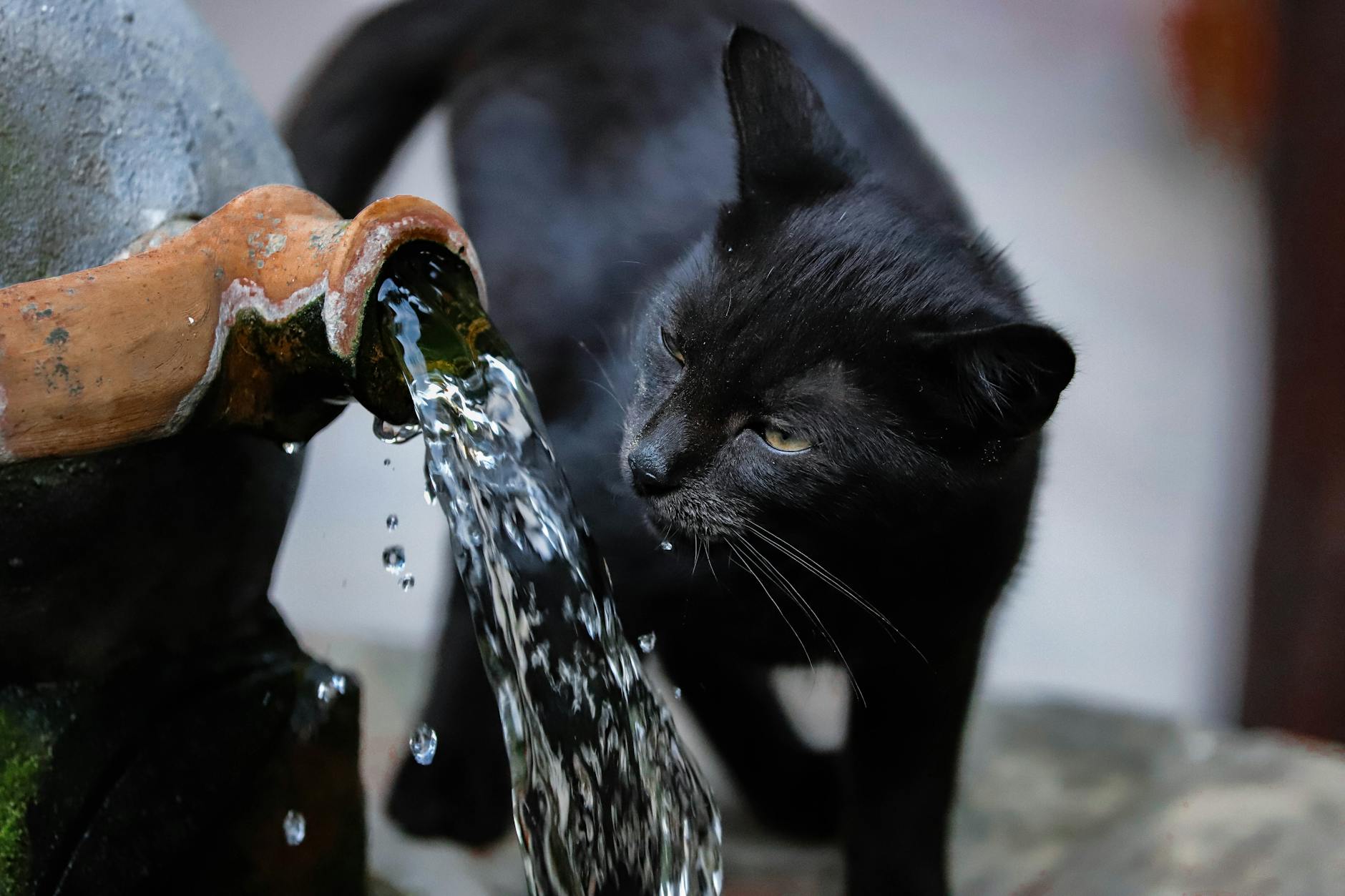
No, it is not safe for cats to drink from outside puddles. While a quick lap at a puddle may seem harmless, the water contains numerous pathogens, parasites, and toxins that can cause serious illness. A cat that drinks from a contaminated puddle may develop gastrointestinal infections, parasitic infestations, or be exposed to dangerous chemicals—all of which require veterinary treatment.
For example, a puddle in a parking lot may contain ethylene glycol (antifreeze), while a puddle in a park could harbor Giardia, a protozoan parasite that causes severe diarrhea and dehydration in cats. The risks are significant enough that veterinarians universally recommend keeping outdoor cats away from standing water sources. Unlike humans, cats cannot tolerate the same level of bacterial contamination, and their smaller body size means contaminants have a more concentrated effect. Even a small amount of contaminated water can lead to infection.
Table of Contents
- What Contaminants Are Found in Outside Puddles?
- Parasitic and Pathogenic Risks to Cats
- Why Cats Are Attracted to Outside Water Sources
- Safe Alternatives to Outside Water for Cats
- Recognizing Illness After Puddle Exposure
- Seasonal Considerations and Puddle Risk
- Building Long-Term Prevention and Monitoring Habits
- Conclusion
- Frequently Asked Questions
What Contaminants Are Found in Outside Puddles?
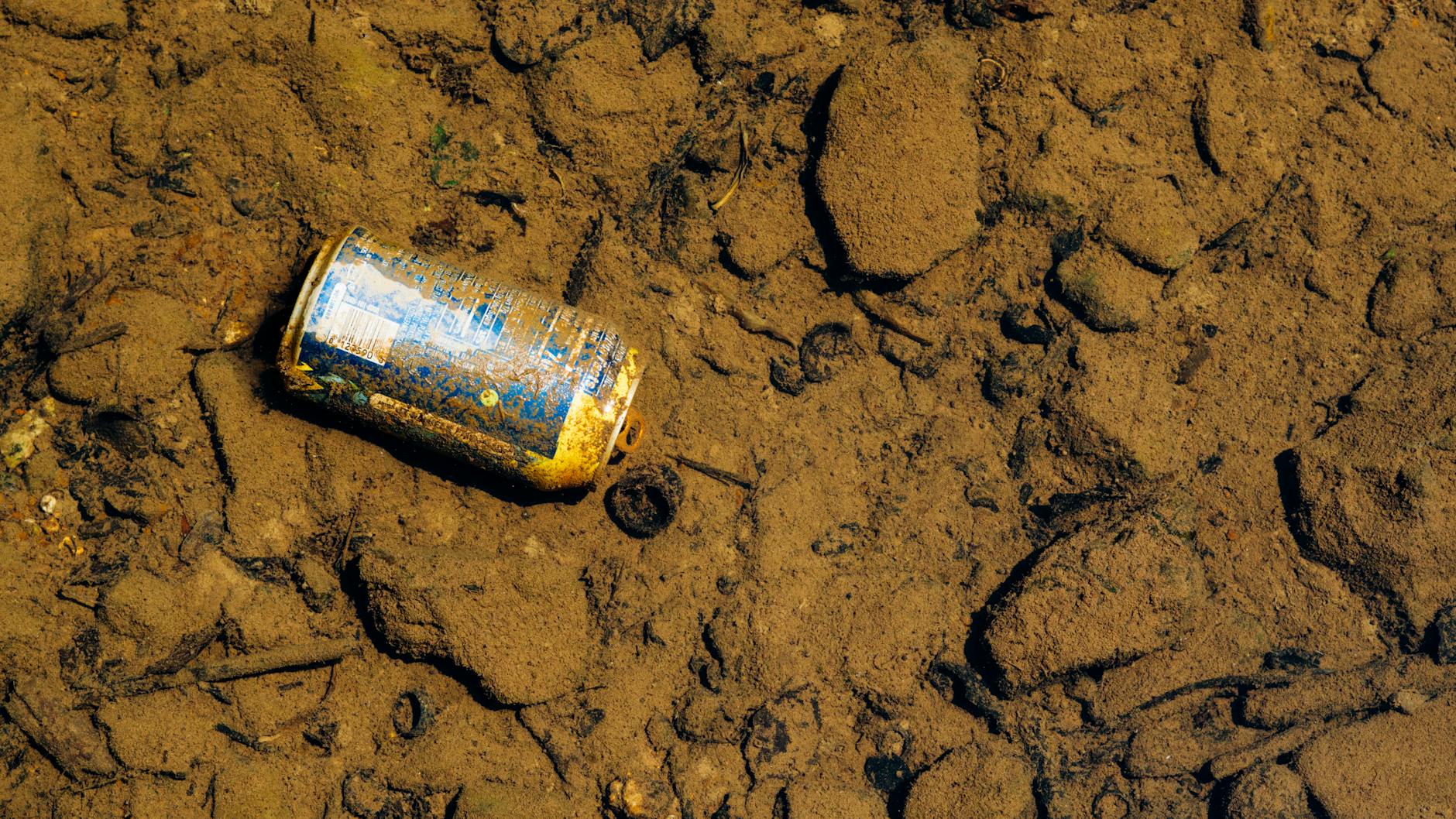
Outdoor puddles are collections of runoff water that contain bacteria, protozoa, viruses, and chemical residues from their surrounding environment. Puddles in residential areas may contain feces from wildlife like raccoons, birds, and rodents—animals that carry pathogens harmful to cats. Urban puddles are particularly dangerous because they accumulate oil, gasoline, antifreeze, road salt, and other automotive chemicals. A puddle near a garden may contain pesticide residue or fertilizer runoff.
The bacterial contamination alone is substantial. Common bacteria found in standing water include E. coli, Salmonella, and Leptospira—all of which can cause acute illness in cats. Protozoans like Giardia and Cryptosporidium are also frequently present, especially in puddles fed by natural drainage or animal urine. Some puddles may also contain toxins from herbicides, fungicides, or other agricultural chemicals, depending on the location.
Parasitic and Pathogenic Risks to Cats
Parasitic infections from puddle water are among the most common health consequences for cats that drink outdoors. Giardia, in particular, is rampant in untreated water and causes chronic diarrhea, weight loss, and malabsorption of nutrients. An infected cat may require weeks of medication to clear the parasite, and the condition weakens the immune system. Cryptosporidium is another serious parasite found in puddles; it’s more dangerous for kittens and immunocompromised cats and can be fatal without prompt treatment.
Bacterial infections like leptospirosis are equally concerning. This disease damages the liver and kidneys and spreads through the urine of infected wildlife. A cat infected with leptospirosis may show lethargy, loss of appetite, vomiting, and kidney failure within days. The limitation here is that leptospirosis is harder to diagnose than gastrointestinal infections because symptoms overlap with other conditions, meaning veterinarians may not identify it immediately. A cat that survived drinking from a puddle might develop kidney problems months later due to chronic leptospirosis—a limitation of the body’s ability to repair itself after infection.
Why Cats Are Attracted to Outside Water Sources
Cats are naturally drawn to moving and fresh-seeming water, which is an evolutionary instinct—in the wild, running water is generally safer than stagnant water. Puddles often appeal to indoor cats that are let outdoors because the water tastes different and seems more interesting than tap water. Additionally, if a cat is dehydrated or has access to limited fresh water indoors, it may seek outdoor sources out of necessity.
Some cats develop a behavioral preference for outdoor drinking even when clean water is available inside. A cat that enjoys exploring the yard may make puddle drinking part of its routine. For instance, a cat with access to a screened porch might regularly drink from a puddle that collects after rain, treating it like a natural water source. This behavior is difficult to break once established and requires consistent prevention and enrichment with appealing indoor water sources.

Safe Alternatives to Outside Water for Cats
The most effective way to prevent puddle drinking is to provide multiple sources of fresh, appealing water indoors. Many cats prefer running water, so a cat water fountain can be far more enticing than a stationary bowl. Fountains circulate water, keep it cooler, and create movement—all factors that appeal to cats. Placing fountains in multiple rooms throughout the house increases the likelihood that a cat will drink from them instead of seeking outdoor sources.
Another preventive strategy is to reduce outdoor access or supervise outdoor time. An indoor cat that never has unsupervised access to a yard simply cannot drink from puddles. However, for cats that spend time outside regularly, this approach has a tradeoff: it limits their natural enrichment and freedom. A compromise might be a catio (enclosed outdoor space) where the cat can enjoy fresh air and visual stimulation without access to standing water or other outdoor hazards. Water bowls placed outdoors are not a solution—they also collect contaminants, algae, and debris over time.
Recognizing Illness After Puddle Exposure
If a cat has drunk from an outside puddle, watch closely for signs of gastrointestinal infection over the next few days. Symptoms include diarrhea (sometimes bloody), vomiting, loss of appetite, lethargy, and abdominal pain. Some infections have an incubation period of several days, so symptoms may not appear immediately. A cat that seemed fine after the exposure could develop illness a week later.
A significant limitation is that mild infections may resolve on their own in healthy adult cats, so some owners may not seek treatment. However, even mild infections can cause dehydration and secondary complications, especially in kittens, elderly cats, or those with existing health conditions. If symptoms persist for more than 24 hours or a cat seems acutely ill, veterinary care is essential. Testing for parasites and bacterial infections requires stool samples and sometimes blood work, which means diagnosis can take time even after seeking veterinary care.
Seasonal Considerations and Puddle Risk
Puddle risks vary by season. Spring and early summer are peak times for parasite shedding by wildlife, making puddles particularly dangerous. Autumn puddles may contain decaying leaves and organic material that harbor bacteria and mold. Winter puddles in areas treated with road salt are caustic and can irritate a cat’s mouth and digestive tract.
Spring puddles, fed by snowmelt and collected debris, are often the most contaminated of all. During warmer months, puddles also attract mosquitoes and other insects that can transmit parasites and diseases. A cat drinking from a puddle in July faces different pathogenic pressures than one drinking in January. Understanding these seasonal variations helps outdoor cat owners recognize when outdoor risks are highest and implement stricter prevention measures.
Building Long-Term Prevention and Monitoring Habits
The best approach to puddle drinking is prevention through consistent habits. Ensuring cats have constant access to clean, appealing water indoors removes the primary motivation to drink from puddles. Regular veterinary check-ups help catch parasitic or bacterial infections early, even if the cat showed no obvious symptoms.
Discussing outdoor access and water sources during annual exams gives veterinarians insight into potential exposure risks. Going forward, as more pet owners recognize the risks of outdoor contaminated water, products designed to deter puddle drinking or enhance indoor water appeal continue to develop. Microchip-activated cat water fountains, water additives that make water more attractive, and improved catio designs all support the goal of keeping cats hydrated from safe sources. The key is recognizing that outdoor exploration and indoor safety are not mutually exclusive—they simply require intentional planning.
Conclusion
Outside puddles pose serious health risks to cats due to bacterial, parasitic, and chemical contamination. Even a single drink can expose a cat to pathogens that cause severe gastrointestinal illness, parasitic infections, or kidney damage. The safest approach is to prevent access to outdoor water sources entirely through indoor enrichment, outdoor supervision, or enclosed spaces like catios.
Cat owners can protect their pets by providing multiple sources of fresh, appealing water indoors, especially water fountains that mimic the moving water cats instinctively prefer. If a cat has already drunk from a puddle, monitor closely for signs of illness and contact a veterinarian if symptoms develop. With consistent prevention and awareness of seasonal risks, most cats can enjoy outdoor time safely without the dangers of contaminated water exposure.
Frequently Asked Questions
Can cats get sick from drinking from puddles in their own yard?
Yes, even puddles in residential yards can harbor dangerous pathogens from wildlife, insects, and runoff. Puddles in yards where other animals visit are particularly risky.
How long after drinking from a puddle do symptoms appear?
Symptoms may appear within 24-48 hours for bacterial infections, but parasitic infections can take several days to a week to show signs. Some cats may seem fine initially and develop illness later.
Is a single sip from a puddle dangerous?
A single exposure can transmit infection, though the risk depends on the pathogen load and the cat’s immune system. Even one sip poses enough risk that prevention is essential.
Are some cats more at risk from puddle water than others?
Yes, kittens, senior cats, and those with compromised immune systems are at higher risk of severe illness. Healthy adult cats may recover from mild infections but can still develop serious complications.
Will boiling water from a puddle make it safe for cats?
Boiling removes most pathogens but does not remove chemical contaminants like antifreeze, pesticides, or road salt. It is not a practical solution and should never be considered safe.
What should I do if I see my cat drinking from a puddle?
Interrupt the behavior immediately and offer fresh water indoors. Monitor the cat for symptoms over the next week and contact a veterinarian if any illness signs develop.