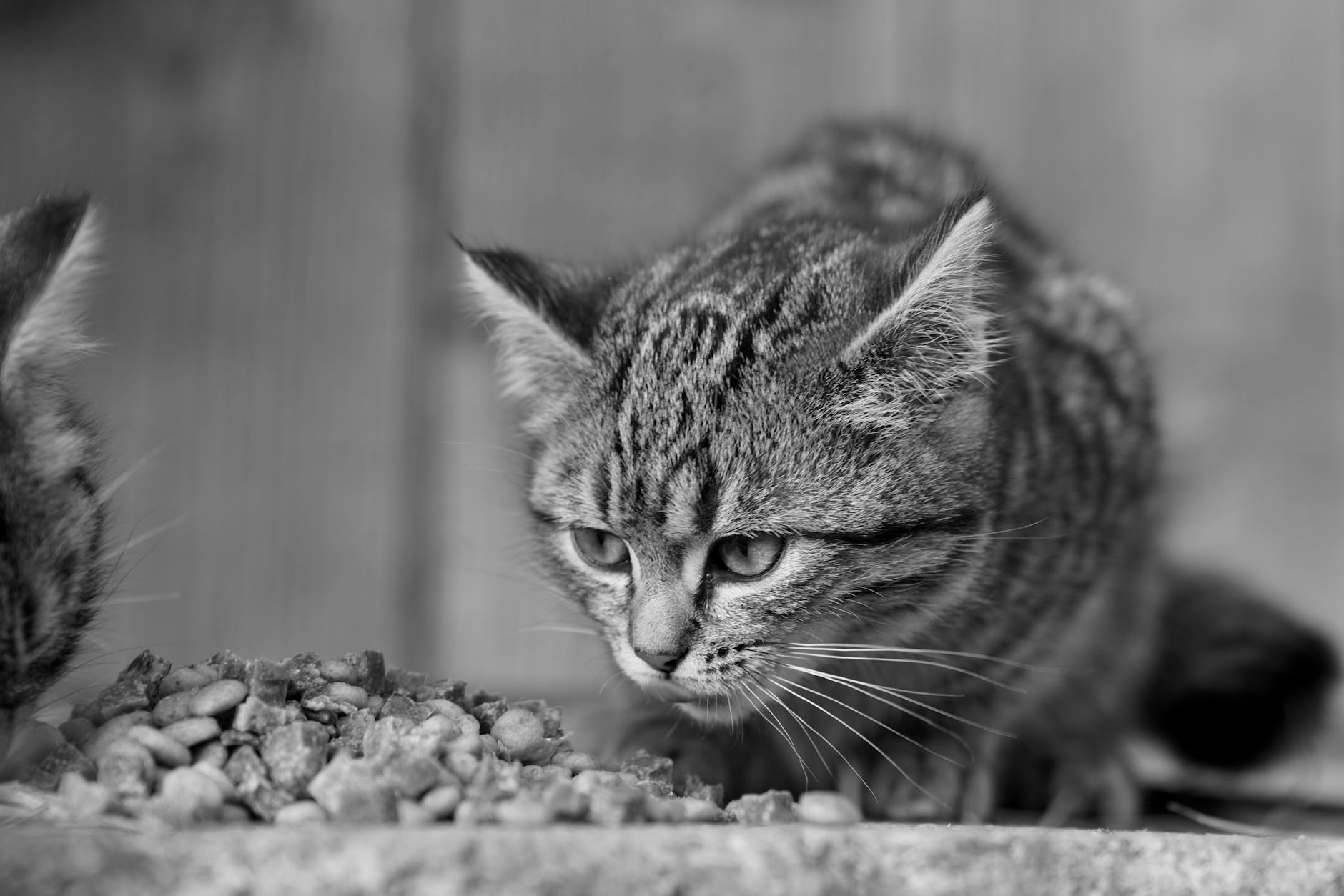
No, it is not safe for cats to eat food off the table. While a single lick or small taste of certain human foods may not cause immediate harm, regular table feeding introduces multiple risks including nutritional imbalances, gastrointestinal upset, and exposure to toxic ingredients. Cats have different nutritional requirements than humans, and their digestive systems are not equipped to process many common foods we consider safe for ourselves.
For example, a cat that regularly eats chicken with garlic seasoning may eventually develop hemolytic anemia as garlic compounds damage red blood cells, even though the initial incidents seem to cause no problems. The primary danger lies not in isolated incidents but in the cumulative effect of inconsistent access to inappropriate foods. Cats are opportunistic eaters, and once they learn that the table is a source of food, they become more persistent in their attempts to steal from plates, counters, and dinner time routines. This behavior can escalate into serious health issues and also creates household conflict and stress for both the cat and the people living there.
Table of Contents
- What Happens When Cats Eat Human Table Food?
- Toxic Foods and Serious Health Risks from Table Food
- Why Cats Beg and How Table Feeding Reinforces Bad Behavior
- Strategies to Prevent Cats from Eating Table Food
- Nutritional Imbalances from Inconsistent Table Feeding
- Cats with Special Dietary Needs and Table Food Risks
- Building a Sustainable Feeding Practice and Long-Term Health
- Conclusion
- Frequently Asked Questions
What Happens When Cats Eat Human Table Food?
When a cat consumes human food, several processes unfold that differ significantly from how we digest the same meal. cats are obligate carnivores, meaning their digestive systems evolved specifically to process meat and derive essential amino acids like taurine that their bodies cannot synthesize. When a cat eats a piece of seasoned pasta, buttered bread, or saucy meat, the excess fats, oils, and artificial seasonings irritate the stomach lining and can trigger vomiting or diarrhea within hours. A typical scenario involves a cat jumping on the dinner table and eating a few bites of your lasagna; within 6 to 12 hours, the owner notices the cat has vomited twice and has loose stools for the rest of the day. The digestive tract of a cat lacks certain enzymes that humans have in abundance.
For instance, cats have very low levels of lactase, the enzyme needed to break down lactose in dairy products, yet many people still offer their cats milk or cheese. This commonly leads to digestive upset despite the cultural image of cats enjoying milk. Additionally, cats have a lower tolerance for plant-based foods and carbohydrates; a cat eating a portion of rice or corn meal may develop inflammatory bowel responses that persist for days or weeks if the behavior continues. The liver and kidneys bear the brunt of processing unfamiliar food components. These organs work harder to filter out excess sodium, seasonings, and additives that appear in human meals, which can gradually stress these vital systems over time.
Toxic Foods and Serious Health Risks from Table Food
Several common human foods are actively toxic to cats and can cause severe illness or death. Onions, garlic, and chives contain thiosulfates that damage feline red blood cells and cause hemolytic anemia; as little as one slice of onion or a few garlic cloves can trigger this in sensitive cats, though symptoms may take days or weeks to manifest. chocolate contains theobromine, which cats metabolize much more slowly than humans, leading to heart arrhythmias, tremors, and seizures. Grapes and raisins cause acute kidney failure in cats through an unknown mechanism, and even a single grape can be life-threatening in some cases. Other dangerous table foods include xylitol (an artificial sweetener found in sugar-free foods, diet sodas, and some peanut butters), which causes rapid insulin release and severe hypoglycemia in cats.
Macadamia nuts, avocado, raw or undercooked meat, and bones also pose serious risks. A cat owner who unknowingly shares a piece of avocado toast or a sugar-free candy from their dessert plate could trigger a veterinary emergency. The limitation here is that cats cannot communicate exactly what they’ve eaten, so pet owners must actively prevent access rather than rely on symptoms to catch problems early. Beyond acute toxicities, the high sodium content in many human foods strains the kidneys, which is particularly dangerous for cats with existing renal disease or hypertension. Cats fed regular table scraps show higher rates of chronic kidney disease in veterinary studies.
Why Cats Beg and How Table Feeding Reinforces Bad Behavior
Cats beg at the table for the same reason dogs do: they learn that persistence works. Unlike popular belief, cats are highly capable of learning associations between behaviors and rewards. When a cat jumps on the table during dinner and steals a bite of chicken, and this happens even occasionally without immediate consequences, the cat learns that table-jumping is a viable foraging strategy. This behavior becomes stronger over time and spreads to other contexts; a cat rewarded for stealing food from the dinner table will also steal from counters, shelves, and windowsills.
The behavioral reinforcement is particularly strong because the reward (human food) is novel and interesting compared to cat food. Your cat’s regular kibble is designed to be nutritionally balanced but monotonous; a piece of steak or fish with different flavors and textures is inherently more stimulating. Once a cat tastes human food, it becomes more difficult to convince them to be satisfied with their own meals. Imagine trying to satisfy a person who has never had pizza by offering them plain crackers every day; after they taste pizza once, the crackers seem less appealing. This learned behavior also increases stress in multi-cat households and can create tension between cats and their owners, as people become frustrated with persistent table-robbing and may respond with punishment that damages the relationship.
Strategies to Prevent Cats from Eating Table Food
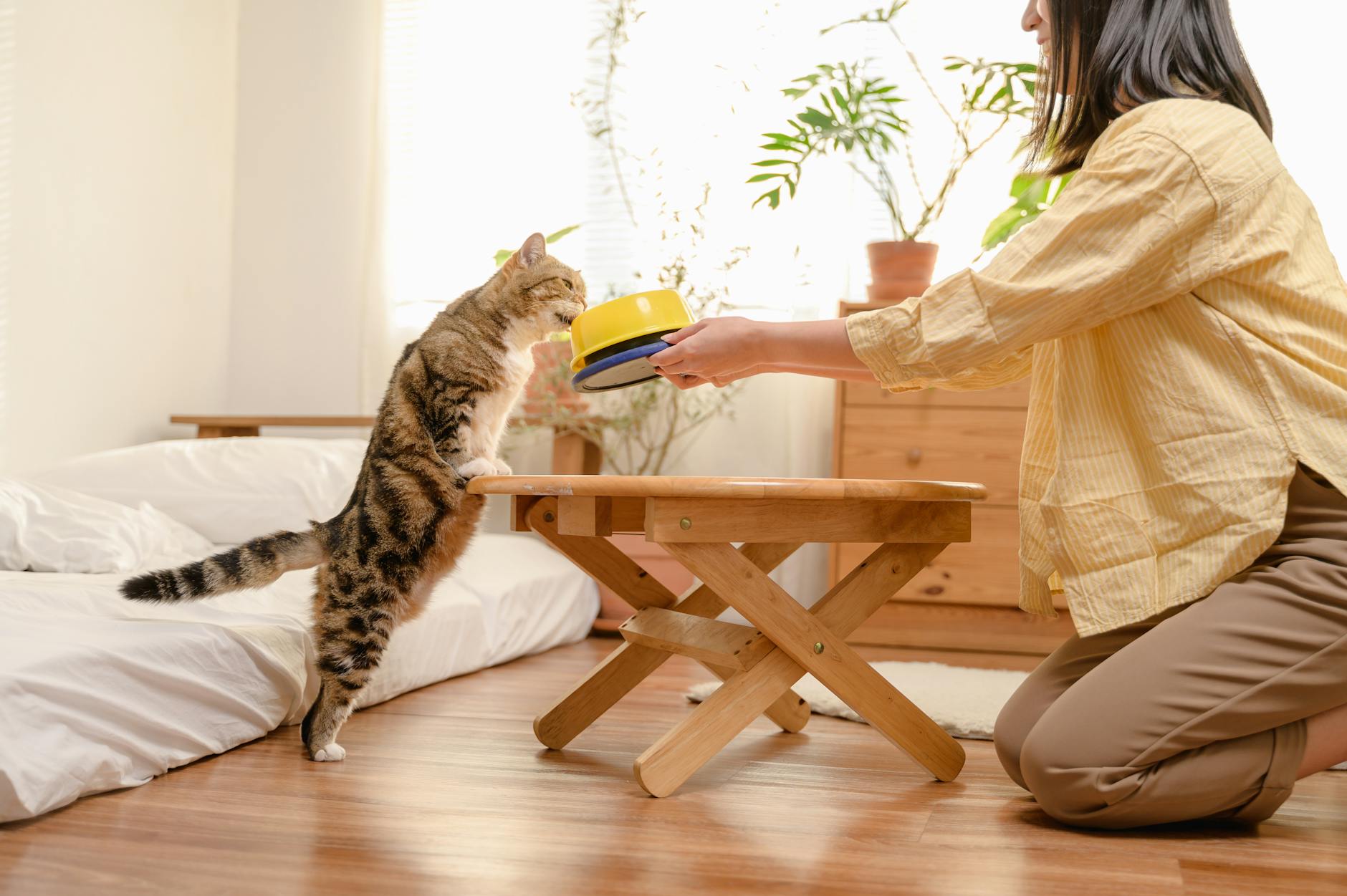
The most effective approach is prevention through environmental management rather than relying on punishment or negative reinforcement. During meals, keep cats in a separate room with their own food, water, and litter box, rather than allowing them to roam during family dinner. This prevents the opportunity for them to beg or steal while you eat, which avoids reinforcing the behavior entirely. For cats that are already established table thieves, this may feel restrictive initially, but it breaks the cycle faster than attempting to discourage the behavior through scolding. Secure all food on the table and avoid leaving leftovers or plates unattended on counters.
Use covered dishes when possible, and clean up spills immediately. The comparison here is useful: preventing a cat from learning to steal is far easier than trying to retrain a cat that already knows the dinner table is a food source. A kitten that never experiences table food learns to be satisfied with cat food; an adult cat that has enjoyed human meals for years will persistently search for ways to repeat that experience. Provide appropriate alternatives during your own meals. Some cats benefit from puzzle feeders or interactive toys that give them something to focus on while you eat, channeling their food-seeking behavior into appropriate outlets. Treats and praise should be offered at times completely separate from your own mealtimes, so the cat doesn’t create associations between human eating and getting rewards.
Nutritional Imbalances from Inconsistent Table Feeding
Cats on a mixed diet of cat food and regular table scraps often develop subtle nutritional deficiencies or excesses that take months to become apparent. Cat food is formulated with precise ratios of taurine, vitamin A, calcium, and phosphorus, all critical for feline health. Table food rarely provides these nutrients in the correct proportions. A cat that regularly eats table food may appear healthy on casual observation but develop issues like dilated cardiomyopathy (a heart disease caused by taurine deficiency) or dental disease accelerated by the excess carbohydrates and sugars in human foods.
The warning here is that cats compensate well and hide illness until problems become severe. A cat missing taurine may seem fine for six months before suddenly showing signs of heart disease. Cats fed table food also consume excess fat and sodium, which contribute to obesity, hypertension, and metabolic disorder. The additional calories from table scraps make it harder to maintain a healthy weight, and obesity in cats triggers diabetes, joint problems, and reduced lifespan. Some cats develop food preferences that make them rejection of balanced cat food, leading owners into a cycle where they offer more table food to encourage eating, which worsens nutritional imbalances.
Cats with Special Dietary Needs and Table Food Risks
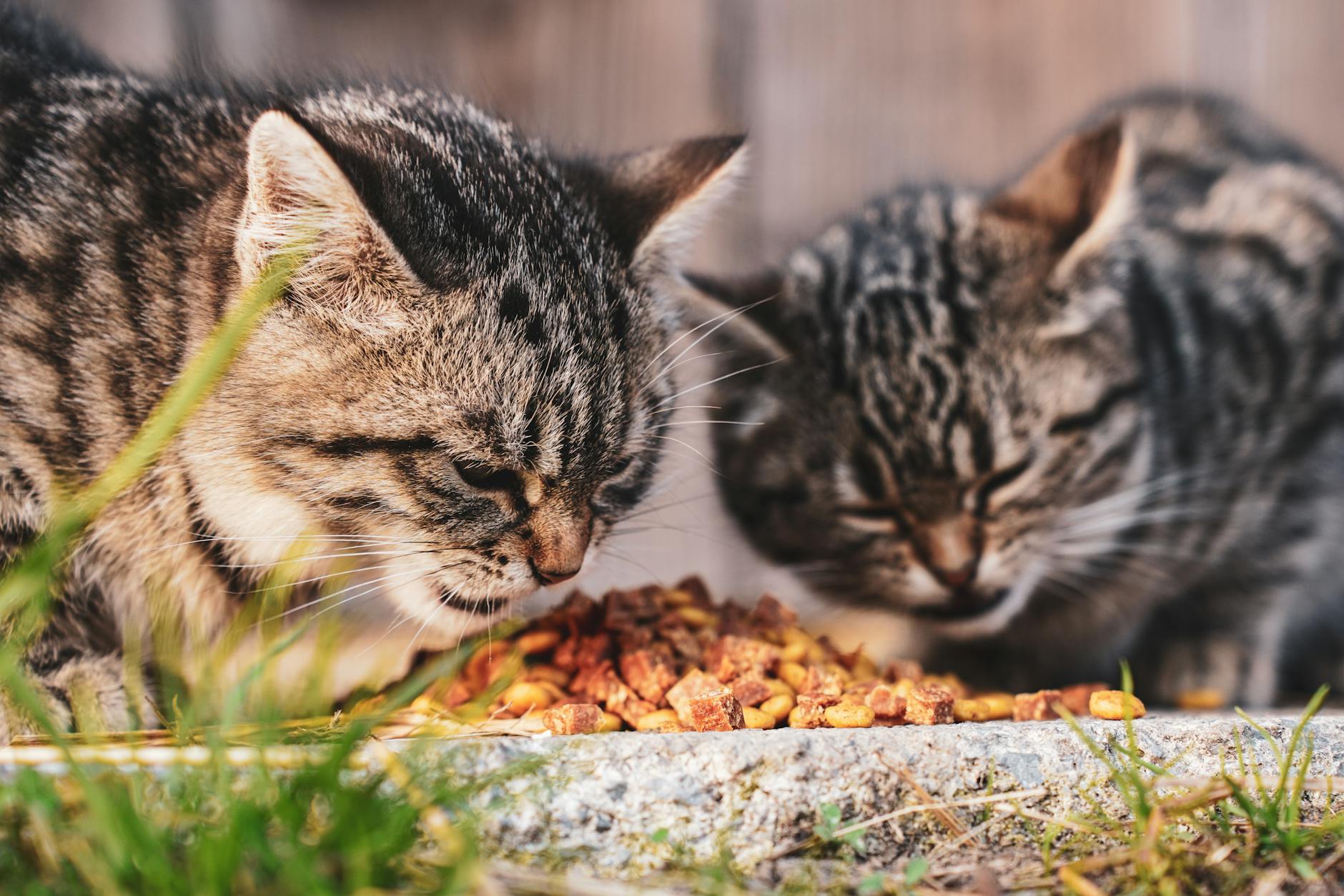
Cats with medical conditions like diabetes, kidney disease, food allergies, or digestive sensitivities face even greater danger from table feeding. A cat on a prescription renal diet cannot tolerate the sodium and phosphorus content of regular human meals, and even small tastes can disrupt the careful dietary management necessary to manage kidney function.
Similarly, cats with food allergies or inflammatory bowel disease suffer flares when exposed to allergens or irritants in table food, causing severe vomiting, diarrhea, and weight loss. Owners of medically compromised cats must be especially vigilant during meals and when guests visit, since a well-meaning visitor offering the cat “just a small piece” of their food can trigger a health crisis. This is one of the most frustrating situations for cat owners because the consequences are immediate and painful for the cat.
Building a Sustainable Feeding Practice and Long-Term Health
The long-term approach to keeping cats healthy involves establishing clear boundaries around table food from the beginning and maintaining consistency. Cats thrive on routine, and a consistent feeding schedule with appropriate cat food, distinct from human mealtimes, reduces stress and behavioral issues while supporting better health outcomes.
As veterinary nutrition science advances, new formulations of cat food continue to improve in palatability and digestibility, making it easier to keep cats satisfied on species-appropriate diets. Looking forward, more pet owners are recognizing that the brief satisfaction of sharing food with their cats creates long-term complications that undermine the human-animal bond rather than strengthen it. The best way to show your cat affection and care is through appropriate feeding practices, enrichment activities, and veterinary attention, not through table scraps.
Conclusion
Cats should not eat food off the table, as doing so introduces risks ranging from mild digestive upset to severe poisoning and long-term nutritional imbalances. The behavior also reinforces attention-seeking and theft patterns that become difficult to reverse.
By preventing table access during meals, avoiding the introduction of human foods entirely, and maintaining a consistent diet of balanced cat food, owners protect their cats’ health and prevent behavioral problems before they develop. If your cat has already developed a taste for table food, work with your veterinarian to create a transition plan back to appropriate nutrition, and implement strict environmental management to prevent future access. The effort required to prevent this behavior is far less than the cost, stress, and health impact of managing a cat with poisoning, digestive disease, or chronic behavioral issues stemming from table feeding.
Frequently Asked Questions
What if my cat eats just a tiny piece of my food—is that dangerous?
A single small piece of non-toxic food rarely causes immediate harm, but it reinforces the behavior and increases the likelihood your cat will attempt to steal food again. Consistency in prevention is more important than avoiding every single incident.
Can I give my cat some of my chicken dinner if I don’t season it?
Plain, cooked chicken is not toxic and can be given as an occasional treat in small amounts, but it’s better to offer treats at times completely separate from your meals to avoid creating associations between your eating and the cat receiving food.
What should I do if my cat eats something toxic?
Contact your veterinarian or an animal poison control center immediately with details about what was eaten and when. Do not wait for symptoms to appear, as early intervention can be life-saving for toxins like xylitol or grapes.
Is it okay to give my cat a little bit of milk or cheese?
Most adult cats are lactose intolerant and will experience digestive upset from dairy products. Plain, unsweetened yogurt or small amounts of hard cheese are tolerated better than milk, but cat food provides better nutrition than dairy.
Why is my cat suddenly trying to eat my food when it never did before?
Cats learn behavior through experience, so your cat may have recently discovered that table food is available and is now motivated to find it. Immediately restrict access and do not reward stealing with any food, even punishment-based attention.
Can I train my cat to only eat at certain times?
Yes, cats can be trained to eat on a schedule. Provide meals at set times in a designated area, and do not leave food out continuously, which helps prevent the association between your mealtimes and food availability for your cat.