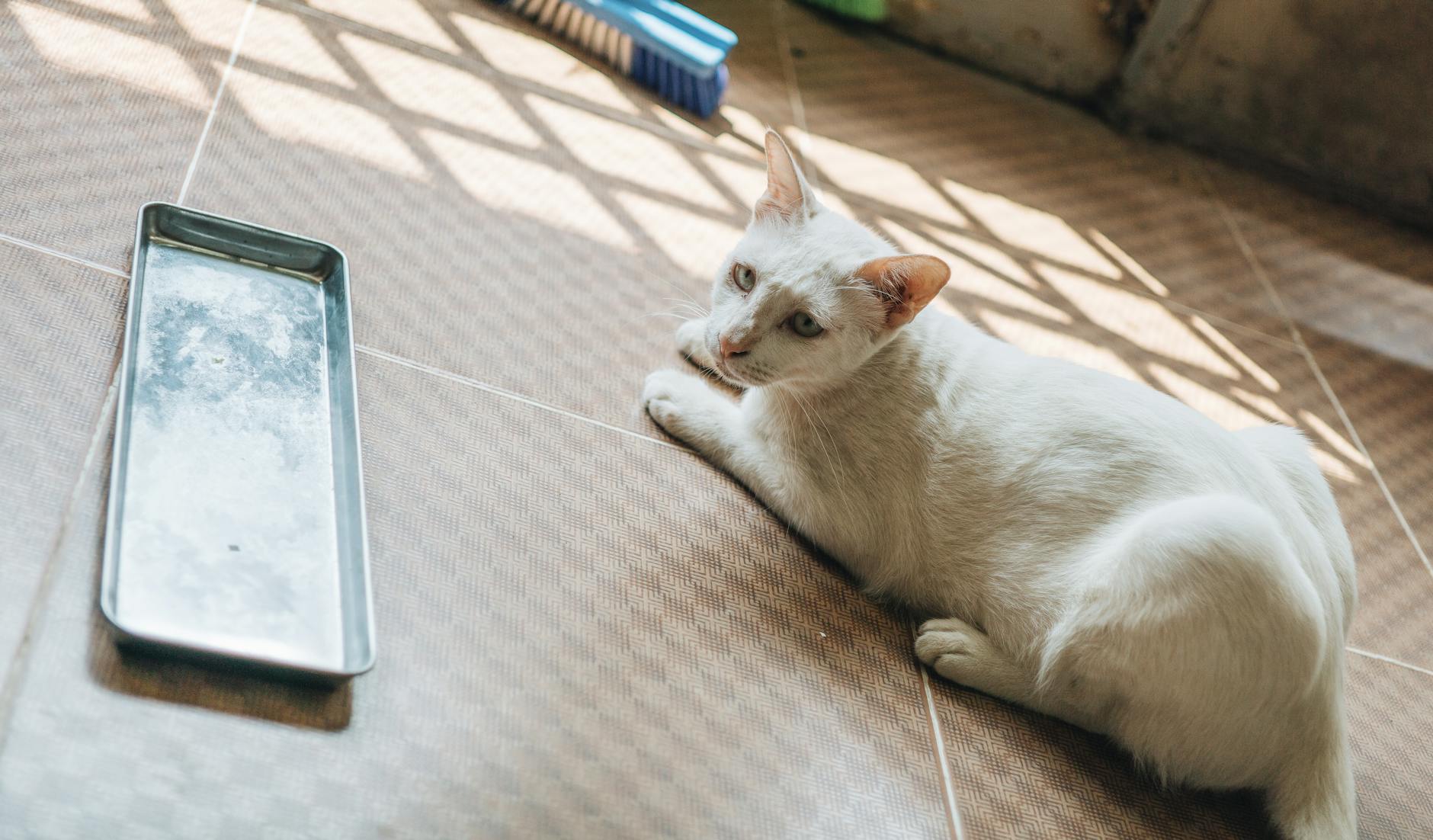
No, it is not safe for cats to chew on aluminum foil. While aluminum foil itself is not toxic or poisonous to cats, the physical act of chewing and potentially swallowing aluminum foil poses serious risks to your cat’s health. The danger lies not in chemical toxicity but in the material’s physical properties: it can create blockages in the digestive tract and develop sharp edges that damage the mouth, stomach, and intestines as it moves through the system. If your cat has a habit of playing with or chewing on aluminum foil—say, the wrapper from your butter dish or the covering on your leftovers—you should understand both the risks and what to do if ingestion occurs.
The distinction between toxicity and physical danger is important for cat owners to understand. Just because aluminum is not poisonous does not mean it is harmless. Many household materials are safe to touch but dangerous to swallow, and aluminum foil falls into this category. Your cat’s digestive system cannot break down or absorb aluminum, which means any swallowed foil will remain intact as it travels through the stomach and intestines, potentially causing serious complications if it becomes lodged.
Table of Contents
- Why Cats Are Drawn to Aluminum Foil and What Makes It Dangerous
- The Real Risk: Intestinal Obstruction and Internal Damage
- What Actually Happens When Your Cat Swallows Aluminum Foil
- How to Recognize Obstruction Symptoms and Know When to Call Your Vet
- Medical Treatment and What to Expect If Your Cat Needs Veterinary Care
- Preventing Aluminum Foil Ingestion and Safer Alternatives for Play
- Long-Term Monitoring and When to Remain Vigilant
- Conclusion
- Frequently Asked Questions
Why Cats Are Drawn to Aluminum Foil and What Makes It Dangerous
cats are naturally curious creatures with a tendency to bat at, chew on, and sometimes swallow objects that catch their attention. The crinkly texture of aluminum foil, the way it reflects light, and the sound it makes when disturbed all appeal to a cat’s hunting instincts and playful nature. Some cats are attracted to it because it mimics the texture of prey or simply because the sensory experience is stimulating. The problem is that what starts as innocent play—a kitten pouncing on a balled-up piece of foil or an adult cat chewing on a corner of a food wrapper—can quickly escalate to ingestion.
The real danger emerges once aluminum foil enters the digestive tract. Unlike food, aluminum foil cannot be digested or broken down. It remains a foreign object moving through your cat’s system, and if it becomes compressed or bunched up in the intestines, it develops sharp edges that can cut the stomach lining and intestinal walls. Think of it like this: a small, flat piece of foil might pass through harmlessly, but a crumpled ball of foil compressed by intestinal contractions becomes a jagged object with the potential to cause serious internal injury. This is why even small ingestions warrant monitoring and, in some cases, veterinary evaluation.

The Real Risk: Intestinal Obstruction and Internal Damage
The primary concern when a cat ingests aluminum foil is obstruction. If a larger piece or a bunched-up ball of foil becomes lodged in the intestines, it will not pass on its own. Unlike food, which the digestive system is designed to break down and move along, aluminum foil remains solid and static. A truly lodged obstruction can prevent the normal passage of digestive contents, leading to a backup in the system. This can be painful for your cat and requires veterinary intervention to resolve, often through endoscopy (a minimally invasive procedure using a camera and instruments to retrieve the object) or surgery.
Beyond obstruction, the sharp edges created when aluminum foil is compressed in the intestines pose a second danger: internal lacerations. As the foil is bunched and twisted by normal intestinal muscle contractions, it can develop sharp, piercing edges that scrape or cut the stomach lining and intestinal walls. These injuries can cause bleeding, inflammation, and in severe cases, a perforation of the intestine. A perforation is a medical emergency because it allows intestinal contents to leak into the abdominal cavity, leading to life-threatening peritonitis. This scenario is rare but possible, which is why prevention and prompt veterinary attention are critical.
What Actually Happens When Your Cat Swallows Aluminum Foil
If your cat swallows a small piece of aluminum foil—and you witness it or discover evidence of ingestion—the timeline of passage is an important factor in determining next steps. Small pieces of aluminum foil typically pass through the digestive system in 24 to 72 hours without incident. Your cat’s digestive tract will move the foil along just as it does with other indigestible objects, and the material will eventually be excreted in the stool. If your cat ate a tiny corner of a food wrapper or swallowed a small piece while grooming itself after contact with foil, there is a reasonable chance it will pass naturally without complications. However, larger pieces, crumpled balls, or foil that bunches up create a different scenario.
These are more likely to cause obstruction or to develop sharp edges as they move through the intestines. The passage timeline becomes uncertain; the foil might lodge anywhere along the digestive tract. This is why the amount and type of aluminum foil ingested matters. A cat that ate a single flake is in a very different situation from one that swallowed a ball of crumpled foil torn from a food container. Your veterinarian can help you assess the risk level based on what your cat actually consumed.

How to Recognize Obstruction Symptoms and Know When to Call Your Vet
Monitoring your cat after known or suspected aluminum foil ingestion is essential. If the foil passes without incident, you may notice it in the litter box over the next few days—it will appear as recognizable foil in your cat’s stool. However, if an obstruction is developing or if internal injury has occurred, specific warning signs will emerge. Vomiting is the most common early indicator of an obstruction; your cat may retch repeatedly or produce little to no material. Loss of appetite, lethargy, and abdominal pain (shown by a hunched posture, sensitivity to touch, or reluctance to move) are also red flags. Drooling, straining in the litter box, or constipation can indicate that something is blocking normal digestion.
The challenge is distinguishing between a cat that is simply stressed or temporarily off food and one with a genuine obstruction. A cat that ate foil 12 hours ago and is acting completely normally, eating normally, and defecating normally is less of an immediate concern than one showing any of the warning signs mentioned above. However, you should not assume that no symptoms means no risk. If your cat swallowed a significant amount of foil, or if symptoms develop at any point in the days after ingestion, contact your veterinarian immediately. It is always better to have a vet evaluate your cat than to wait and hope the foil passes on its own if there is any doubt. Early intervention can prevent serious complications.
Medical Treatment and What to Expect If Your Cat Needs Veterinary Care
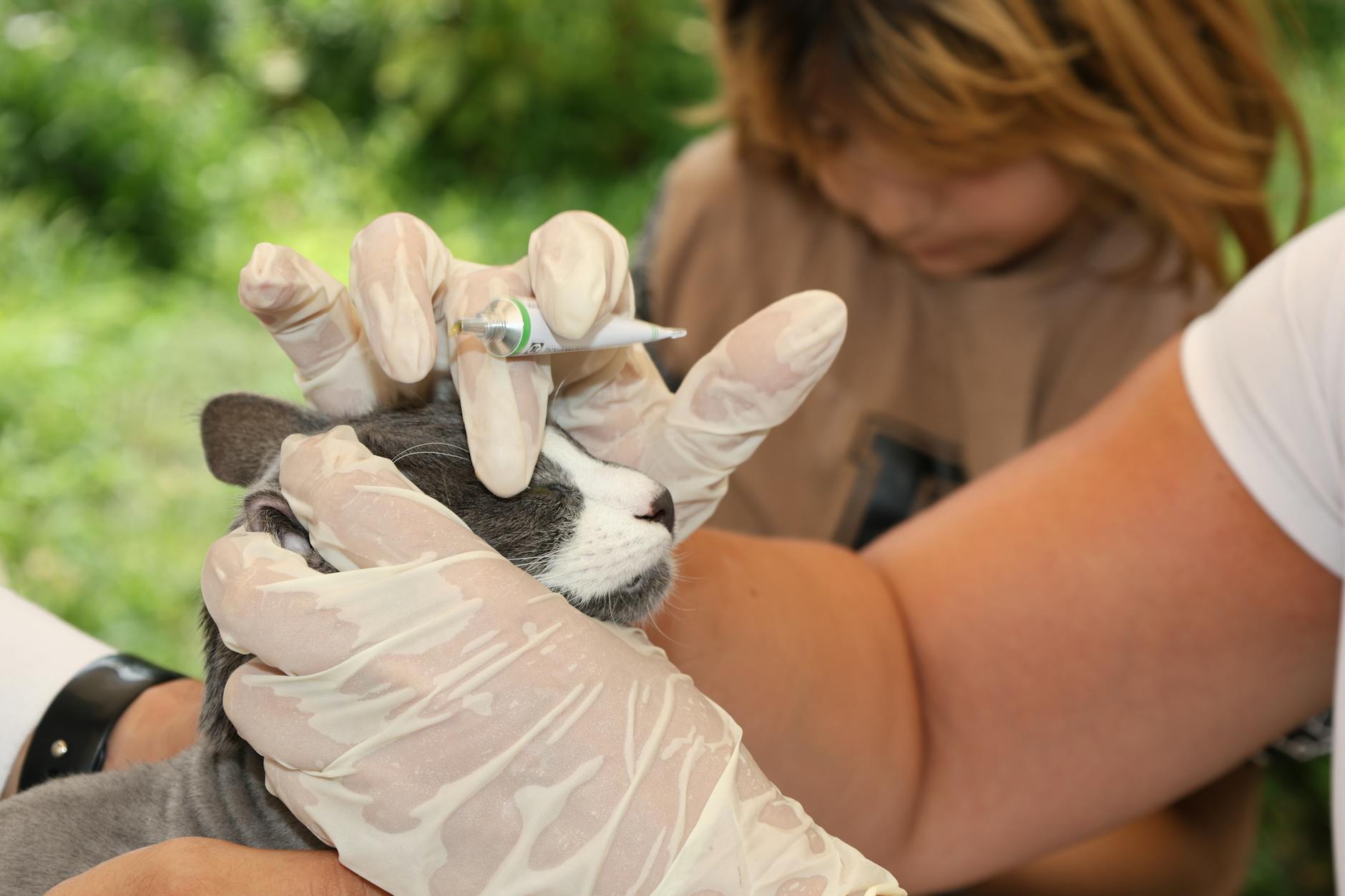
If your cat’s symptoms or your vet’s examination suggest an obstruction, the next step is imaging—typically an X-ray or ultrasound—to confirm the obstruction and its location. If aluminum foil is confirmed as the cause and it cannot be managed conservatively (with monitoring and supportive care), your vet may recommend endoscopy or surgery. Endoscopy is a minimally invasive procedure in which a flexible tube with a camera and retrieval instruments is passed down the cat’s throat and into the stomach and small intestine. If the foil is visible and accessible, it can often be retrieved without an incision. Recovery from endoscopy is typically faster than from surgery, with cats going home the same day or after an overnight stay.
If endoscopy is not possible or unsuccessful, surgical removal becomes necessary. The surgeon makes an incision in the abdomen, locates the affected intestine, and carefully removes the foil. Surgery carries more risk and requires a longer recovery period—typically 7 to 14 days of restricted activity and monitoring. The cost of treatment also varies considerably: endoscopy might range from $800 to $2,500, while surgery could cost $1,500 to $5,000 or more, depending on your location and the complexity of the case. A limitation of both procedures is that they address the immediate problem but not the underlying cause; if your cat continues to have access to aluminum foil or a compulsion to chew on it, the problem could recur.
Preventing Aluminum Foil Ingestion and Safer Alternatives for Play
The best approach to aluminum foil safety is prevention. Keep all aluminum foil, food wrappers, and foil-covered containers out of reach of your cat. Store foil boxes in high cabinets, and be mindful of food prep in the kitchen—do not leave wrapped items unattended where a curious cat can access them. If you use foil to cover dishes in the refrigerator, make sure your cat cannot push into the fridge or access stored items. When discarding food wrapped in foil, place it immediately in a sealed trash can or dispose of it outside, rather than leaving it on the counter or in an open wastebasket.
Redirecting your cat’s play and chewing instincts toward appropriate toys is also important. If your cat is attracted to the crinkly texture of foil, provide crinkly toys specifically designed for cats—balls and wands made with crinkle paper, or foil-like materials that are safe to chew and digest. A high-fiber diet has also been shown to help prevent blockages by speeding intestinal transit, giving any swallowed foreign material less time to become lodged or compressed. Discuss dietary adjustments with your vet to see if they are appropriate for your cat. Additionally, enrichment activities—interactive play, climbing structures, and puzzle feeders—keep cats mentally and physically stimulated, reducing the likelihood of compulsive chewing on household objects.
Long-Term Monitoring and When to Remain Vigilant
If your cat has previously ingested aluminum foil and passed it uneventfully, or if your cat has undergone treatment for an obstruction, ongoing vigilance is essential. Some cats develop a pattern of eating or chewing on non-food items—a condition called pica. If your cat is prone to this behavior, you will need to be extra diligent about environmental management and may benefit from a veterinary discussion about whether underlying medical or behavioral issues are at play. A cat that repeatedly tries to chew on foil should be evaluated to rule out nutritional deficiencies, dental disease, or stress-related behaviors that could be addressed.
Moving forward, the key is a combination of prevention and awareness. Know what your cat has access to, watch for behavioral changes or symptoms that might indicate a problem, and trust your instincts. If you suspect your cat has ingested aluminum foil, contact your vet rather than waiting to see if symptoms develop. The peace of mind that comes from a professional evaluation is worth the effort, and early intervention can prevent a minor incident from becoming a serious, costly medical emergency.
Conclusion
Aluminum foil is not toxic to cats, but it is decidedly unsafe for them to chew on or swallow. The real danger lies in the risk of intestinal obstruction and the development of sharp edges that can damage internal tissues. Small ingestions may pass naturally within 24 to 72 hours, but larger amounts or crumpled foil pose serious risks that can require endoscopy or surgery to address. Symptoms like vomiting, loss of appetite, drooling, and abdominal pain demand immediate veterinary attention.
The best strategy is prevention: keep aluminum foil out of reach, provide appropriate toys and enrichment, and monitor your cat closely if ingestion occurs. If your cat swallows aluminum foil, do not assume it will pass harmlessly on its own. Contact your veterinarian, describe what your cat ingested, and follow their guidance. By understanding the risks and taking preventive measures, you can keep your curious cat safe from this household hazard.
Frequently Asked Questions
Is aluminum foil poisonous to cats?
No, aluminum foil is not toxic or poisonous to cats. The danger is physical, not chemical. It cannot be digested and can cause intestinal blockages or internal injuries if swallowed in significant amounts.
How long does it take for aluminum foil to pass through a cat’s system?
Small pieces of aluminum foil typically pass through the digestive system in 24 to 72 hours. However, larger pieces or bunched foil may become lodged and not pass at all without veterinary intervention.
What are the warning signs that my cat has an obstruction from aluminum foil?
Watch for vomiting, loss of appetite, drooling, abdominal pain (hunched posture or sensitivity to touch), lethargy, and straining in the litter box. Contact your vet immediately if any of these signs appear.
What should I do if I see my cat swallow aluminum foil?
Contact your veterinarian and describe the amount and type of foil ingested. Your vet may recommend monitoring, imaging, or immediate evaluation depending on the circumstances.
Can aluminum foil be removed without surgery?
If caught early and the foil is in the stomach or accessible portion of the small intestine, endoscopy may retrieve it without surgery. Surgery is needed if endoscopy is not possible or if the foil has caused injury or is lodged deeper in the intestines.
How can I prevent my cat from chewing on aluminum foil?
Store foil and foil-wrapped items in sealed cabinets, dispose of wrappers promptly in sealed trash, and provide appropriate alternatives like crinkly toys. A high-fiber diet may also help speed intestinal transit if ingestion does occur.