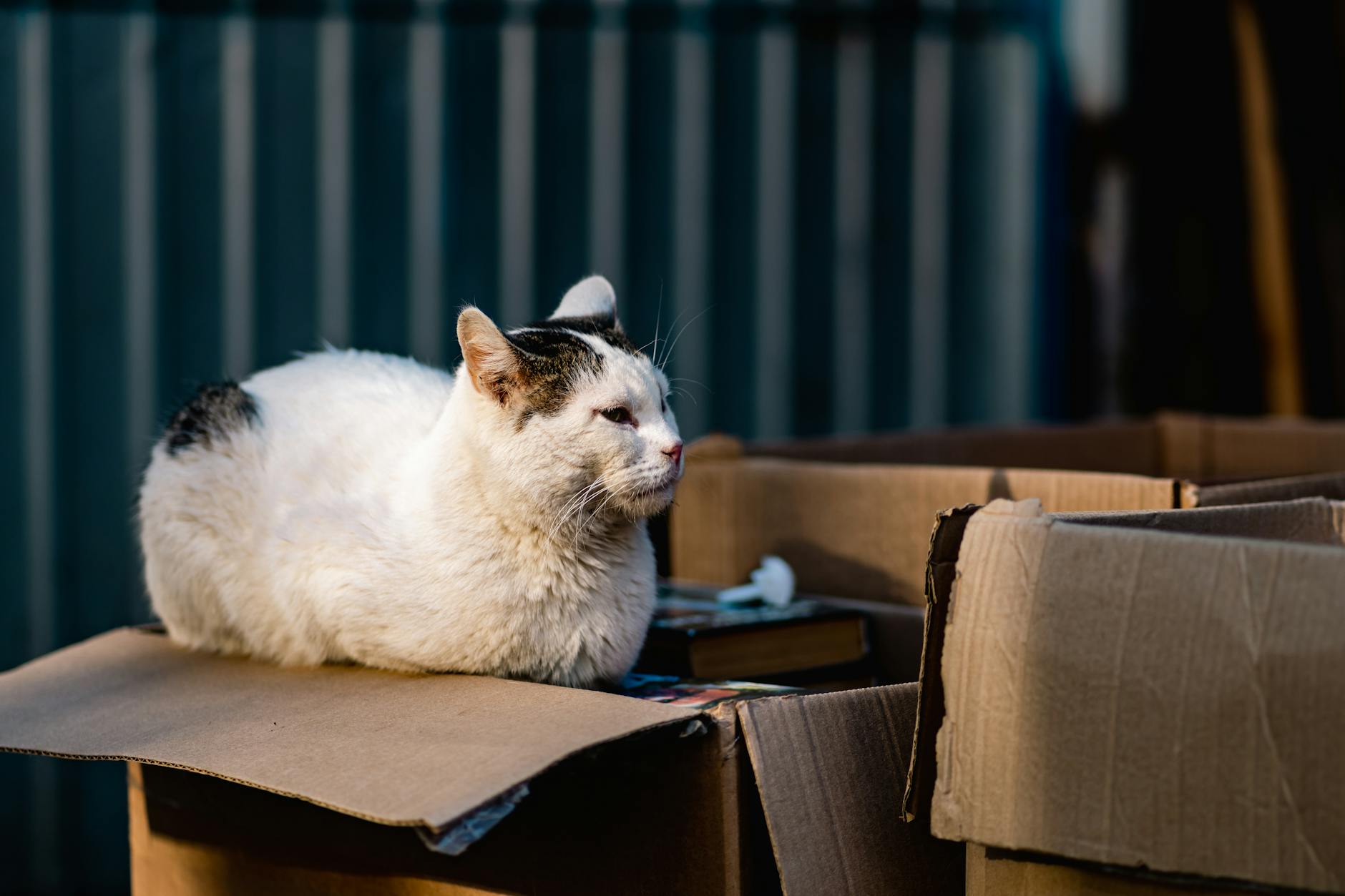
Cats chewing on cardboard food boxes is generally safe in small amounts, but it’s not something you should encourage. The main concern isn’t that cardboard itself is toxic—it’s not—but rather what might happen to your cat from regular chewing habits. When a cat nibbles on a cardboard box, they’re usually just exploring with their mouth or engaging in natural grooming behavior, and occasional contact causes no harm.
However, if your cat is regularly consuming pieces of cardboard, this can lead to digestive issues like intestinal blockages or impaction, which require veterinary intervention. The cardboard in food boxes often contains glues, inks, and potentially food residue that varies in safety depending on the box’s purpose and handling. A cat taking a few bites of a clean pizza box is different from one obsessively chewing through multiple boxes daily. Understanding the risks, recognizing warning signs, and knowing how to redirect this behavior are essential for cat owners who notice their pets showing interest in cardboard.
Table of Contents
- Why Do Cats Chew on Cardboard Boxes?
- Digestive Risks and Intestinal Blockages
- Food Box Contents and Chemical Exposure
- How to Redirect and Manage Cardboard Chewing
- When Cardboard Chewing Signals a Health Problem
- Cardboard Safety Compared to Other Materials
- Long-term Management and When to Seek Help
- Conclusion
- Frequently Asked Questions
Why Do Cats Chew on Cardboard Boxes?
cats chew on cardboard for several behavioral and physiological reasons. Kittens and young cats often chew as part of teething, similar to human babies, and the texture of cardboard provides a satisfying sensation. Adult cats may chew on cardboard due to boredom, stress, or anxiety—it becomes a self-soothing behavior comparable to how a nervous human might bite their nails.
Cats with indoor-only lifestyles are particularly prone to cardboard chewing because they lack the environmental enrichment of outdoor exploration. Nutritional deficiencies can also trigger pica (the urge to eat non-food items), though this is less common in cats than in dogs. If your cat is suddenly obsessed with cardboard after eating normally for years, a veterinary checkup is wise to rule out underlying health issues like hyperthyroidism or gastrointestinal disease. Older cats sometimes develop behavioral changes, including increased chewing, as part of cognitive decline or pain management responses.
Digestive Risks and Intestinal Blockages
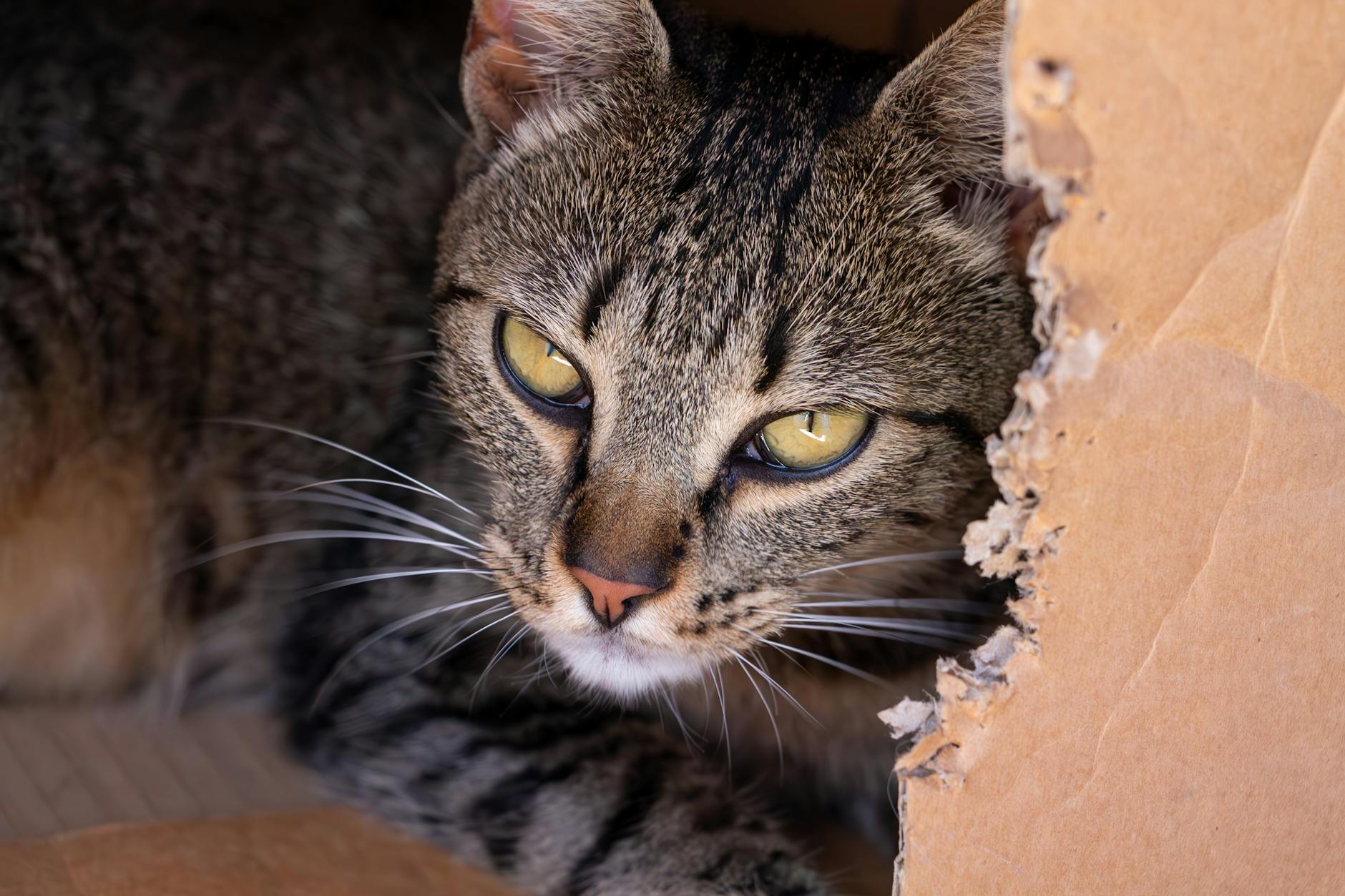
The primary danger from cardboard consumption is that cats cannot digest it, leading to potential blockages in their digestive system. Unlike cattle that have specialized stomachs for breaking down plant material, cats are obligate carnivores with no biological mechanism to process cellulose. When a cat swallows cardboard pieces, these fragments can accumulate in the intestines, causing impaction or complete obstruction that prevents normal digestion.
Symptoms of intestinal blockage include vomiting, lethargy, loss of appetite, constipation or diarrhea, and abdominal pain. A cat exhibiting these signs after heavy cardboard chewing needs emergency veterinary care, as intestinal blockages can be life-threatening and may require surgical intervention. The cost of blockage surgery can exceed $2,000-5,000, making prevention through behavioral management far more practical than treating the aftermath. Additionally, even without a complete blockage, chronic cardboard consumption can cause chronic constipation and intestinal inflammation.
Food Box Contents and Chemical Exposure
Cardboard food boxes often contain more than just cardboard—they include adhesives, food residue, and printing inks that may pose their own risks. The glues used in commercial box assembly are typically non-toxic but can cause gastrointestinal upset if ingested in large quantities. Printing inks on the exterior of boxes are formulated to be food-safe but aren’t designed for direct ingestion, and some cats may experience mild digestive irritation from ink exposure. Raw or undercooked food residue left inside boxes presents a more serious concern.
If your cat chews on a box that recently held raw meat, they could be exposed to bacteria like salmonella or E. coli. Boxes from bakery items may contain xylitol-sweetened products or chocolate residue, both toxic to cats. Comparing the risk levels: a cardboard box from a supermarket is lower-risk than one that held specialty pet food or human food with additives, making the source of the box relevant to how much concern is warranted.

How to Redirect and Manage Cardboard Chewing
The most effective approach is providing appropriate alternatives and making cardboard less accessible. Designate specific chew toys designed for cats—crinkle toys, rubber toys with texture, or catnip toys—and actively play with your cat to redirect their chewing instinct toward appropriate objects. Enrichment activities like puzzle feeders, window perches, and interactive toys address boredom, which is often the root cause of excessive cardboard chewing.
Physically limiting access is equally important: store empty boxes promptly, keep food boxes closed in cabinets, and consider a storage solution that keeps cardboard out of paw’s reach. This is where many owners make a mistake—they leave boxes sitting out as convenient storage, inadvertently creating a constant chewing temptation for their cat. If your cat chews cardboard as a stress response, identify stressors in their environment (loud noises, household changes, lack of hiding spaces) and address these directly. Some cats respond well to calming supplements like L-theanine or feline pheromone diffusers, which may reduce the anxious chewing impulse.
When Cardboard Chewing Signals a Health Problem
Sudden onset of cardboard chewing in an adult cat warrants a veterinary evaluation. Pica related to nutritional deficiency is uncommon in cats eating complete commercial diets, but metabolic disorders like hyperthyroidism, diabetes, or certain cancers can trigger abnormal chewing behavior. Dental disease is another overlooked cause—if chewing is painful, cats sometimes target cardboard as a softer alternative that feels better than hard kibble.
Behavioral health also matters: cats experiencing stress, anxiety, or early cognitive decline may develop compulsive chewing. The limitation of behavioral management alone is that it can only address the symptom, not an underlying medical cause. A cat with a thyroid problem will continue chewing cardboard despite excellent enrichment and access restrictions until the thyroid condition is treated. This is why a combination approach—veterinary evaluation followed by environmental and behavioral modifications—works better than trying one solution in isolation.
Cardboard Safety Compared to Other Materials
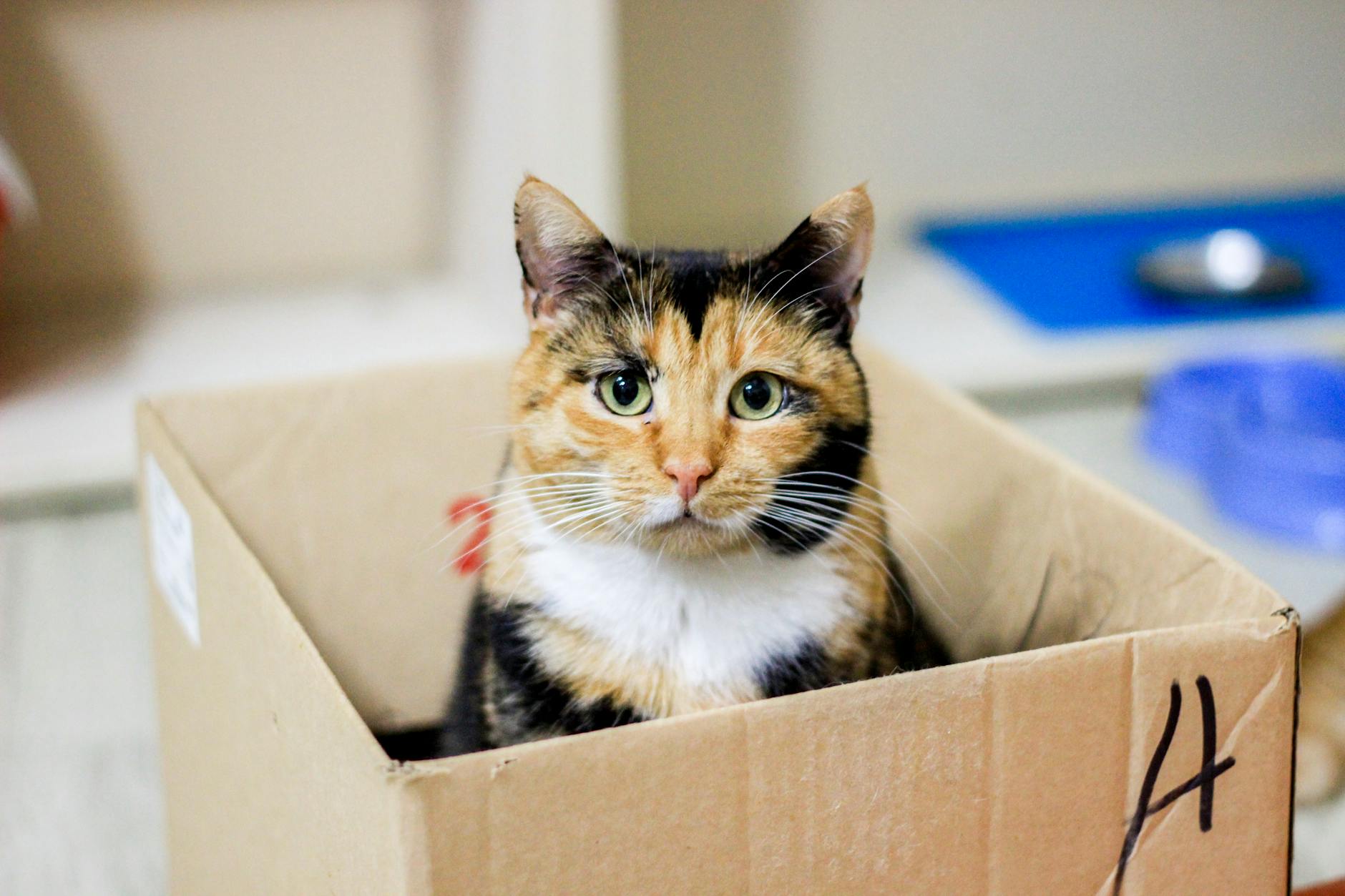
Cardboard is relatively safer than many household items cats chew on, making it a “lesser concern” scenario. Plastic, rubber, and foam are far more dangerous because they don’t break down in the digestive system and fragment more easily into sharp or large pieces that cause blockages. String, yarn, and elastic can cause linear foreign bodies that bunch up intestinal tissue—a condition even more dangerous than cardboard impaction.
Metal or sharp objects from boxes (staples, corners) add injury risk beyond simple blockage. However, this comparative safety doesn’t mean cardboard chewing should be ignored. Some owners think “it’s just cardboard, not harmful,” which leads them to tolerate behavior that, while less immediately dangerous than string-eating, can still result in blockages and digestive problems. The key distinction is that cardboard is low-toxicity but still carries meaningful digestive risk, unlike truly benign chewing options like sisal rope or untreated wood toys.
Long-term Management and When to Seek Help
Managing cardboard chewing is often a long-term commitment, especially for cats with deeply ingrained behavior patterns. Environmental enrichment isn’t a one-time fix—you need consistent, rotating toys and activities to maintain your cat’s engagement. If a cat has chewed cardboard for years without problem, they may have a higher tolerance or lower blockage risk, but this isn’t guaranteed and can change with age or diet alterations.
Consider consulting with a feline behaviorist if standard management approaches aren’t working. They can identify subtle stress triggers or obsessive patterns you might miss and create a customized behavior modification plan. As your cat ages, monitor for changes in chewing intensity or appetite that might indicate emerging health issues. Preventive care—regular veterinary checkups, dental assessments, and early intervention for behavior changes—reduces the likelihood of cardboard chewing escalating into a medical emergency.
Conclusion
Cats chewing on cardboard food boxes is generally safe in moderation, but regular or obsessive cardboard consumption carries meaningful risks of intestinal blockage and digestive upset. The combination of cardboard’s indigestibility, the potential for impaction, and the chemicals in food boxes makes prevention and management essential. Most cases can be effectively addressed through environmental management, behavioral enrichment, and redirecting your cat’s chewing impulses to appropriate toys.
If your cat shows sudden interest in cardboard, chews obsessively despite deterrents, or displays any digestive symptoms, consult your veterinarian. A vet can rule out underlying health conditions and confirm that your cat’s cardboard interest is purely behavioral. By combining physical barriers, enrichment, and professional guidance when needed, you can keep your cat safe while addressing the underlying needs driving the behavior.
Frequently Asked Questions
Is cardboard toxic to cats?
No, cardboard itself is not toxic. However, the glues, inks, and food residue on boxes can sometimes cause minor gastrointestinal upset, and the cardboard can create blockages if ingested in large amounts.
How much cardboard is safe for a cat to eat?
Ideally, none—cats cannot digest cardboard, and any amount consumed poses a blockage risk. Small occasional nibbles are unlikely to cause problems, but regular or significant cardboard consumption should be prevented.
Can cardboard chewing cause an intestinal blockage?
Yes. If a cat swallows cardboard pieces, they can accumulate in the intestines and cause impaction or complete blockage, which is painful and potentially life-threatening without veterinary treatment.
What should I do if my cat chews cardboard boxes?
Remove access to cardboard, provide appropriate chew toys, ensure adequate enrichment and play, and address any stress or boredom. If the behavior is sudden or obsessive, consult your veterinarian to rule out underlying health issues.
Are pizza boxes or delivery boxes safer than food packaging?
Pizza boxes are generally lower-risk since they’re less likely to contain chemicals beyond printing ink and grease. However, any cardboard carries blockage risk if ingested in quantity. Boxes from specialty foods, treats, or medical products may be higher-risk due to adhesives or residue.
When should I worry about my cat’s cardboard chewing?
Seek veterinary attention if your cat shows vomiting, loss of appetite, constipation, lethargy, or abdominal pain after chewing cardboard, or if the behavior is sudden and compulsive despite enrichment efforts.