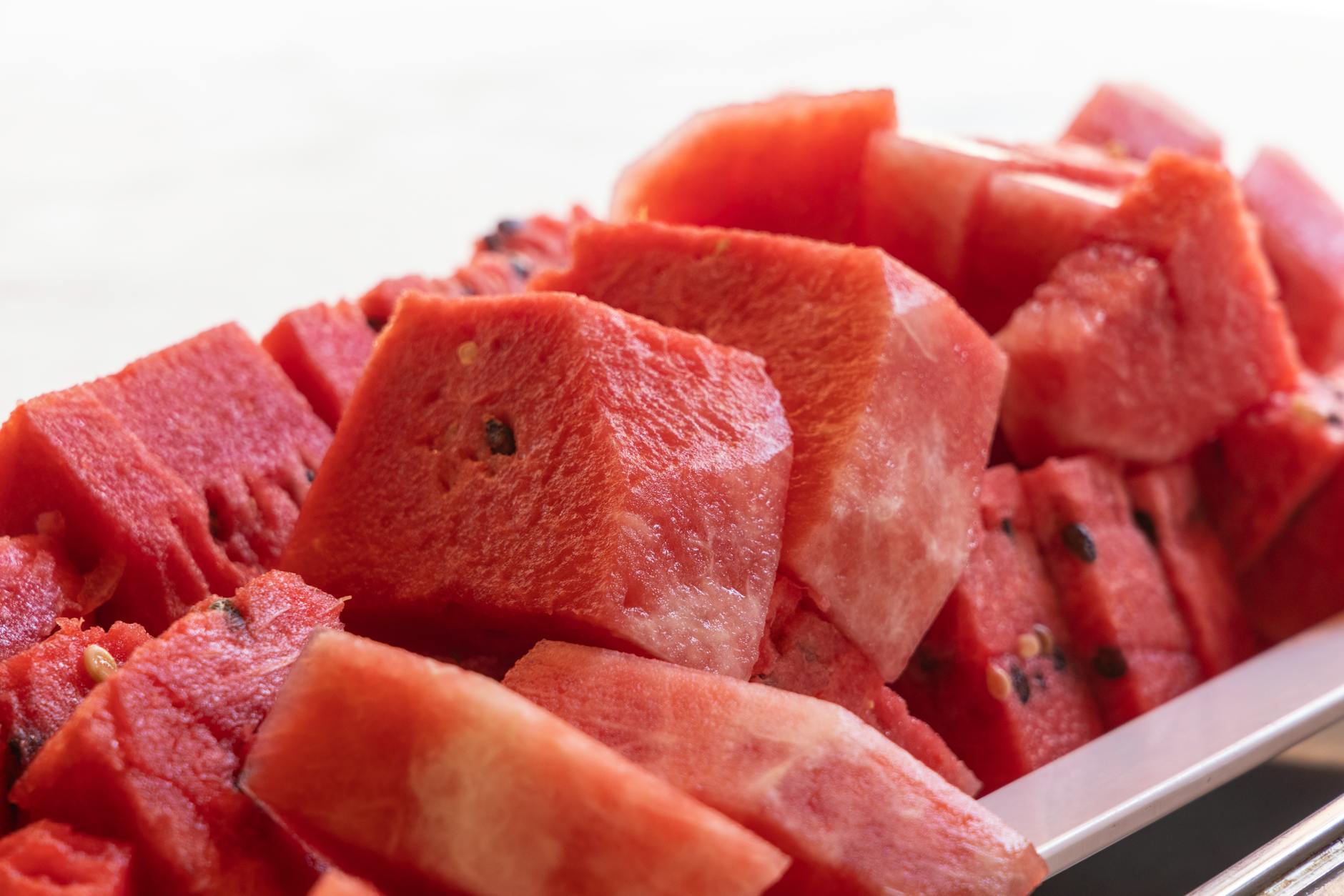
Yes, cats can safely eat small amounts of watermelon in moderation. Watermelon is not toxic to cats and contains mostly water, which can be beneficial during hot weather. However, while a small taste won’t harm your cat, watermelon should never be a dietary staple, and there are specific preparation methods and portion sizes to follow.
For example, if your cat shows interest in your watermelon slice on a summer afternoon, removing the seeds and rind and offering a piece roughly the size of a sugar cube is a safe way to let them investigate without risk. The primary reason watermelon is safe for cats relates to its composition: it’s over 90 percent water with very low calories and no compounds that are toxic to felines. Unlike grapes or onions, which pose genuine health risks, watermelon contains no substances that trigger poisoning in cats. That said, cats are obligate carnivores with specific nutritional needs that watermelon simply cannot meet, so it functions only as an occasional treat at best, not as a meaningful dietary addition.
Table of Contents
- Can Cats Digest Watermelon Properly?
- Watermelon’s Limited Nutritional Value for Felines
- Seeds, Rinds, and Preparation Risks
- How to Safely Offer Watermelon to Your Cat
- Signs of Digestive Upset and When to Stop
- Individual Cat Factors and Allergies
- Watermelon in the Broader Context of Feline Nutrition
- Conclusion
- Frequently Asked Questions
Can Cats Digest Watermelon Properly?
cats can digest small amounts of watermelon without serious problems, but their digestive systems aren’t optimized for fruit. The challenge isn’t toxicity—it’s that watermelon offers nothing nutritionally that a cat requires, and introducing unfamiliar foods can trigger temporary digestive upset. Some cats experience mild diarrhea or loose stools after eating even small amounts of watermelon, particularly if they have sensitive stomachs or if the piece is larger than they’re accustomed to handling.
A cat eating a tablespoon of seedless watermelon flesh might show no ill effects, while another cat experiencing the same amount could develop soft stools within hours. Most cats lack the enzymes to efficiently process fruit sugars and fiber, which is why their carnivorous ancestors never evolved to seek out plant-based foods. When a cat does consume watermelon, the high water content moves through their digestive tract relatively quickly, and the low calorie density means there’s minimal energy for the body to extract. In practical terms, if your cat sneaks a bite of your watermelon without your permission, the risk of serious harm is extremely low—but offering it regularly might cause more digestive complaints than occasional surprise exposure.
Watermelon’s Limited Nutritional Value for Felines
While watermelon contains vitamins A and C, along with potassium and magnesium, these nutrients are neither concentrated enough nor in a form that cats require. Cats have completely different nutritional needs than humans or even dogs: they require taurine (an amino acid they cannot synthesize), vitamin A in its preformed state, and a diet built around animal proteins. The vitamin C in watermelon is essentially irrelevant to cat nutrition, as cats produce their own vitamin C and don’t need dietary sources.
The potassium and magnesium, while present in small amounts, are far more efficiently obtained from meat-based foods that cats naturally consume. A significant limitation of treating watermelon as a health food for cats is that it can create a false sense of providing hydration or nutritional benefit when a cat’s actual needs are far more specialized. Some owners offer watermelon hoping to increase water intake in cats that don’t drink enough, but this is an inefficient approach—cats get most hydration from their food when eating a diet of fresh or wet meat, and water added through watermelon displaces stomach space that could be filled with nutritionally complete foods. If a cat is genuinely dehydrated or not drinking enough water, this is a veterinary concern that requires assessment of the cat’s diet, kidney function, or behavioral issues, not fruit supplementation.
Seeds, Rinds, and Preparation Risks
The biggest practical danger with watermelon isn’t the flesh itself but the parts most owners don’t think twice about. Watermelon seeds contain small amounts of compounds that can cause mild gastrointestinal upset in cats, and more importantly, seeds pose a choking hazard or potential blockage risk if swallowed whole—particularly in kittens or cats that don’t chew thoroughly before swallowing. The rind is too tough for most cats to digest efficiently and can irritate the digestive tract or, in rare cases, cause partial blockages if ingested in large pieces. A cat that manages to eat a wedge of watermelon with the rind intact might spend the next 24-48 hours with vomiting or constipation.
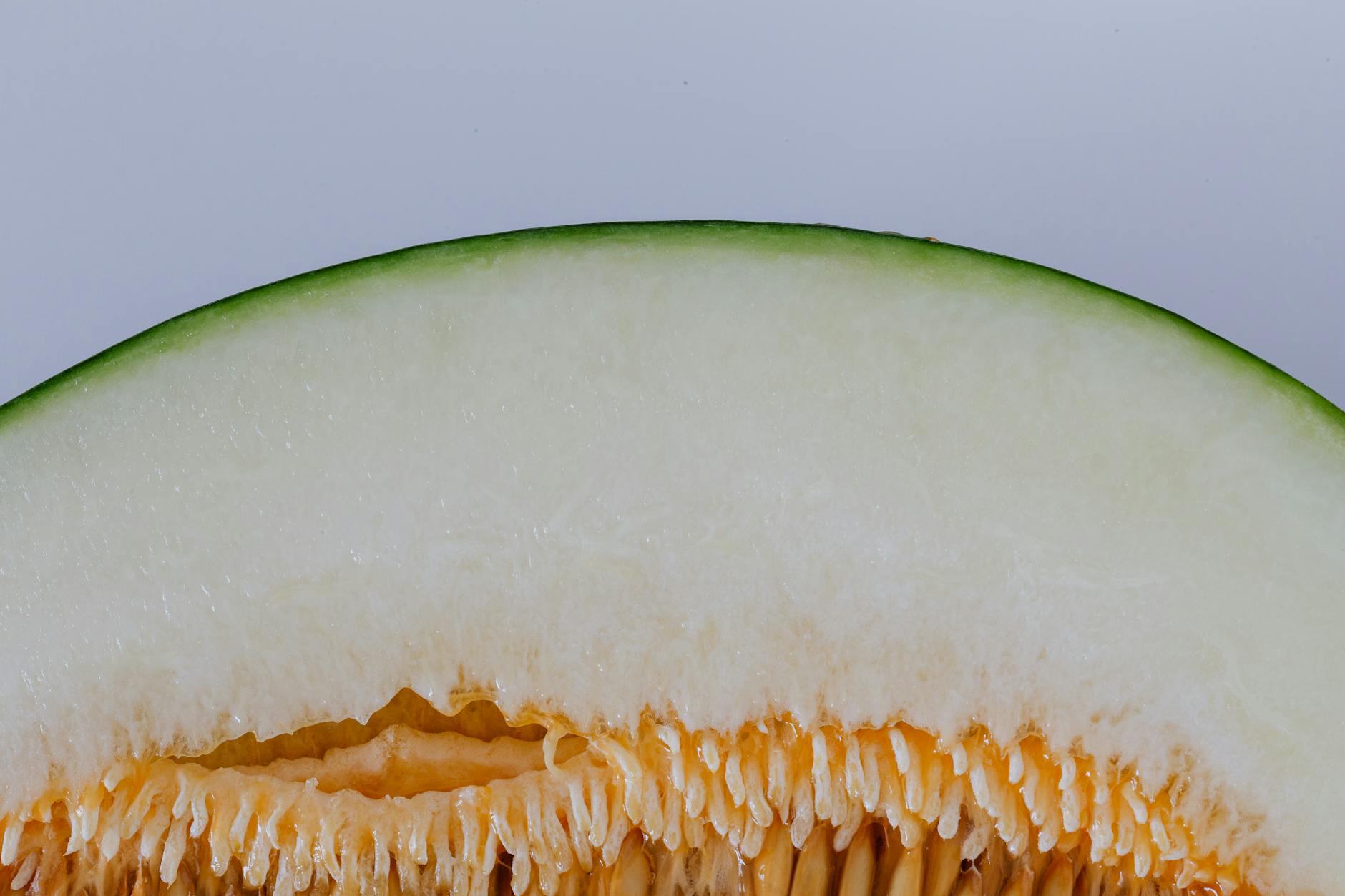
If you decide to offer watermelon to your cat, seedless varieties are essential, and the rind must be completely removed before any piece reaches your cat’s mouth. Even then, the flesh itself should be cut into very small pieces—no larger than a pea or two—to minimize choking risk and make it easier for the cat’s digestive system to process. This preparation requirement itself is a practical limitation: watermelon is rarely worth the effort of proper preparation for an animal that gains no meaningful nutritional benefit from it. Frozen watermelon pieces are particularly risky because they harden the flesh and increase choking hazard, and they can be uncomfortably cold for a cat’s mouth and throat.
How to Safely Offer Watermelon to Your Cat
If you want to allow your cat to try watermelon, the safest approach is to offer it as a rare, special treat only once every few weeks or months, not as a regular part of their diet. Choose only seedless watermelon varieties, cut away the rind completely, and offer only a small piece—roughly the size of a dice cube or smaller. Observe your cat for any signs of digestive upset over the next 24 hours, including changes in litter box habits, vomiting, or lack of appetite.
If your cat shows any adverse reaction, don’t offer watermelon again. The comparison between offering watermelon and offering other treat options highlights a practical tradeoff: cat-specific treats, wet food variety, or even small cooked chicken pieces provide actual nutritional value and are less likely to upset digestion. Watermelon is essentially a novelty with minimal upside and some downside risk, particularly for cats with sensitive digestive systems, kittens, elderly cats, or any cat with preexisting gastrointestinal conditions. If your cat shows interest in watermelon, this is typically curiosity rather than a nutritional need, and satisfying that curiosity with a tiny taste is harmless—but expanding beyond that requires justification that really isn’t there from a health standpoint.
Signs of Digestive Upset and When to Stop
After offering watermelon to your cat, watch for vomiting within 2-4 hours, diarrhea or loose stools within 6-24 hours, reduced appetite, lethargy, or excessive grooming of the rear end. These signs indicate your individual cat’s digestive system doesn’t tolerate watermelon well, and you should avoid offering it again. Some cats are more sensitive than others: a cat with inflammatory bowel disease, a history of pancreatitis, or chronic diarrhea should never be given watermelon, as the fiber and sugar content can trigger flare-ups. Even a cat without known digestive issues might react poorly simply because their gut bacteria and enzyme production aren’t optimized for processing plant material.
A critical limitation to understand is that occasional digestive upset from watermelon, while usually not dangerous, is entirely preventable by not offering watermelon in the first place. Your cat loses nothing by never tasting watermelon and gains nothing nutritionally from it. The risk-to-benefit ratio is poor compared to other treat options. If your cat experiences any digestive symptoms after eating watermelon, and the symptoms persist beyond 24 hours, contact your veterinarian to rule out more serious causes and to confirm that watermelon was the culprit.

Individual Cat Factors and Allergies
Some cats have true food sensitivities or allergies that might extend to watermelon, though true watermelon allergies in cats are extremely rare. More common are cats with general sensitivity to new foods or those with underlying conditions like food allergies to other substances that can be exacerbated by introducing unfamiliar items. Kittens under 12 weeks old should not be given watermelon, as their digestive systems are still developing and are more vulnerable to upset from non-essential foods.
Senior cats (over 12 years old) are also more likely to have digestive sensitivities or underlying kidney or thyroid conditions that could make watermelon a less suitable treat. Overweight or diabetic cats should definitely avoid watermelon, as the natural sugars, while modest, can contribute to weight gain and potentially affect blood glucose levels in cats with metabolic conditions. A specific example: a 10-pound cat with diabetes that ate a tablespoon of watermelon daily would be consuming unnecessary carbohydrates that could worsen their condition, whereas offering the same treat to a healthy 10-pound adult cat once a month poses minimal risk. Always discuss treat options with your veterinarian if your cat has any chronic health condition.
Watermelon in the Broader Context of Feline Nutrition
Watermelon remains a novelty item in feline nutrition, neither necessary nor particularly beneficial compared to actual cat-appropriate options. As your cat’s nutritional needs are met through high-quality cat food—whether commercial, raw, or home-prepared under veterinary guidance—the role of treats like watermelon should be minimal and optional rather than regular. If you’re concerned about your cat’s hydration, water intake, or getting adequate nutrients, these are best addressed through dietary changes (more wet food, higher-quality protein sources) and veterinary consultation rather than fruit supplementation.
The future of feline nutrition continues to emphasize species-appropriate diets centered on animal proteins and minimal plant material, which aligns with what cats evolved to eat over thousands of years. Watermelon offers neither the evolutionary fit nor the nutritional density that should characterize feline treats. If offering your cat a small taste of watermelon brings you joy and satisfies their curiosity without causing digestive upset, occasional exposure is harmless—but it should remain a rare novelty rather than an intentional dietary practice.
Conclusion
Cats can safely eat small amounts of watermelon flesh without risk of toxicity, making it a harmless occasional treat if properly prepared by removing seeds and rind and offering only tiny pieces. However, watermelon provides no meaningful nutritional benefit for cats and may cause digestive upset in some animals, making it an unnecessary addition to a feline diet. The risk-to-benefit ratio is poor compared to other treat options, and most cats derive no advantage from ever tasting watermelon.
If your cat shows interest in watermelon or you want to let them try a taste, ensure the fruit is seedless and properly trimmed, offer only a piece the size of a pea or small dice cube, and monitor for any digestive changes over the following 24 hours. For cats with any underlying health conditions, digestive sensitivities, or those that are very young or very old, watermelon should be avoided entirely. Focus your cat’s nutrition and treats on options specifically formulated to meet their obligate carnivore needs, and consult your veterinarian about any concerns regarding your cat’s diet, hydration, or overall nutritional status.
Frequently Asked Questions
Can cats eat watermelon rind?
No. The rind is too tough to digest and can cause gastrointestinal irritation or, in rare cases, blockage. Always remove the rind completely before offering any watermelon flesh to your cat.
Is watermelon good for hydrating cats?
Watermelon’s high water content won’t harm a cat, but it’s not an efficient hydration method. Cats get better hydration from wet food or fresh meat. If your cat isn’t drinking enough water, consult your veterinarian to address the underlying cause.
Can watermelon seeds harm cats?
Watermelon seeds can cause mild digestive upset and pose a choking hazard, particularly in small cats or kittens. Always use seedless watermelon varieties and double-check that no seeds remain before offering any flesh to your cat.
How much watermelon can a cat eat?
If offered at all, watermelon should be limited to a piece the size of a pea or small dice cube, no more than once every few weeks or months. This qualifies as a rare novelty treat, not a regular dietary addition.
Is frozen watermelon safe for cats?
Frozen watermelon is riskier than fresh because it hardens the flesh, increasing choking hazard, and the extreme cold can be uncomfortable for a cat’s mouth and digestive system. Stick to fresh, room-temperature watermelon if offering at all.
What should I do if my cat eats watermelon and gets diarrhea?
Monitor your cat’s litter box for 24 hours. Mild, temporary diarrhea is common and usually resolves on its own. If diarrhea persists beyond 24 hours or worsens, or if your cat vomits or shows other signs of illness, contact your veterinarian.