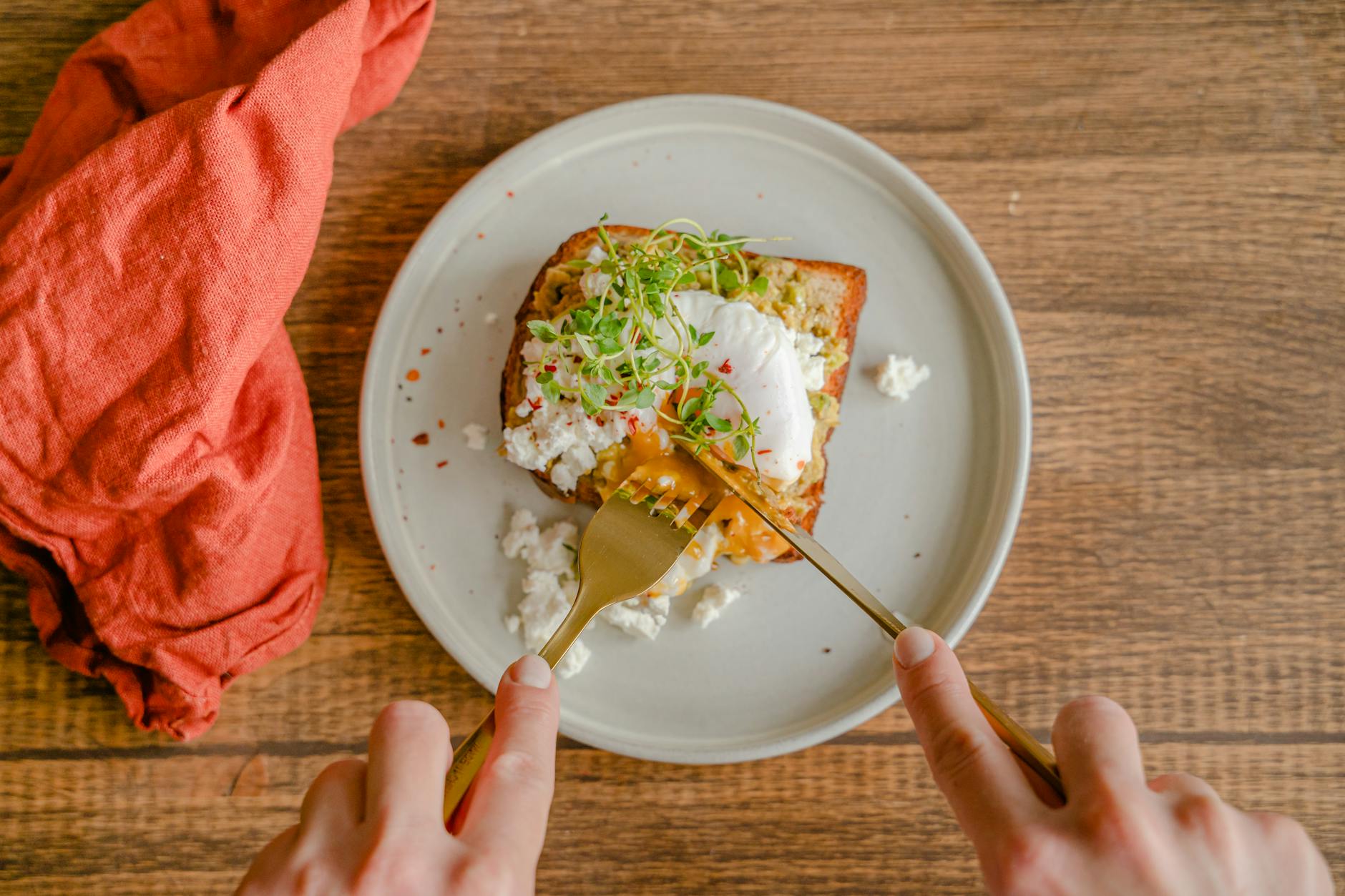
Yes, cats can eat plain toast in small amounts without getting sick. A healthy cat that nibbles on a bite-sized piece of plain, unbuttered toast will typically experience no adverse effects. However, toast offers absolutely no nutritional benefit to cats and should only be given as an occasional treat, if at all. Cats are obligate carnivores, meaning their bodies are designed to derive nutrition from meat””not carbohydrates like bread.
Consider this scenario: your cat jumps on the counter and steals a corner of your morning toast before you can stop her. In most cases, there is no need to panic. That small amount of plain bread will pass through her system without causing harm. The problems arise when toast becomes a regular offering, when it includes toppings, or when your cat has underlying health conditions that make carbohydrates problematic. This article explores the specific risks and considerations around feeding toast to cats, including the calorie implications, dangerous toppings to avoid, which cats should never have bread, and how to offer this human food safely if you choose to share it with your feline companion.
Table of Contents
- Is Plain Toast Safe for Cats to Eat?
- Why Toast Offers Zero Nutritional Value for Cats
- The Hidden Danger of Buttered Toast and Common Toppings
- Why Raw Bread Dough Is Dangerous for Cats
- Which Cats Should Never Eat Toast at All
- When to Consult Your Veterinarian About Your Cat’s Diet
- Conclusion
Is Plain Toast Safe for Cats to Eat?
Plain toast is generally considered safe for healthy cats when offered in strict moderation. The key word here is “plain”””no butter, no jam, no garlic spread, and no seasoning of any kind. A small piece, approximately one-quarter inch square, given occasionally will not make most cats sick. The bread itself is not toxic to felines, and their digestive systems can process small amounts without issue. However, safety and benefit are two different things. While your cat will not be poisoned by a nibble of toast, she gains nothing nutritionally from eating it.
Bread provides what nutritionists call “empty calories”””energy with no accompanying vitamins, minerals, or proteins that cats actually need. Unlike humans, who can thrive on varied diets including grains, cats have evolved to require specific amino acids and nutrients found only in animal tissue. Taurine, for example, is essential for feline heart and eye health and is absent from bread entirely. The distinction between “safe” and “healthy” matters because many cat owners interpret lack of immediate illness as permission to continue a behavior. Your cat may beg for toast every morning, and you may feel generous sharing it. But over time, even safe foods can contribute to weight gain, nutritional imbalances, and displacement of the meat-based diet your cat truly requires.
Why Toast Offers Zero Nutritional Value for Cats
cats are obligate carnivores, a classification that sets them apart from omnivores like dogs and humans. Their digestive systems lack certain enzymes needed to efficiently break down and utilize plant-based carbohydrates. While a cat can technically digest toast, her body cannot extract meaningful nutrition from it. The proteins in wheat are incomplete for feline needs, and the carbohydrates simply convert to glucose””energy her body does not require in that form. To understand this limitation, compare a cat’s natural diet to what toast provides. A mouse, the quintessential feline meal, offers protein, fat, taurine, moisture, and various micronutrients.
Toast offers starch. A cat eating toast is essentially filling her stomach with material that passes through without contributing to muscle maintenance, organ function, or cellular repair. This is why veterinary nutritionists describe bread as having no place in a cat’s regular diet. The calorie issue compounds this problem significantly. A single slice of white bread contains approximately one-fifth of the total daily calories an average cat needs. If your ten-pound cat requires roughly 200 calories per day, one slice of bread accounts for about 40 of those calories””with none of the essential nutrients. Regular bread consumption can quickly lead to obesity while simultaneously leaving your cat malnourished in the vitamins and amino acids she actually needs.
The Hidden Danger of Buttered Toast and Common Toppings
Many cat owners assume that if plain toast is acceptable, buttered toast must be fine too. This assumption can lead to digestive upset and discomfort for your cat. Butter contains lactose, and despite the popular image of cats lapping up milk, most adult cats are lactose intolerant. Their bodies stop producing adequate lactase enzyme after kittenhood, leaving them unable to properly digest dairy products. A cat who eats buttered toast may experience diarrhea, vomiting, or stomach cramps. Beyond butter, several common toast toppings are actively toxic to cats. Garlic and onion, whether fresh, powdered, or cooked into a spread, can damage feline red blood cells and cause a dangerous condition called hemolytic anemia.
Even small amounts consumed regularly can accumulate and cause harm. Tomato-based toppings may also pose risks, as green tomatoes and tomato plants contain solanine, which is toxic to cats. Certain herbs and spices used in savory spreads can irritate the digestive tract or cause more serious reactions. If your cat ingests toast with a potentially harmful topping, monitor her closely for signs of distress. Symptoms of garlic or onion toxicity may not appear immediately but can include lethargy, pale gums, rapid breathing, and weakness. When in doubt, contact your veterinarian. A call describing exactly what your cat ate and in what quantity allows the vet to assess risk and recommend appropriate action.
Why Raw Bread Dough Is Dangerous for Cats
While toast itself poses minimal risk to healthy cats, raw bread dough is an entirely different matter and represents a genuine emergency. Never allow your cat access to unbaked bread dough under any circumstances. The warm, moist environment of a cat’s stomach provides ideal conditions for yeast to continue fermenting and the dough to expand. This expansion can cause dangerous bloating, gastric distension, and potentially life-threatening complications. The danger is twofold. First, the physical expansion of dough in the stomach can stretch the organ to dangerous proportions, causing severe pain and potentially restricting blood flow to surrounding tissues.
Second, the fermentation process produces alcohol as a byproduct. A cat whose stomach becomes a fermentation vessel can develop alcohol poisoning, with symptoms including disorientation, vomiting, tremors, and respiratory depression. For example, a cat who sneaks a golf-ball-sized piece of rising dough from a countertop could experience symptoms within one to two hours. The dough may double or triple in size inside her stomach, causing obvious abdominal distension and signs of distress. This situation requires immediate veterinary attention””do not wait to see if symptoms resolve on their own. Time matters when dealing with gastric expansion.
Which Cats Should Never Eat Toast at All
Certain feline health conditions make bread consumption inadvisable regardless of quantity or frequency. Cats with diabetes should not eat toast because the carbohydrates convert to glucose, potentially disrupting blood sugar management. Even a small piece can cause a spike that complicates insulin dosing and overall disease control. The empty calories also contribute to weight gain, which further worsens diabetic outcomes. Cats with kidney disease face different but equally important restrictions. These cats require carefully controlled diets that limit certain nutrients while maximizing others. Adding toast””even plain toast””introduces unnecessary variables and displaces the specialized foods designed to support failing kidneys. Similarly, cats with heart disease may be on sodium-restricted diets, and commercial bread often contains more salt than is appropriate for cardiac patients. The tradeoff here is clear: the momentary pleasure your cat might experience from eating toast is not worth the potential complications to her existing health management plan. If your cat has any chronic condition requiring dietary control, consult your veterinarian before offering any human food, including bread. What seems like a harmless treat could interfere with medications or carefully calibrated nutrition plans. ## How to Safely Share Toast With Your Cat If you decide to share toast with your healthy cat despite its lack of nutritional value, following certain guidelines minimizes risk.
The toast should be plain””no butter, spreads, or seasonings whatsoever. Tear off a small piece, roughly one-quarter inch square, rather than offering a large portion. This size allows your cat to enjoy the texture and taste without consuming significant calories. Frequency matters as much as portion size. Toast should never become a daily occurrence or expected part of your cat’s routine. Once a week at most represents a reasonable limit for this nutritionally void treat. Compare this to offering a small piece of cooked chicken or fish, which actually provides protein and nutrients your cat can use. If you want to share human food with your cat, meat-based options offer genuine benefit rather than empty calories. Watch your cat after she eats toast for the first time. While adverse reactions to plain bread are uncommon in healthy cats, individual sensitivities exist. If you notice vomiting, diarrhea, or unusual lethargy in the hours following, avoid offering toast again. Some cats may have undiagnosed wheat sensitivities or other conditions that make bread problematic for their particular systems.

When to Consult Your Veterinarian About Your Cat’s Diet
Questions about human foods and feline nutrition deserve professional guidance, particularly if your cat shows interest in foods beyond her regular diet. Your veterinarian can assess your individual cat’s health status, weight, and nutritional needs to provide personalized recommendations. This conversation becomes especially important if your cat has been consuming bread or other human foods regularly and you are uncertain about the cumulative effects.
Looking forward, the trend in feline nutrition emphasizes species-appropriate diets that mirror what cats would eat in nature. This means prioritizing high-quality proteins and minimizing carbohydrates and fillers. While an occasional nibble of toast will not harm most healthy cats, the broader goal should be ensuring your cat receives complete, balanced nutrition from foods designed for her biological needs. Your veterinarian can recommend appropriate treats that satisfy your desire to share food with your cat while actually contributing to her health rather than detracting from it.
Conclusion
Plain toast will not make a healthy cat sick when offered in small, infrequent amounts. A bite-sized piece of unbuttered, unseasoned toast given occasionally falls within acceptable treat parameters for most felines. However, the absence of harm is not the same as the presence of benefit””toast provides no nutritional value to cats and represents empty calories that can contribute to weight gain over time.
The key considerations are keeping portions tiny, avoiding all toppings, never offering raw dough, and completely avoiding toast if your cat has diabetes, kidney disease, or heart conditions. If you want to treat your cat, meat-based options provide both the enjoyment and the nutrition she needs. When in doubt about any aspect of your cat’s diet, your veterinarian remains the best resource for guidance tailored to your individual pet’s health status and needs.