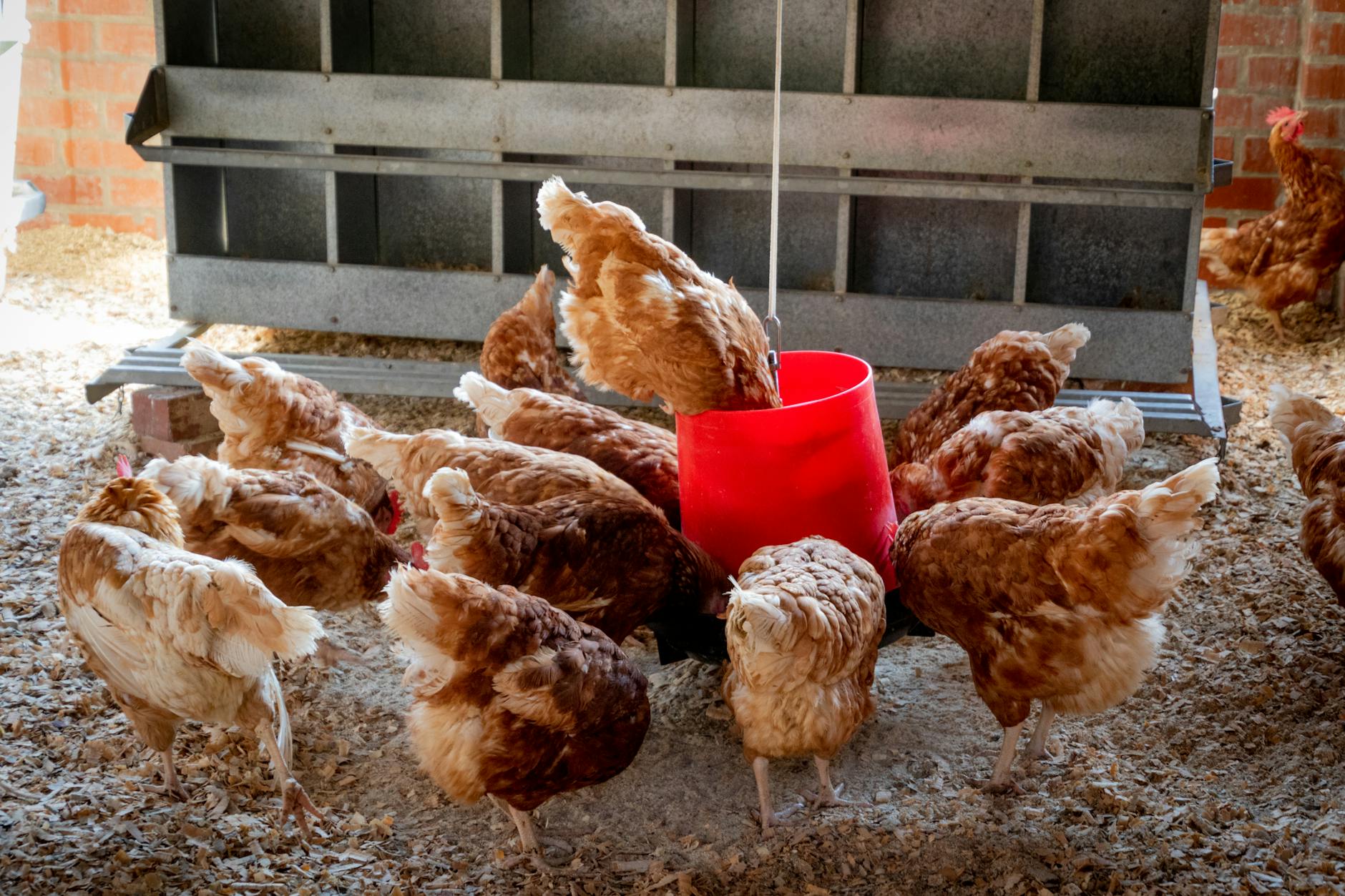
Yes, cats can eat chicken safely, and it is one of the most suitable protein sources for felines when prepared correctly. Chicken provides essential amino acids, particularly taurine, that cats require for heart health, vision, and overall bodily function. The key considerations are ensuring the chicken is fully cooked, boneless, and served plain without seasonings, sauces, or additives that could harm your cat. A typical example of safe chicken feeding would be offering your cat a few small pieces of boiled or baked chicken breast as an occasional treat or meal topper.
However, not all chicken preparations are safe, and how you serve chicken matters as much as the chicken itself. Raw chicken carries salmonella and campylobacter risks, while fried or seasoned chicken can cause digestive upset or worse. Chicken skin, while not toxic, is high in fat and can contribute to obesity or pancreatitis with regular consumption. This article covers the nutritional benefits of chicken for cats, safe preparation methods, portion guidelines, the raw versus cooked debate, potential risks to watch for, and how to incorporate chicken into your cat’s diet without disrupting their nutritional balance.
Table of Contents
- Why Is Chicken Considered a Natural Food for Cats?
- How Much Chicken Can You Safely Feed Your Cat?
- Cooked Versus Raw Chicken: What the Evidence Shows
- Safe Preparation Methods for Feeding Chicken to Cats
- Ingredients and Preparations That Are Dangerous for Cats
- Can Kittens Eat Chicken, and Are There Age-Related Considerations?
- When to Avoid Chicken or Seek Veterinary Advice
- Conclusion
Why Is Chicken Considered a Natural Food for Cats?
cats are obligate carnivores, meaning their bodies evolved to derive nutrition primarily from animal tissue. In the wild, a cat’s diet consists almost entirely of small prey animals, including birds. Chicken aligns naturally with a cat’s biological needs because it provides complete proteins containing all the essential amino acids cats cannot synthesize on their own. Unlike dogs or humans, cats have limited ability to process carbohydrates and plant proteins efficiently, making animal-based proteins like chicken biologically appropriate.
The amino acid profile of chicken is particularly well-suited to feline nutrition. Chicken is rich in taurine, arginine, and methionine, three nutrients that cats must obtain from food sources. Taurine deficiency, for instance, leads to dilated cardiomyopathy and retinal degeneration in cats, conditions that can be fatal if left untreated. Commercial cat foods often supplement synthetic taurine, but whole chicken provides it in a naturally bioavailable form. Compared to beef or pork, chicken also tends to be leaner and more digestible, making it a gentler option for cats with sensitive stomachs.
How Much Chicken Can You Safely Feed Your Cat?
Portion control matters significantly when feeding chicken to cats. As a general guideline, treats and supplemental foods, including chicken, should comprise no more than ten percent of your cat’s daily caloric intake. For an average ten-pound adult cat requiring approximately 200 calories per day, this means about 20 calories from chicken, which translates to roughly one ounce or a few small cubes of cooked chicken breast. However, if you are using chicken as a primary protein source rather than an occasional treat, the calculation changes entirely.
Cats eating homemade diets need nutritionally balanced meals formulated with veterinary guidance, not just plain chicken. Feeding only chicken without proper supplementation leads to nutritional deficiencies, particularly in calcium, since chicken meat lacks the bone content cats would consume from whole prey. A cat fed exclusively plain chicken breast for several weeks could develop calcium deficiency, leading to weakened bones and dental problems. Commercial cat foods are formulated to prevent these imbalances, which is why chicken should supplement rather than replace balanced meals unless you are working with a veterinary nutritionist.
Cooked Versus Raw Chicken: What the Evidence Shows
The raw feeding movement has gained popularity among cat owners seeking to replicate ancestral diets, but the safety of raw chicken remains genuinely contested. Proponents argue that cooking destroys enzymes and alters protein structures, while critics point to documented bacterial contamination risks. Studies have found salmonella in 15 to 25 percent of commercial raw chicken samples, and cats can become carriers even when showing no symptoms, potentially shedding bacteria in their feces and creating household contamination risks.
For example, a 2019 study published in the Journal of the American Veterinary Medical Association found that cats fed raw diets were more likely to shed antibiotic-resistant bacteria than cats on commercial diets. This poses risks not only to the cat but to immunocompromised humans in the household. Cooking chicken to an internal temperature of 165 degrees Fahrenheit eliminates these bacterial concerns while preserving the protein content cats need. The nutritional tradeoff from cooking is minimal compared to the infection risk reduction, making cooked chicken the safer choice for most households.
Safe Preparation Methods for Feeding Chicken to Cats
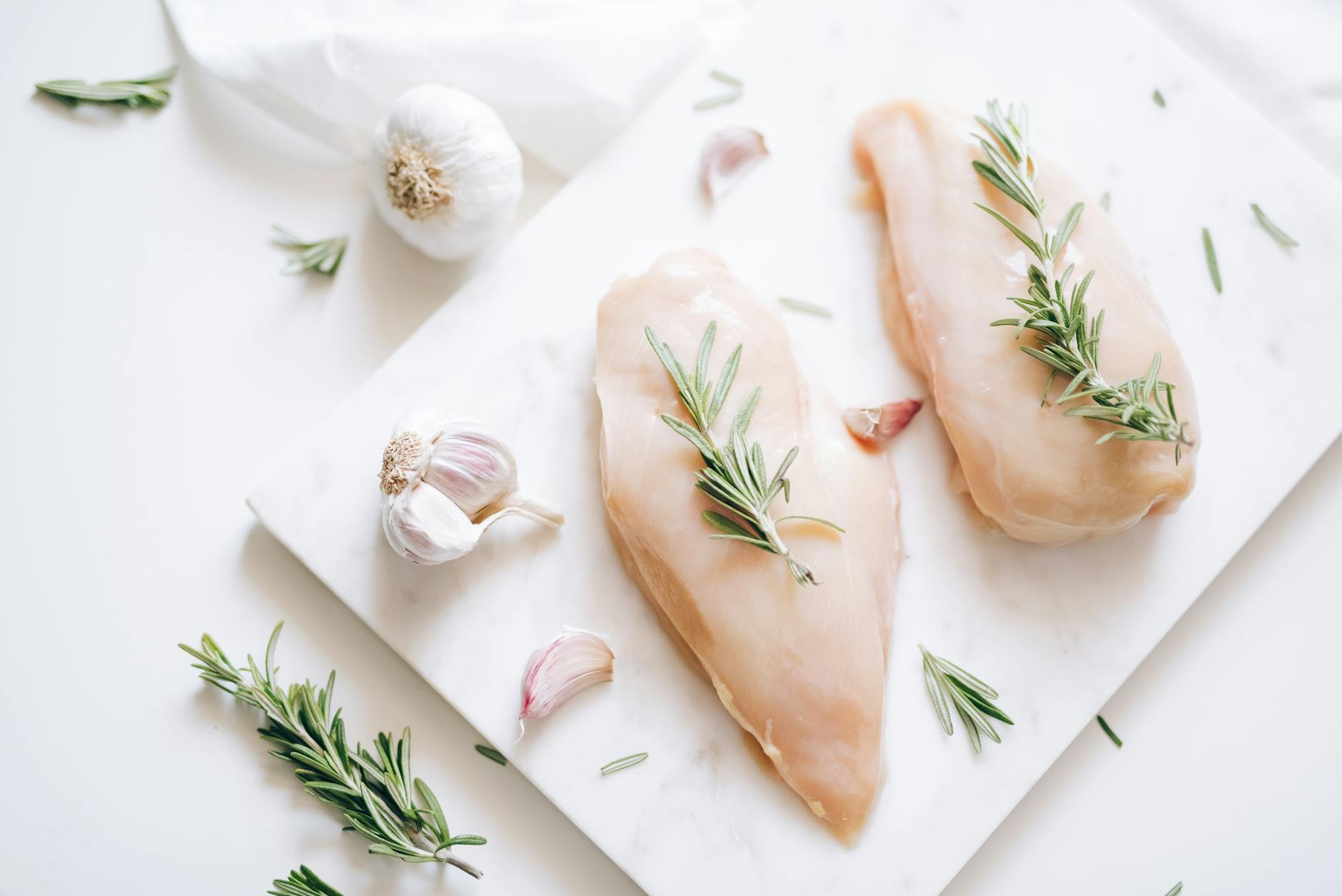
The safest preparation methods are boiling, baking, or poaching chicken without any added ingredients. Remove all skin before cooking to reduce fat content, and ensure the chicken is cooked through with no pink remaining. After cooking, allow the meat to cool completely and cut it into small, manageable pieces appropriate for your cat’s size. A kitten or small cat needs smaller pieces than a large adult cat to prevent choking. The comparison between home-cooked and store-bought pre-cooked chicken is worth considering.
Rotisserie chicken from grocery stores typically contains salt, seasonings, and sometimes injected solutions that are not ideal for cats. While a small amount of plain meat picked from a rotisserie chicken is unlikely to cause harm, the sodium content is higher than home-prepared options. Deli chicken slices often contain preservatives and excessive salt. The tradeoff is convenience versus control. Home cooking takes more time but gives you complete control over what goes into your cat’s food, while commercial options offer convenience but introduce variables you cannot always verify.
Ingredients and Preparations That Are Dangerous for Cats
Several common cooking ingredients that are safe for humans are toxic to cats. Onions and garlic, frequently used in chicken recipes, contain compounds that damage red blood cells in cats, potentially causing hemolytic anemia. Even small amounts of garlic powder on seasoned chicken can be problematic with repeated exposure. Symptoms may not appear immediately but develop over days as damaged blood cells accumulate.
Salt in excessive amounts leads to sodium ion poisoning, causing vomiting, diarrhea, tremors, and in severe cases, seizures. Butter, oils, and creamy sauces dramatically increase fat content beyond what cats can comfortably digest, potentially triggering acute pancreatitis. A cat that steals a piece of chicken from a creamy garlic chicken dish requires monitoring for several days afterward. Warning signs include lethargy, vomiting, refusal to eat, and abdominal pain. When in doubt about exposure to toxic ingredients, contact your veterinarian or an animal poison control hotline rather than waiting for symptoms to develop.

Can Kittens Eat Chicken, and Are There Age-Related Considerations?
Kittens can eat chicken once they have transitioned to solid food, typically around four to five weeks of age. Their developing digestive systems may be more sensitive than adult cats, so introducing chicken should happen gradually. Start with a small amount, perhaps half a teaspoon of finely shredded cooked chicken mixed with their regular kitten food, and observe for any digestive upset over 24 to 48 hours before offering more.
For example, a kitten being weaned might benefit from having tiny amounts of boiled, shredded chicken breast mixed into their wet food to increase protein palatability and encourage eating. Senior cats, on the other hand, may have different considerations. Older cats with kidney disease require careful protein management, and while chicken is generally kidney-friendly compared to some proteins, the overall protein intake should be discussed with your veterinarian. Cats with dental issues may need chicken cut smaller or even pureed to accommodate difficulty chewing.
When to Avoid Chicken or Seek Veterinary Advice
Some cats develop allergies or intolerances to chicken, despite it being a common protein source. Symptoms of chicken allergy in cats include itchy skin, excessive grooming, hair loss, vomiting, and chronic diarrhea. Ironically, chicken’s prevalence in commercial cat foods means cats have more exposure to it than many other proteins, which may contribute to allergy development over time.
If your cat shows adverse reactions after eating chicken, an elimination diet under veterinary supervision can help identify whether chicken is the culprit. Looking forward, the pet nutrition field continues studying optimal protein sources and preparation methods for cats. Emerging research on novel proteins and the impact of processing methods may refine our understanding of the best ways to incorporate chicken and other meats into feline diets. For now, the consensus remains that properly prepared chicken is a safe and nutritious option for most cats when used appropriately within a balanced diet.
Conclusion
Chicken is a safe, nutritious, and biologically appropriate food for cats when prepared thoughtfully. The essential guidelines are straightforward: cook the chicken thoroughly, serve it plain without seasonings or additives, remove skin and bones, and keep portions appropriate as a treat or supplement rather than a sole food source. These practices minimize health risks while allowing your cat to enjoy a protein source that aligns with their carnivorous nature.
If you want to incorporate chicken into your cat’s routine, start with small amounts and observe how your cat responds. Consult your veterinarian before making significant dietary changes, particularly if your cat has existing health conditions or you are considering a homemade diet. With proper preparation and moderation, chicken can be a valuable addition to your cat’s nutritional intake.