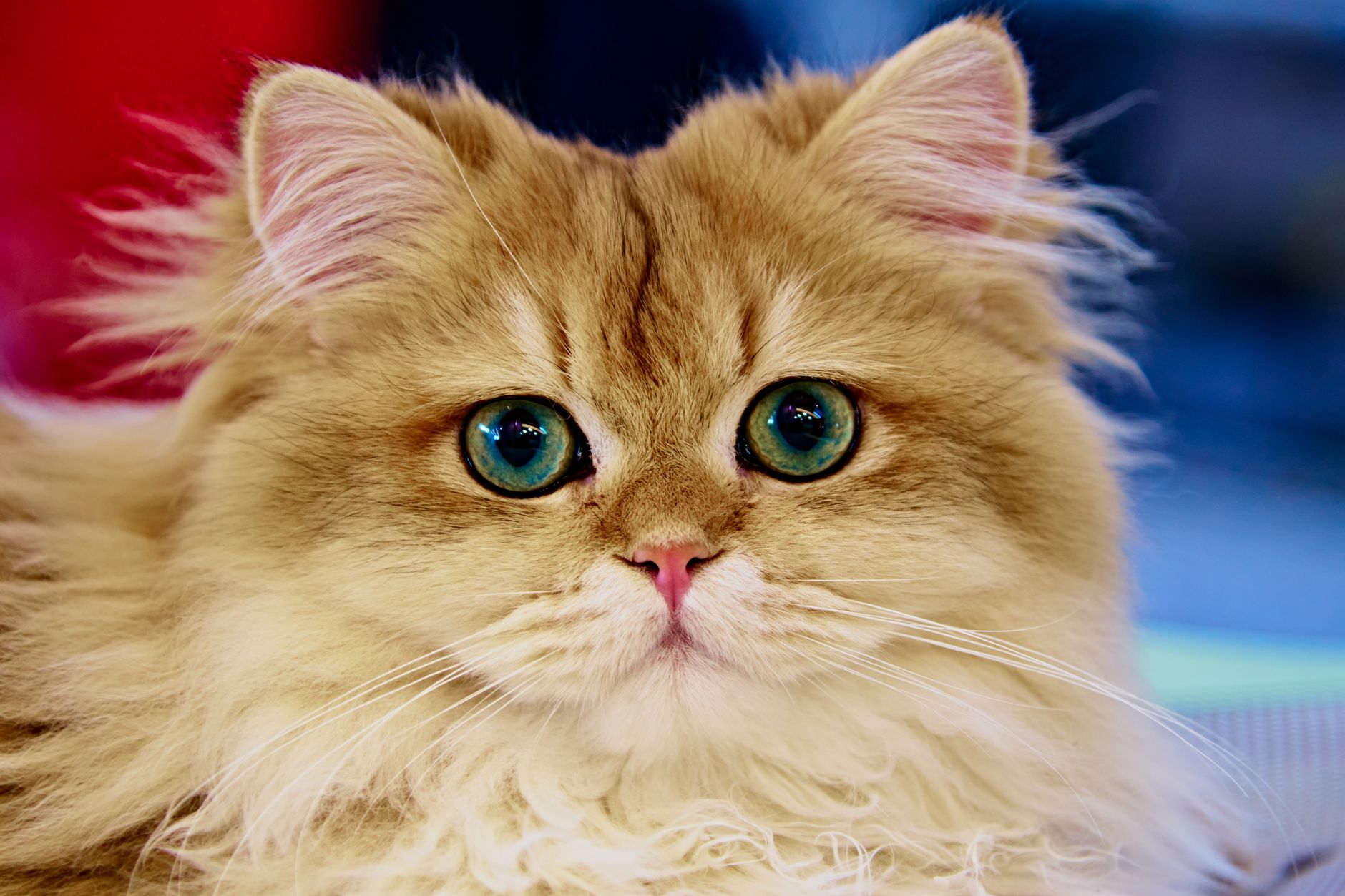
A Persian kitten’s fluffy coat does bear a striking resemblance to a fuzzy dust ball, especially when the kitten is young, freshly bathed, or has just woken up from a nap. The similarity is not merely cosmetic—Persian kittens are bred specifically for their dense, voluminous double coat that can expand significantly when fluffed up, creating a round, ball-like silhouette. However, unlike an actual dust ball, a Persian kitten’s appearance is the result of careful breeding and often requires intensive grooming to maintain that plush aesthetic.
The comparison highlights a real challenge Persian kitten owners face: keeping that fluffy appearance requires daily brushing, regular bathing, and consistent maintenance. Without proper grooming, a Persian kitten’s coat becomes matted and tangled, losing the appealing fluffiness and instead looking unkempt. A well-groomed Persian kitten will be noticeably rounder and more cloud-like in appearance, while a neglected one may look thin or clumpy in patches where mats have formed.
Table of Contents
- Why Do Persian Kittens Look Like Fuzzy Dust Balls?
- The Reality Behind the Fluff: Grooming Demands
- The Development of the Fluffy Coat in Kittens
- Daily Grooming to Maintain the Dust-Ball Look
- Health Issues That Affect Appearance and Fluffiness
- Seasonal Changes in Coat Volume and Fluffiness
- The Distinction Between a Groomed and Neglected Persian Kitten’s Appearance
- Frequently Asked Questions
Why Do Persian Kittens Look Like Fuzzy Dust Balls?
Persian kittens inherit a distinctive double coat consisting of a dense undercoat and longer guard hairs that create their characteristic puffy appearance. This genetic trait was deliberately selected over decades of breeding, with Persian cats valued precisely for their voluminous, plush coat. When a kitten’s coat is properly maintained and fluffed during grooming, the hair stands away from the body, creating an almost spherical outline that genuinely resembles a dust ball with eyes.
The fluffy appearance serves as an indicator of coat health and kitten age. Very young Persian kittens, especially those around 8 to 12 weeks old, often appear the most cloud-like because their coat is still developing its full length and density, and they haven’t yet experienced the wear that comes with play and activity. As the kitten matures, the coat becomes longer and heavier, changing the overall silhouette slightly, though the fluffy quality remains central to the breed’s appearance.
The Reality Behind the Fluff: Grooming Demands
The similarity to a dust ball masks the considerable grooming work required to maintain a Persian kitten‘s appearance. Without daily brushing, a Persian’s coat quickly mats and tangles, particularly in areas of friction such as behind the ears, under the armpits, and along the belly. These mats are not merely cosmetic problems; they can trap moisture, harbor parasites, and cause skin irritation. Owners who underestimate this requirement often find themselves dealing with severely matted coats within weeks of neglect.
Many prospective Persian kitten owners purchase the cat attracted by its dust-ball-like fluffiness, only to discover the grooming commitment is more extensive than they anticipated. Professional grooming appointments can be expensive and may need to occur every 6 to 8 weeks, in addition to daily at-home brushing. A kitten that is not groomed regularly will not maintain its appealing fluffy appearance; instead, it will look progressively less like a dust ball and more like a matted, tangled mess. This transformation in appearance often surprises new owners who didn’t fully understand the maintenance requirements before bringing a Persian kitten home.
The Development of the Fluffy Coat in Kittens
Persian kittens are not born with their full adult coat. At birth, kittens have a soft, thin coat that gradually develops over the first several months of life. By 8 to 10 weeks old, the kitten’s coat becomes noticeably fluffier and more dust-ball-like as the undercoat develops. This fluffy stage is often when kittens appear at their most adorable and most similar to actual dust balls.
As a Persian kitten grows from 3 to 12 months old, the coat continues to lengthen and become fuller, gradually taking on the characteristics of an adult Persian cat’s coat. However, during the first few months, before full maturity, kittens may shed a considerable amount as they transition from kitten fur to adult coat. This shedding can temporarily reduce the dramatic fluffiness, leaving the kitten looking less ball-like and more scruffy during the transition period. Understanding this natural development helps owners recognize that their kitten’s coat will continue to change in appearance and texture as it grows.
Daily Grooming to Maintain the Dust-Ball Look
Maintaining a Persian kitten’s fluffy dust-ball appearance requires a consistent daily grooming routine. A slicker brush or metal comb should be used to brush through the entire coat, working from the skin outward to remove any tangles before they become mats. This process typically takes 15 to 30 minutes per day for a kitten and often takes significantly longer for an adult cat with a fuller coat. Bathing is another essential component of maintaining that plush appearance.
Many Persian owners bathe their kittens every 4 to 6 weeks, which removes dirt, oils, and debris from the coat while also allowing the hair to dry in a fluffier configuration. During the bathing process, owners should use a high-quality cat shampoo and thoroughly dry the coat with a blow dryer on a cool or low setting to prevent heat damage. The combination of proper bathing and drying techniques is what creates and maintains the pronounced fluffiness that makes a Persian kitten resemble a fuzzy dust ball. Skipping regular baths often results in a coat that looks drab and less voluminous, even if brushing is otherwise maintained.
Health Issues That Affect Appearance and Fluffiness
Certain health problems can dramatically alter a Persian kitten’s appearance and fluffiness. Skin conditions such as ringworm, mites, or allergies can cause hair loss, flaking, or irritation, making the coat look thin, patchy, or dull rather than fluffy. These conditions require veterinary attention and can interfere with grooming routines during treatment. A Persian kitten that suddenly appears less fluffy or has visible hair loss should be evaluated by a veterinarian.
Digestive issues and nutritional deficiencies can also impact coat quality and fluffiness. A kitten fed a low-quality diet may develop a dull, thin coat that never achieves the full, fluffy appearance typical of the breed. Conversely, kittens fed high-quality diets with adequate protein, omega fatty acids, and other essential nutrients tend to develop fuller, more lustrous coats. Additionally, Persian kittens are prone to eye discharge and tear staining, which can mat the fur around the face and eyes, compromising the overall fluffy appearance. Regular cleaning of these areas helps prevent matting and keeps the face region looking neat and fluffy.
Seasonal Changes in Coat Volume and Fluffiness
Persian kittens experience seasonal shedding that affects their overall fluffiness and appearance. During spring and early summer, many Persians shed their winter undercoat, which can dramatically reduce their apparent size and fluffiness. A kitten that looked like a round dust ball in winter may appear noticeably thinner and less voluminous during shedding season.
This is a normal, temporary change, but owners accustomed to the maximum fluffiness of winter may be surprised by the difference. Increased brushing during shedding season helps remove loose hair and may slow the apparent reduction in fluffiness. Some owners even opt for professional grooming during heavy shedding periods to manage the volume of shed hair. As cooler months return in fall and winter, the undercoat regrows, and the kitten’s fluffy appearance gradually returns, once again resembling a dust ball in form.
The Distinction Between a Groomed and Neglected Persian Kitten’s Appearance
The difference between a well-groomed Persian kitten and a neglected one is dramatic and immediately obvious. A groomed kitten maintains a round, fluffy silhouette with a smooth, lustrous coat that feels soft and untangled when handled. The eyes appear bright and alert, and the face is clean of tear stains. In contrast, a neglected Persian kitten develops visible mats and tangles that create an uneven, clumpy appearance.
The coat may look dull or discolored, and the kitten may appear smaller than it actually is because the matted sections compress the hair flat against the skin. A severely neglected Persian kitten may require professional de-matting or even a complete shave-down if the mats are too severe to remove otherwise. Prospective Persian kitten owners should view the dust-ball comparison as both an attractive quality and a realistic preview of the grooming commitment required. The fluffy appearance that makes these kittens so appealing is not a default state—it is the result of deliberate, consistent care. Understanding this distinction helps owners make an informed decision about whether they are prepared to commit to the daily grooming work necessary to keep their Persian kitten looking like the fluffy dust ball that initially attracted them.
Frequently Asked Questions
How often do I need to bathe my Persian kitten?
Most Persian owners bathe their kittens every 4 to 6 weeks. Some bathe more frequently during shedding season or if the kitten plays outdoors. Regular bathing helps maintain the fluffiness and cleanliness of the coat.
Can I skip daily brushing if my Persian kitten is still young?
No. Even young Persian kittens require daily brushing to prevent mats from forming. Skipping brushing, even for a few days, can result in tangles that become difficult to remove and can cause discomfort for the kitten.
Why does my Persian kitten look less fluffy after shedding season?
During spring and summer, Persian kittens shed their winter undercoat, which temporarily reduces their apparent volume and fluffiness. This is normal and temporary; the coat will regrow as temperatures cool.
What should I do if my kitten develops severe mats I cannot remove?
Take your kitten to a professional groomer who has experience with Persians. Severe mats may require professional de-matting or, in extreme cases, a professional grooming. Do not attempt to cut out mats with scissors, as this risks injuring the kitten’s skin.
Does the dust-ball look mean my kitten is overweight?
No. A Persian kitten’s round, fluffy appearance is due to coat volume, not body fat. However, you should still be able to feel the kitten’s ribs and spine under the coat when gently pressed. If you cannot feel these, discuss weight with your veterinarian.
Is the grooming requirement worth it if I love the fluffy appearance?
This depends on your lifestyle and commitment level. If you enjoy daily grooming and regular bathing, then yes, the fluffy appearance is achievable and rewarding. If grooming feels burdensome, you may want to consider a lower-maintenance breed instead.