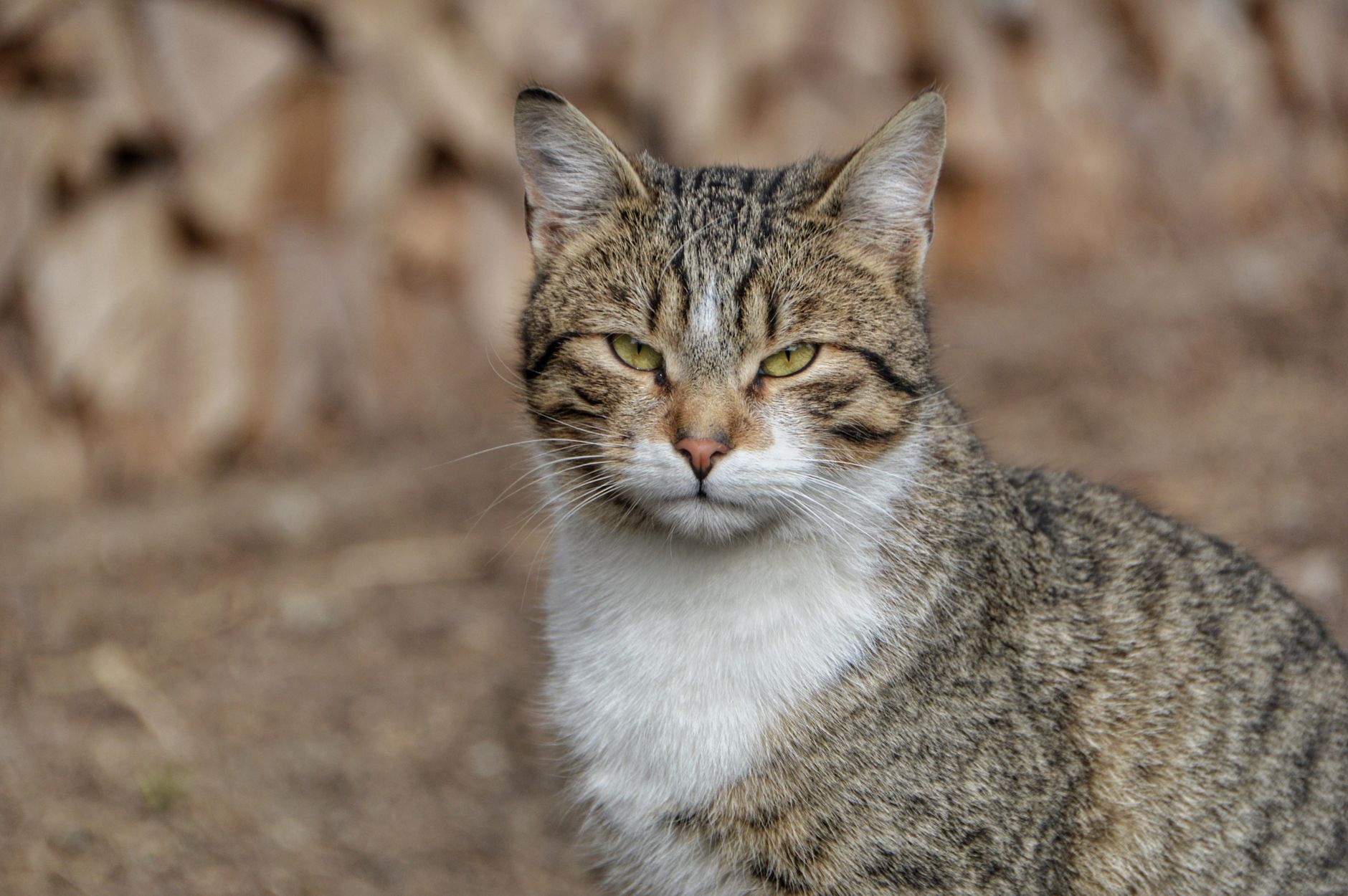
Yes, Xzibit still has the same cat he owned during his hosting days on MTV’s Pimp My Ride—a remarkable feline named Thunder Cat who has lived with the rapper and actor for approximately 20 years since 2006. This enduring companionship has captured public attention because it defies common assumptions about pet retention among celebrities and speaks to an unusual level of commitment that most pet owners, celebrity or otherwise, do not maintain over decades. When Xzibit recently shared this detail publicly, fans responded with widespread engagement on social media, impressed not just by the novelty of the announcement but by what it represents about sustained responsibility and care.
Thunder Cat’s presence in Xzibit’s life extends back to the peak years of Pimp My Ride, when the show dominated MTV’s lineup between 2004 and 2007. The cat has essentially grown old alongside Xzibit, remaining a constant fixture through career changes, relocations, and the natural shifts that occur over two decades of an adult’s life. For a pet to reach this age—approximately 20 years—and remain with its original owner is statistically uncommon, particularly in households where significant life transitions occur. This situation offers practical lessons about feline longevity, the conditions that allow cats to live long healthy lives, and the commitment that sustained pet ownership actually requires.
Table of Contents
- What It Takes for a Cat to Live 20 Years in One Home
- Health Considerations for Long-Lived Cats
- The Pimp My Ride Era Connection and Pet Media Presence
- Commitment and Resource Availability in Long-Term Pet Ownership
- Challenges in Keeping Senior Cats and Health Management
- Dietary Needs and Nutrition for Aged Cats
- The Reality of 20-Year Pet Ownership and Household Stability
What It Takes for a Cat to Live 20 Years in One Home
cats can live into their late teens and early twenties, but doing so requires consistent veterinary care, stable living conditions, and freedom from major health crises. Thunder Cat’s two-decade tenure with Xzibit suggests that certain conditions were met throughout his life—regular veterinary checkups, appropriate nutrition, and environmental stability. Many cats don’t achieve this lifespan because they experience changes in ownership, lack preventive healthcare, or encounter untreated health problems. The fact that Thunder Cat remained with the same owner during this period is itself unusual; pet retention studies show that many households experience pet turnover within the first five years due to lifestyle changes, moves, allergies, or behavioral issues.
For indoor cats specifically, the 15-to-20-year lifespan is realistic when several factors align. Cats kept exclusively indoors face fewer external hazards—no traffic accidents, predators, or disease exposure from wildlife. Xzibit’s resources likely included access to quality veterinary care, which becomes increasingly important as cats age and develop conditions like arthritis, kidney disease, or dental problems. The stability of remaining in one household also reduces stress, which has measurable effects on feline health and immune function. Cats that experience multiple home changes, rehoming, or unstable environments show higher rates of behavioral problems and health issues, even if they eventually find permanent homes.
Health Considerations for Long-Lived Cats
As cats reach their late teens and into their twenties, they become prone to several age-related conditions that require active management. Chronic kidney disease affects a significant portion of senior cats and can be managed but not cured; it typically requires dietary adjustments and sometimes medication or fluid therapy. Thunder Cat, now approximately 20 years old, would likely be experiencing some age-related changes whether visible or not. Owners of very old cats often need to modify their homes—providing lower litter boxes, softer bedding, and easier access to food and water bowls.
A limitation many people face with aging cats is the financial reality of veterinary care; senior cats often require more frequent examinations and may need multiple medications or treatments, creating ongoing costs that not all households can sustain. Cats in their late teens also experience cognitive changes, dental deterioration, and sometimes sensory decline in vision or hearing. Xzibit’s ability to keep Thunder Cat healthy this long indicates access to dental care—tooth disease is extremely common in older cats and contributes to systemic health problems if left untreated. The stability of a single household also means Thunder Cat has not experienced the stress of multiple transitions, which itself is protective against age-related illness. However, owners should not assume that a cat reaching 20 years means that cat is free from pain or discomfort; many very old cats develop arthritis or other chronic conditions that may not be immediately obvious but affect their quality of life significantly.
The Pimp My Ride Era Connection and Pet Media Presence
Thunder Cat’s association with Pimp My Ride, which aired during 2004-2007, means the cat has an unusual connection to a specific moment in pop culture history. While Xzibit was the primary host and face of the show, Thunder Cat’s presence in his life during that period represents a personal continuity that contrasts sharply with how quickly the entertainment landscape changed. Very few pets achieve any public recognition, and even fewer maintain that recognition or public interest across multiple decades. The social media response to Xzibit’s revelation about Thunder Cat reflects broader cultural interest in celebrity pets and long-term pet ownership, though it also reveals how uncommon this scenario truly is.
This public interest, while generally positive, also illustrates a reality about pet ownership and visibility. Pets owned by high-profile individuals sometimes face unusual demands—expectations around public appearances, photographs, or social media documentation that typical pets do not encounter. Thunder Cat has apparently remained primarily private despite Xzibit’s public status, which is itself notable. The contrast between Xzibit’s public visibility and Thunder Cat’s relative privacy suggests that not every pet of a famous person becomes a public figure, and some owners maintain appropriate boundaries around their animals’ exposure and stress levels.
Commitment and Resource Availability in Long-Term Pet Ownership
Sustaining a cat’s health over 20 years requires resources that extend beyond basic housing and food. Veterinary care for a 20-year-old cat can be expensive, particularly if the cat develops chronic conditions requiring medication, specialized diets, or ongoing treatments. Xzibit’s financial resources have likely enabled Thunder Cat to receive high-quality veterinary attention throughout his life, which is a significant factor in his longevity. For average pet owners, this reality presents a real tradeoff: longer-lived pets are more likely to develop expensive health conditions, and the commitment to caring for an elderly cat often stretches over many years. Some owners face difficult decisions about managing declining quality of life in very old cats, and these decisions are often complicated by emotional attachment and the desire to do right by a long-term companion.
The decision to keep a cat through its entire lifespan, even into very old age, also requires accepting changes in the cat’s abilities and needs. Xzibit has maintained Thunder Cat through potential health crises, behavioral changes, and the natural decline that occurs with extreme age. Many owners surrender cats to shelters or rescues when the cats become senior, citing behavioral changes, litter box problems, or the stress of managing a very old animal. By contrast, Xzibit’s long-term commitment demonstrates one model of pet ownership—viewing the cat as a permanent family member rather than a temporary possession. This philosophical approach is not universal and often depends on both resources and personal values regarding pet responsibility.
Challenges in Keeping Senior Cats and Health Management
Older cats often develop litter box issues, including reduced control, increased frequency of urination, or occasional inappropriate elimination due to pain, cognitive decline, or medical conditions like diabetes or kidney disease. Owners of very old cats frequently need to provide multiple litter boxes in accessible locations and may need to clean them more frequently. Thunder Cat’s ability to remain in Xzibit’s household without being rehomed despite any age-related behaviors suggests either that such issues have been well-managed or that Xzibit’s living situation and resources allowed for accommodations that other households might not be able to provide. A common misconception is that cats stop being interesting or engaging as they age; in reality, many senior cats remain alert and affectionate, though they may interact differently than younger cats.
Pain management becomes increasingly important in very old cats but is often underaddressed because cats hide pain effectively. Arthritis, dental disease, and other chronic conditions may be present without obvious signs, and owners must rely on veterinary professionals to identify and treat these issues. The commitment to keeping Thunder Cat through his senior years likely involved regular veterinary assessment to catch problems early. For pet owners considering whether to maintain a cat through old age, the reality is that doing so well requires paying close attention to subtle behavioral changes, being willing to adapt the home environment, and maintaining regular veterinary oversight even when the cat seems relatively healthy.
Dietary Needs and Nutrition for Aged Cats
Senior cats often require different nutrition than younger adults, with changes in protein levels, reduced calories to account for lower activity, and sometimes specialized diets for specific health conditions. Cats with kidney disease, a very common issue in very old cats, typically require diets lower in phosphorus and may benefit from increased moisture intake. Thunder Cat’s diet over 20 years has almost certainly changed multiple times as he aged and as veterinary nutrition guidelines evolved. Providing appropriate nutrition for a cat over this long a period requires staying informed about dietary needs at different life stages and being willing to adjust feeding practices when a veterinarian recommends it.
The cost of specialized senior cat diets, particularly prescription diets for cats with specific health conditions, can be substantial over time. Some owners transition to over-the-counter senior formulas, which are less expensive but may not address specific medical conditions as effectively. The choice often depends on the cat’s individual health status and the owner’s resources. Xzibit’s ability to potentially provide prescription or premium nutrition throughout Thunder Cat’s life is one of several resource-dependent factors that likely contributed to the cat’s longevity.
The Reality of 20-Year Pet Ownership and Household Stability
Maintaining the same pet across two decades of an adult’s life requires not just commitment but also relative household stability. Xzibit has experienced significant changes over 20 years—career evolution, likely multiple residences, and whatever personal transitions occur in any adult life—yet Thunder Cat has remained with him. This is noteworthy because relocation, one of the most common stressors for cats, typically requires extra care to ensure the cat adjusts to a new environment. Moving a cat multiple times across 20 years, particularly to different climates or housing situations, increases stress and can trigger behavioral or health issues.
The fact that Thunder Cat has apparently thrived through whatever moves or transitions occurred suggests either that moves were handled carefully or that the cat’s inherent stability and attachment to Xzibit overrode typical relocation stress. The announcement of Thunder Cat’s continued presence in Xzibit’s life generates interest partly because it represents something rare in celebrity culture—sustained, unglamorous continuity with a pet through decades. There are no reports of Thunder Cat being a social media star or public spectacle, which itself may have protected the cat from the stress that can accompany unwanted attention or public visibility. This quiet, private approach to pet ownership over a very long period stands as a practical example that lengthy pet-owner relationships, while emotionally significant and potentially costly, are achievable for owners with the resources and commitment to prioritize their animals’ needs.